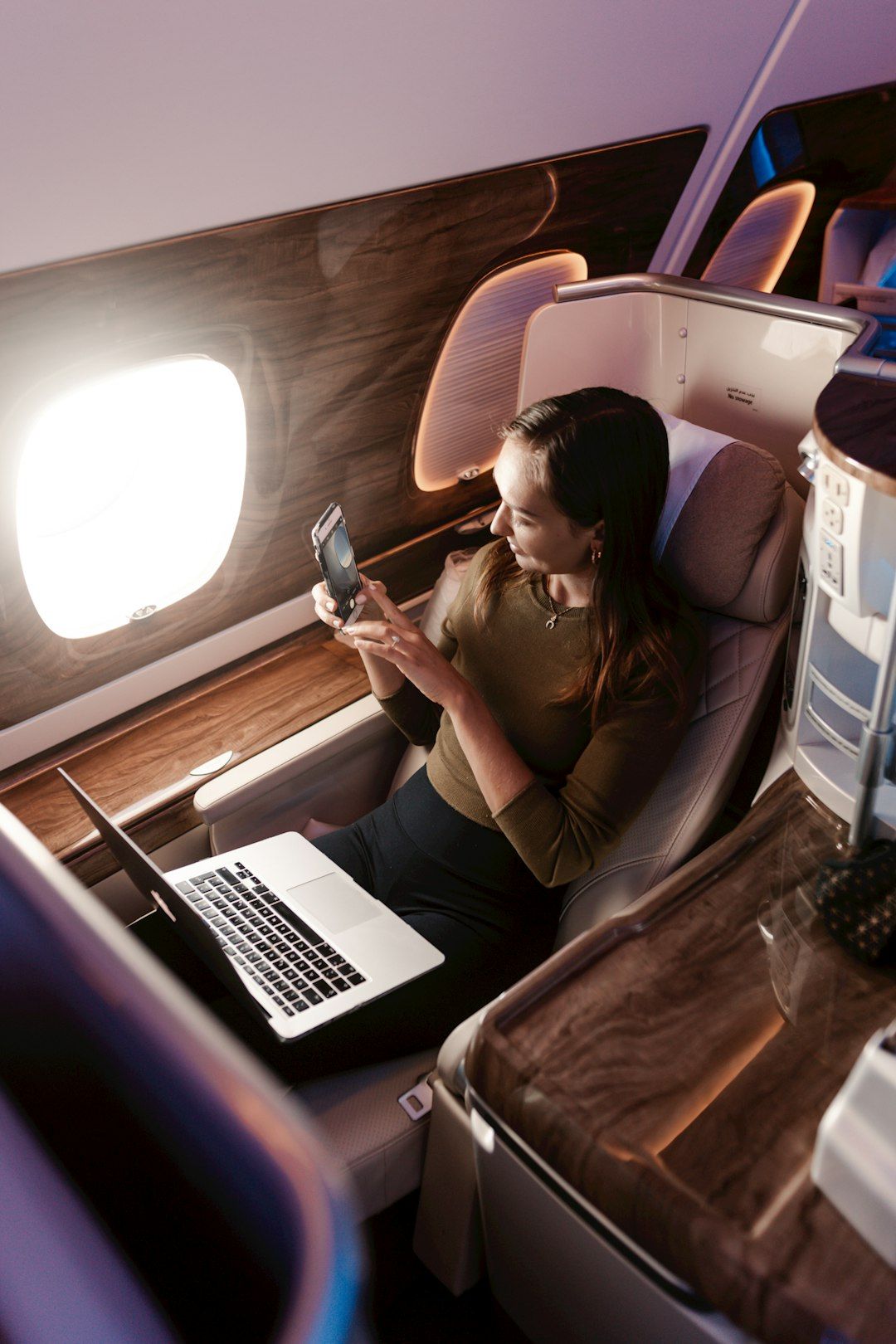
There’s a particular feeling that comes with walking past the curtain into business class, the one where you glance back at economy and feel a small, private sense of victory. Getting there without swiping your card for the full fare used to be almost routine for frequent flyers. In 2026, it’s a different game, one that still has real openings if you know where to look and how airlines actually make these decisions behind the scenes.
The upgrade landscape has shifted noticeably over the past two years, shaped by fuller premium cabins, smarter revenue systems, and airlines rethinking what loyalty should actually buy you. None of that means the front cabin is out of reach. It just means the old tricks, like dressing sharply or sweet talking a gate agent, matter far less than understanding the mechanics airlines now use to fill those seats.
Why free upgrades have become harder to land
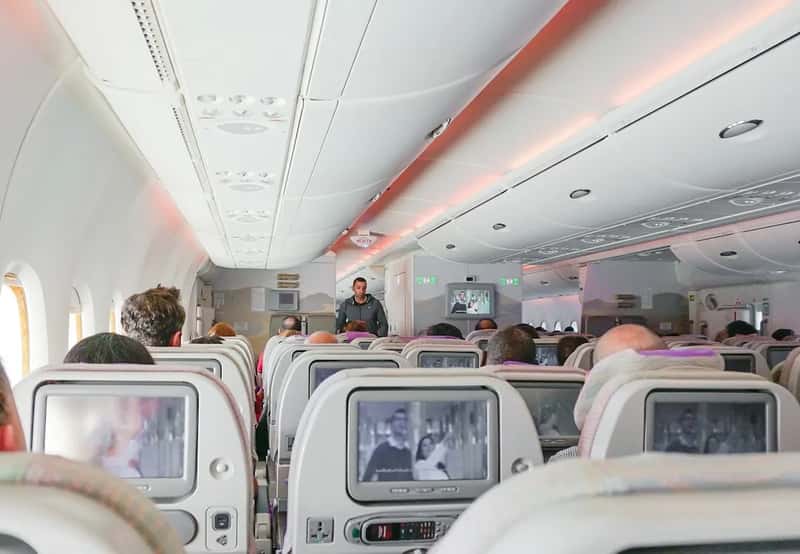
Business class used to be the cabin airlines gave away when it was running empty. That’s no longer the default assumption, because business class load factors have climbed steadily since 2022, with many carriers running their cabins at roughly 80 to 90 percent capacity on peak departures on popular long-haul routes.[1] When the seat is likely to sell, there’s less incentive for an airline to hand it over for free.
American Airlines made this shift explicit in 2026 when it began halting free upgrades from economy to business class on specific transcontinental and Hawaii routes that have a premium economy cabin, instead considering eligible AAdvantage members for the midtier seats.[2] Travel journalist Zach Griff summed up the broader trend by noting that actually getting a first-class upgrade is much harder than ever, partly because more travelers are paying to reserve the seats they want and airlines have gotten savvier about pricing them.[2] The takeaway isn’t that upgrades are gone, but that they’re rationed more tightly than they were even a few years ago.
Elite status is still the single best lever
Despite all the changes, loyalty status remains the most dependable path to a complimentary seat forward. As one guide puts it plainly, the most reliable way of getting an upgrade at no additional cost is to use airline elite status, whether earned by you or your friends, family or co-workers.[3] That’s not folklore, it’s still how the algorithms are built.
The catch is that not all status tiers are created equal anymore. Delta has been the most aggressive in pulling back, and while Diamond Medallion members used to get complimentary upgrades on domestic routes fairly reliably, the airline has shifted heavily toward Medallion Upgrade Certificates that don’t always clear.[1] Meanwhile, American’s Executive Platinum members probably get the best deal of the US carriers on domestic routes,[1] which makes choosing which airline to commit your loyalty to a genuinely strategic decision rather than an emotional one.
How airlines rank you for a seat
Upgrade lists aren’t first come, first served in the way most travelers imagine. On American, for instance, priority runs by tier, and upgrade decisions are usually made around 100 hours before departure for the highest status members, with lower tiers considered closer to the flight, so the higher your status, the earlier you’re evaluated.[4] That head start matters, because seats clear from the top of the list down.
Fare class plays a quiet but powerful role too. Discounted or basic fares are frequently excluded from consideration entirely, and cheaper, basic economy fares are less likely to be upgraded, while paying for a full fare economy or premium economy ticket increases eligibility.[4] If you’re status-eligible but still not clearing, the ticket type you bought might be the real obstacle, not your loyalty tier.
Bidding programs have quietly become the new normal
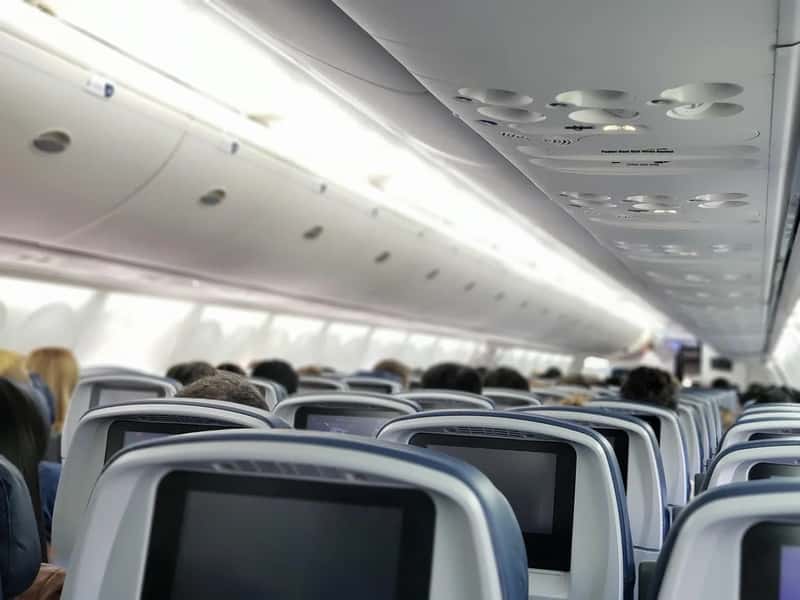
A growing number of carriers now let travelers name their own price for a business class seat instead of waiting on status alone. First and business class seats are highly coveted, and reflecting that popularity, many airlines now offer an additional method to access unsold premium cabin space through bidding.[5] The mechanism is simple: you submit an amount within a suggested range, and the airline decides whether to accept it as departure nears.
Air Canada’s version is one of the more established examples, where the AC Bid program allows passengers to bid on premium economy and business class seats up to 48 hours before departure, requiring only cash payments rather than mileage awards.[6] Lufthansa runs a similar system, and the carrier provides a bidding platform for premium or business class upgrades on long-haul routes, typically sending offers about seven days before departure.[6] If your airline offers this, checking your inbox or account dashboard in the days before a flight can be worth more than any elite status trick.
ANA’s newest experiment shows where the industry is heading
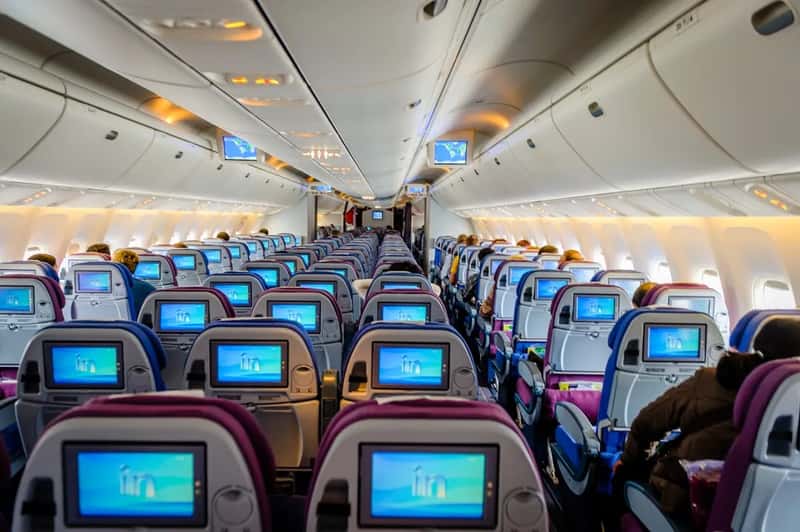
Japan’s ANA introduced a program in late August 2026 that’s worth watching closely, since it opens bidding to travelers who never held elite status in the first place. Called Bid My Price, the scheme lets eligible economy passengers bid for business class seats on selected routes connecting Japan, South Korea, and Hong Kong.[7] Passengers buy an economy ticket first, then get invited to name a price for a seat upgrade later.
What makes it notable is the framing. ANA’s expanded upgrade bidding system highlights how airlines are changing the way passengers access premium cabins, moving away from systems that depended purely on loyalty status or fixed upgrade fees toward a more flexible, budget-driven approach.[7] According to reporting on the rollout, travelers receive an email invitation several days before departure directing them to a portal where they can choose a price within an offered range, though upgrades aren’t guaranteed and only clear if the airline judges the bid and seat inventory favorable.[8] Expect more carriers outside Asia to copy this model over the next year or two.
Credit card status and companion perks
You don’t need years of flying history to borrow someone else’s upgrade privileges. Many programs let elite members extend the benefit to travel companions, since travelers who don’t fly enough to have elite status themselves have another option, flying on the same itinerary with someone who does, because many airline loyalty programs let elite travelers sponsor another traveler for a complimentary upgrade when flying together.[11] Coordinating a trip with a frequently flying relative or colleague can be worth more than any credit card perk.
Speaking of cards, co-branded airline credit cards can quietly nudge your odds even without full elite status. On top of that, if you’re friends with or family of someone with airline elite status, it can’t hurt to ask if they have any extra upgrades you can use,[3] since unused systemwide certificates often expire unused if nobody claims them. It’s a low-effort ask that occasionally pays off in a way that costs nothing but a text message.
Timing your check-in and booking choices
Small procedural details still influence how upgrade lists get sorted, even in an era dominated by algorithms. Booking a more flexible fare class rather than the cheapest option available tends to matter more than any single behavioral trick, since capacity-controlled upgrade space is often walled off from the lowest fare buckets entirely. Checking in as early as the system allows can also nudge you slightly higher on a waitlist when ties occur among travelers of the same status tier.
It’s worth being realistic about what these small moves can and can’t do. Dressing up used to be enough to get an upgrade in the past, but that’s rarely going to happen anymore, and no, you can’t summon a flight upgrade by mentioning the magic words “revenue management” to an airline agent.[3] The systems deciding who moves forward are largely automated now, which means your best moves happen before you ever reach the airport, not at the check-in counter.
Final thoughts on chasing the front cabin
Business class upgrades in 2026 reward preparation more than charm. The travelers who consistently make it forward are the ones who understand fare classes, track their loyalty status closely, and pay attention to which bidding or certificate programs their airline actually runs.
None of this guarantees a seat every time, and it shouldn’t. What it does offer is a realistic set of levers, elite status, smart fare choices, bidding platforms, and the occasional operational opening, that together give you a genuine shot at the front of the plane without handing over the full fare to get there.