
Somewhere between the third rolled shirt and the second pair of shoes you probably don’t need, most people give up on carry-on-only travel and check a bag anyway. It doesn’t have to go that way. With the right approach, two weeks of clothing, toiletries, and gear can fit into a standard carry-on suitcase, and you’ll skip the baggage claim wait and the fifty-dollar checked-bag fee on the way home.
The trick isn’t packing less stuff in a magical way. It’s packing smarter, choosing versatile pieces, and accepting that laundry exists in nearly every country on earth. Here’s how experienced travelers actually make it work.
Choose the Right Bag Before You Choose Anything Else
Most airlines cap carry-on dimensions around 22 by 14 by 9 inches, though budget carriers in Europe and Asia often run smaller, sometimes closer to 21 by 13 by 8 inches. Before buying a bag, check the specific airline you’re flying, since a bag that fits on one carrier might get gate-checked on another. A hardshell bag protects fragile items better, while a soft-sided bag with expandable zippers gives you a bit of wiggle room on the return trip when souvenirs pile up.
Weight matters just as much as size. Many international budget airlines enforce carry-on weight limits between 15 and 22 pounds, which is stricter than most travelers expect. A lightweight bag, ideally under seven pounds empty, gives you more room within that weight allowance for actual belongings rather than the suitcase shell itself.
Build a Capsule Wardrobe Around One Color Palette

The single biggest space-saver for a two-week trip is limiting your color palette to two or three complementary tones, like navy, gray, and white, or olive, black, and cream. When every top can pair with every bottom, five shirts and three pairs of pants can realistically produce more than a dozen distinct outfits. This isn’t a new idea, stylists and travel writers have pushed capsule wardrobes for years, but it remains the most reliable method for cutting volume without cutting variety.
Stick to fabrics that resist wrinkling and dry quickly, such as merino wool, performance knits, or lightweight technical blends. Cotton feels comfortable but takes up more space and wrinkles fast, so it’s worth reserving for just one or two items rather than building an entire wardrobe around it. Aim for roughly seven days’ worth of clothing for a fourteen-day trip, since you’ll be doing laundry at least once along the way.
Plan on Doing Laundry at Least Once
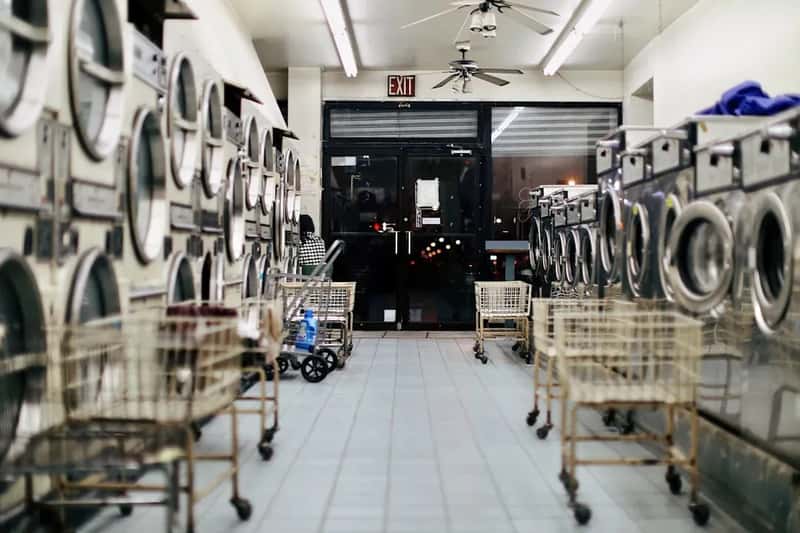
Nearly every hotel, hostel, and Airbnb has some laundry solution nearby, whether it’s an on-site machine, a corner laundromat, or a wash-and-fold service that charges by the kilogram. In many parts of Southeast Asia and Latin America, full-service laundry costs just a few dollars and turns around clothes within a day. Building one or two laundry stops into a two-week itinerary effectively doubles your wardrobe without adding a single ounce to your bag.
For travelers staying in accommodations without laundry access, a small packet of travel detergent and a sink wash can handle underwear and socks in a pinch. Quick-dry synthetic fabrics are especially useful here since they can go from wet to wearable overnight when hung properly. This approach only works if you accept that hand-washed items need airflow, so packing a compact travel clothesline or a few inflatable hangers solves that problem cheaply.
Master the Rolling and Bundling Techniques
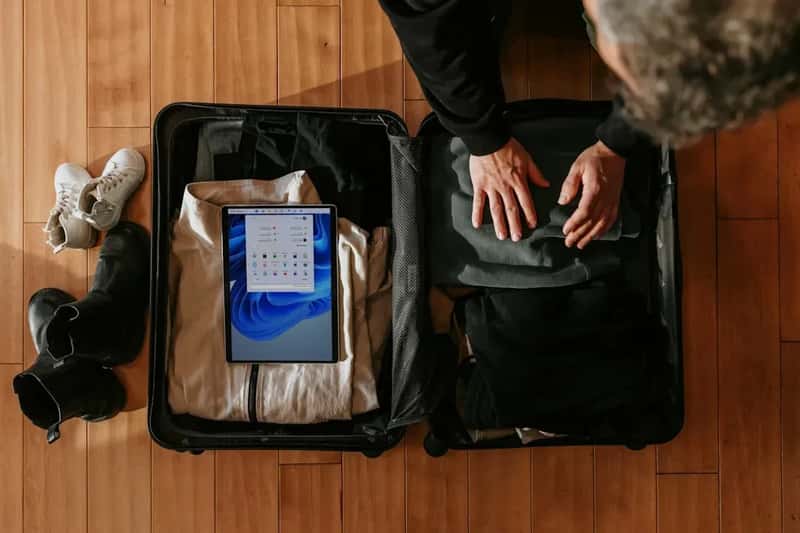
Rolling clothes instead of folding them is one of the most consistently recommended packing methods, and for good reason: it reduces wrinkles and typically saves meaningful suitcase space compared to traditional folding. Bundle wrapping, where you wrap softer items around a central core of stiffer clothing, works even better for suits, blazers, or anything that wrinkles easily under pressure. Both methods take a few extra minutes at the packing stage but pay off when you’re trying to close a stuffed carry-on.
Packing cubes complement either method by compressing clothing into firm, stackable units rather than loose piles that shift during transit. Compression packing cubes, which use a second zipper to squeeze out excess air, can shrink a stack of clothes by a noticeable margin, often enough to free up space for an extra pair of shoes or a jacket. The organizational benefit matters too, since separating clean clothes from worn ones inside labeled cubes keeps a two-week trip from turning into a jumbled mess by day five.
Limit Shoes to Three Pairs, Maximum
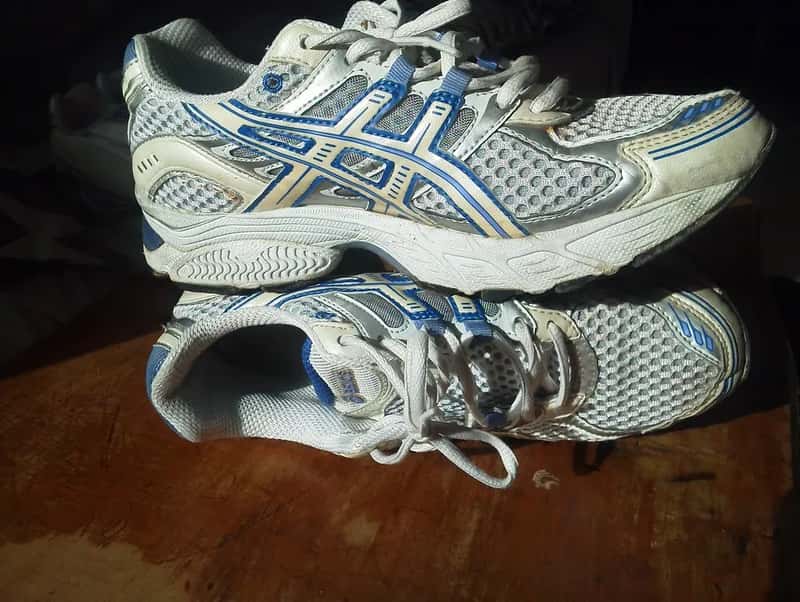
Shoes are consistently the heaviest and most space-consuming items in any suitcase, so most seasoned travelers cap themselves at three pairs: one worn on travel days, one casual pair, and one dressier or activity-specific option depending on the trip. Wearing the bulkiest pair, usually boots or sneakers, on the plane instead of packing them saves considerable suitcase volume immediately. Stuffing socks, chargers, or small toiletries inside shoes also makes use of otherwise wasted space.
For destinations requiring specific footwear, like hiking boots for a mountain leg of the trip or dress shoes for a business dinner, it’s worth asking whether that single-purpose pair is truly necessary or whether a hybrid shoe could cover both casual and semi-formal situations. Brands have increasingly leaned into this crossover design over the past few years, producing sneakers styled to pass in business-casual settings. Cutting down to two or three pairs total is often the difference between a bag that closes easily and one that requires sitting on it.
Downsize Toiletries Without Skimping on Essentials
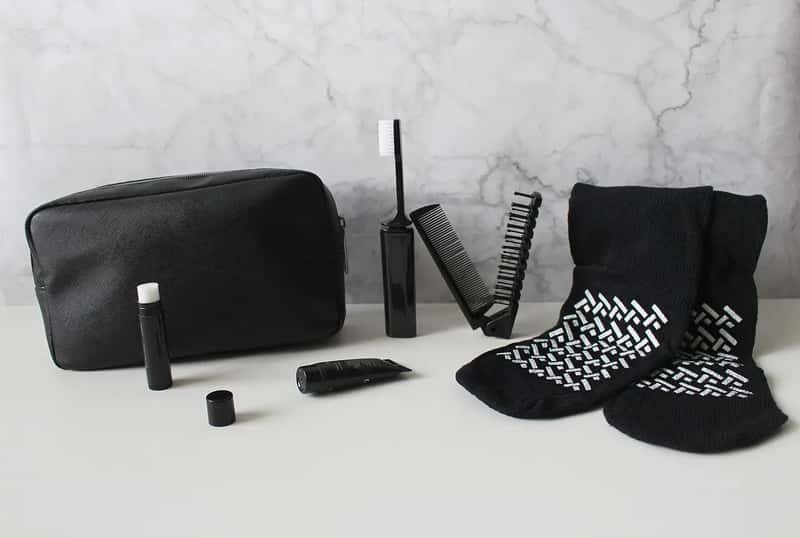
TSA and most international security agencies still enforce the 3.4-ounce, or 100-milliliter, liquid rule for carry-on bags, so decanting shampoo, conditioner, and skincare products into reusable travel bottles is non-negotiable for longer trips. Solid alternatives, like shampoo bars, solid perfume, and bar soap, sidestep the liquid restriction entirely and tend to last longer than their liquid counterparts. Many travelers now build an entire toiletry kit around solids specifically to avoid the hassle of the clear quart-size bag altogether.
For anything not available in solid form, refillable silicone travel bottles in the two-to-three-ounce range let you bring just enough product for two weeks without hauling a full-size bottle. It’s worth checking whether your destination sells familiar brands locally, since buying travel-size toothpaste or sunscreen on arrival can be lighter than carrying it from home. Prescription medications should stay in original packaging regardless of these strategies, since some countries scrutinize unlabeled pills at customs.
Use Every Inch of Dead Space Inside the Bag
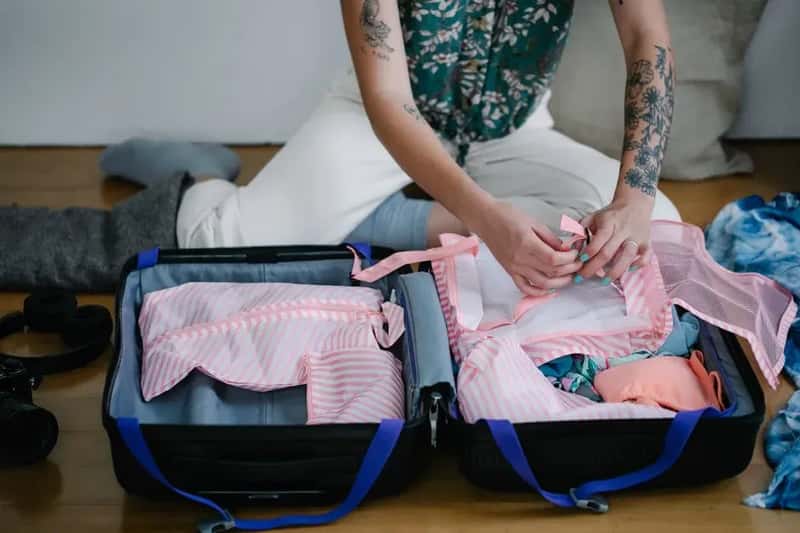
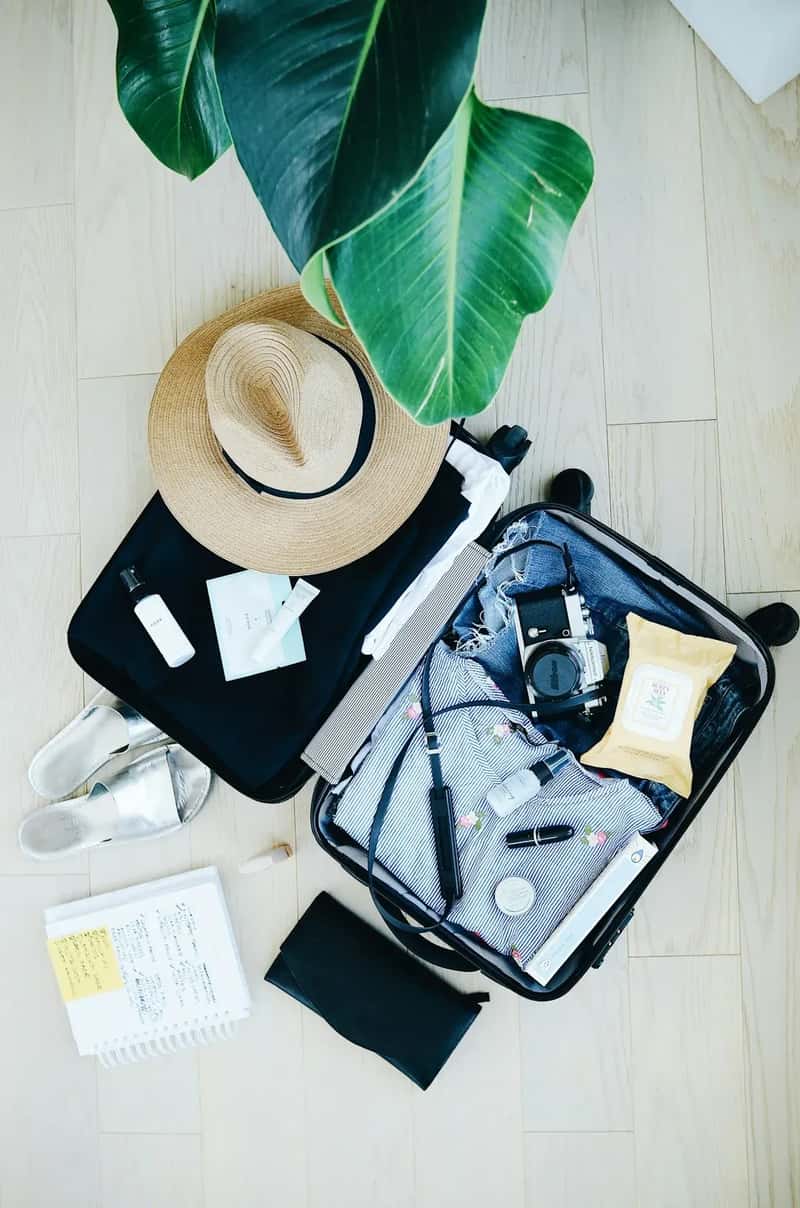
Experienced packers treat a suitcase like a puzzle rather than a container, filling gaps around rolled clothing with small, dense items like socks, charging cables, or a travel adapter. The inside of a hat, the space inside shoes, and the gaps between packing cubes are all usable real estate that’s easy to overlook. This kind of layering, heavy and structured items on the bottom near the wheels, softer items on top, keeps the bag balanced and prevents wrinkling of delicate pieces.
Flat items like belts, a travel umbrella, or a portable laptop sleeve should go along the outer edges where they won’t create pressure points. Many carry-on bags also include a front zippered compartment specifically designed for flat documents, chargers, or a paperback, and using that space fully means less digging through the main compartment at security checkpoints. Small mesh bags or zippered pouches inside the suitcase keep loose items from migrating and turning the whole bag into chaos by the second week.
Wear Your Bulkiest Items on Travel Days
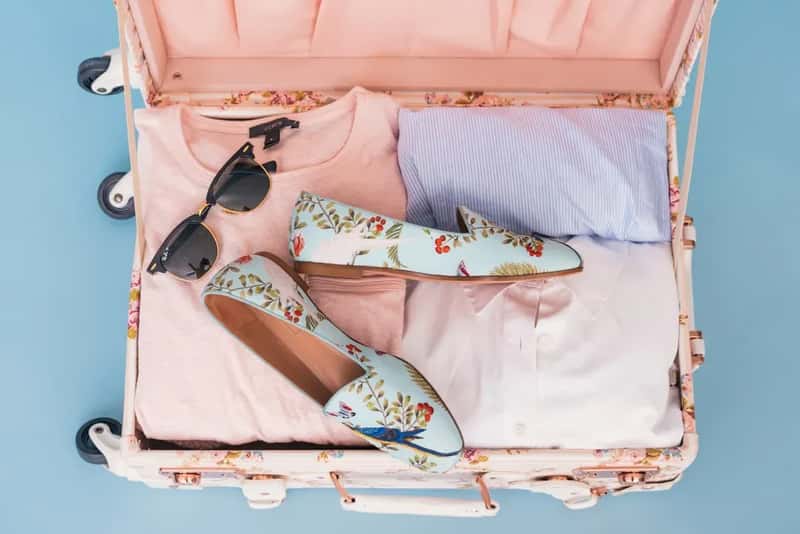
The clothes on your body don’t count against airline weight or size limits, which makes travel-day outfits an underused packing strategy. Wearing your heaviest jacket, bulkiest sweater, and largest shoes on the plane instead of folding them into the suitcase can free up a surprising amount of interior space. Layering also helps on flights, where cabin temperatures vary widely and a removable layer is more practical than digging through an overhead bin.
This strategy works especially well for winter or shoulder-season trips, where outerwear takes up disproportionate space relative to its weight. A packable down jacket, in particular, can compress into a stuff sack the size of a grapefruit when not worn, making it one of the more efficient pieces to own for carry-on travel. Pockets in jackets and cargo pants also double as extra storage for small items like a phone charger or sunglasses during the flight itself.
Know the Rules for Your Specific Airlines and Routes
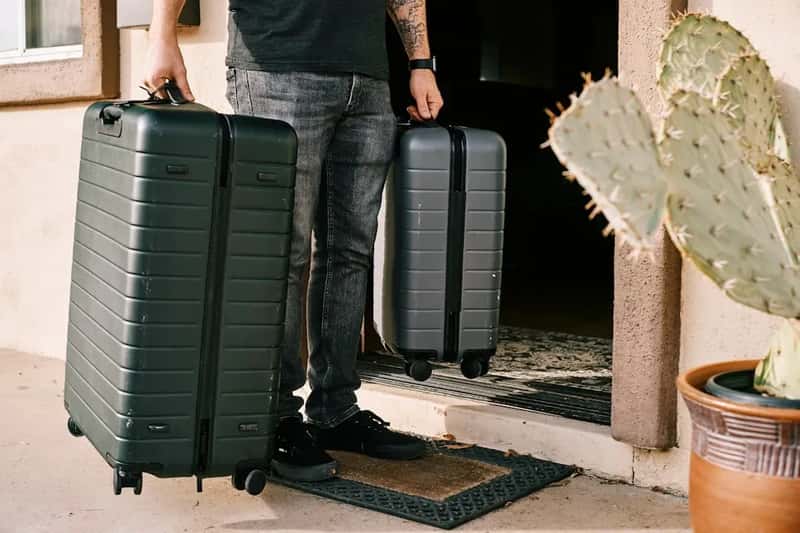
Carry-on rules aren’t universal, and budget airlines in particular have grown stricter about enforcing size and weight limits at the gate rather than at check-in. Airlines like Ryanair, Wizz Air, and several Southeast Asian budget carriers now charge steep fees for bags that don’t fit their sizing templates, sometimes exceeding the cost of the original ticket. Checking the exact carry-on policy for every leg of a multi-city or multi-airline two-week trip prevents an expensive surprise at the gate.
It’s also worth noting that some countries impose their own carry-on restrictions independent of the airline, particularly around liquids, electronics, and battery-powered devices like portable chargers. A power bank that’s perfectly fine in checked luggage might be restricted from checked bags entirely and required in the cabin instead, a rule enforced by many airlines specifically due to lithium battery fire risks. Reading the fine print before departure, rather than assuming one country’s rules apply everywhere, keeps a carefully packed carry-on from getting picked apart at security.