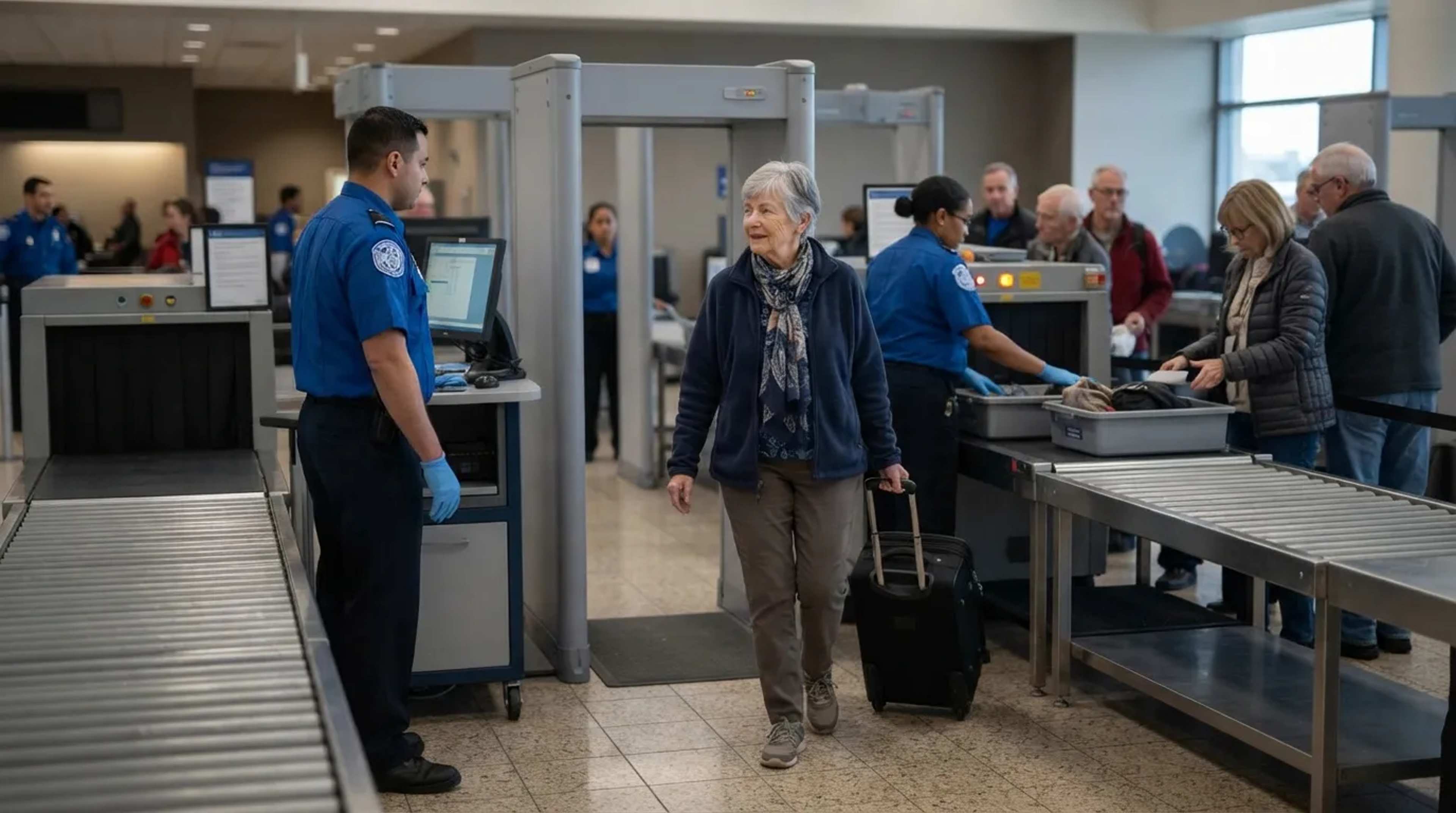
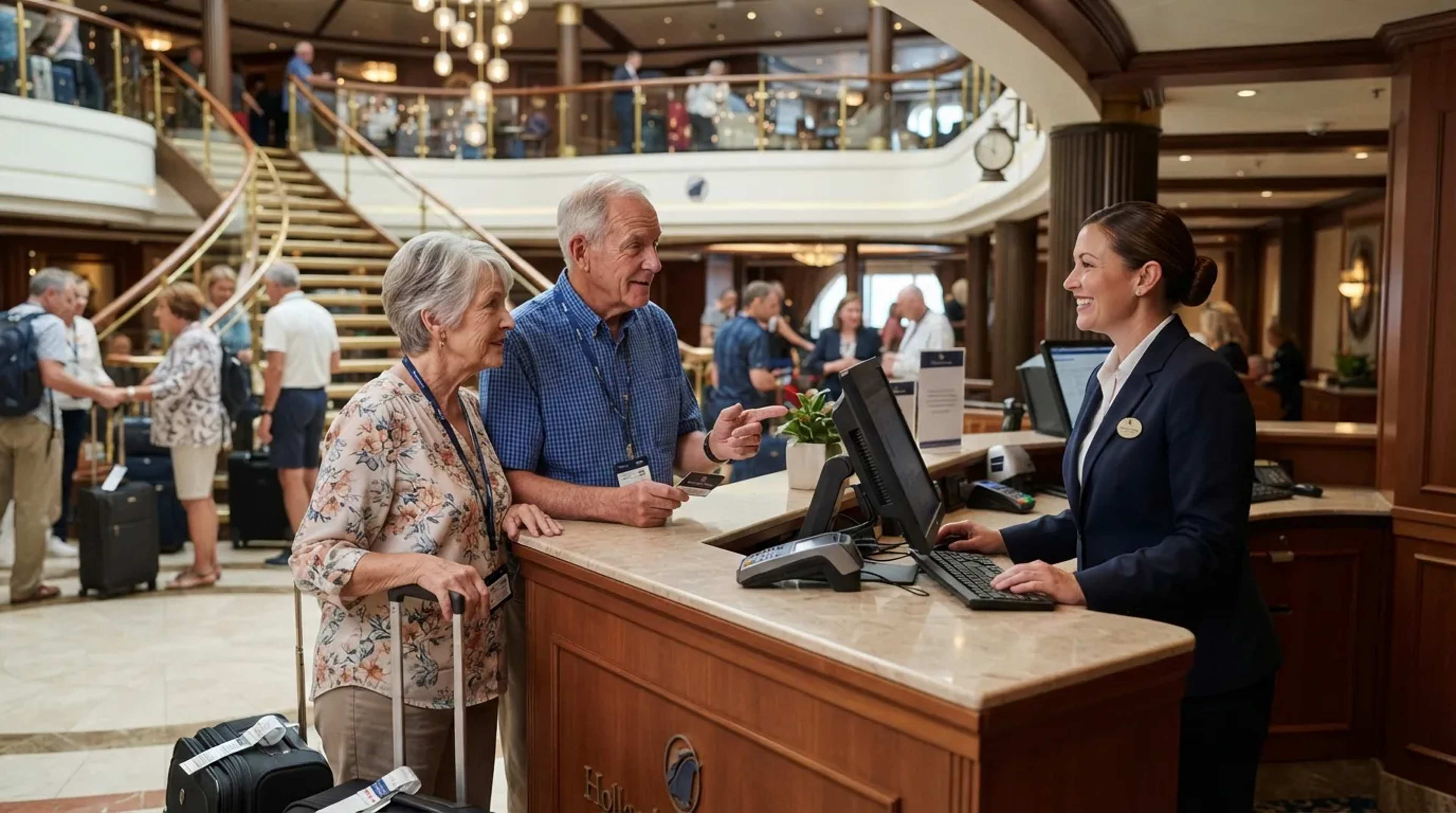
Cruise terminal screening looks like the airport version, with X-ray belts, bins and a short line of people watching the screen. If you’re past 70, your carry-on probably holds a pill case, maybe a breathing machine and a bottle of wine for the first night. Several of those can stop a bag.
A flagged item can delay boarding, trigger extra screening and, in extreme cases, lead to denied boarding. Stay through all 14 items, because the last one is a packing mistake that costs more than anything a screener can take from you.
First, a rule that’s easier than the airport’s.
#14 – Full-Size Shampoo Can Stay in the Bag
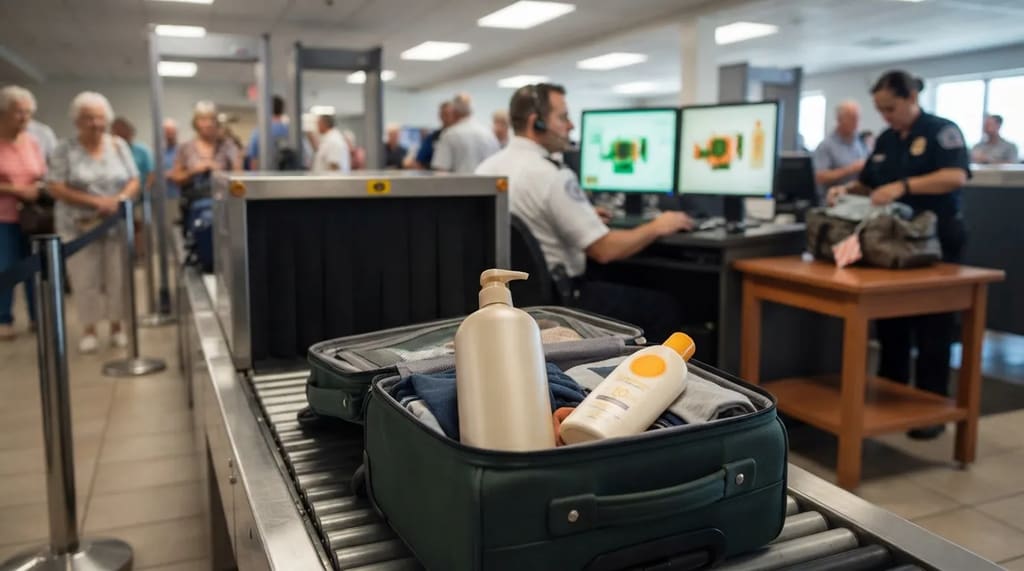
Cruise terminals have no three-ounce liquid rule, so shampoo and sunscreen can go through in your carry-on. You don’t have to take liquids or a laptop out of the bag.
The exception is anything that looks like a drink. If the officer sees bottles or cans on the screen, the bag can be flagged and the item taken to a side table for a visual check.
Fast Facts
- Liquid limit: none for shampoo or sunscreen at the terminal
- Laptop: can stay in the bag
- Common flag: bottles or cans spotted on the X-ray screen
- Smart packing: drinks and medical items near the top
Drinks are where the rules turn specific, and one line caps a carry-on case of soda at a dozen cans.
#13 – The Dozen-Can Limit on Soda and Water
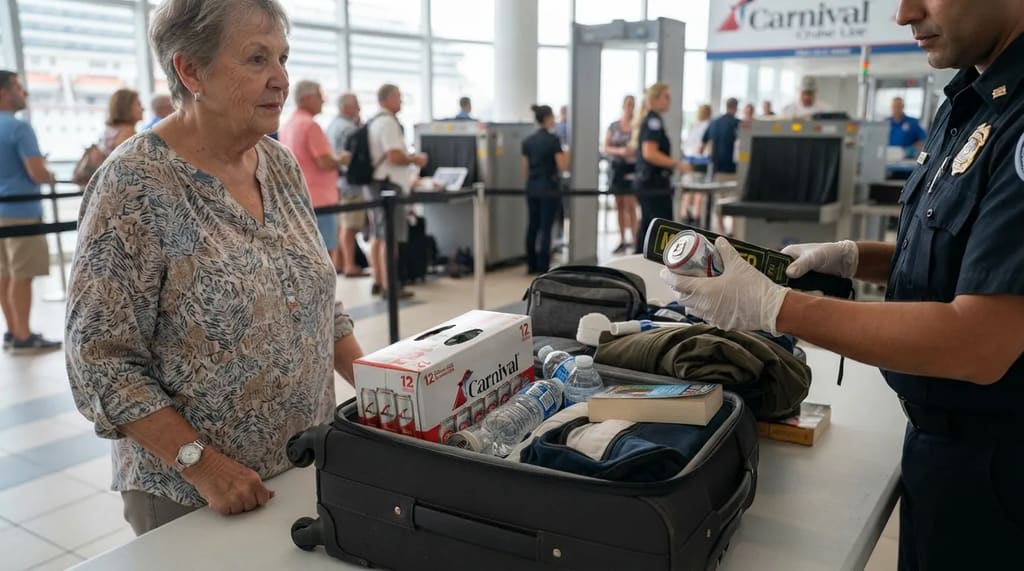
Carnival lets each guest bring up to 12 sealed cans or cartons, 12 ounces or less, and it doesn’t allow glass or plastic bottles. The drinks must be in your carry-on.1
Other lines draw the line in different places:
- Norwegian prohibits bringing water, soda or juice onboard.
- Disney allows sealed cans or bottles of soda in carry-on luggage.
Policies change, so check your line’s current list before you buy a case.
Wine is the one alcoholic drink most lines will carry aboard with you, though the allowance runs from one bottle per adult to two per cabin.
#12 – One Bottle of Wine, Packed by Hand
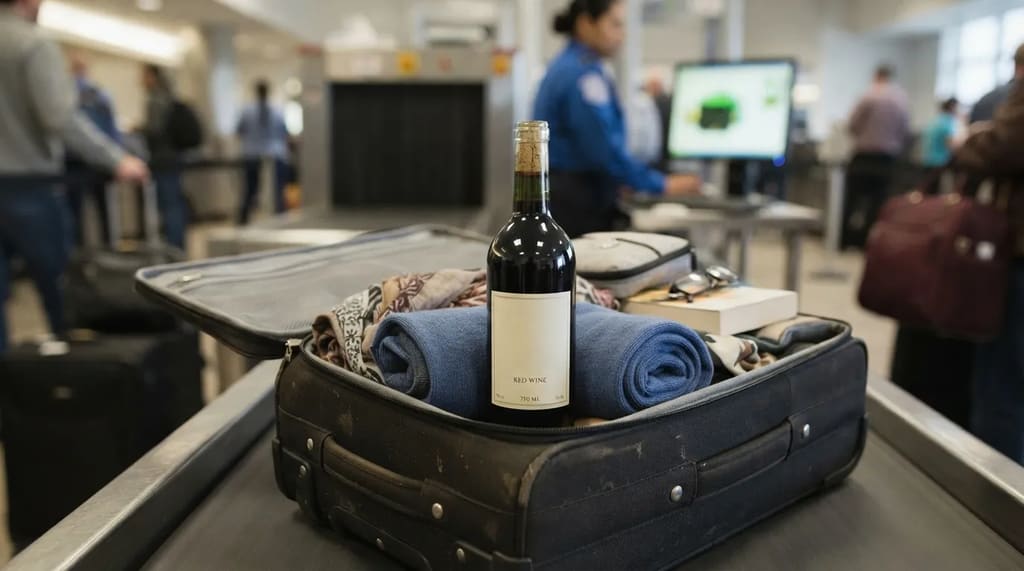
Wine is the only alcohol that gets a pass at embarkation, and only on some lines. The allowance varies widely.
Quick Compare
- Carnival: one sealed 750 ml bottle per guest 21 or older, embarkation day only2
- Royal Caribbean: one bottle per adult
- Celebrity: up to two bottles per stateroom
- MSC: no personal alcoholic beverages
So the rule worth remembering is one sealed 750 ml bottle per adult, packed in your carry-on. Most lines require the wine to be in hand luggage at embarkation, and a bottle in checked luggage will be flagged by the terminal X-ray.
Nothing stronger gets that courtesy, and what happens to it at the gangway depends on the line.
#11 – Why Liquor and Beer Don’t Come Back
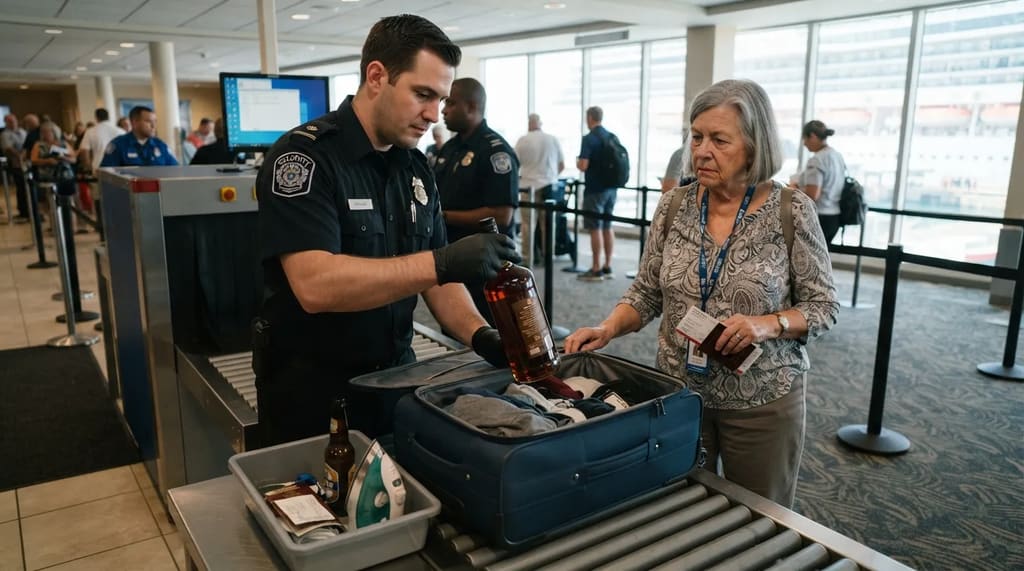
Liquor and beer have no carry-on allowance on the major lines. Carnival prohibits all other alcohol in both carry-on and checked bags and says it will be confiscated and discarded.3
Some lines hold seized alcohol and return it on the last night; others discard it. Royal Caribbean doesn’t allow beer, spirits or fortified wines, and drinks seized on boarding day aren’t returned.
A bottle handed back on the final night is a bottle you carried for nothing, so leave it at home. Lines may also deny boarding if they suspect a guest is bringing excessive alcohol.
Fire risk is the other reason bags get opened, and the item involved is one plenty of travelers pack by habit for pressed shirts.
#10 – The Travel Iron That Never Gets Aboard
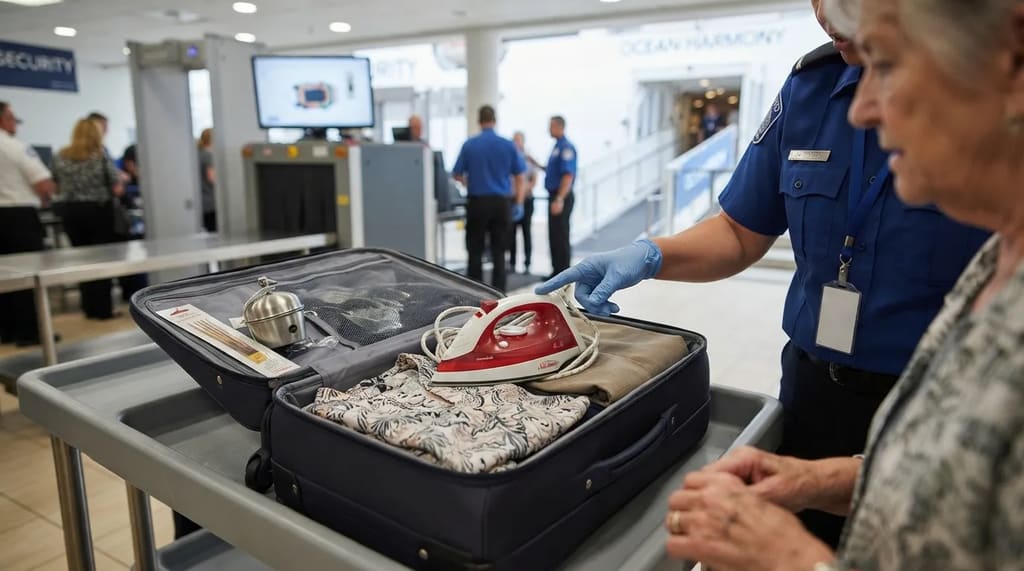
Cabins don’t come with irons, and the one from your closet won’t get aboard. Alcohol, irons and candles are banned on most ships, and so are steamers, incense and drones.4
Candles, incense and anything with an open flame get confiscated. Some lines hold banned items until the end of your sailing.
Skip the iron. Ships provide laundry or pressing services, and hanging clothes in the bathroom during a hot shower relaxes light wrinkles.
Some of the newer entries on ban lists don’t heat up at all; they play music or connect to Wi-Fi.
#9 – Bluetooth Speakers, Routers and Drones
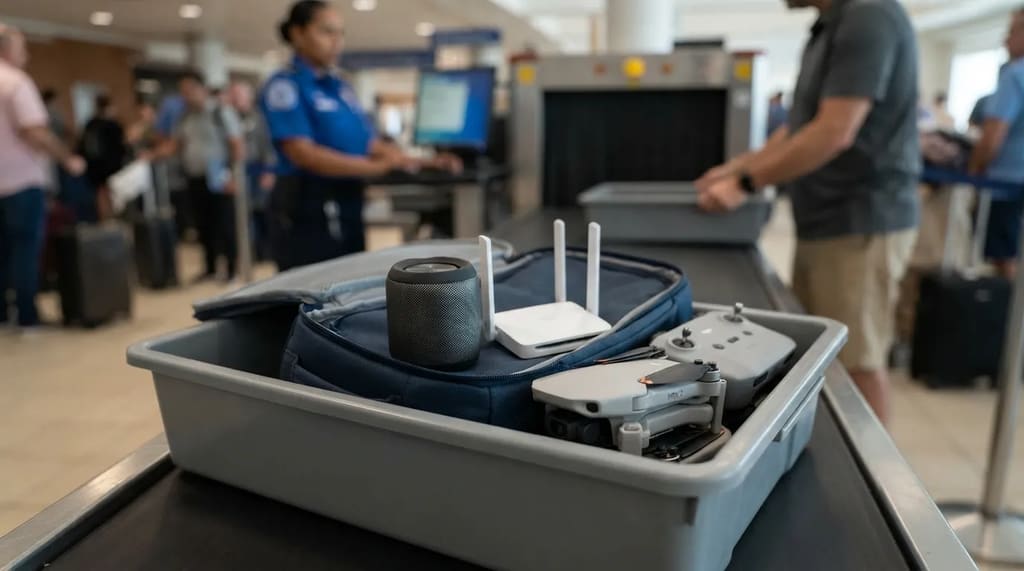
Carnival’s list now names boom boxes, radios and all types of speakers, Bluetooth and portable ones included. Royal Caribbean and Carnival have also added routers, which the lists call internet-related equipment.5
Drones follow the same pattern with a twist. TSA allows drones in the airline cabin, yet most cruise lines list them as not allowed onboard. Many ports also restrict flying them ashore.
If you listen to audiobooks on a small speaker at home, pack earbuds instead. Confiscated items are either discarded or held for return at disembarkation, depending on the item.
#8 – Duct Tape, Aerosols and the Flight Home
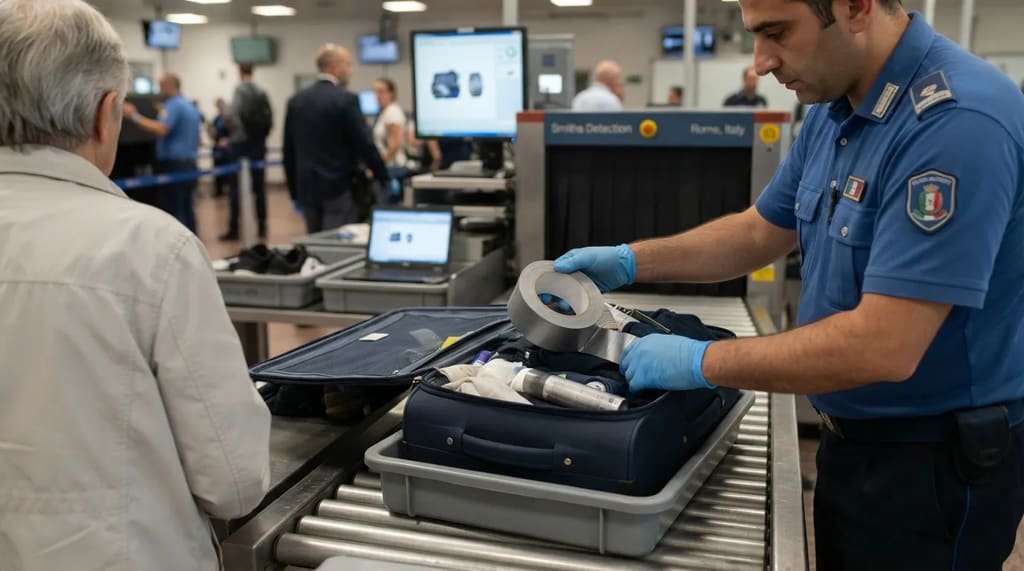
A Cruise Critic writer’s carry-on was flagged at airport security after a sailing from Genoa to Rome, over a roll of duct tape. TSA approves duct tape, but the officer in Rome said it can be used to restrain people, so it isn’t allowed in carry-ons in Italy.
Aerosols follow the same logic. TSA allows travel sizes in hand luggage, but cruise lines have their own restrictions, and Norwegian bans “large aerosol cans” without saying how large.
TSA approval doesn’t carry over to cruise lines or foreign airports.
Worth Knowing
- Three rulebooks apply: TSA, your cruise line and the airport you fly out of.
- Duct tape that clears TSA was still flagged in Rome.
- In many EU countries, sharp objects aren’t allowed in carry-ons.
- The trip home is the place to double-check your bag.
Airport rules shift from country to country, but the next category is barred by a federal rule at every U.S. cruise port.
#7 – Pepper Spray Isn’t Allowed, Even Legally
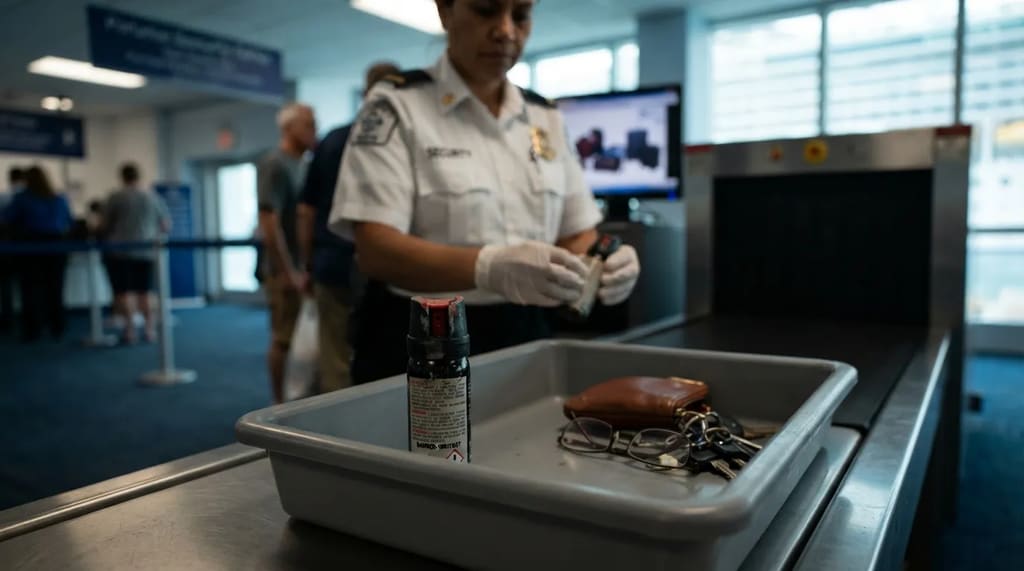
A concealed-carry permit doesn’t get a firearm onto a cruise ship. At Port Everglades, the list that follows 33 CFR 105.515(a) includes firearms, ammunition, stun guns and shocking devices.
Pepper spray, mace and tasers are prohibited even where they’re legal for personal protection at home. Replica weapons and decorative swords are confiscated too, even as non-functional souvenirs.
That includes the souvenir you pick up in a port and carry back aboard.
Home-office gear is a different case, because whether your power strip gets aboard depends on whose ship it is.
#6 – Power Strips and Extension Cords by Line
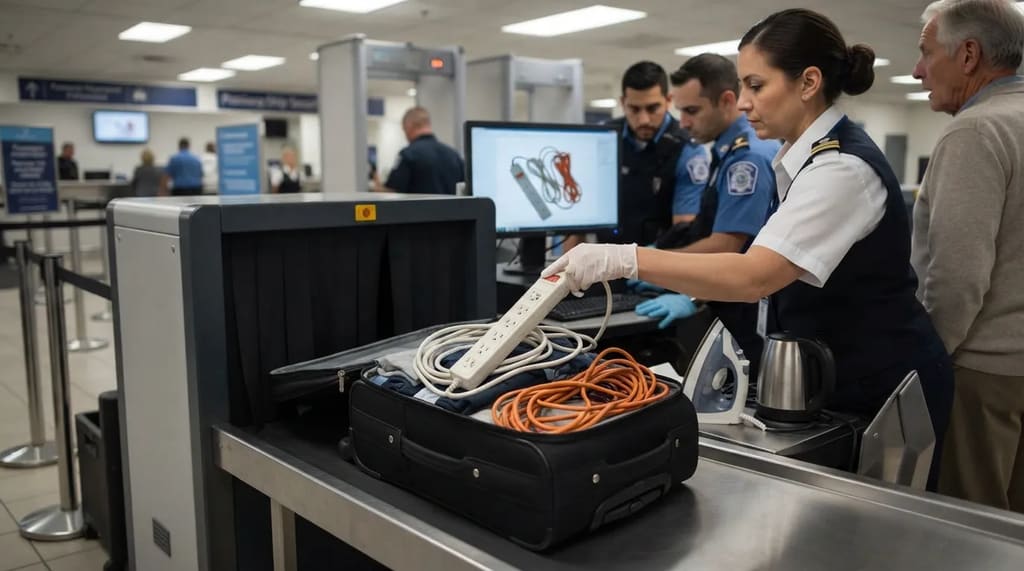
Royal Caribbean bans every power strip and extension cord, though USB-only blocks are fine. That rule has been in place since September 2024.4
Surge-protected strips are banned on most lines and will be confiscated. The worry is daisy-chaining, which can push a circuit well past its rated capacity.
Other lines split the difference:
- Carnival allows cords without surge protection, used with caution.
- Princess allows non-surge ones, subject to inspection.
- Virgin Voyages allows them only if the ship’s electrician approves.
That medical exception matters most to anyone who sleeps with a machine.
#5 – CPAP and Oxygen Gear Are Welcome Aboard
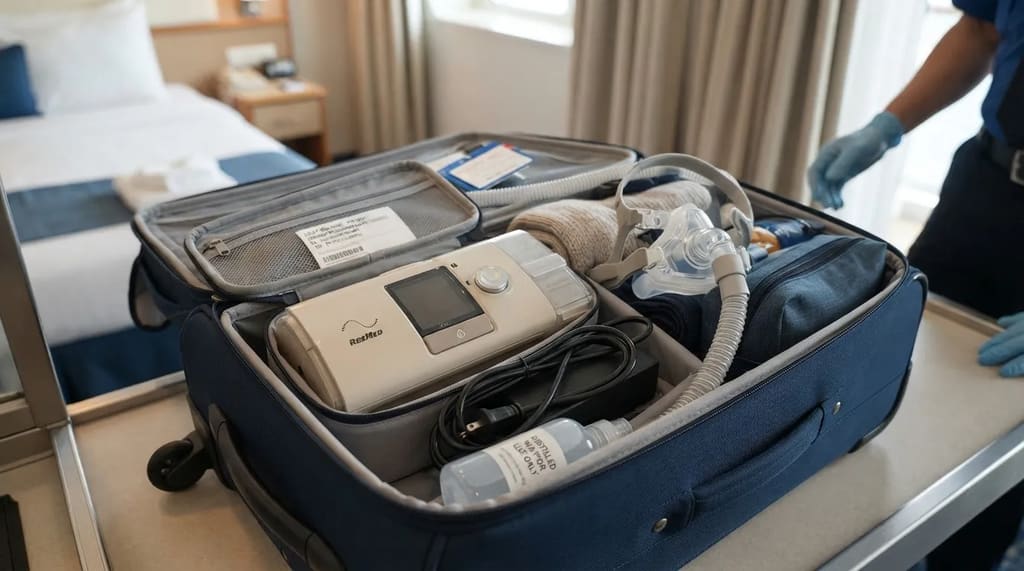
A breathing machine won’t be confiscated. Princess permits CPAP, BiPAP, APAP, nebulizer, oxygen concentrator and ventilator machines onboard, and Carnival allows the same devices.
If you need oxygen, contact the line before sailing. Carry your own supply in your hand luggage at embarkation, along with your oxygen prescription and all required supplies.
The cord question from the last item applies here, since a machine needs an outlet within reach of the bed. Princess lets you request distilled water for a CPAP when you make your reservation.
Medical gear travels in hand luggage, and so does a small cooler, as long as it stays under a specific size.
#4 – A Small Cooler for Refrigerated Medicine
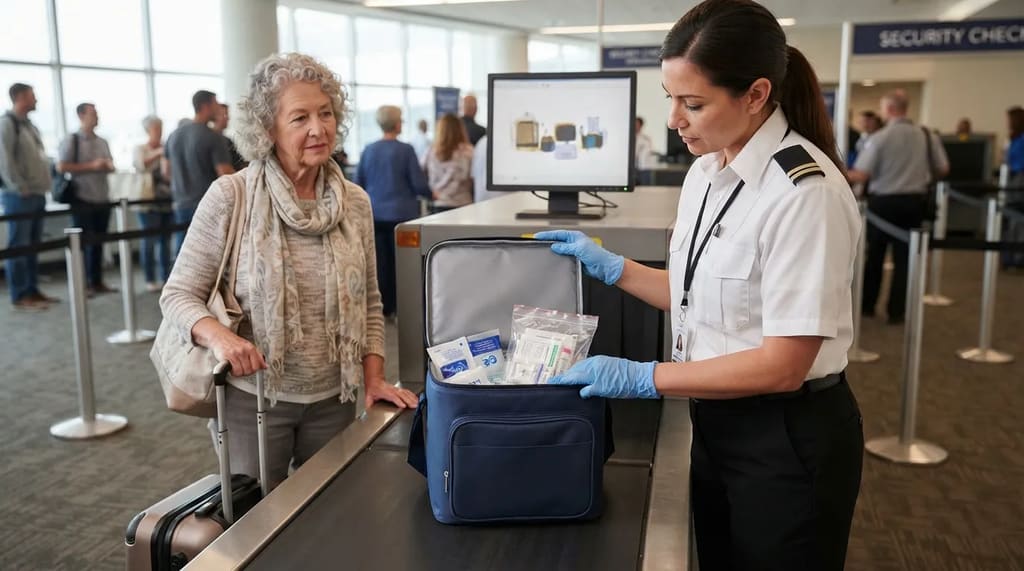
Norwegian says cabin minibars aren’t suitable for temperature-sensitive medicine. Its answer is a small personal cooler, 12 by 12 by 12 inches at most, carried on for medical items.6
The ship’s medical center may provide storage access, but only during clinic hours. That doesn’t help with a dose that’s due late at night.
At a Glance
- Maximum cooler size: 12 x 12 x 12 inches
- Cabin minibar: not suitable for temperature-sensitive medicine
- Medical center storage: clinic hours only
- Before sailing: confirm arrangements with the line’s accessibility department
Measure the cooler before you pack it, since 12 inches is the maximum on every side. If you use injectables, that call is worth making early.
#3 – Pill Organizers Versus the Original Bottles
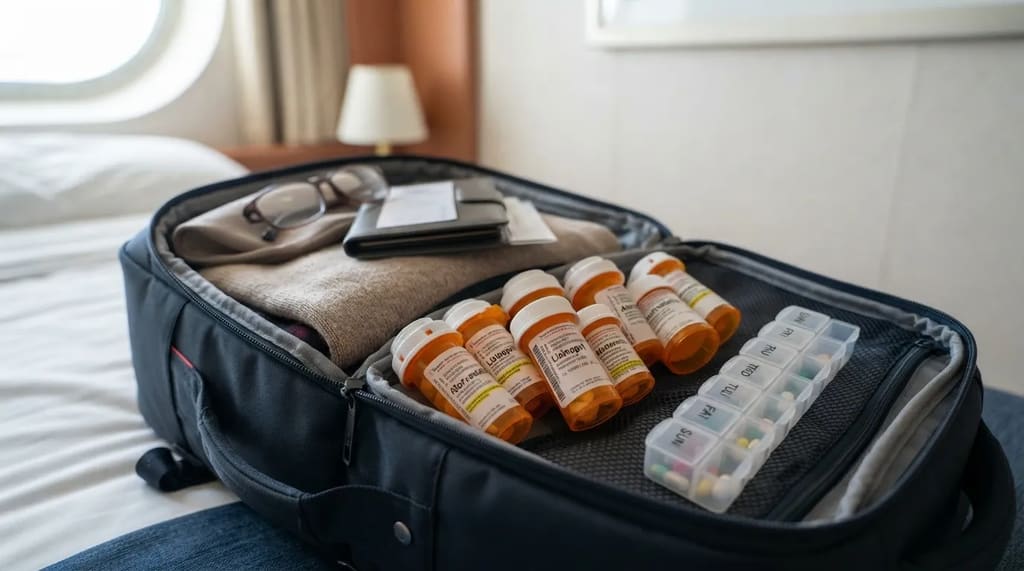
Cruise lines don’t agree on this one. Carnival’s brand ambassador has said you don’t need original bottles, while Norwegian tells guests to carry medications in original containers within hand luggage, and Princess gives the same advice.
Security usually isn’t the issue. Cruise lines generally don’t inspect prescription medications at embarkation, and passengers aren’t routinely asked for prescriptions at security.
Still, bring the original bottles. Keep labeled bottles in the bag and use the organizer in the cabin.
Labeled containers are strongly recommended, especially on international itineraries. Combining several prescriptions in one container is a common mistake that can lead to delays.
Related Stories From Travelbinger

The right container won’t help if the count runs short, and one line suggests a specific cushion of extra days.
#2 – How Many Days of Pills to Pack
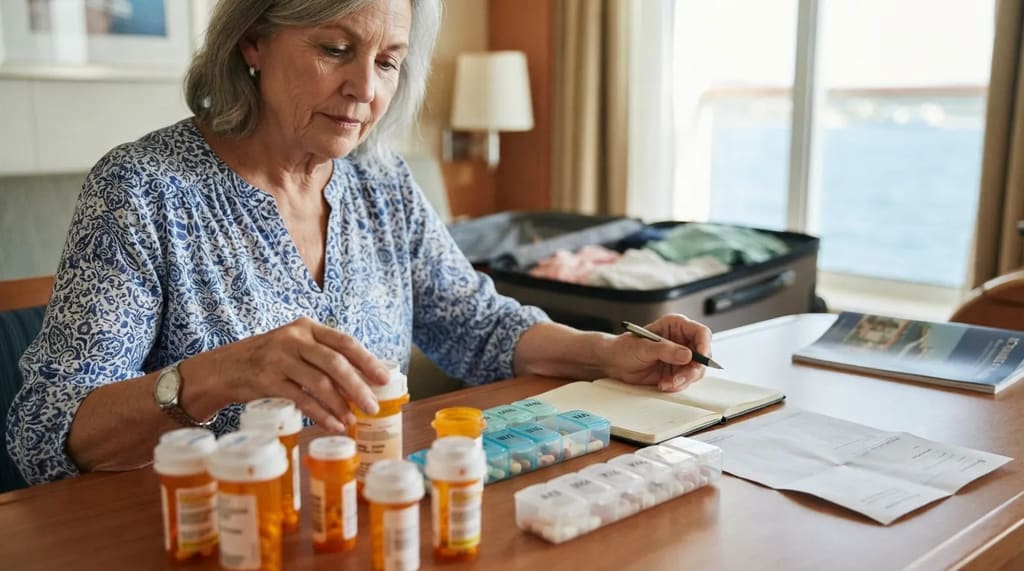
Norwegian tells guests to bring enough medication for the entire voyage, plus 10 extra days6. That cushion covers unexpected delays.
Controlled substances need paperwork. Norwegian says narcotics must be accompanied by a valid prescription6, and Carnival suggests bringing the original prescription label or a letter from your prescribing physician.
Controlled medications are generally allowed when they’re prescribed to you. The paperwork is what makes that easy to show, so tuck it in with the bottles from the last item.
All of that math assumes the medicine rides in the right bag, and that’s where the costliest packing mistake happens.
#1 – Medication in the Suitcase, Not the Carry-On
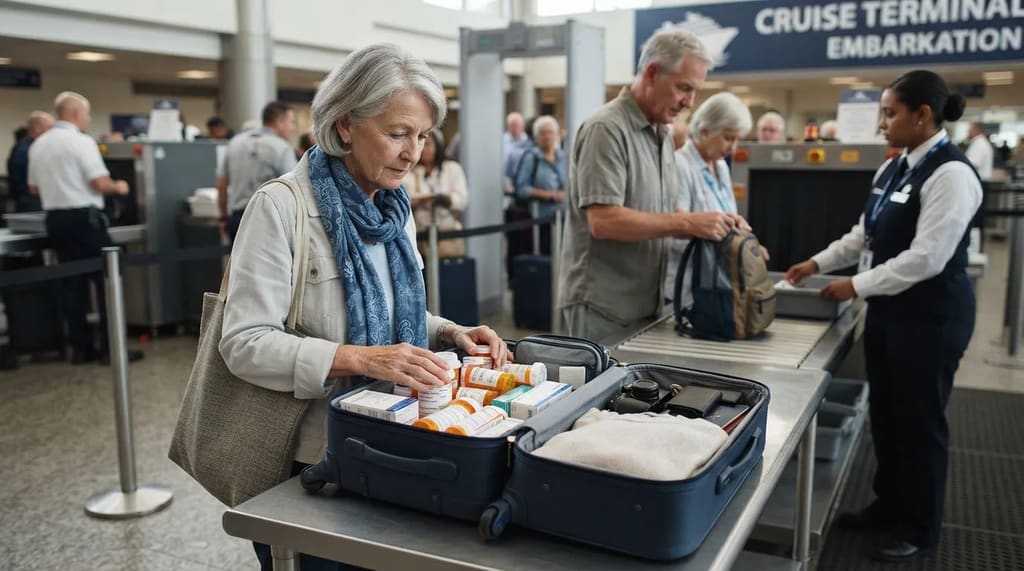
Nothing at the terminal will stop you from putting your pills in the wrong bag, because screeners aren’t looking for them. Cruise lines generally don’t inspect prescription medications at embarkation.
Every medication, prescription and over-the-counter, belongs in your carry-on, not your checked bags. Checked luggage is collected by porters and sent through screening before it’s delivered to your stateroom.
A carry-on protects you if checked luggage is lost or delayed. The ship can’t make up the difference.
A ship’s medical center carries a limited range of medications, doesn’t stock specialty prescriptions and doesn’t refill ongoing ones. Norwegian says the ship’s physician may prescribe an alternative, but exact brands or dosages aren’t guaranteed.6
That’s why the extra days, the cooler and the CPAP all share one rule: they stay in your hands.
So sort your carry-on by how hard each item is to replace, not by category. A confiscated power strip or iron costs you a few dollars and a minute at a side table, while a missing prescription can cost you part of the trip.
The items that cost little to lose are the ones screeners will find. The ones that matter most are the ones nobody at the terminal is looking for, which makes them the easiest to pack carelessly.
Which item in your carry-on would be hardest to replace in a port town, and how do you pack it?
- Carnival Beverage Ban Report: https://www.foxnews.com/travel/carnival-cruise-line-to-ban-carry-on-bottled-beverages
- Carnival Bottle Policy Reaffirmed: https://www.thetravel.com/carnival-cruise-line-officially-reaffirms-no-exceptions-to-bottle-ban/
- Carnival Prohibited Items: https://help.goccl.com/app/answers/detail/a_id/4090/~/carnival-cruise-line-prohibited-items,-exemptions-and-other-considerations
- Royal Caribbean Multi-Plug Ban: https://www.royalcaribbeanblog.com/2024/09/19/royal-caribbean-bans-multi-plug-outlets
- The Points Guy Packing List: https://thepointsguy.com/guide/what-not-to-pack-for-cruise
- NCL Medical Needs: https://www.ncl.com/cruise-preparation/accessibility/medical-needs