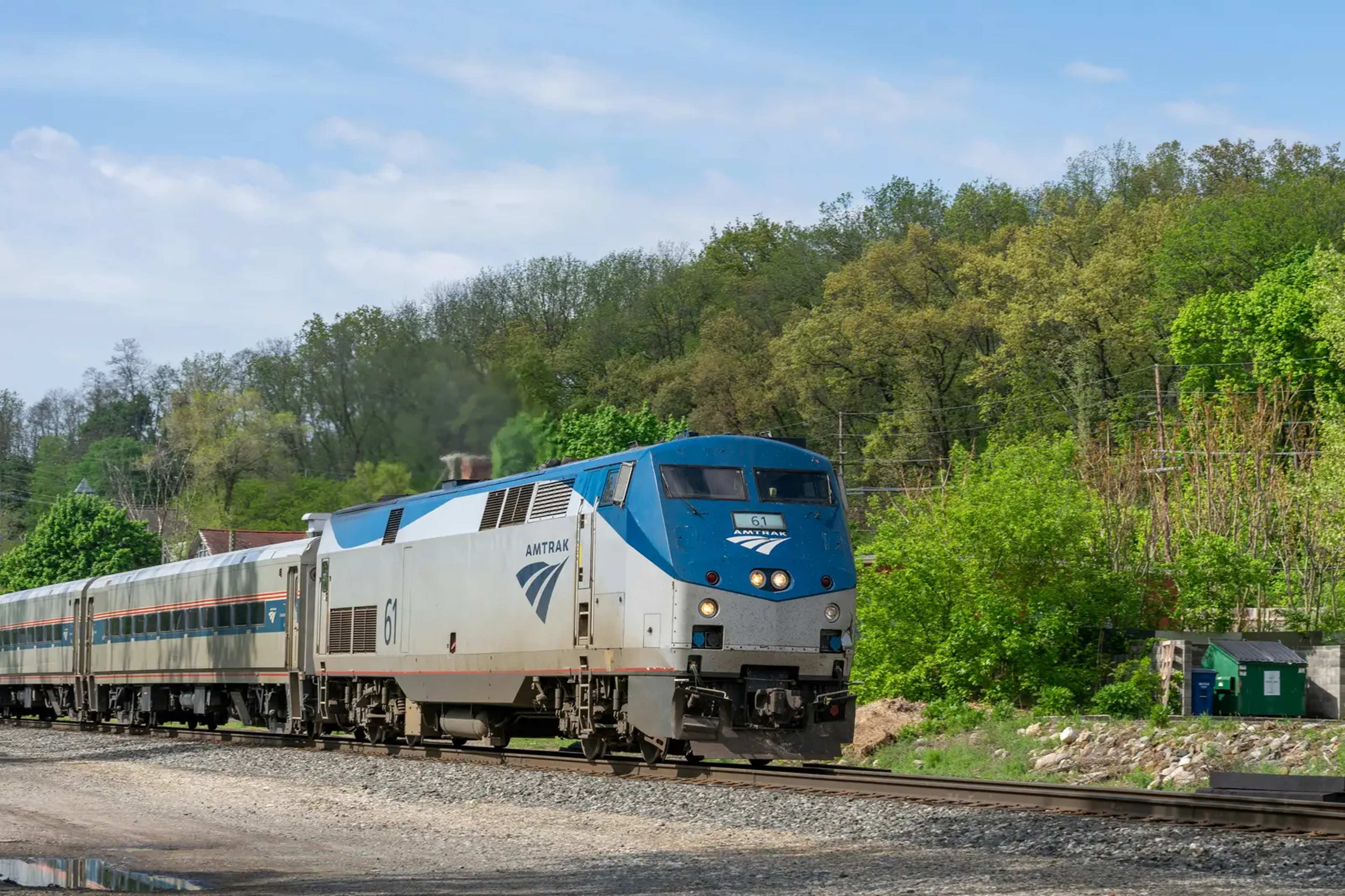
Amtrak trains connect cities across the country, from short Northeast hops to longer cross-country routes. Joining the free Amtrak Guest Rewards program gives riders a straightforward way to earn points on paid tickets and turn those points into future travel savings. Many occasional passengers overlook how the program combines everyday spending with targeted redemptions to stretch travel budgets further.
Building Points on Every Trip
Riders start earning simply by purchasing tickets. The base rate delivers two points for every dollar spent on Amtrak travel, with higher returns available in premium cabins. Business class adds a 25 percent bonus, while Acela first class brings a 50 percent boost. These multipliers apply directly to the fare, so premium tickets generate noticeably more points without extra effort. Additional earning comes from partners outside the rails. Members can buy points in limited annual amounts, sign up for energy plans that credit points on bills, or complete online surveys for small rewards. Even ordering flowers through one partner adds points to an account. These options help infrequent riders accumulate balances without relying solely on train tickets.
Credit Cards That Accelerate Rewards
Two cobranded cards give U.S. residents extra ways to earn. The no-annual-fee version returns two points per dollar on Amtrak purchases and one point elsewhere, plus a rebate on onboard food and drinks. The higher-tier card increases those rates, adds a companion coupon and lounge pass on renewal, and lets card spending convert into tier points that speed elite progress. Both cards carry no foreign transaction fees and keep points alive as long as the account stays open. Frequent riders often find the paid card worthwhile for the upgrade and lounge benefits, while lighter users stick with the free option for the onboard rebate alone.
Elite Tiers That Add Real Perks
Status levels begin at the basic member tier and rise through Select, Select Plus, and Select Executive. Higher tiers require tier qualifying points earned mainly from Amtrak spending, with the Preferred card contributing up to 4,000 points annually. Benefits scale accordingly, including extra upgrade coupons, companion tickets, lounge access, and point bonuses on future travel. Status earned in one year carries through the following calendar year and into February after that. This extended validity gives riders time to plan around the perks without rushing to requalify immediately.
Putting Points to Work on the Rails
Redemptions for actual train tickets usually deliver the strongest value. Points required track closely with cash fares, often producing around two and a half cents per point when used for full awards. Points-and-cash options exist but frequently return less value, so most members reserve them for small balances only. Other redemptions include space-available upgrades, single-visit lounge passes at major stations, and gift cards. Upgrades and lounge access can enhance a paid trip, yet gift cards return lower value per point. Transfers to another member cost a fee and rarely make sense when awards can be booked directly for companions. Amtrak Guest Rewards works best when points flow back into train tickets rather than side redemptions. Occasional riders who combine ticket earnings, card spending, and selective status chasing often find the program quietly reduces the cost of future journeys without requiring constant travel.