I used to pack the usual suspects for long flights: a neck pillow that never quite fit right, noise-canceling headphones, maybe a paperback I’d never finish. None of it really solved the stiffness that crept in somewhere over the Atlantic. Then a friend mentioned something so small and so cheap that I almost dismissed it, and it turned out to be the one thing that actually made a difference in how my body felt after landing.
It’s a plain, ordinary tennis ball. No batteries, no straps, no app. Just a fuzzy yellow sphere that costs a couple of dollars and somehow does more for a cramped body than most of the gadgets marketed specifically for travelers.
Why a Tennis Ball Beats a Bulky Travel Pillow
Space in a carry-on is precious, and most comfort gear takes up more room than it’s worth. A tennis ball, by contrast, is small enough to tuck into a side pocket or a shoe without stealing space from anything else. Tennis balls are not only permitted under TSA regulations but also take up very little space in your carry-on.[1]
That combination of legality and portability is rare. You don’t need to check a policy page or wonder if security will pull it aside for a second look. It just goes in the bag and rides along, ready whenever your back or feet start complaining somewhere over the ocean.
The Foot Roll That Fights Stiffness
Feet take a beating on long-haul flights, especially if you’re wedged into an economy seat for eight or ten hours. While seated on the plane, you can take off your shoes and roll the ball under each foot to relieve tight muscles.[2] It sounds almost too simple, but there’s something satisfying about pressing your arch into the ball while half-watching a movie.
The logic behind it isn’t mysterious either. Rolling the tennis ball under the arch of each foot helps to loosen up the legs in general.[1] After a redeye, that small ritual has become the difference between shuffling off the plane like a zombie and actually walking normally through the terminal.
Rolling Out Back Tension Without Leaving Your Seat
Nobody wants to be the passenger doing yoga poses in a middle seat. The tennis ball solves that problem quietly. One technique is to place a tennis ball between your back and the seat, then roll it up and down the muscles along your spine or around your shoulders, since these areas can really stiffen up during long periods of sitting.[1]
What’s nice is that you can do this without anyone noticing. It just looks like you’re shifting in your seat. Meanwhile, the muscles along your spine are getting a version of the massage you’d normally pay someone for at a hotel spa.
The Two-Ball Sock Trick for Deeper Relief
Once I got comfortable with one ball, I started experimenting with a slightly more involved version that frequent flyers swear by. Bringing two tennis balls, stuffing them in a sock, and placing the sock between your back and the seat above the hips and below the shoulders lets you press into the balls during the flight to break up muscle tension.[3]
It takes a few tries to get the positioning right, but once it clicks, it’s genuinely one of the better in-seat fixes I’ve tried. Another version has you knotting a long sock around two balls and placing it behind your back or neck, with one ball on either side of your spine.[3] That symmetry seems to matter, since pressing evenly on both sides of the spine avoids the lopsided ache a single ball can sometimes leave behind.
Loosening Tight Shoulders and Thighs
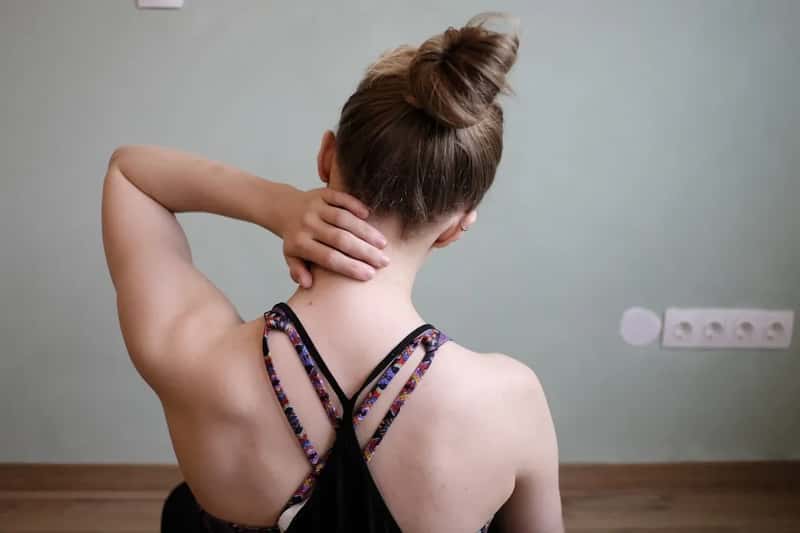
Shoulders tend to creep up toward the ears somewhere around hour three of a flight, especially if you’re gripping an armrest or hunched over a laptop. A tennis ball works here too, just in a slightly different position. It’s great to roll under your feet and even under your thighs to keep you from getting stiff or sore, and it’s small, inexpensive, and easy to replace.[4]
Thighs are an underrated trouble spot on flights, honestly. Sitting for hours compresses muscles you don’t think about until you stand up and everything feels tight. Rolling the ball beneath them for a few minutes before landing tends to take the edge off that stiffness before you’re even off the plane.
A Simple Tool for Circulation, Not a Cure
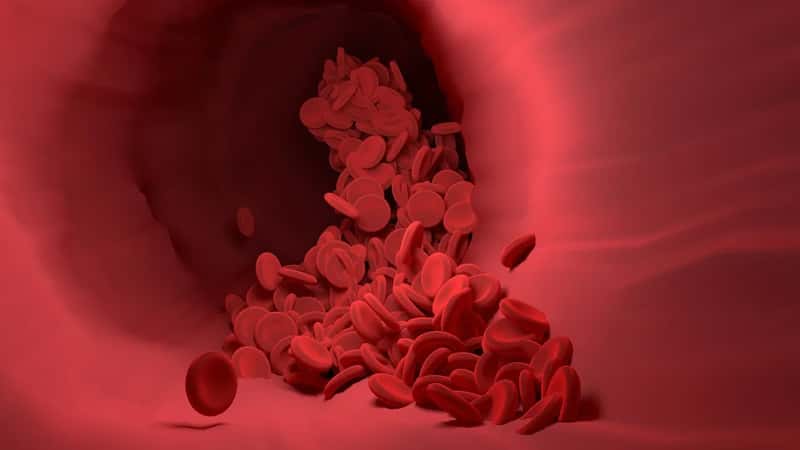
It’s worth being clear about what a tennis ball can and can’t do here. It’s not medical equipment, and it won’t prevent something as serious as deep vein thrombosis on its own. Still, movement matters, and rolling a ball under your feet or against your back keeps blood moving in a way that just sitting still doesn’t.
Feeling achy during or after a flight is often the result of poor circulation from sitting in a confined space, and packing a tennis ball to use for acupressure massage is one often overlooked strategy to address that.[1]
Think of it as one small piece of a bigger picture. Walking the aisle when you can, staying hydrated, and wearing compression socks all still matter. The tennis ball is just an easy add-on that requires zero effort to bring and almost none to use.
Why It Beats Carrying a Massage Gun
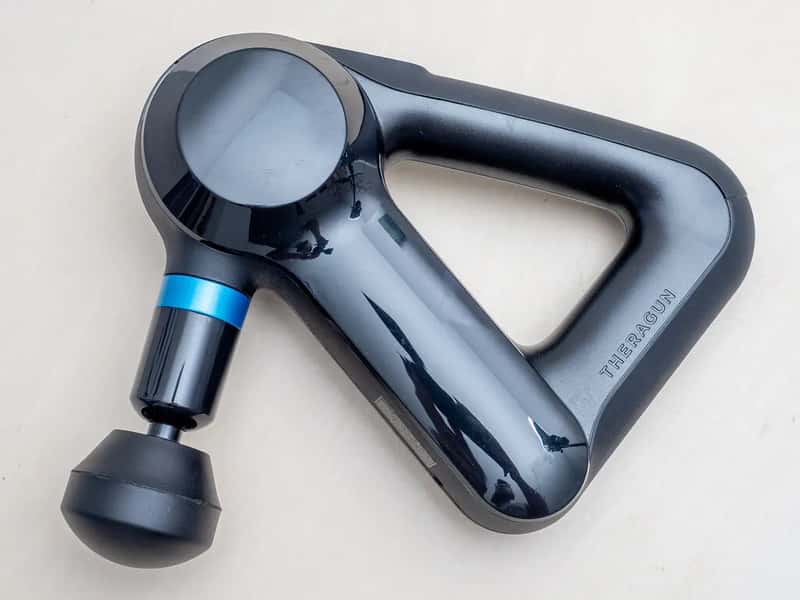
Travelers have gotten creative with recovery gadgets in the last couple of years, and mini massage guns have become a popular carry-on item for some. They work, but they’re heavy, need charging, and can draw odd looks (or questions from security) when pulled out mid-flight. A tennis ball does a smaller version of the same job without any of that baggage.
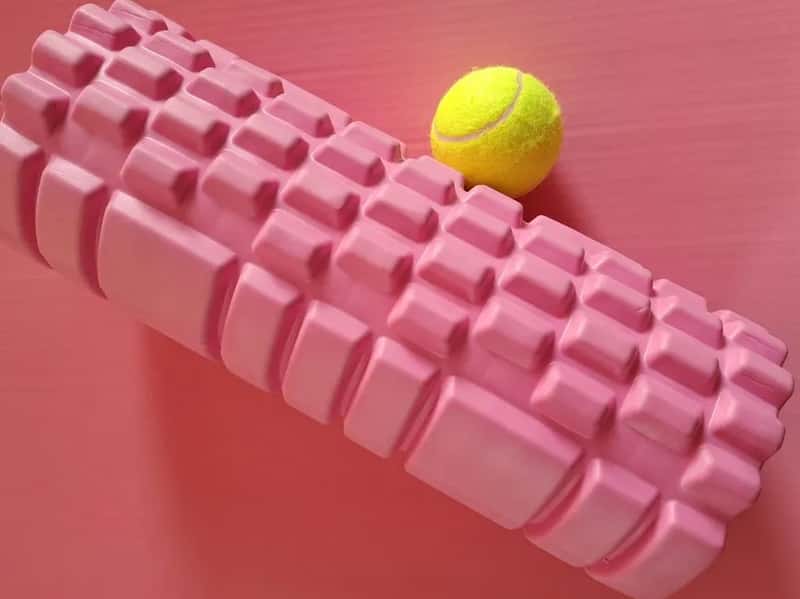
A foam roller offers a larger surface area for recovery, but a tennis ball is lightweight, compact, and much easier to carry when traveling.[5]
There’s also the cost difference, which is almost comical. A decent massage gun can run well over a hundred dollars. A tennis ball costs about what you’d spend on an airport coffee, and it never needs to be plugged in.
Doubling as Cushioning for Fragile Items
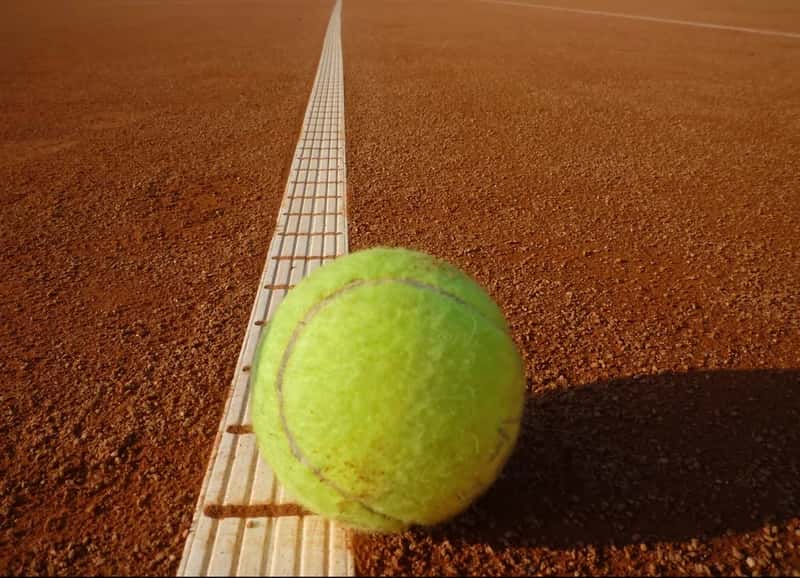
Somewhere along the way, I realized the ball wasn’t just useful for my body. It’s also handy for protecting whatever breakable thing I’ve stuffed into my bag, whether that’s a small souvenir or a pair of sunglasses. Its give and bounce make it a decent buffer against harder edges.
The key is understanding that the tennis ball isn’t meant to be a rigid support, but rather its soft, yielding nature allows it to absorb and dissipate impact forces, acting as a shock absorber for belongings.[6]
It’s not a replacement for proper packing materials, obviously. But when there’s a gap in a bag that needs filling anyway, a tennis ball is a more useful filler than a rolled-up sock.
TSA and Airline Rules Actually Make This Easy
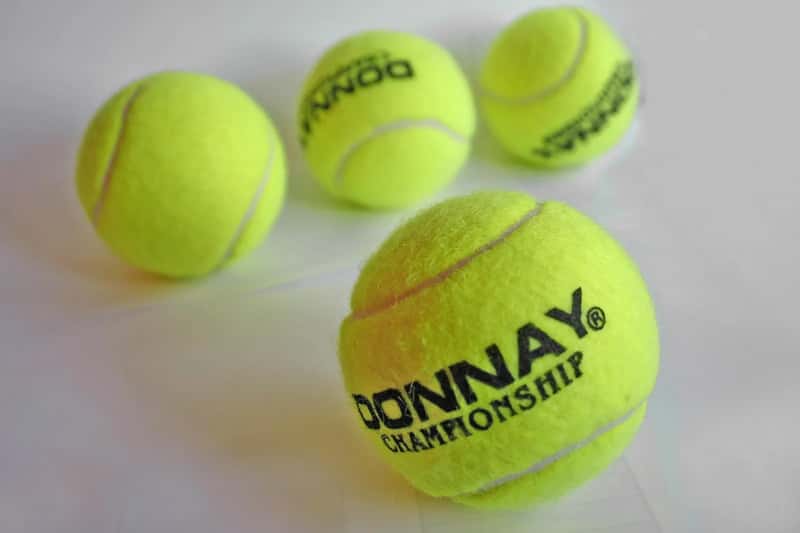
One reason this hack has spread so widely is that there’s no gray area with security rules. You won’t get stopped, questioned, or asked to toss it before boarding. A standard tennis ball is allowed in both carry-on and checked luggage, making it an easy travel accessory to pack.[5]
That simplicity matters more than it sounds. Half the reason people avoid trying new travel gear is the fear that it’ll get flagged or take forever to explain at a checkpoint. A tennis ball avoids all of that friction entirely.
Getting the Most Out of It Without Bothering Your Row
The trick to using a tennis ball well on a plane is subtlety. Nobody wants to watch a stranger contort themselves in a middle seat, and honestly, you don’t need to. The beauty of it is that it works while you’re seated, with no need to squeeze past your row neighbors every twenty minutes.[3]
Small, quiet movements are all it takes. A gentle roll under one foot while reading, a slow press against the lower back while the seatbelt sign is off. It blends into a normal flight instead of turning into a spectacle, which is probably why it’s caught on with so many frequent flyers without anyone really noticing.