There’s a particular kind of certainty that hits you on your first proper morning in Bali, coffee in hand, rice paddies steaming in the early light, a gecko clicking somewhere on the wall. It feels like you’ve found the answer to a question you didn’t even know you were asking. I felt that certainty too. I told friends, family, anyone who’d listen, that this was it, my forever home. Two years later, I was packing boxes and asking myself how I’d gotten it so wrong.
This isn’t a story about hating Bali. It’s a story about what happens when the postcard version of a place collides with the daily reality of actually living there, and how a growing number of long-term residents are quietly reaching the same conclusion I did.
The Honeymoon Phase Was Real, and It Was Intoxicating

For the first few months, everything felt like a discovery. The warungs serving nasi campur for a couple of dollars, the temple ceremonies that seemed to appear out of nowhere on a Tuesday afternoon, the ease of striking up conversation with other expats who’d all landed on the island chasing some version of the same dream. Bali has spent years cultivating that reputation as a place where remote workers, retirees, and wanderers can build a life that feels both adventurous and affordable.
The infrastructure for that lifestyle is genuinely impressive on paper. Bali offers fast internet speeds of 50 to 100 Mbps in most areas, a legal remote worker visa, established coworking infrastructure, and a timezone that overlaps with European and Asian business hours. Coworking spaces in Canggu and Ubud are stacked with laptops, smoothie bowls, and the kind of camaraderie that makes solo relocation feel less lonely. It’s easy to see why so many people, myself included, mistake that initial glow for something permanent.
Then the Traffic Started Eating My Days
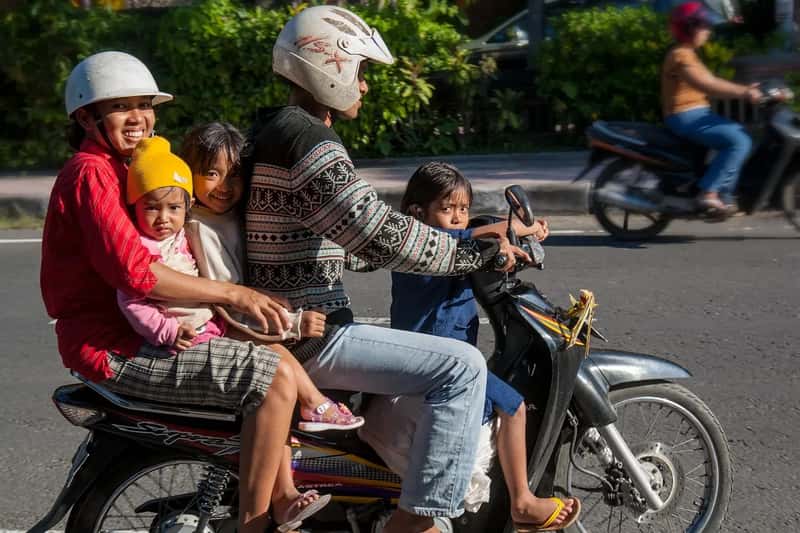
Nobody warns you properly about the traffic. What starts as a mild inconvenience during your first few weeks slowly reveals itself as one of the defining features of daily life in South Bali. Roads that were laid out for small villages decades ago now carry a volume of scooters, cars, and delivery trucks they were never designed for.
The numbers back up what feels like an endless crawl through Canggu at 5pm. The rapid expansion of tourism hot zones like Canggu, Seminyak, and Ubud has led to severe congestion on roads originally designed for small villages, with traffic density in South Bali reaching levels where average speeds during peak hours drop below 20 kilometers per hour. A trip that should take fifteen minutes regularly swallowed forty five, and that erosion of time added up in ways I hadn’t anticipated when I pictured my breezy island life.
The Trash Problem Is Bigger Than Instagram Lets On
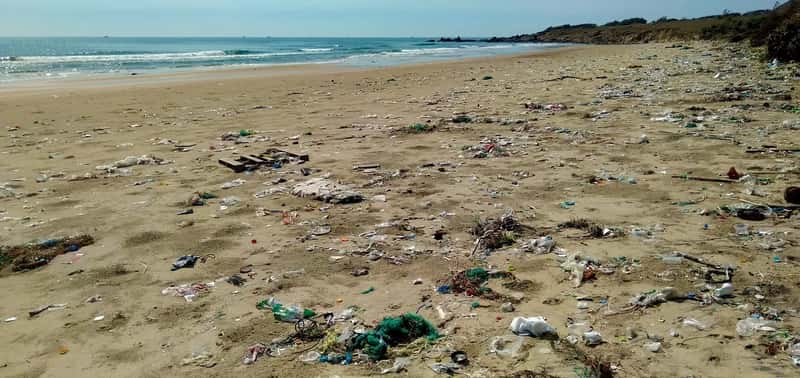
There’s a particular disillusionment that comes from watching a beach you love slowly disappear under garbage during rainy season. It’s not constant, and it’s not every beach, but when it happens, it happens in a way that’s hard to unsee.
The scale of the waste crisis has genuinely worsened in recent years. As of late 2025, the permanent closure of the TPA Suwung landfill, the island’s largest, created a logistical emergency, and without a large-scale replacement, many businesses risk seeing waste pile up in public areas. Beyond the landfill closure, during the rainy season, typically December to March, shifting winds and currents wash tons of plastic debris onto popular west-coast beaches like Kuta and Jimbaran, creating a trash season that damages the island’s image. Living there full time means you don’t get to look away after your two-week holiday photos are taken. You live with it, season after season.
Watching Rent Prices Climb Made My Budget Feel Like a Joke
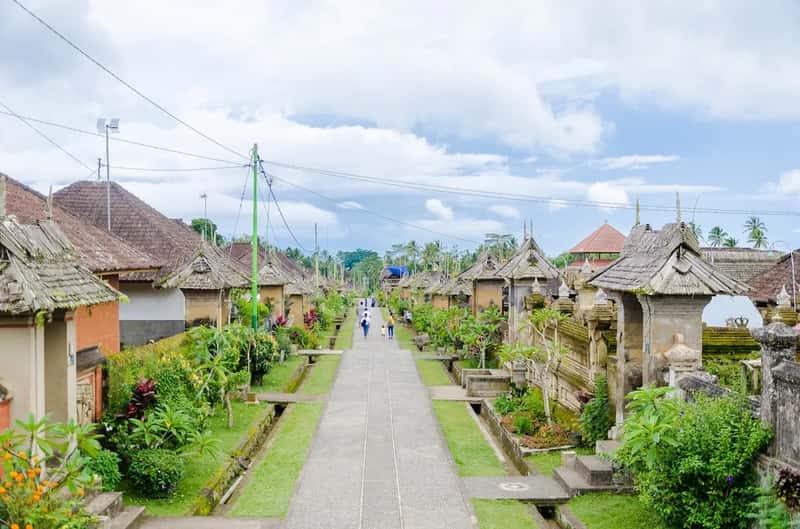
When I first arrived, the affordability of Bali was part of the pitch I gave myself. That math has quietly shifted underneath long-term residents’ feet. The influx of digital nomads and long-stay foreigners has reshaped the rental market in ways that hit locals and expats alike.
Villa prices in the most popular areas have simply outpaced what many people budgeted for when they first moved. The post-pandemic expat surge pushed villa prices up 20 to 40 percent across popular areas, and by 2026 the market has settled into a new normal rather than reverting to the old bargain-basement rates people remember from a decade ago. On top of that, Bali rental contracts are almost always paid upfront in full, one year in advance, sometimes two or three years at a discounted rate, meaning ten to twenty five thousand dollars or more lands in someone’s bank account before you’ve unpacked a single suitcase. That upfront cash demand turned what I thought would be a low-stress lifestyle into a constant financial calculation.
The Visa Situation Turned Into a Part-Time Job of Its Own
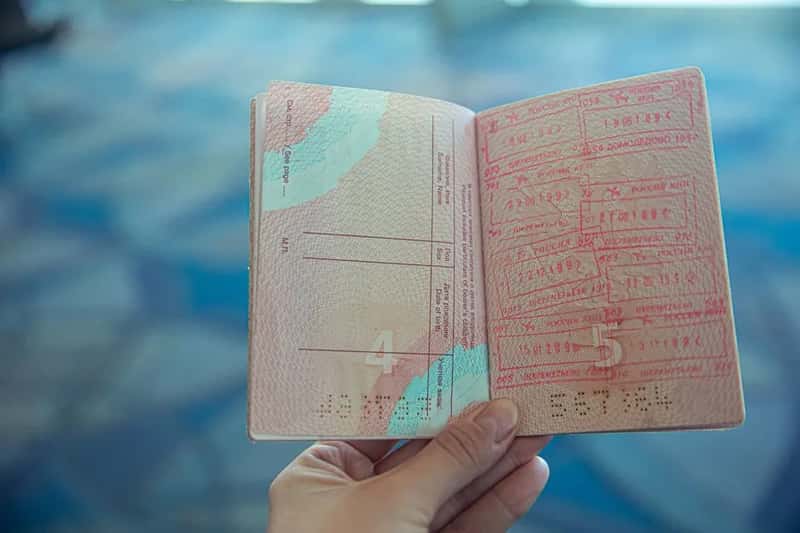
I didn’t move to Bali expecting immigration paperwork to become a recurring source of anxiety, but that’s exactly what happened. Indonesia has never offered the kind of straightforward, multi-year digital nomad visa that countries like Portugal or Spain have rolled out, and the rules that do exist have tightened considerably.
The legal pathway that does exist comes with real limits. The introduction of the Remote Worker Visa, known as E33G, arrived in April 2024, offering a legitimate route for people earning foreign income, but it’s far from the loose, borderless dream some expats imagine when they arrive. Enforcement has also visibly hardened. Immigration enforcement on unauthorized remote work has tightened significantly through 2025 and 2026, and officers at Bali’s Ngurah Rai International Airport have become more attentive to patterns such as repeated back-to-back short-term entries and evidence of business activity that does not match a traveler’s declared visa type. Every visa run, every renewal, every conversation with an agent started to feel less like a formality and more like a test I could fail without warning.
Water Shortages Made Me Question the Sustainability of It All
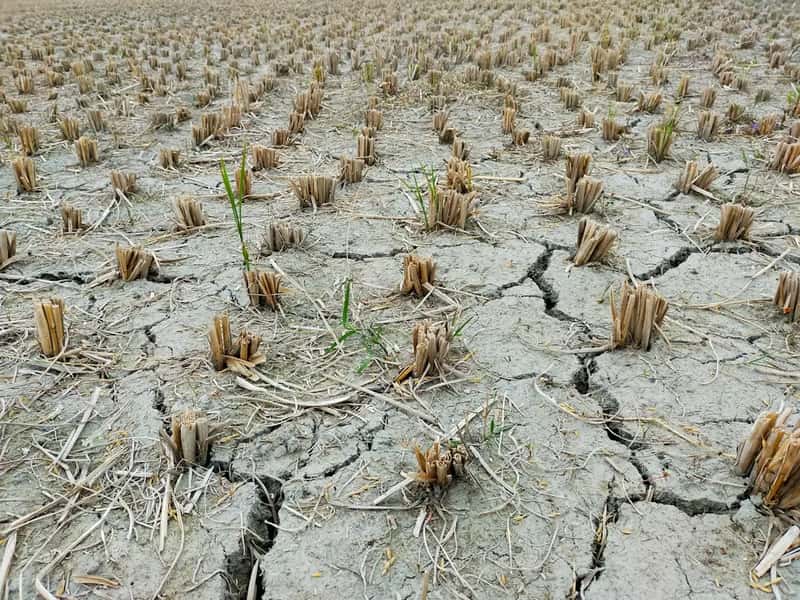
There’s something deeply unsettling about turning on a tap in a tropical paradise and wondering whether there will be water. It happened to me more than once, and it wasn’t a fluke.
The underlying strain on Bali’s freshwater supply is well documented and, frankly, alarming for an island this size. Studies indicate over 65 percent of Bali’s fresh water usage goes to tourism, contributing to water shortages in some areas, and South Bali’s water table has been dropping, with wells running dry in inland communities partly due to heavy demand from coastal tourist zones. Living somewhere with genuine resource anxiety changes the emotional register of daily life. It’s hard to feel settled in a place where the most basic utility feels precarious.
The Tension Between Locals and Long-Term Foreigners Became Impossible to Ignore

The friction I sensed wasn’t imagined or paranoid. It’s a documented and growing dynamic, and living inside it for two years meant I couldn’t just read about it from a distance anymore.
Research into specific overtourism hotspots has captured exactly what I experienced anecdotally. A study focused on Canggu found that residents frequently cited the lack of parking lots and public toilets, trash problems, traffic jams, expensive rent and housing, and disruption of ceremonial activities, leading to many conflicts. Meanwhile the broader property squeeze has a name now among researchers, described as the rise of digital nomads and long-term residents driving up property prices, often pricing locals out of their own neighborhoods, with a growing mismatch between supply and demand in the property market. Being a foreigner benefiting from that mismatch, even unintentionally, started to sit uncomfortably with me.
The Tourism Numbers Told Me I Wasn’t Alone in Feeling the Strain
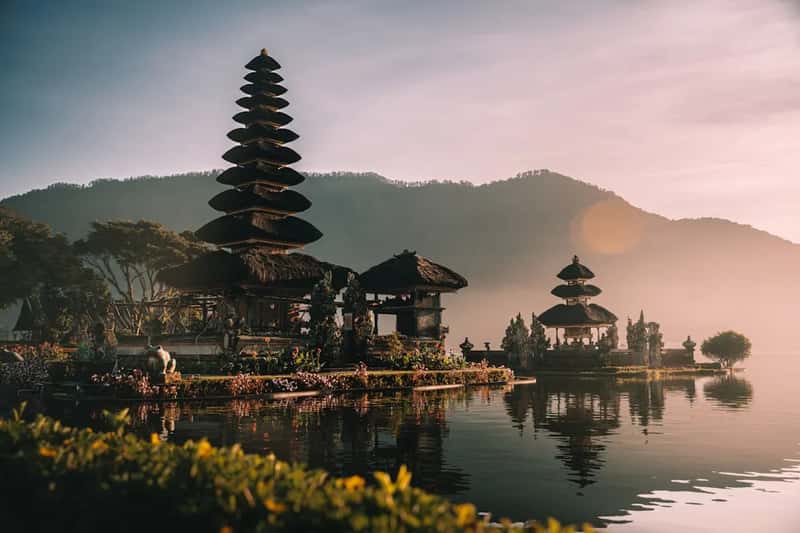
Part of what made my decision easier was realizing this wasn’t just a personal grievance. The island itself is grappling publicly with how much growth it can absorb, and the visitor numbers explain why everything felt so crowded, all the time.
Bali’s popularity has genuinely outpaced its infrastructure. Bali saw 6.33 million international visitors in 2024, surpassing its pre-pandemic peak of 6.28 million in 2019 and representing nearly half of the country’s total 2024 visitors, and provincial officials openly discussed pushing that number even higher. The head of the provincial tourism office set a target in January of 6.5 million visitors in 2025, while also acknowledging that such a feat would exacerbate the challenges of overtourism that the island of population 4.4 million already faces. Living in the middle of that math, rather than reading about it as a headline, is what finally convinced me the crowding wasn’t a phase. It was the new baseline.
Leaving Didn’t Mean Giving Up on Bali Entirely

None of this means Bali is a bad place, or that everyone who moves there is making a mistake. Plenty of people build genuinely happy, sustainable lives on the island, especially those who settle outside the most saturated zones or who arrive with realistic expectations about the trade-offs involved.
What changed for me wasn’t Bali’s beauty, which remains real and worth experiencing. What changed was my understanding of what “forever home” actually requires: dependable infrastructure, a stable legal footing, and a sense that my presence wasn’t quietly making life harder for the people who’d lived there long before digital nomads discovered the place. Some travelers are already voting with their itineraries, with bookings for Bali in 2025 and 2026 already seeing a decline as European and Australian travel companies report a drop in interest from tourists searching for quieter alternatives. I ended up in that same current, just from the inside rather than the outside.
I don’t regret the years I spent there, and I don’t think anyone considering a move should be scared off entirely. Still, if you’re picturing Bali as a permanent escape from complexity, it’s worth knowing that the island comes with its own dense, evolving set of complications, ones that don’t always show up in the photos that convinced you to book the flight in the first place.