For years, Costa Rica sat at the top of my retirement list. Friends who had already made the move raved about the cloud forests, the coffee, and the slower pace of life. Then I actually spent time in Panama, and the numbers, the paperwork, and the daily logistics told a different story than the one I had built up in my head.
What follows isn’t a takedown of Costa Rica, which remains a genuinely lovely country. It’s a look at the specific, practical reasons Panama started pulling ahead once I compared the two side by side.
The Pensionado visa changed my math
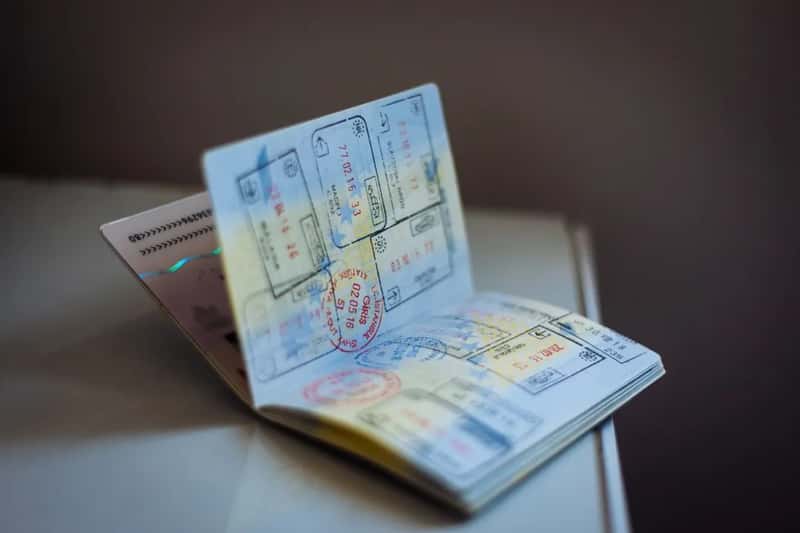
Before visiting either country, I assumed retirement visas were roughly interchangeable across Central America. That assumption fell apart once I looked closely at Panama’s Pensionado program. The standard income threshold is US$1,000 per month for a single applicant, from a guaranteed lifetime pension, and this drops to US$750 per month if you own qualifying Panamanian real estate.
Couples get a similarly manageable bar. For couples applying together, the threshold is US$1,250 per month, and each additional dependent adds US$250 per month to the required income. Social Security counts too, which matters for anyone whose retirement income is mostly a monthly government check rather than a private pension. There is also no minimum age requirement for the Pensionado, unlike retirement visas in countries such as Thailand or the Philippines.
A permanent residency that doesn’t wait
What actually surprised me was the structure of the approval itself. The key distinction from most retirement visas is that approval means permanent residency immediately, with no provisional status, no two year renewal requirement, and no upgrade process, so you file, get approved, and receive a permanent cédula. Costa Rica’s own retiree program is respectable, but it doesn’t offer that same immediate, no strings permanence.
There is a catch worth knowing about before anyone gets too excited. That residency does not expire as long as you continue meeting the income requirement and do not spend more than two consecutive years outside Panama. A local immigration attorney is mandatory rather than optional, and budgeting $1,000 to $3,000 for legal fees is a realistic starting point depending on the firm.
The cost of living gap is real

I went into this expecting Costa Rica to be the cheaper option, since it’s often marketed that way to first time expats. The actual budgets told a different story. Costa Rica tends to be the most expensive of the region’s retirement destinations, requiring roughly $2,500 to $3,500 a month, while offering the most established expat infrastructure and services.
Panama, meanwhile, kept coming in lower across multiple independent comparisons. Panama offers a lower cost of living and significant retiree perks, with couples able to live well on $2,400 a month and luxury lifestyles achievable for $2,900. Even outside the capital, a single person can live on $1,200 to $1,500 per month, or a couple on $1,500 to $2,000 per month, in some areas of Panama. Costa Rica still has cheaper pockets, particularly inland, but the gap between the two countries isn’t as wide in Costa Rica’s favor as the old travel blogs suggested.
Healthcare without the sticker shock

Both countries get praised for healthcare, and both deserve it, just for different reasons. Costa Rica’s public CAJA system is genuinely excellent and widely admired across the region. Panama’s private hospitals, especially in the capital, compete on quality while charging a fraction of American prices, and that combination is what tipped things for me personally.
One comparison stuck with me more than any brochure. Panama’s healthcare system rivals the US in quality without the price tag, and a hospital stay that might cost $30,000 in Miami could run about $3,200 in Panama, including CT scans and medication. On the ground, routine care is even cheaper. Walk in doctor consultations cost $34 with no appointment necessary, compared to $200 to $400 for a typical US urgent care visit.
Living in dollars, not guessing at exchange rates

This is a small thing that turned out to matter a lot once I actually thought it through. Panama uses the US dollar as its official currency, so there’s no mental math, no watching a colón to dollar chart, and no currency risk eating into a fixed retirement income over time. Costa Rica’s colón, by contrast, floats and has to be tracked.
Currency stability favors Panama since it uses the U.S. dollar, while Costa Rica’s colón has floated between roughly 535 and 690 per dollar over the past decade, meaning mild currency risk is a genuine factor. For anyone living on a fixed pension, that kind of predictability is not a minor convenience. It’s the difference between knowing exactly what your money is worth next year and hoping it holds steady.
Panama City’s skyline versus Costa Rica’s central valley
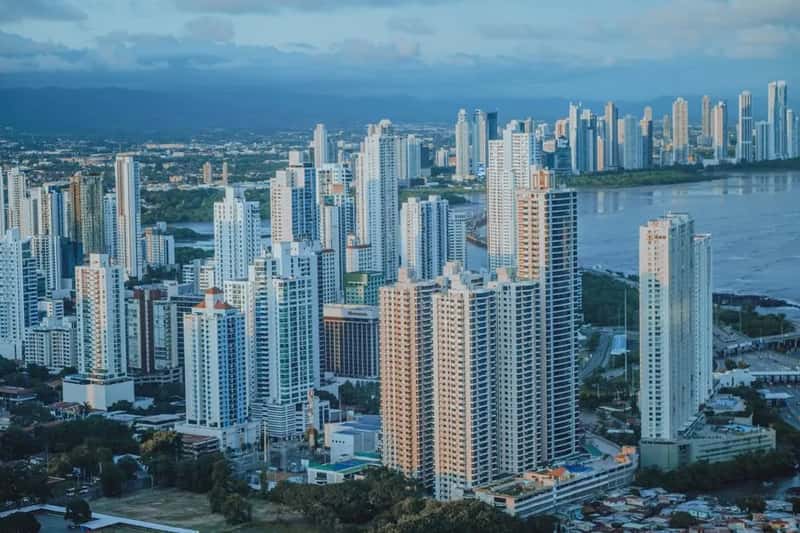
Visually, these two capitals could not feel more different. Panama City has a genuine modern skyline, a metro system, and an international airport that functions as a regional hub. The city boasts a reliable metro system and high speed internet, which appeals to those who prefer an urban setting.
San José, Costa Rica’s capital, has its own charm but leans more toward the Central Valley’s small city rhythm than big city infrastructure. Panama has top notch internet, uses the US dollar, and is home to one of the world’s most stable international banking centers, known as the Hub of the Americas thanks to its award winning international airport. If connectivity and modern services matter to your daily routine, that difference shows up fast once you’re actually living there rather than just visiting.
Boquete’s quiet pull
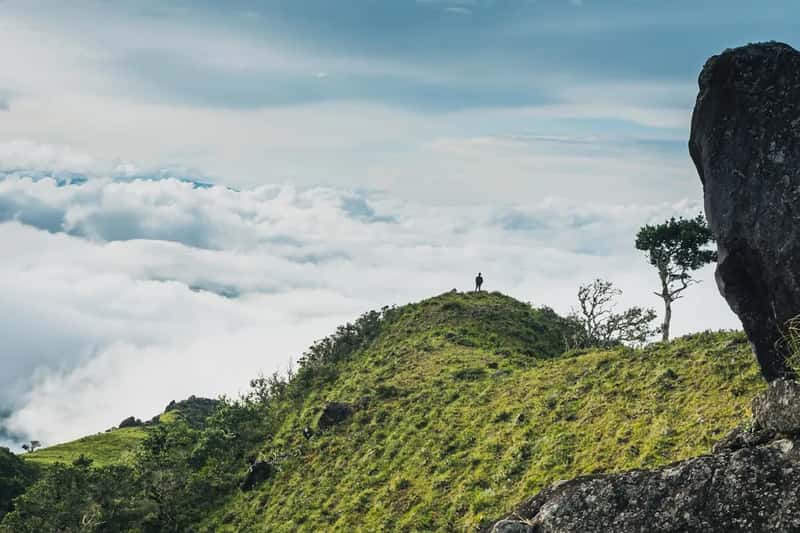
Panama’s highland town of Boquete kept coming up in conversation with other retirees, and once I visited I understood why. The town sits in the highlands of Chiriquí with a mild, spring like climate most of the year, noticeably cooler and less humid than the coast, which often means lower utility costs since air conditioning isn’t a constant necessity.
It’s not a secret anymore, and prices reflect that. Ten years ago, Boquete was a sleepy little town where retirees came for the climate and cheap real estate, but today low prices are a lot harder to find, and it’s priced accordingly as a top retirement destination. Even so, Boquete ranks as a top destination due to its pleasant climate, safety, and welcoming, active English speaking expat community in more than one independent retirement index.
The tax picture

Taxes rarely make for exciting reading, but they matter enormously once you’re actually retired and living on fixed income. Panama’s approach is straightforward and retiree friendly. Panama has a territorial tax system, meaning foreign pension and retirement income are not taxed locally.
Property taxes reinforce the point. Property taxes are low, as little as 0.5% for most non luxury homes, and sales tax is just 7% on most non essential goods. Costa Rica also uses a territorial system for foreign income, so neither country will tax your overseas pension, but Panama additionally allows a one time duty free import of household goods up to $10,000, which is a nice bonus most people never think to ask about until moving day arrives.
Where Costa Rica still wins
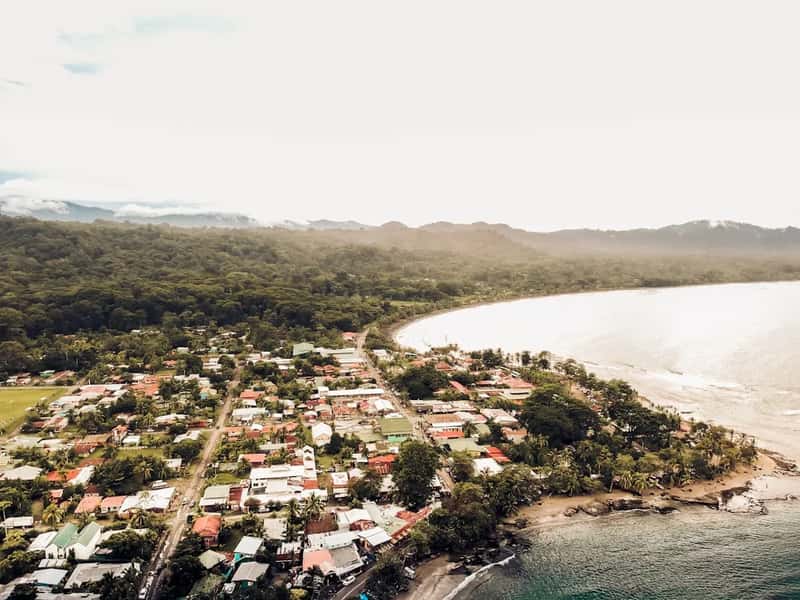
None of this means Costa Rica should be crossed off anyone’s list. Its strengths are real and specific rather than sentimental. Costa Rica wins on healthcare through its excellent public CAJA system, and it remains the nature lover’s paradise of the two countries.
Costa Rica is home to nearly 5% of the world’s biodiversity, despite occupying only a small fraction of the Earth’s surface, which is a genuinely remarkable statistic for a country its size. Expat communities in towns like Atenas and Grecia are long established and famously welcoming, and if warm social integration matters more to you than shaving a few hundred dollars off your monthly budget, Costa Rica still has a strong case to make.
Final thoughts

Neither country is objectively the winner here, and anyone telling you otherwise is oversimplifying a genuinely personal decision. What changed for me was realizing that Panama’s combination of a dollarized economy, an immediate permanent residency visa, and hospital grade healthcare at a fraction of US prices addressed the specific worries that kept nagging at me about retiring abroad.
Costa Rica still has the rainforests, the biodiversity, and a public health system that genuinely earns its reputation. If your priority list looks different from mine, that list might still point you south to Costa Rica rather than north to Panama, and there’s nothing wrong with that. For me, the visit to Panama simply answered questions Costa Rica’s brochures never quite got around to addressing.