Imagine checking into a hotel and being handed a small card that says, simply, “Please remain silent in all shared spaces.” No small talk at breakfast. No chatting by the pool. No loudly narrating your vacation to anyone within earshot. Your phone, your voice, your social reflex – all of it, voluntarily surrendered.
That’s the world of hushpitality. It’s strange, a little confronting, and honestly? More powerful than I expected. Here’s what really happens when you spend several days in a place where the loudest thing around you is a howler monkey in the cloud forest. Let’s dive in.
What Exactly Is ‘Hushpitality’ – And Why Is It Suddenly Everywhere?
Coined by industry leaders like Hilton and Expedia, hushpitality marks a move away from overstimulation and “performative” luxury toward a state of intentional silence. It’s not just a gimmick. It’s a full design philosophy built around the idea that what modern travelers actually crave isn’t activity or entertainment – it’s the absence of noise.
Hushpitality is the practice of designing travel experiences where silence is the primary amenity. It’s a sensory reset for a world exhausted by “always-on” connectivity and urban noise pollution. Think of it less like a spa weekend and more like hitting a factory reset button on your entire nervous system.
According to Hilton’s global research, respondents’ number one motivation to travel for leisure in 2026 is “to rest and recharge,” cited by more than half of travelers surveyed. That’s a staggering shift. We’ve gone from Instagram-perfect itineraries packed with activities to genuinely just wanting to sit still and hear nothing.
Costa Rica as the Perfect Backdrop for Silence
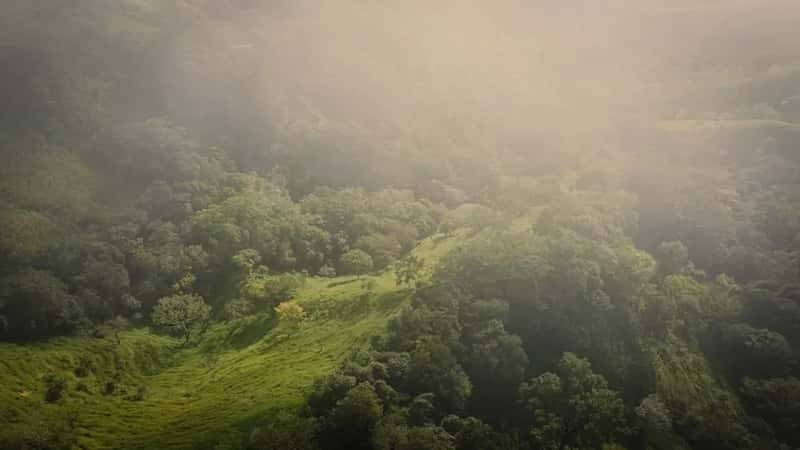
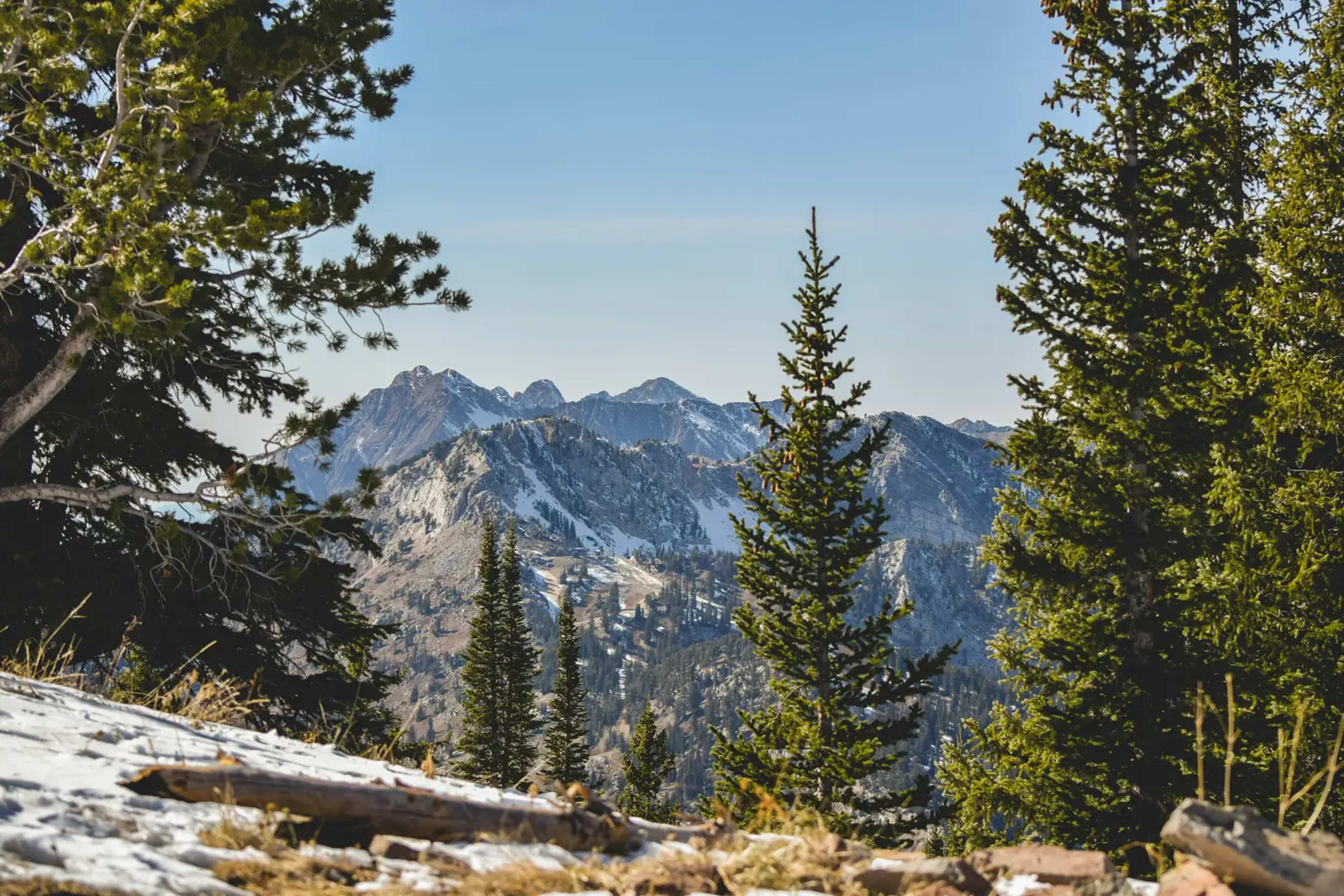
There’s a reason Costa Rica keeps showing up in wellness travel conversations. Deep in a 500-acre Costa Rican cloud forest, the eco-friendly El Silencio Lodge and Spa holds hot tubs, waterfalls and remote cabins where the silence is punctuated only by rustling trees and bird calls. The country itself does the heavy lifting. Nature here is so loud – in the best possible way – that human noise feels almost rude by comparison.
El Silencio Lodge and Spa, a distinguished member of Relais and Châteaux in Costa Rica, is a captivating gateway to the ethereal beauty of the mystical cloud forest. Nestled within a 500-acre nature reserve that cascades down the slopes of Poás Volcano, verdant canopies and roaring waterfalls set the stage for the authentic, heartfelt experiences that are the initial stage to a transformative journey.
El Silencio is committed to environmental protection, holding a Level 5 certificate of sustainable tourism – the highest available – from the Costa Rican Tourism Board. It’s a place that has built its entire identity around quiet. Not just as a brand exercise, but as a genuine conservation and wellness ethic. Honestly, that commitment makes the silence feel earned rather than performative.
The Moment You Arrive: Navigating a World Without Words
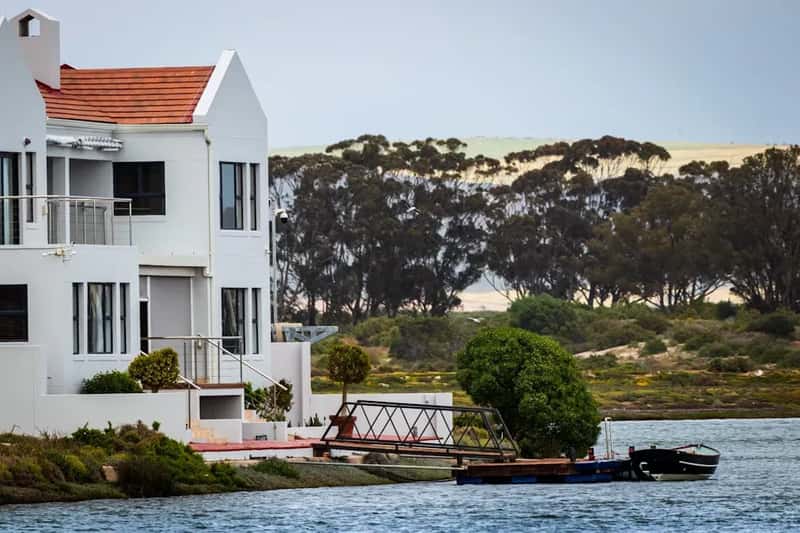
Let’s be real – the first hour is deeply uncomfortable. You pull up to the lodge, someone takes your bags, and you suddenly don’t know what to do with your hands or your mouth. The usual social scripts evaporate. You smile a lot. You point. You nod more than you have in years.
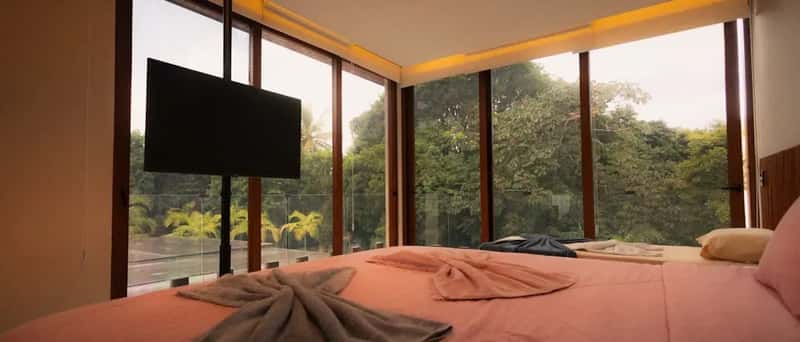
You won’t find TVs at El Silencio – the reason might be in the hotel’s name – this is a place for reflection and getting away from it all. Removing screens alongside speech creates something genuinely unusual: a total absence of the background hum we’ve accepted as normal. It feels uncomfortable, then oddly spacious.
The suites and two-bedroom villas are all built and designed with intimacy, privacy and tranquility in mind. That intentional architecture matters more than you’d expect. When the physical space encourages stillness, the silence stops feeling like a rule and starts feeling like a natural state.
The Science Behind Why This Actually Works
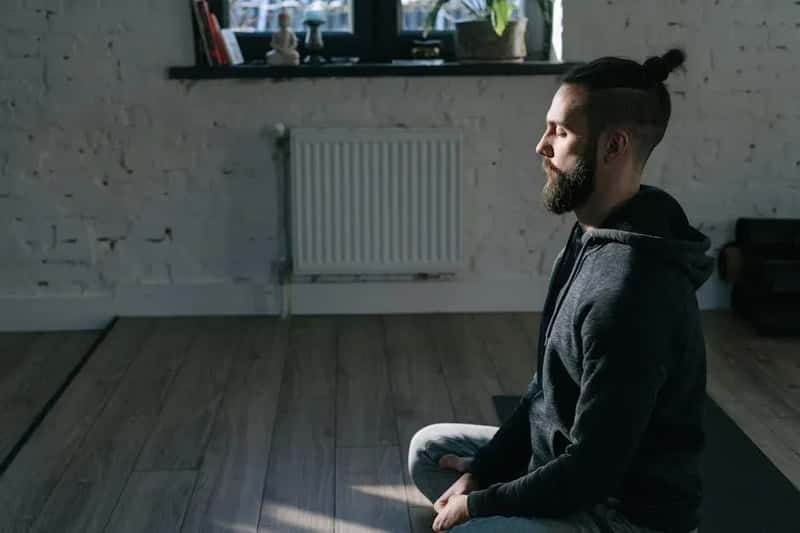
Here’s the thing – this isn’t just a wellness fad built on vibes. The data behind silence and its effect on our biology is surprisingly solid. Research has found that hair cortisol, perceived stress, and anxiety significantly reduced after mindfulness intervention compared to control groups, showing the effectiveness of mindfulness programs on both mental health psychometric measures and long-term stress biomarkers.
A systematic review and meta-analysis on cortisol as measured in blood, saliva, or hair found that stress management interventions outperformed pooled control conditions with a measurable positive effect size. Silence, it turns out, isn’t passive. It’s an active physiological intervention. Your body responds to the absence of stimulation the same way it responds to a genuine rest.
Environmental noise is one of the leading environmental risks for physical and mental health and well-being, contributing significantly to the burden of disease in the WHO European Region. So when you step away from that noise entirely – and stay away for several days – you’re not just relaxing. You’re reversing a slow, cumulative form of damage.
What Noise Is Actually Doing to Your Body

Most people have no idea how much ambient noise is costing them. The research is frankly alarming. The WHO reported a loss of more than 1.6 million healthy life years annually due to environmental noise exposure in Western European countries alone. That’s a staggering number. And most of us are absorbing that noise constantly, every day, without ever logging it as a health risk.
Noise can cause elevated blood pressure and a range of cardiovascular-related diseases by activating the hypothalamic–pituitary–adrenal axis and sympathetic nervous system, or by causing elevated stress hormones such as cortisol and catecholamines through sleep deprivation, leading to vascular endothelial damage. Your morning commute, your open-plan office, your neighbor’s music – it all adds up in ways you can actually measure in your bloodwork.
Detrimental effects of noise can also play a prominent role in the onset and progression of many aspects of mental health, like anxiety and depression. Spending days in genuine quiet, surrounded by nothing louder than a waterfall, starts to feel less like a luxury and more like a genuine prescription.
The Meals: Communicating Without Words Over a Three-Course Dinner

Food was, unexpectedly, one of the most interesting parts of the whole experience. The Las Ventanas Restaurant at El Silencio puts a modern spin on traditional Costa Rican dishes. It uses entirely local ingredients to ensure freshness and aid the local economy. Most vegetables are grown on the property at the hotel’s own greenhouse.
Eating in silence sharpens everything. Without conversation to fill space, you suddenly notice flavors with an intensity that feels almost unfair to ordinary meals back home. The coffee is rich. The yuca is earthy. You eat more slowly because nothing is competing for your attention. I think this might be the most mindful I’ve ever been at a dinner table.
The on-site restaurant serves local dishes with fresh ingredients, and the property maintains a private vegetable garden which supplies most of the organic herbs and vegetables. There’s something grounding about eating food that literally grew fifty meters away from where you’re sitting – made even more vivid when you’re fully present to taste it.
Who This Kind of Travel Is Actually For
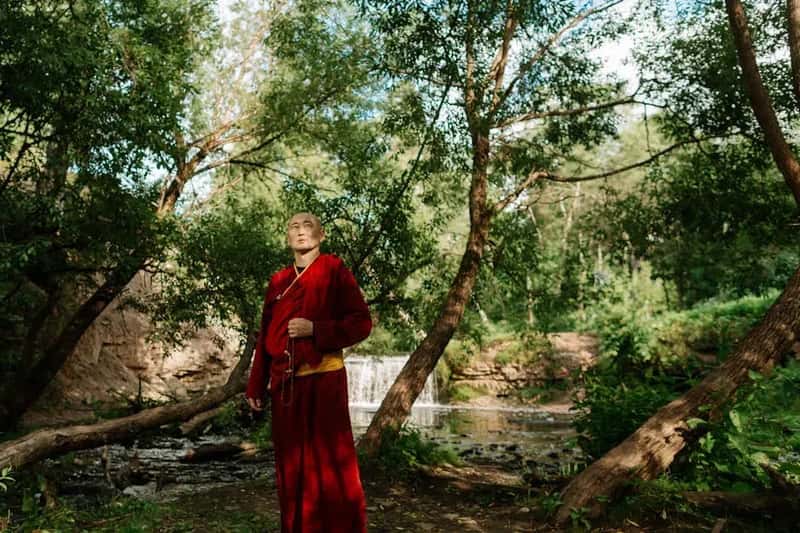
Not everyone. Let’s be clear about that. Hushpitality is deeply polarizing, and I suspect it would drive extroverts gently mad within about six hours. According to Hilton’s survey, American travelers expressed a heightened interest in nature immersion retreats, followed by spiritual retreats, and meditation and silent retreats. Still, that’s a significant portion of the traveling public increasingly open to this kind of structured stillness.
Anyone looking for a unique, relaxing and refreshing luxury eco-lodge in a gorgeous, mountainous area of Costa Rica – particularly honeymooners, couples and older families – will find El Silencio compelling. It’s not a place for people who want pool parties or entertainment schedules. It’s for people who are tired in a deep way that regular sleep hasn’t fixed.
There’s a subtle but important distinction between loneliness and solitude. Hushpitality offers the second. You’re surrounded by other people – you just aren’t performing for them. Even on group trips, more than a quarter of travelers plan to seek quiet moments by themselves, whether that means dining alone at a hotel restaurant or taking a stroll in the local neighborhood. This trend isn’t niche anymore. It’s mainstream impulse, finally finding a physical home.
The Booming Industry Behind the Quietcation
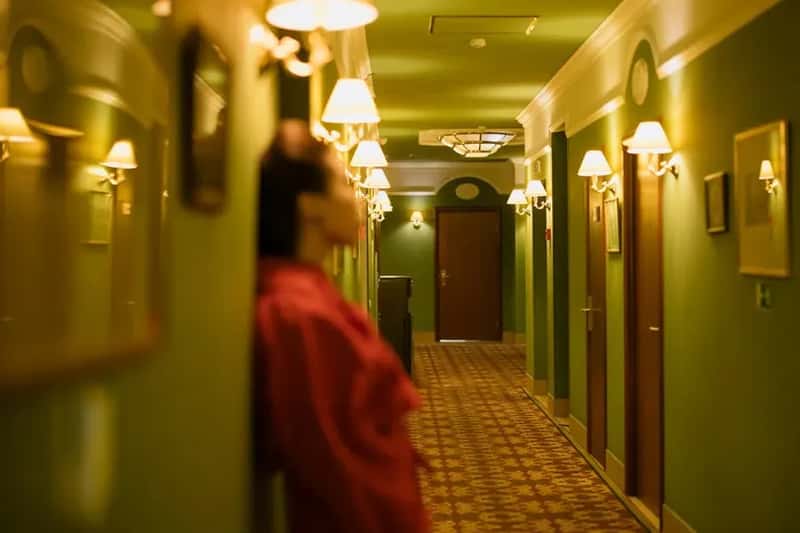
The financial signals are as clear as the motivational ones. According to the Global Wellness Institute, wellness tourism is projected to jump from $830.2 billion in 2023 to over $1.3 trillion by 2028. Silent and low-stimulation travel is one of the fastest-growing sub-segments within that already explosive market.
The wellness market grew nearly eight percent from 2023 to 2024, reaching a new peak of $6.8 trillion. The market is officially beyond pandemic recovery mode, with all eleven wellness sectors now exceeding their 2019 values, most by significant margins. Silence, in other words, is genuinely big business right now.
Hotels are no longer just offering quiet rooms – they are engineering what some are calling acoustic luxury. This includes “sound sanctuaries” with noise-absorbing materials and “dead-zone” cabins with zero Wi-Fi or cellular signal. The idea that silence is a luxury amenity – as valuable as a rooftop pool or a Michelin-starred kitchen – would have sounded strange a decade ago. Today it sounds obvious. And for travelers who’ve tried it, it sounds like exactly what they needed.
Conclusion: What I Took Home Was Quieter Than What I Brought
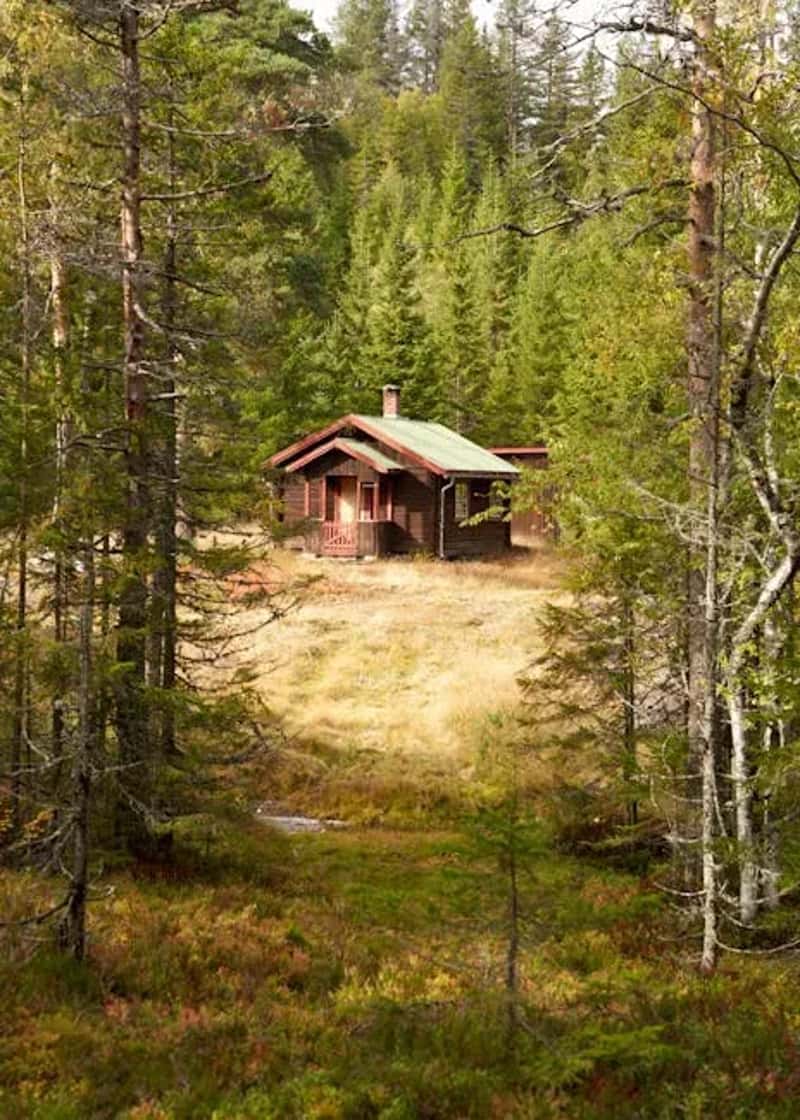
Somewhere around day two in Costa Rica, something shifted. The awkwardness of the silence faded, and what replaced it was harder to name. Clarity, maybe. A strange sense of being present in a body rather than just passing through one. Small things – the weight of a coffee cup, the sound of rain on a canopy – registered with unusual vividness.
Hushpitality is not for everyone, and I’d never pretend otherwise. It requires a willingness to sit with yourself in a way that modern life actively discourages. El Silencio Lodge in Costa Rica holds two MICHELIN Keys and is a proud member of Relais and Châteaux – proof that the most intentional, stripped-back experiences are being recognized at the highest levels of hospitality.
The world is louder than it has ever been. Our phones are louder. Our cities are louder. Even our vacations are often louder, packed with content to create and memories to document. Hushpitality asks a genuinely radical question: what if the most restorative thing you could do on a trip is absolutely nothing? What would you hear if you stopped talking long enough to find out?