Some habits only reveal themselves once you’re checking into a room with a suitcase in one hand and a room key in the other. Most travelers just want to flop onto the bed and forget the day, but a smaller group can’t help falling into a familiar routine the second the door clicks shut. It’s not about being fussy. It’s about knowing that a few small, quiet actions make the whole stay run smoother.
These habits rarely get mentioned in travel articles because they’re not glamorous or Instagram worthy. They’re practical, slightly nerdy, and oddly satisfying once you notice you’re doing them. If any of the following sound like your own unspoken hotel routine, you’re likely more organized than the average guest checking in down the hall.
1. Scanning the room for exits before unpacking
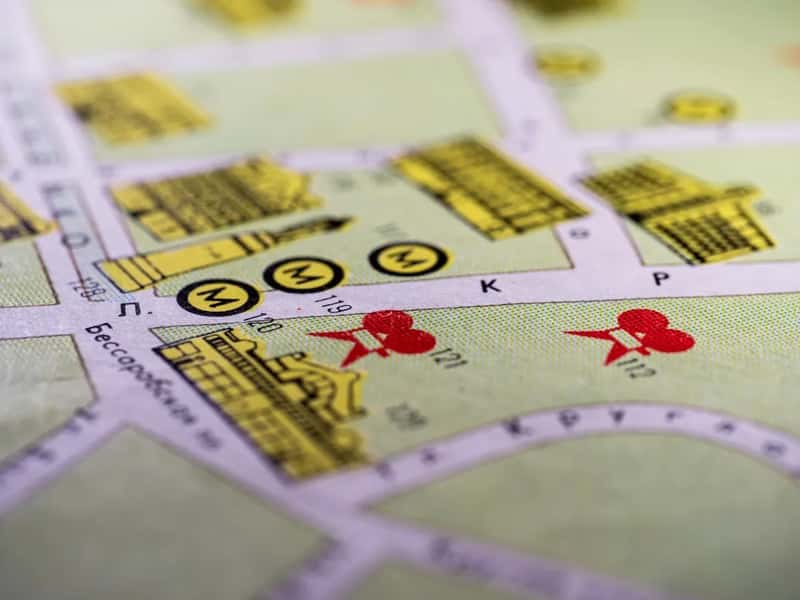
Before the suitcase even hits the luggage rack, some travelers glance at the back of the door for the fire evacuation map and mentally count the steps to the nearest stairwell. This isn’t paranoia so much as pattern recognition. Hotel fires are rare, but when they happen, confusion about exits is consistently cited as a factor that slows evacuation and increases risk, according to fire safety researchers who study hotel incidents.
Doing this takes less than thirty seconds and costs nothing. It’s the kind of habit that never pays off until, on some improbable night, it does. People who do this aren’t being dramatic, they’re just applying the same logic they’d use on a plane during the safety briefing, except nobody’s forcing them to pay attention this time.
2. Unpacking into drawers instead of living out of the suitcase
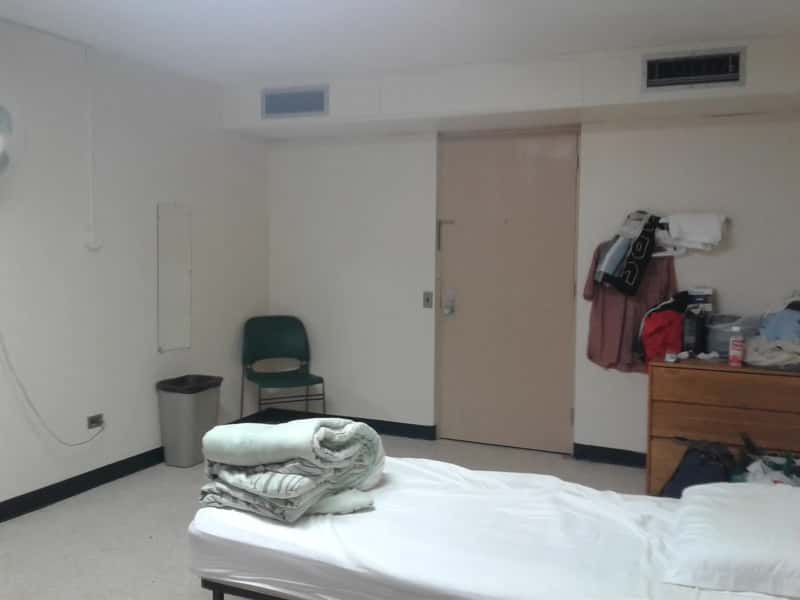
There’s a clear split among travelers between those who unpack fully and those who treat the suitcase as a mobile closet for the entire trip. The organized camp tends to move clothes into drawers, hang up anything wrinkle-prone, and line up shoes by the door within the first ten minutes of arrival. It sounds like overkill for a two-night stay, but it actually reduces the mental clutter of digging through a bag every morning.
This habit also makes it far less likely something gets left behind at checkout. Housekeeping staff frequently report finding chargers, jewelry, and clothing items forgotten in drawers or under beds, and a quick habitual scan of every drawer before leaving catches most of that. It’s a small ritual, but it’s the kind that saves people from mailing themselves a forgotten phone charger a week later.
3. Wiping down high-touch surfaces with a personal sanitizing wipe
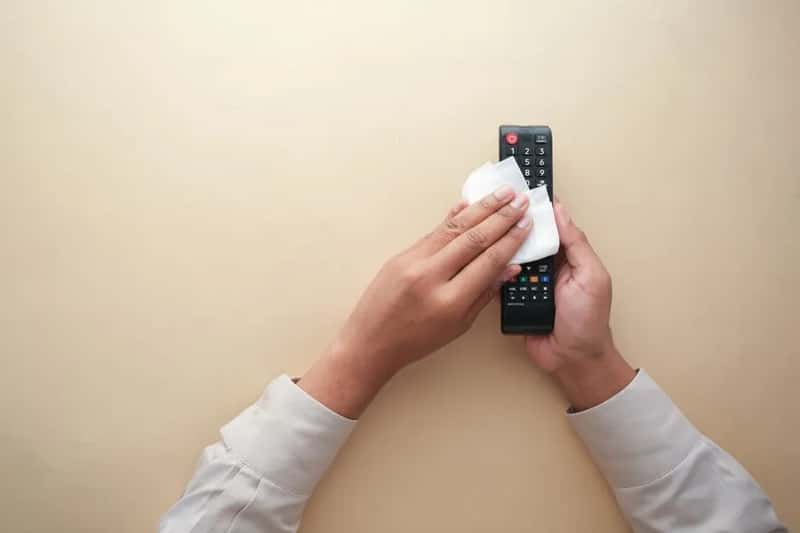
This habit picked up serious momentum after 2020 and, for a meaningful slice of travelers, it never really went away. Remote controls, light switches, and door handles get a quick wipe before anything else happens in the room. Studies on hotel room cleanliness, including research published in journals focused on environmental health, have repeatedly found that remote controls and light switches carry some of the highest bacterial loads in a hotel room, often higher than bathroom surfaces.
Hotels have improved cleaning protocols significantly since the pandemic, with many chains publicly committing to enhanced sanitation standards that remain in place through 2026. Even so, the habit persists among a certain type of guest, not out of distrust exactly, but because it takes under a minute and provides genuine peace of mind. It’s a low effort, high reassurance move that has quietly become part of many people’s arrival routine.
4. Checking the mattress and pillows before settling in

A quick peek under the sheets or a firm press on the mattress might look strange to a roommate or travel companion, but it’s a habit rooted in practical concern. Bed bug reports in hotels have not disappeared, and pest control industry surveys consistently show that hotels and motels remain among the most commonly reported locations for bed bug infestations in the United States. Organized travelers tend to check mattress seams, headboards, and the space behind furniture as a matter of routine rather than fear.
This same group often swaps out decorative pillows and bedspreads that rarely get laundered between guests, opting instead for the sheets and duvet insert underneath. It takes maybe two minutes total. For people who travel frequently, this small inspection has simply become second nature, the same way some people always check their mirrors before backing out of a driveway.
5. Setting a second alarm and confirming the wake-up call system
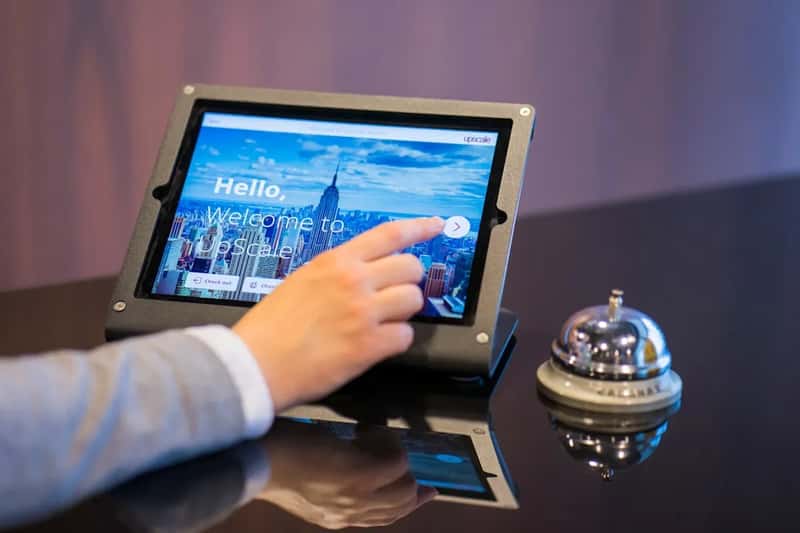
Hotel wake-up calls have a spotty reputation, and automated systems occasionally fail due to technical glitches or front desk miscommunication. Organized guests rarely rely on a single method to get up on time. They’ll set a phone alarm, request a wake-up call as backup, and sometimes even check that the in-room clock is set to the correct time zone, since not every hotel resets these after housekeeping or power outages.
This layered approach matters most for early flights or important meetings, where oversleeping isn’t just inconvenient but genuinely costly. It’s a small redundancy, similar to keeping a spare key in a bag, but it reflects a broader instinct to not leave important outcomes to a single point of failure. Travelers who do this once usually keep doing it for life after one memorable near miss.
6. Photographing the room and any existing damage on arrival

Within minutes of walking in, some guests will snap a few quick photos of the room, focusing on anything that looks scuffed, stained, or broken. This isn’t about distrust of the hotel so much as protecting against unexpected charges at checkout. Disputes over damage fees are common enough that consumer protection guides and travel advocacy groups routinely recommend documenting a room’s condition immediately upon arrival.
The habit takes seconds with a smartphone and creates a timestamped record that can settle any disagreement quickly if one arises. It also doubles as a subtle form of accountability, since hotels are far less likely to dispute a claim when photographic evidence exists. People who do this aren’t expecting trouble, they’re just closing off a small but real financial risk before it has a chance to become one.
None of these habits require much time or effort, and none of them make for particularly exciting stories to tell friends afterward. What they share is a kind of low key vigilance, the sense that a hotel room is a temporary space worth treating with a bit of care and attention rather than pure autopilot. Anyone who recognized more than a couple of these in their own routine is probably handling travel better than they give themselves credit for.