Global travel is bigger than most people picture. UN Tourism puts international tourist arrivals for 2025 at 1.52 billion, up about four percent.[1] That’s a lot of passports, and most of them are heading to a surprisingly short list of destinations.
The seven places below are a mix of the busiest countries on earth and a few landmarks that people plan whole trips around. Each one comes with current numbers, so you can see why it earns a spot. Count how many you’ve visited as you go.
France, the World’s Busiest Destination

France welcomed 102 million arrivals in 2024, the first country ever to pass 100 million in a single year.[2] It then reported a similar total for 2025 on a national basis. That 2025 figure of 102 million was credited to Atout France, the country’s tourism agency.[3]
The ranking is hard to dislodge, but it isn’t a measure of how many separate people showed up. Arrivals count trips, so one traveler who crosses the border three times is counted three times. Even so, no other country comes close on this measure, which is why France sits at the top of the list.
Spain, Closing the Gap
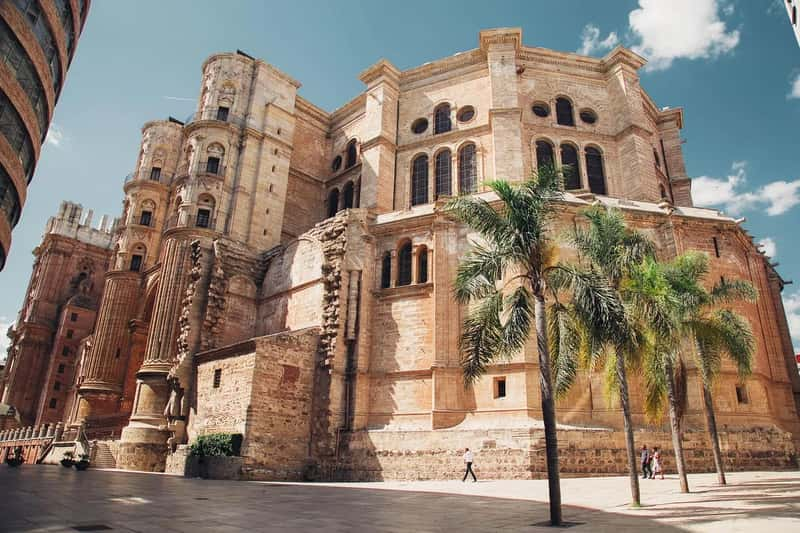
Spain is the closest challenger. It recorded 96.8 million visitors in 2025, according to the national statistics office INE, which leaves it only about 5 million arrivals behind France.[4] A few years ago, that gap looked much wider.
Rankings like this depend on who is counting. Türkiye, for example, reported 52.8 million foreign visitors, or 63.9 million once citizens living abroad are included.[4] Spain’s rise is clear either way, and it’s a sign that the top of the table is getting more crowded.
Japan, Where the Numbers Keep Climbing
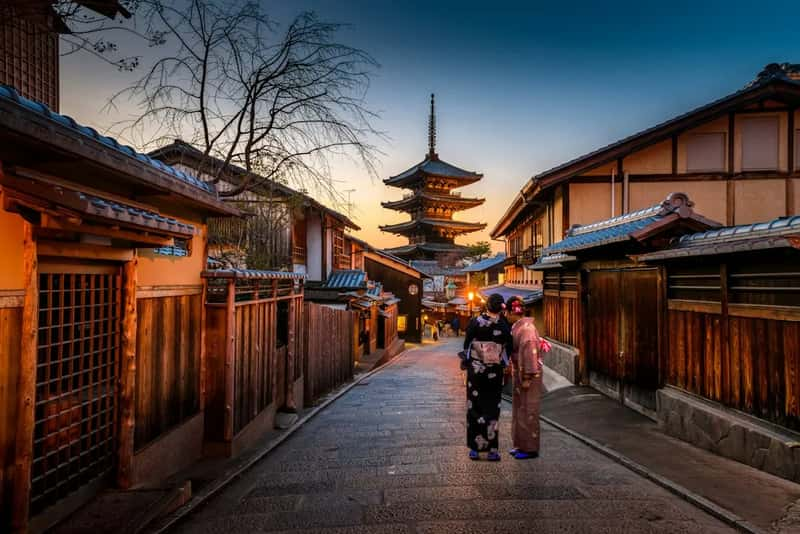
Few countries have changed as fast as Japan. A record 42.7 million international visitors arrived in 2025, up more than fifteen percent from 36.9 million in 2024, and the first total above 40 million.[5] That’s also about 10 million more than the prepandemic 2019 total of 31.9 million.[5]
Money plays a part. In 2019 the exchange rate was around 110 yen to the US dollar, while through 2025 it stayed near 150, which made Japan a relatively inexpensive destination.[5] Visitor spending hit a record 9.5 trillion yen, and the government has set a target of 60 million visitors by 2030.[5]
Mexico, Beaches, Ruins and Border Crossings
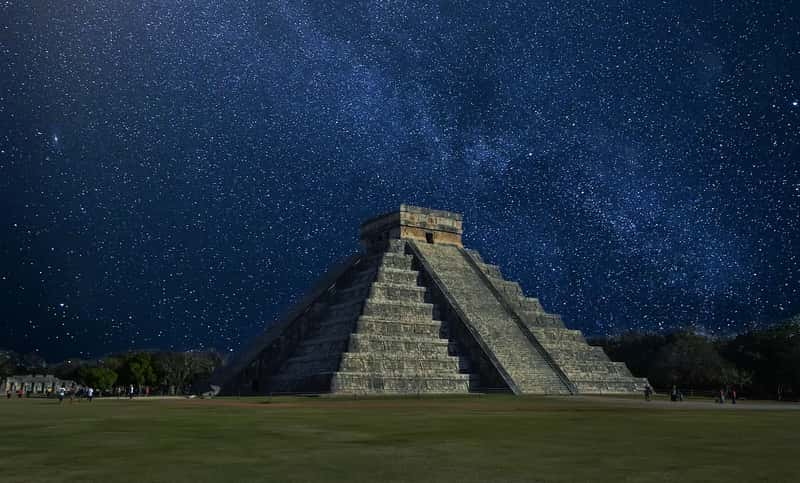
Mexico’s tourism numbers are larger than the headline suggests. It set a record of 47.8 million overnight international tourists in 2025, up about six percent.[4] On top of those came more than 50 million same day visitors, mostly crossing from the US by land or arriving on cruise ships.[4]
That makes Mexico a destination of very different kinds of trips, from a quick border visit to a two week stay on the coast. Tourism receipts reached about 35 billion dollars in 2025, according to one ranking of UN Tourism data.[6] If you’ve done a cruise stop or a long weekend here, it still counts as a visit.
Machu Picchu, Peru’s Rationed Citadel
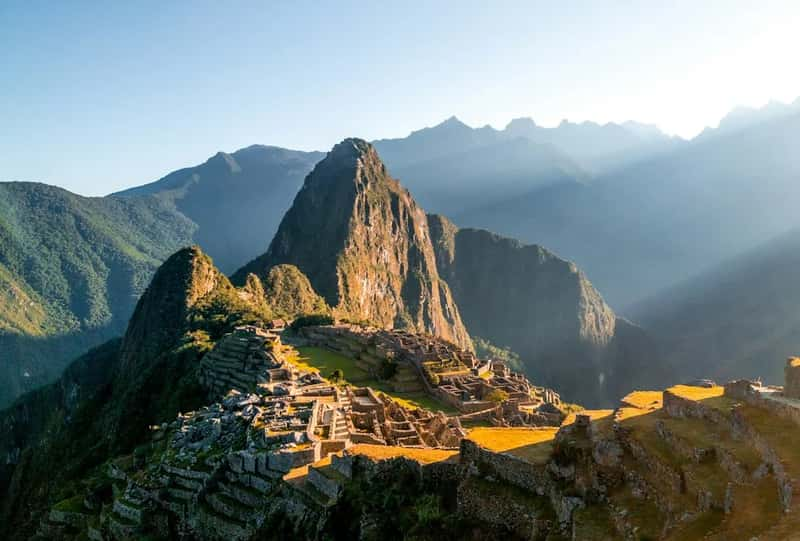
Machu Picchu is one of the few places on this list where you can’t simply turn up. During high season the daily cap is 5,600 visitors spread across 10 sub circuits, and in low season it drops to 4,500.[7] Tickets are sold directly through the Ministry of Culture’s site, tuboleto.cultura.pe.[7]
The limits get tighter on the peaks. Access to Machu Picchu Mountain is limited to 800 people per day.[7] From January 1, 2027, entry to Machu Picchu Mountain, Huayna Picchu and the Great Cavern runs only until 10:00 a.m.[8] Getting there takes planning, which is part of why a visit carries weight.
The Taj Mahal, India’s Most Visited Monument
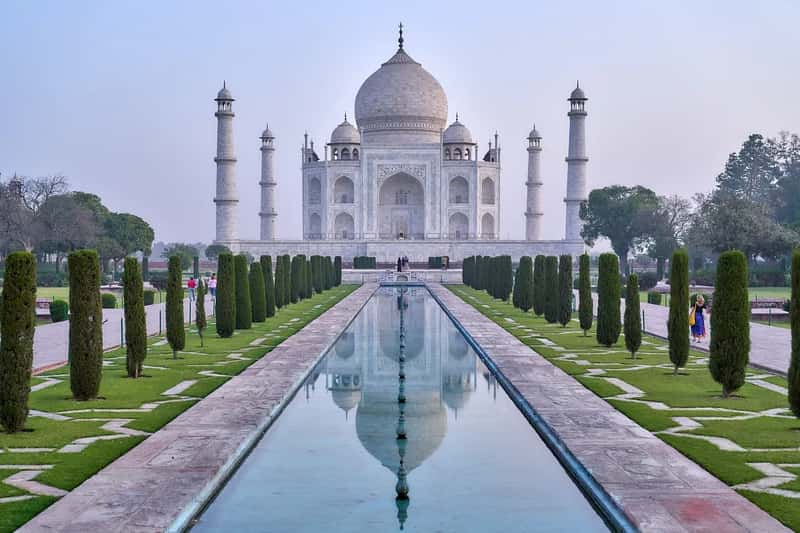
The Taj Mahal drew 6.9 million visitors in fiscal year 2024 to 2025, including over 600,000 foreign tourists, according to an official report.[9] The ivory white marble mausoleum was built by the Mughal emperor Shah Jahan for his wife, Mumtaz Mahal.[9] The tourism ministry says it has been the top revenue generating and most visited monument for more than a decade.[9]
The visitor mix is worth noting. The government’s compendium lists 6.26 million domestic visitors against 0.645 million foreign ones.[9] That means fewer than one in ten visitors came from abroad, so most of the crowd is Indian families on their own trips.
Petra, Jordan’s Rose City
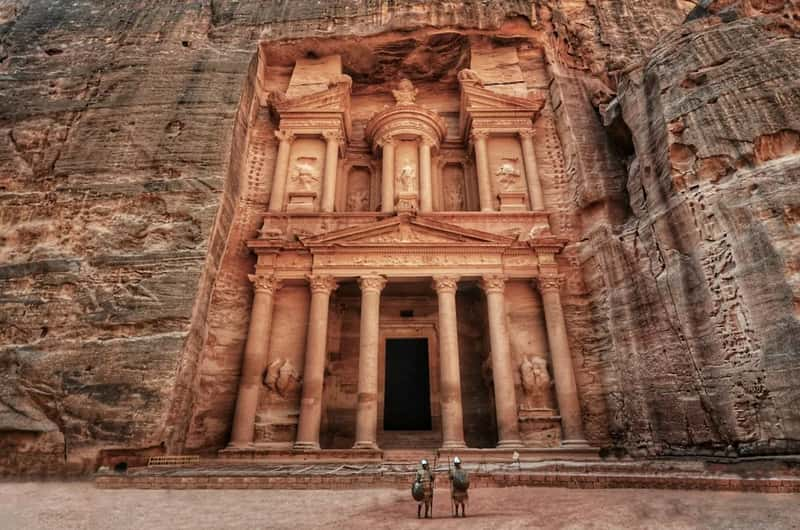
Petra sits in a desert canyon about 230 kilometres south of the capital, Amman.[10] Jordan’s tourism authorities said it drew 900,000 visitors in 2022, close to the record of one million set in 2019.[11] Newer site figures are harder to find, so treat those as the latest solid numbers I could confirm.
The site supports a lot of local livelihoods. Around 1,700 people make a living there as guides, sellers, or by taking visitors around on animals and electric buggies.[11] Regional conflict has also affected travel plans, and one travel outlet reported that military actions in the region caused visitor numbers to drop sharply.[12] Petra remains one of the more demanding entries on this list to reach.