You’re sitting across from your Japanese colleague, enjoying a meal together. Everything feels great. Then you reach for your chopsticks and stick them upright in your rice bowl while you grab your phone. Suddenly, the mood shifts. Did you just do something wrong? Turns out, you absolutely did.
Japan has this way of making seemingly harmless actions feel like landmines of cultural offense. What feels completely natural to you might be deeply disrespectful here. Let’s be real, nobody wants to accidentally insult someone while traveling or working abroad. So before you flash another gesture you think is universal, read on.
Pointing With Your Index Finger
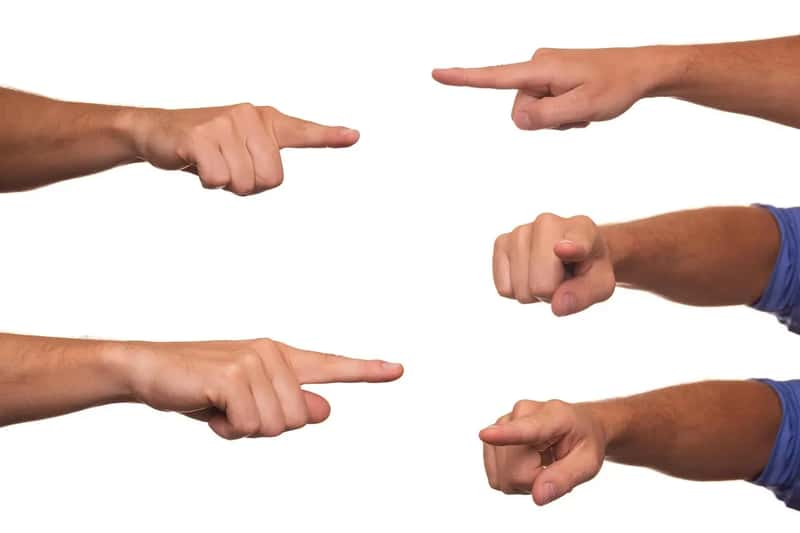
In Japan, pointing is considered incredibly impolite, especially if you’re doing it while referring to a person. Think about it from their perspective. According to locals, pointing at someone is typically reserved for heated confrontations, when one person is calling out another for doing something wrong. Directing it to another person is outright offensive.
Instead, if you need to indicate a direction or draw someone’s attention to something, trading up finger-pointing for open-handed gestures is considered a much more polite and respectful way. Using an open hand gesture or pointing with your eyes is more appropriate. Honestly, it takes a bit of getting used to, but after a while, you’ll notice just how aggressive finger-pointing actually looks once you start paying attention.
Sticking Chopsticks Upright in Your Rice
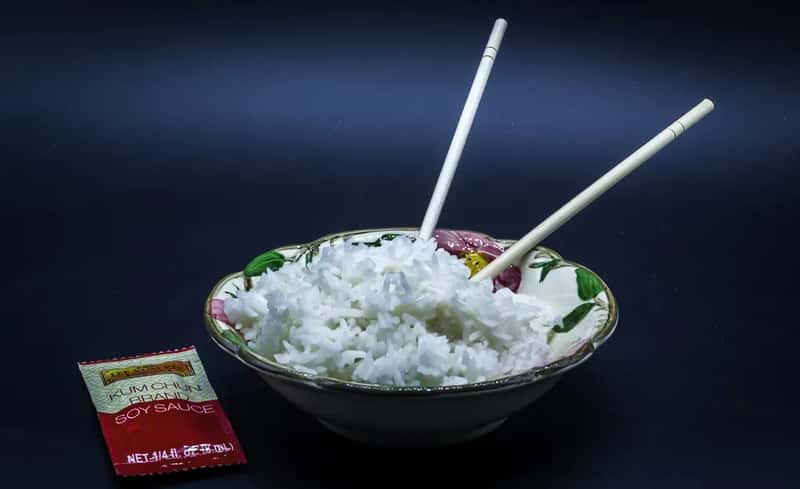
This one’s serious. Sticking chopsticks upright looks exactly like incense sticks at Buddhist funerals and can make Japanese diners freeze. Chopsticks are left upright in a bowl of rice as an offering to the deceased, usually placed in front of their picture or on a household Buddhist altar.
In Japan, it is considered not only rude but also bad luck, because of its affiliation with Japanese funerals. The visual triggers such strong ancestral worship imagery that even non-religious people feel uncomfortable. If you do this accidentally, remove them immediately, and a quick “sumimasen” shows you recognize the mistake. It’s that simple to correct it, but the damage to the mood is already done.
Blowing Your Nose in Public

Here’s where things get weird for Westerners. Blowing your nose in public ranks among Japan’s strongest social taboos, and while perfectly normal in Western countries, the act makes Japanese people genuinely uncomfortable. The sound is seen as disruptive, and many people associate nose-blowing with illness or lack of self-restraint.
You’ll see people constantly sniffling or quietly dabbing their noses with tissues, excusing themselves to restrooms when they absolutely need to blow. Instead, most people quietly sniffle until they can excuse themselves, which is why you’ll hear a lot of sniffling during winter or hay fever season. I know it sounds backwards if you grew up being told that sniffling is rude and blowing your nose is hygienic. In Japan, it’s completely reversed.
Giving the Thumbs Down Gesture

While the thumbs-up is generally acceptable in modern Japan due to Western influence, the thumbs-down sign is an extremely offensive gesture, implying something like “Go to hell,” and is considered taboo in Japan and many other countries. It is a rude and offensive gesture to the Japanese, and one theory suggests locals associated it with the same gesture used in ancient Rome, where crowds would give the thumbs down to indicate that a gladiator should be killed.
There was even an incident where a soccer fan was banned indefinitely from matches for making this gesture during an official game. So yeah, it’s a big deal. If you’re used to casually throwing a thumbs down when something disappoints you, save that for when you’re alone in your hotel room.
Waving or Pointing With Chopsticks
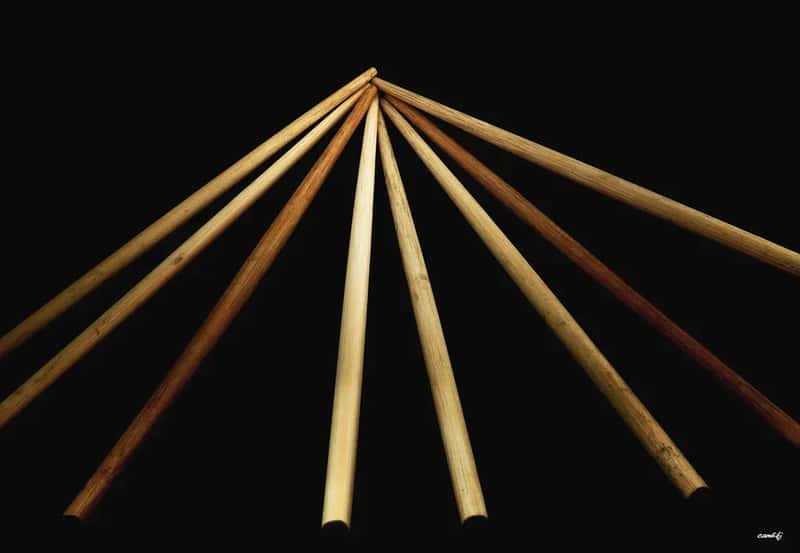
Don’t point, wave, or gesture with chopsticks as it’s distracting and considered rude. Using chopsticks to point at someone looks the same as pointing with a steak knife, and making big gestures while talking with them in your hand is called furiage-bashi. Pointing your chopsticks at people or items of food is called “sashi-bashi” and is considered rude and low-class in Japan, including using your chopsticks to point at a food item or holding them absentmindedly while chatting.
Put them down before you start gesturing during a story. Waving chopsticks shatters the meditation space that Japanese meals create. It’s all about keeping movements small, controlled, and purposeful at the table.
Making Direct, Prolonged Eye Contact

This one throws people off because in Western cultures, eye contact shows you’re listening and being respectful. In Japan, however, it can be considered too close for comfort, or even aggressive and intimidating. Eye contact can be interpreted as confrontational or impolite, especially when speaking to a person of higher status.
If you’re speaking with someone and they keep staring at their shoes or looking away, perhaps they’re feeling a little overwhelmed by your stare. Honestly, once I learned this, I started noticing how much I was inadvertently staring people down. Dial it back a bit, glance away occasionally, and you’ll fit in much better.
How to Apologize When You Mess Up
So you’ve already made one of these mistakes. What now? Sumimasen is used to apologize, but the word itself is versatile and can be used for non-apologetic situations. Sumimasen translates to “Excuse me” in English, and it should be used in the same types of scenarios. Gomennasai is strictly used to apologize for something you did wrong, and carries a slightly more apologetic tone.
Gomenasai is the textbook Japanese phrase for “I’m sorry” and is acceptable in both formal and informal situations. For more serious situations, especially at work or with superiors, use moushiwake gozaimasen, which is in humble speech and shows your sincerity more. Use gomenasai with friends and people you know well, sumimasen with strangers or in formal settings, and for minor inconveniences in public, sumimasen is usually sufficient.
A quick bow while apologizing never hurts either. The deeper the bow, the more sincere the apology appears.
These cultural differences aren’t meant to trip you up. They’re just part of what makes Japan, well, Japan. The good news? Japanese people are incredibly forgiving of foreigners who make an effort. A sincere apology goes a long way, and showing that you care about their customs means everything. So next time you’re there, keep your chopsticks flat, your nose private, and your fingers to yourself. What surprised you most about these cultural differences?