On April 26, 1986, Reactor 4 of the Chernobyl Nuclear Power Plant exploded, creating what many consider the most dangerous room on Earth. What unfolded inside that control room in the moments before disaster remains one of the most haunting chapters of nuclear history. This catastrophic accident resulted from a flawed Soviet reactor design coupled with serious mistakes made by plant operators.
The space that once hummed with the controlled power of splitting atoms became a hellscape of molten fuel, twisted metal, and radiation levels so intense they could kill in minutes.
The Fateful Night: When Everything Went Wrong
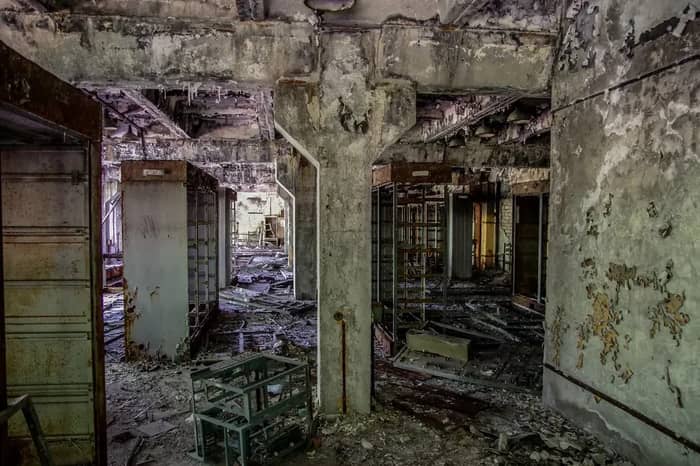
On April 25, 1986, the reactor crew began preparing for a test to determine how long turbines would spin and supply power to the main circulating pumps following a loss of the main electrical power supply. The test itself had been attempted the previous year but failed. This time, new voltage regulator designs were being evaluated. Nobody in that control room could have imagined they were about to trigger history’s worst nuclear disaster.
A series of operator actions, including the disabling of automatic shutdown mechanisms, preceded the attempted test early on April 26, and by the time the operator moved to shut down the reactor, it was in an extremely unstable condition. The radiation levels in the worst-hit areas of the reactor building, including the control room, have been estimated at 300Sv/hr, providing a fatal dose in just over a minute.
Think about that for a moment. One minute of exposure meant certain death.
Inside the Destroyed Control Room
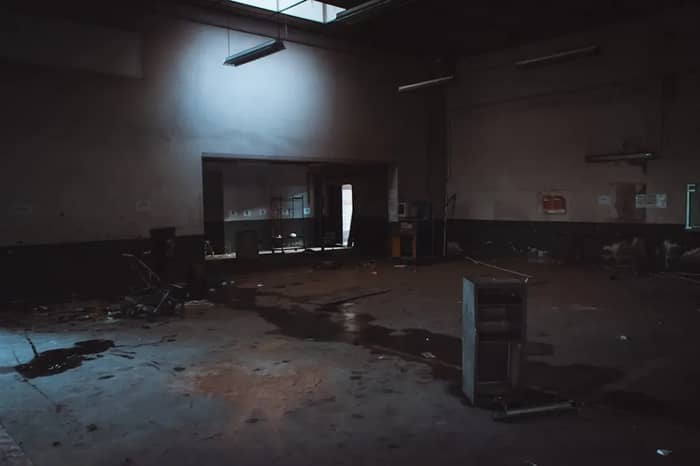
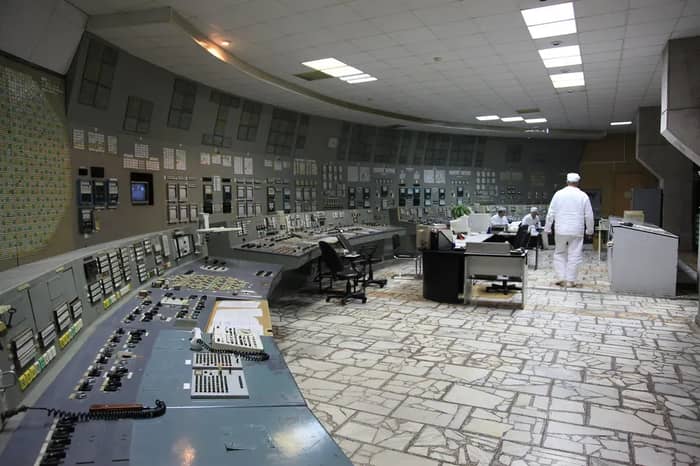
The control room, which was highly damaged from the explosion, was where the reactor was operated from and where many of the decisions on the day the reactor exploded were made. Today, you can actually visit this space, though under extremely strict conditions. Anyone who wishes to visit the site must wear a protective suit, a helmet, and a mask, and limit their visit to 5 minutes.
The control room is still highly radioactive, and people are required to wear protective gear when inside. Afterward, visitors are required to undergo two radiology tests to measure the amount of radiation they were exposed to. Even decades after the explosion, this room pulses with danger.
The control panels remain, some draped in protective plastic. Dusty, empty, and radioactive, with equipment disassembled for investigation purposes, the space feels frozen in time.
The Elephant’s Foot: Death Solidified

Deep in the basement below Reactor 4 lies perhaps the most terrifying remnant of the disaster. The Elephant’s Foot is the nickname given to the large mass of corium beneath Reactor 4, discovered in December 1986 in Room 217/2, 15 metres to the southeast of the ruined reactor. This isn’t just radioactive waste. This is something far more sinister.
At the time of its discovery, about eight months after formation, radioactivity near the Elephant’s Foot was approximately 8,000 to 10,000 roentgens per hour, delivering a 50/50 lethal dose of radiation within 3 minutes. When reactor 4 overheated, the uranium fuel inside its core became molten, and heat, steam, and molten nuclear fuel combined to form a 100-ton flow of searing-hot chemicals that gushed out of the reactor and through the concrete floor to the basement.
Exact current radiation levels are estimated to be around 800-1000 roentgens per hour. Still deadly, but significantly reduced from the initial readings. The Elephant’s Foot is not as hot as it once was, but it remains extremely dangerous and radioactive, emitting enough radiation to be lethal within minutes of close exposure.
The New Safe Confinement: A Shield for Centuries
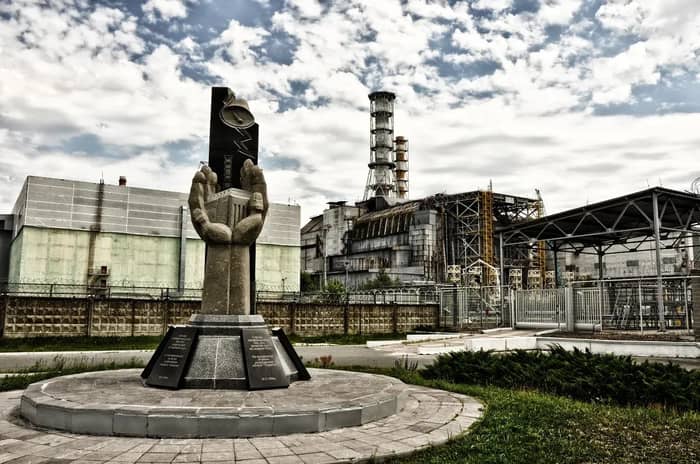
The New Safe Confinement is a structure put in place in 2016 to confine the remains of reactor unit 4, which was destroyed during the Chernobyl disaster in 1986, and it also encloses the temporary Shelter Structure that was built around the reactor immediately after the disaster. This engineering marvel represents humanity’s attempt to contain what we created.
The Chernobyl arch is the largest moveable land-based structure ever built, with a span of 257 metres, a length of 162 metres, a height of 108 metres, and a total weight of 36,000 tonnes. The structure cost roughly one and a half billion euros and took years to complete. It was designed with the primary goal of confining the radioactive remains of reactor 4 for 100 years.
What Remains Inside Today
The sarcophagus is locked in an estimated 200 tons of radioactive lava-like corium, 30 tons of highly contaminated dust, and 16 tons of uranium and plutonium. The Shelter Object still contains the molten core of the reactor and an estimated 200 tonnes of highly radioactive material. This isn’t a cleaned-up museum piece. It’s an active containment zone for materials that will remain dangerous for thousands of years.
The majority of external gamma radiation emissions at the site are from the isotope caesium-137, which has a half-life of 30.17 years, and as of 2016, the radiation exposure from that radionuclide has declined by half since the 1986 accident. Nature follows its own timeline of decay, indifferent to human concerns.
The decommissioning process is expected to take until 2065 according to the plant’s operator. We’re talking about a cleanup operation spanning nearly a century.
Walking through this space today, even with all the protective measures, you’re stepping into a tomb. There remains an estimated 200 tons of radioactive fuel inside the crippled reactor. The room where operators once believed they controlled the atom became the room where the atom proved it could never truly be tamed. What do you think when you consider that this danger will outlive not just us, but generations yet unborn?