Anyone who has traveled in the last few years has noticed the shift. The knock on the door with fresh towels and turned-down sheets isn’t automatic anymore at a lot of hotels. That change has left plenty of guests wondering whether skipping housekeeping is a harmless personal choice or something that quietly puts a real person out of work, and the honest answer sits somewhere in between.
Why the question even exists now
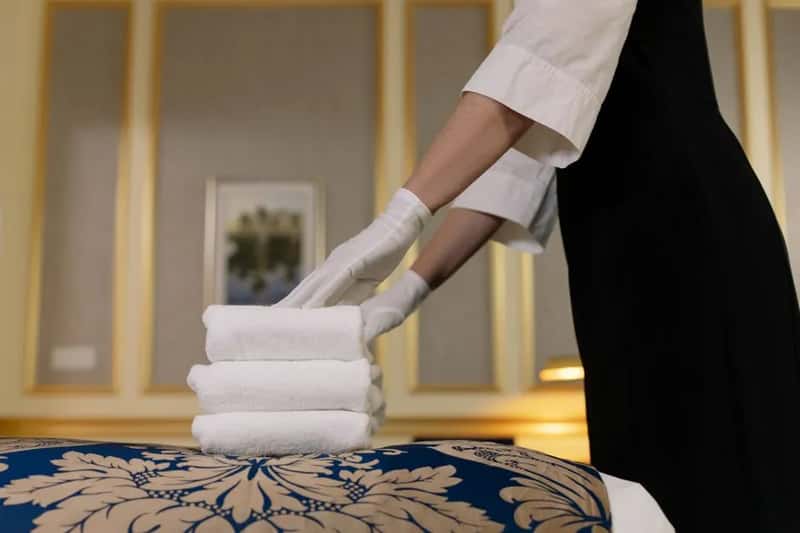
Daily housekeeping used to be baked into the price of a hotel room without anyone thinking twice about it. That changed during the pandemic, when guests could expect a polite knock on the door each morning with fresh towels and sheets, until the pandemic hit and many hotels eliminated daily housekeeping, offering the service only upon request[1].
Years later, the opt-in model has stuck around at a surprising number of properties. Housekeeping service is no longer a standard amenity, particularly at non-luxury hotel properties, and many chain hotels now offer it on request due to labor shortages and stricter cleaning guidelines[2]. That lingering policy is exactly why the etiquette question refuses to go away.
What the major hotel chains actually do today

Policies vary quite a bit by brand, and it helps to know the baseline before deciding what to do on your next trip. Marriott’s policies vary by property, but housekeeping is usually offered only upon request, with all rooms cleaned automatically every sixth night[3], which surprises a lot of guests who assumed weekly cleaning was standard everywhere.
Hilton has largely followed the same path. Hilton’s default is no more daily cleanings at most properties unless requested[3], though that rule doesn’t apply everywhere. Automatic daily housekeeping remains in effect for luxury brands such as Waldorf Astoria[4], so the experience at a flagship luxury property still looks like the old normal.
The case that skipping it is actually considerate
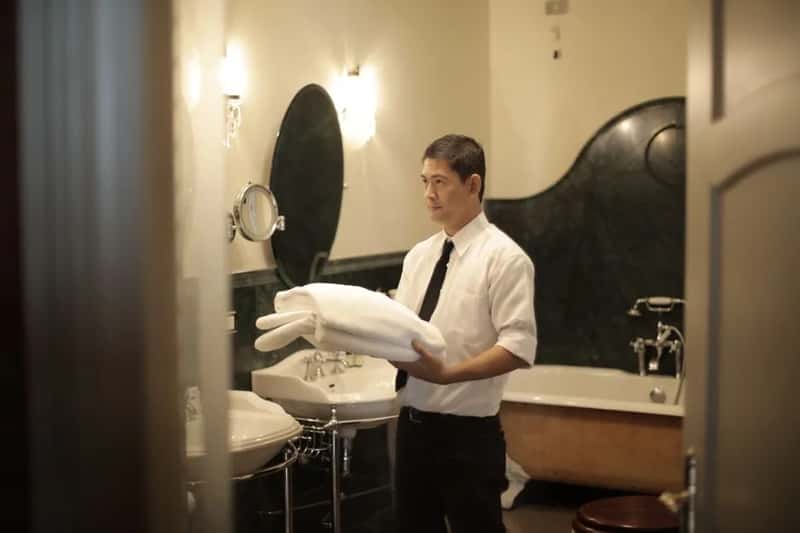
There’s a reasonable argument that declining housekeeping is a small act of consideration rather than rudeness. Hotels themselves have leaned into this framing for years. Skipping daily housekeeping reduces water, energy, and chemical use, and it gives guests more privacy and control over their stay with flexible cleaning options[5].
Plenty of travelers genuinely prefer fewer interruptions during a stay, and that preference isn’t new. While hotels initially ramped up cleaning protocols, many travelers now prefer fewer interactions during their stay[5]. Nobody could reasonably call that rude on its own, since it’s simply a preference about privacy.
The case that it can quietly hurt housekeepers

Here’s the part that complicates the “it’s just my choice” argument. Housekeepers themselves have been vocal that skipping cleaning doesn’t actually make their jobs easier, it makes them harder. If you think you’re making a housekeeper’s job easier by avoiding daily housekeeping, you might be surprised to learn it actually has the opposite effect, since the longer the time between cleans, the longer it takes housekeepers to clean the room due to buildup of mess[1].
There’s also a labor-hours dimension that guests rarely think about. A labor union representing hotel workers has reported that housekeepers have been losing hours due to opt-out programs, and rooms skipped for cleaning for several days take longer to clean than those cleaned daily[6]. In a real-world example from a 2024 strike, one Boston housekeeper described opening a room after a guest with a dog declined service, only to find three days worth of blond dog fur clinging to the curtains, the bedspread and the carpet[7], work she had to squeeze into her usual short window.
How the room condition really affects the cleaning crew
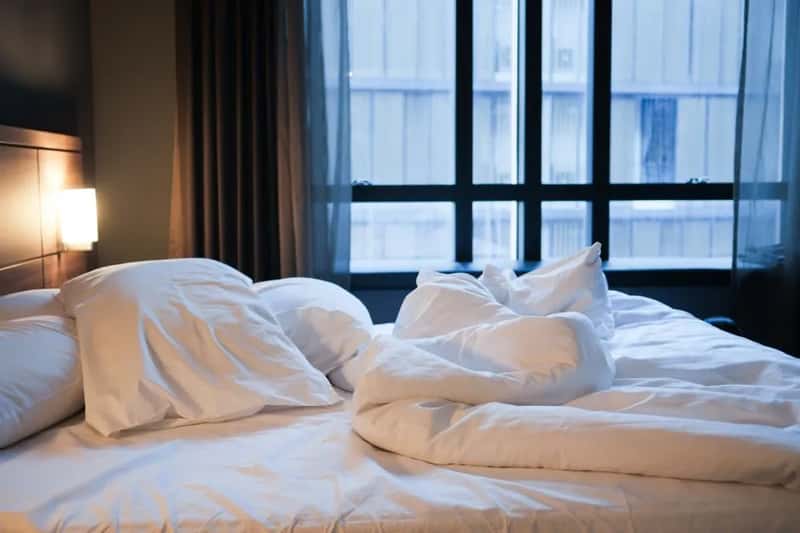
It’s worth understanding just how tight housekeepers’ schedules already are before deciding to skip service for a week straight. Depending on the size of the hotel and the housekeeper’s efficiency, staff typically clean between 10 to 15 rooms per shift[8], and that number can climb higher during busy periods.
The time allotted per room doesn’t stretch to match a messier space either. Housekeepers are typically expected to finish a room in about 30 minutes, regardless of whether it had last been cleaned a day or a week prior[9]. That’s the practical reason a room left untouched for several days can turn a routine task into a rushed scramble.
Whether opting out affects tipping expectations
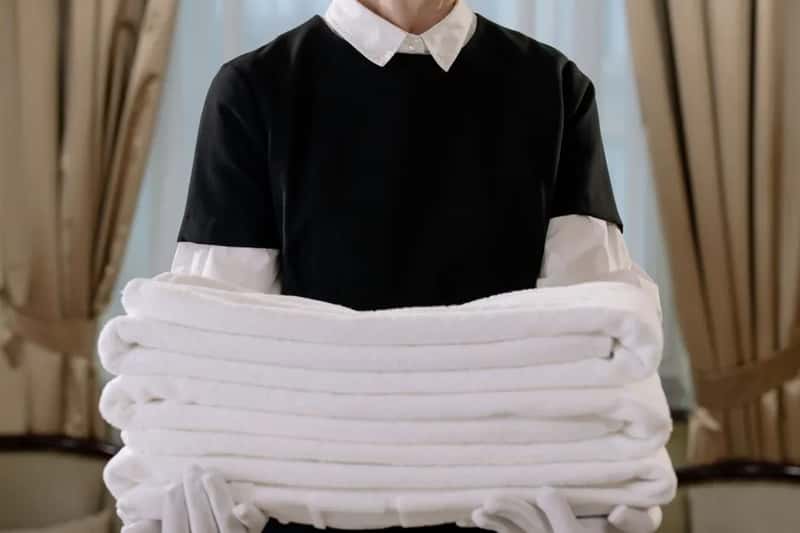
A common misconception is that skipping housekeeping means you’re off the hook for a tip. Etiquette experts consistently say otherwise. Even if housekeeping doesn’t clean your room during your stay, it’s a good gesture to leave a tip at the end of your trip[11], since the crew still handles the deep clean once you check out.
That final clean is often more labor-intensive than a daily tidy, not less, given the accumulated mess mentioned earlier. Most guidance points to leaving a $1-to-$5 tip per day for the housekeeping staff[12] as a reasonable baseline, whether the room was serviced daily or only at the very end. A lump sum at checkout, left visibly with a short thank-you note, covers the etiquette bases even for a multi-day skip.
The bigger labor story behind the policy shift
Skipping housekeeping doesn’t happen in a vacuum, and it’s tangled up with a broader labor dispute that’s been playing out publicly. In September 2024, thousands of hotel workers went on strike partly over this exact issue. Hotel housekeepers have for years waged a fierce battle to restore automatic daily room cleaning that was scaled back at many properties during the coronavirus pandemic[7].
The union representing these workers has framed opt-out programs as a cost-cutting measure dressed up as an environmental one. The option to decline daily room cleaning is one that many hotels have encouraged as environmentally friendly, but it also serves as a way for them to cut labor costs and cope with worker shortages since the pandemic[7]. That tension between sustainability messaging and staffing economics is exactly what makes this etiquette question harder than it first appears.
The physical toll that makes the etiquette matter more
Understanding why housekeepers push back on skipped cleanings requires looking at the physical reality of the job itself. Research from 2024 paints a pretty stark picture of the strain involved. A systematic review found that musculoskeletal disorder prevalence among hotel housekeepers was high, with the most affected areas being the low back, shoulders, and wrists and hands[13].
Government workplace safety data backs this up from a different angle. NIOSH research notes that housekeepers had the highest injury rates of all jobs studied in sampled hotels[13]. When a room accumulates several days of mess before finally getting cleaned, that extra scrubbing and lifting lands directly on already strained bodies, which is a big part of why staff prefer the steady, predictable workload of daily service.
A practical way to think about the decision

None of this means skipping housekeeping is inherently rude in every situation. A single night away, a quick business trip, or a stay where you genuinely value privacy over a fresh towel swap isn’t likely to cause anyone real harm.
The etiquette gets murkier on longer stays, especially multi-night visits where mess builds up and a guest simply forgets to request anything at all. In those cases, a short check-in with the front desk, even just to confirm trash and towel service without a full room clean, tends to strike a fair balance between personal preference and consideration for the person who eventually has to deal with the room.
Final thoughts

Skipping housekeeping isn’t a moral failing, and nobody should feel guilty about wanting fewer interruptions during a hotel stay. Still, the etiquette isn’t purely about personal comfort either, since there’s a real person on the other end whose workload and physical strain shift depending on how guests use the opt-out option.
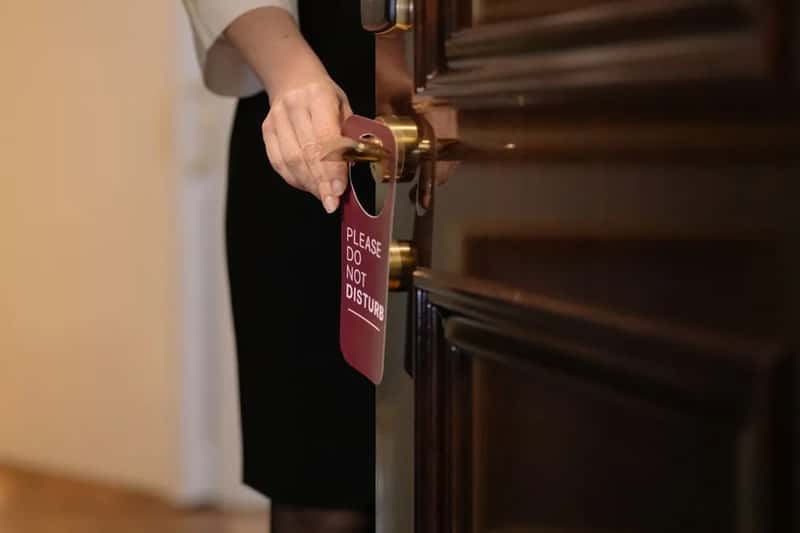
The simplest approach that respects everyone involved is straightforward: decide early in your stay rather than defaulting to the “do not disturb” sign out of habit, communicate your choice clearly at the front desk, and tip at checkout regardless of how often the room got cleaned. That small bit of intention costs a traveler almost nothing and makes a measurable difference for the person who eventually has to clean up after you leave.