Have you noticed how the conversations about European travel have shifted lately? It’s not just about where to go anymore – it’s about when to go before the prices spiral out of control. Let’s be real, overtourism and rising costs have transformed many of Europe’s once affordable gems into destinations that require serious budgeting.
Still, hidden beneath the headlines of crowded Barcelona and pricey Amsterdam, there are cities that remain surprisingly accessible – for now. These places offer incredible architecture, mouthwatering food, and authentic culture without the sticker shock. Think of this as your insider guide to the European cities that still deliver exceptional value, though the window won’t stay open forever. So let’s dive in.
Porto, Portugal
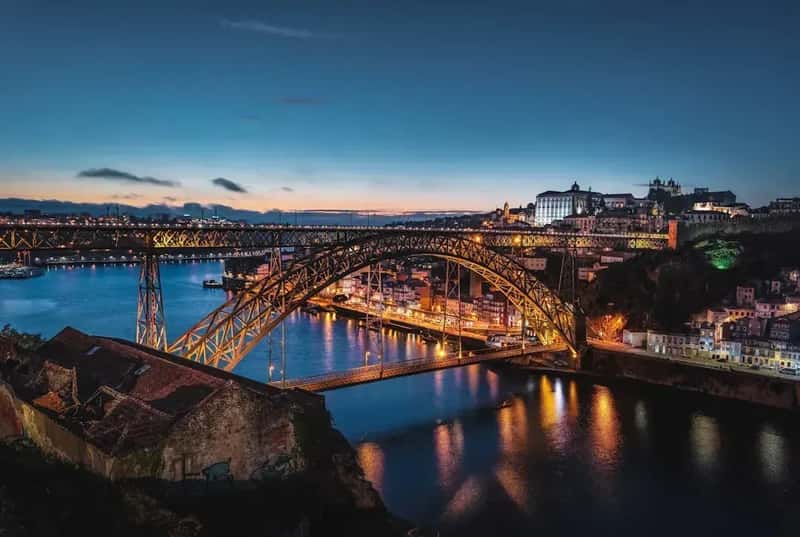
Porto might be Portugal’s second city, but it’s seriously punching above its weight right now. This riverside beauty offers everything you’d want from a European getaway – colorful tiles, dramatic river views, and port wine cellars – without the eye-watering costs you’d find in other Western European cities. Lisbon had the cheapest restaurant meals in Europe, where a three-course meal for two people with a bottle of house wine costs around $62, and Lisbon ranked as the cheapest city to visit in Western Europe. Porto follows close behind.
Porto is one of Europe’s most picturesque yet affordable cities, and honestly, I think it’s one of those places where you feel like you’re getting away with something. Traditional treats such as bifanas and pastéis de nata are available for as little as €2 to €5, and dining at a casual eatery typically costs between €8 and €12 for a meal. However, the Portugal tourism sector is set to continuously grow in 2026, and with a substantial increase in housing prices, the real estate has performed better than many European countries. This growth signals that prices won’t stay this accessible much longer.
Ljubljana, Slovenia
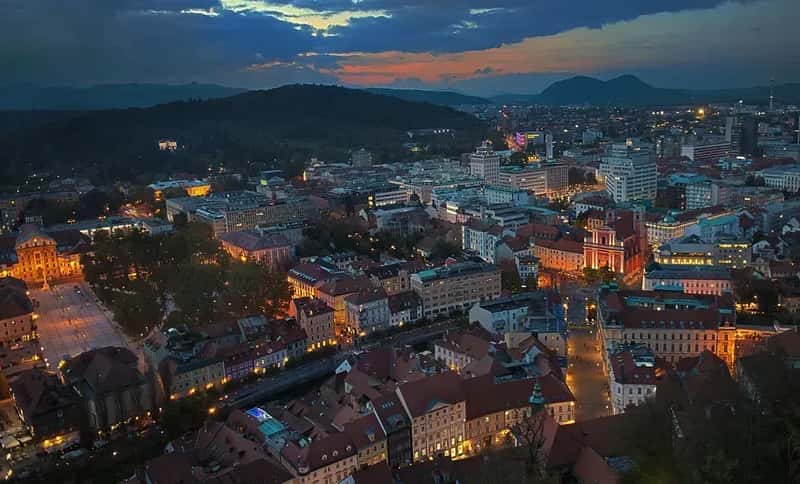
Here’s the thing about Ljubljana: nobody seems to talk about it, which is exactly what makes it special. Ljubljana is one of the most affordable capital cities in Europe and perfect for a cheap city escape to explore history and stay in a nice hotel. Walking through this compact Slovenian capital feels like discovering a secret that hasn’t been spoiled yet.
The cost breakdown is genuinely impressive. The average cost of food in Ljubljana is $33 per day per person, with previous travelers spending from $15 to $64. You can expect to spend around $80 daily as a mid-range traveler for accommodation, activities, food and transport. Copenhagen and Ljubljana have embraced sustainable tourism by promoting themselves as green destinations, highlighting cycling networks and renewable energy, which adds another layer to why this city deserves your attention before mass tourism catches on.
Krakow, Poland
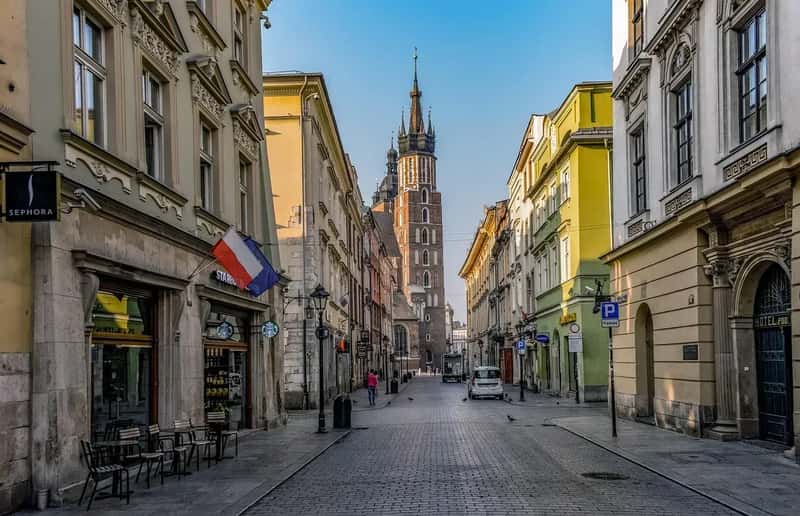
Krakow’s medieval architecture and harrowing history make it one of Europe’s most compelling cities. What makes it even better? Krakow is quite affordable for most types of travelers, especially in comparison to Western Europe, not to mention Scandinavia. You can genuinely eat like royalty here without royal spending.
A meal at an inexpensive restaurant costs around 7 € per person, and a three course meal at a mid-range restaurant can be around 14-18 €. The city is famous for zapiekanki – basically mini baguette pizzas – which cost between 2.50-4.00 €. Yet the writing is on the wall. Last year, over seven million tourists visited Kraków, including around 900,000 from abroad, and the city has been pushing for tourist taxes to manage overtourism pressures. Get there before those fees kick in.
Riga, Latvia
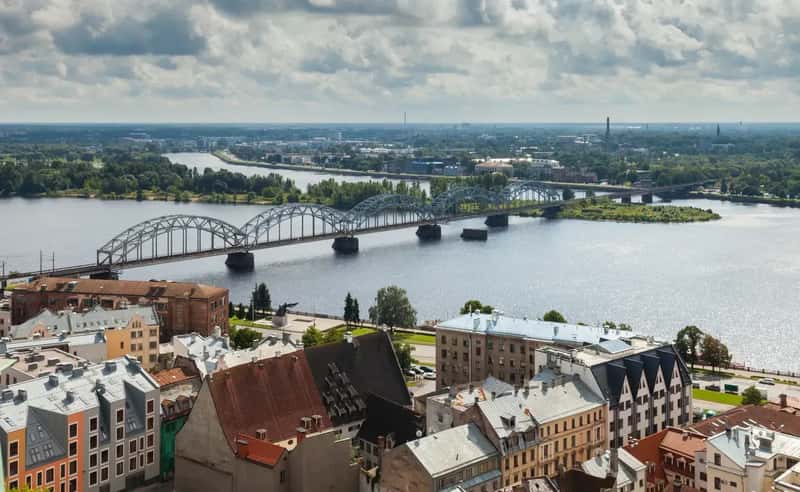
When was the last time you scored a burger for under ten dollars? If you’re struggling to remember, Riga might just blow your mind. Riga, Latvia, was named the year’s most budget-friendly city in Europe, and it regained the cheapest-city crown from Vilnius in recent rankings.
Riga has the lowest-priced accommodations in Europe, with a 2-night stay for two at a 3-star hotel coming out to an average of about $165. This Baltic capital combines stunning Art Nouveau architecture with genuine affordability. Riga is one of the most affordable cities in Europe and one of our favorite cities in the world, with Gothic churches, medieval buildings, Art Nouveau-decorated streets, wooden houses, and modern masterpieces. The city hasn’t hit the mainstream tourist radar yet, making it the perfect time to explore before everyone else catches on.
Sofia, Bulgaria
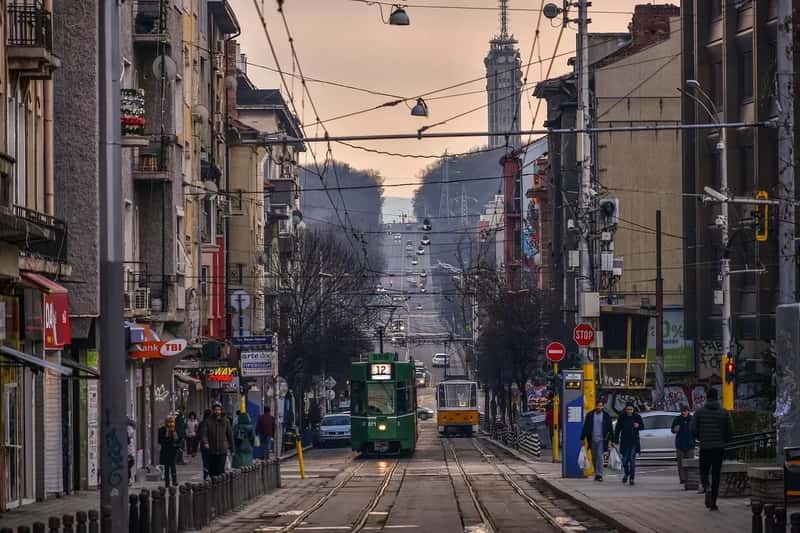
Sofia remains one of those rare European capitals where your money stretches almost unreasonably far. Sofia remains a good bargain among European capitals, with a very pleasant city center that is quite welcoming of foreign tourists, and prices of nearly everything are low. You get authentic Eastern European culture, mountains on the doorstep, and prices that’ll make you double-check your bank account – in a good way.
Sofia combines history, nature, and affordability, nestled at the foot of Mount Vitosha. Bulgaria has just adopted the euro as its currency and launched a new digital nomad visa in December 2025, which suggests increased international attention is coming. This dual development – easier currency transactions and remote worker appeal – will likely accelerate Sofia’s transformation from budget secret to discovered destination.
Budapest, Hungary
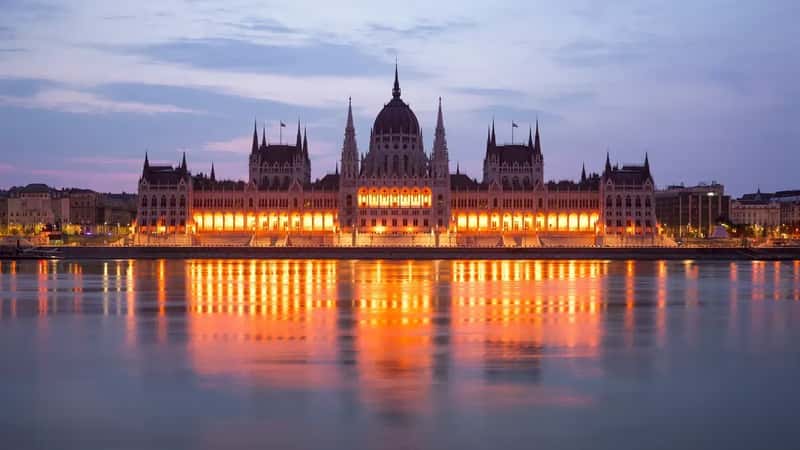
Budapest delivers something extraordinary: stunning architecture, legendary thermal baths, and vibrant nightlife without Western European price tags. Budapest is often overlooked, but it delivers exceptional value, with flights frequently among the cheapest and affordable costs on the ground.
The famous thermal baths are a major draw. Thermal bath entries start as low as €5, which is remarkable when you consider you’re soaking in century-old architectural wonders. The Budapest Card covers unlimited public transport, entry to 20 museums, access to the Lukács Baths, a cave tour, and restaurant discounts for $60 a day, and it includes a ferry ride. However, Budapest has become increasingly popular on social media, and that exposure typically precedes price increases. Visit while the ruin bars still pour affordable drinks.
Bratislava, Slovakia
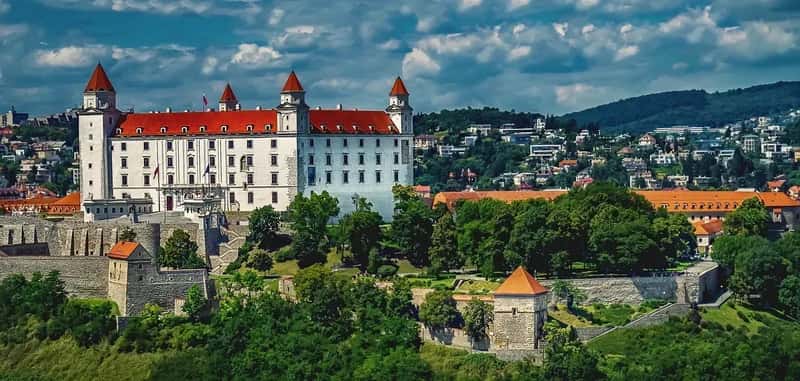
Bratislava sits in Vienna’s shadow, both geographically and reputationally, which works in budget travelers’ favor. The capital of Slovakia was made for penny pinchers, as you won’t spend a cent to wander Bratislava’s fairy-tale Old Town or stroll along the Danube River, and rooms at stylish hotels often dip below $150 per night.
The Bratislava Card covers entrance to more than 20 museums and attractions including the famous Bratislava Castle, and offers extra perks like store and restaurant discounts and a city walking tour. The city’s compact size means you can explore most attractions on foot, eliminating transport costs entirely. Its proximity to Vienna makes it an easy add-on, yet far fewer tourists make the journey across the border, keeping prices remarkably reasonable.
Valencia, Spain
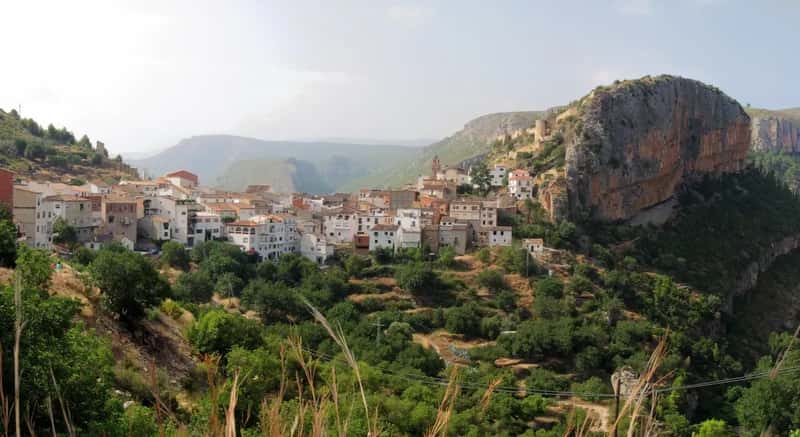
Spain might seem surprising on this list given the overtourism issues plaguing Barcelona and Madrid, but Valencia offers a different story. Valencia offers beautiful beaches and an array of activities without the crowds and cost of popular Spanish cities like Barcelona. You get the Mediterranean coastline, innovative architecture like the City of Arts and Sciences, and paella in its birthplace – all without battling through throngs of tour groups.
Europe welcomed nearly 340 million international tourists in the first half of 2025, with France and Spain seeing strong growth in arrivals. About 93% of UK visitors went to just five of Spain’s 17 autonomous regions, and Spain launched campaigns to diversify UK tourists’ Spanish holiday destinations. This concentration means Valencia still flies under the radar – for now. As Spain actively promotes lesser-known regions to redistribute tourist pressure, Valencia’s affordability advantage will likely diminish.
Vilnius, Lithuania
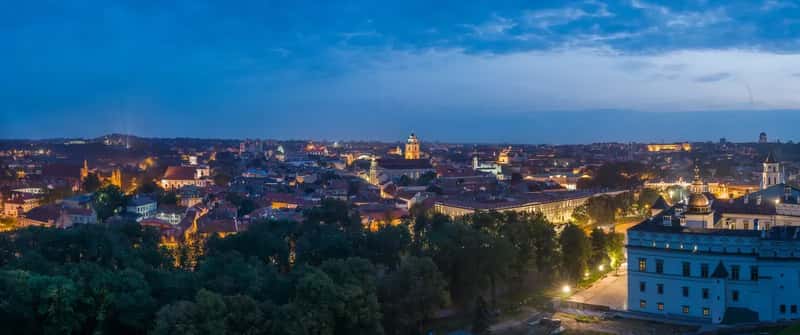
Vilnius charms visitors with an almost bohemian energy that’s increasingly rare in European capitals. Vilnius charms visitors with its baroque architecture, cozy cafes, and a bohemian spirit, all at a traveler-friendly cost. The Old Town feels like wandering through a living fairy tale, minus the price tag you’d pay for similar experiences elsewhere.
Inexpensive local dishes like cepelinai are available with budget flights and accommodations, and free Old Town walking tours make it possible to experience the city without constant spending. The artistic republic of Užupis – a self-declared neighborhood with its own constitution – offers quirky charm that major cities can’t manufacture. Lithuania remains off most travelers’ standard European itineraries, preserving both authentic local culture and accessible prices.
Cluj-Napoca, Romania
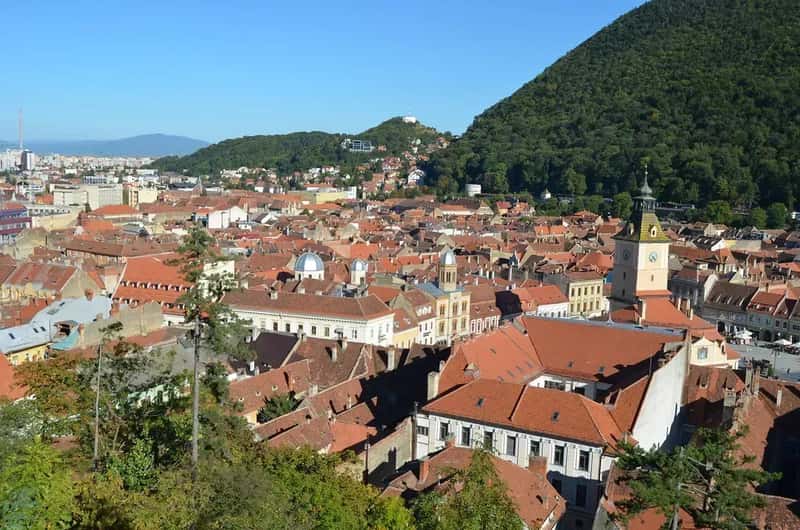
Romania’s unofficial second capital remains wildly underrated despite offering incredible value and rich cultural programming. Restaurant prices are very affordable, between 5 and 10 euros for a very hearty meal, making trips to Romania among the richest culturally and clearly the cheapest.
Cluj-Napoca attracts many European students, as the cost of living is really cheap in Romania, and it appeals to culture lovers with concerts, shows, music, theatre, and art everywhere and all year round. Many of the activities mentioned are free of charge, which is almost unheard of in Western Europe. The city’s thriving nightlife scene rivals bigger European cities, yet the most expensive cocktail costs around 4 euros. As more European students discover Cluj-Napoca’s affordability and universities continue expanding international programs, this Romanian gem won’t stay secret much longer.
Conclusion

The truth is, European travel is changing rapidly. About 19% of European travelers stayed home due to high prices, and among non-Europeans considering international trips, 46% skipped Europe for financial reasons. These statistics reveal the affordability crisis affecting popular destinations, but they also highlight why discovering these accessible cities matters now more than ever.
These ten cities offer authentic European experiences without requiring you to choose between seeing historic sites and eating decent meals. From Porto’s riverside charm to Cluj-Napoca’s vibrant student culture, each destination delivers remarkable value – today. Tomorrow? That’s harder to guarantee. Many reliably cheap cities aren’t so cheap anymore, with hotspots in Greece, Spain, Italy and more seeing hiked prices to match overtourism.
The window for affordable European travel hasn’t closed completely, but it’s definitely narrowing. These cities represent your chance to experience Europe’s diversity, history, and culture before they join the ranks of places where budget travelers struggle. So which one catches your eye? Where will you go while the prices are still on your side?