After fifteen years of booking hotels for clients who range from honeymooners to burned-out executives who just want a quiet room and a decent shower, I’ve developed a kind of radar. It’s not magic. It’s pattern recognition, the same way a mechanic hears a rattle and already knows which part is loose before popping the hood.
Most travelers scroll through listings looking for the lowest price or the prettiest pool photo. I look for the things that quietly signal trouble later, the small details that never make it into the marketing copy but end up costing my clients money, comfort, or both. Here are the six red flags that make me close a listing and move on, no matter how good the headline rate looks.
1. A resort fee that only shows up at checkout
If a hotel’s advertised rate looks suspiciously low compared to everything else in the area, I’ve learned to assume there’s a resort fee waiting somewhere in the fine print. A 2025 study by NerdWallet that looked at over 400 hotels found the national average for these fees is around $33 to $35 per night, though depending on the destination they can range much higher.[1] In places like Las Vegas, some of the highest resort fees now reach $55 per night before tax, which comes to over $62 including tax[2], and that’s before the room rate is even added.
The good news is that spotting this got a little easier recently. Since May 12, 2025, an FTC rule has required hotels and booking platforms to display the total price, including resort fees, upfront rather than at checkout.[3] Transparency isn’t the same as elimination, though. Resort fees are not going away, a NerdWallet study finds, despite the new FTC rule requiring hotels to show full prices upfront.[4] If a property still buries that number several clicks deep, I take it as a sign the hotel isn’t especially interested in being upfront with guests about anything else, either.
2. A cancellation policy that’s rigid, confusing, or both
I read cancellation terms the way some people read a contract before signing it, because that’s essentially what a hotel booking is. The industry has been drifting back toward stricter terms. Travelers are encountering a worrisome trend in 2025: airlines and hotels are increasingly bringing back non-refundable bookings, rolling back the flexible cancellation policies that became common in recent years.[5]
What worries me more than a strict policy is a confusing one, the kind where the deadline, the fee, and the refund method are scattered across three different pages. Around one in five US hotel reservations get canceled before check-in, and the rules behind those cancellations changed in 2024 and 2025 through new federal and state laws.[6] Some properties have gotten stricter still, tightening windows that used to give travelers a comfortable buffer before charging a penalty. When a policy takes me three read-throughs to understand, I assume the average traveler booking it directly will get burned eventually.
3. Photo galleries that skip the actual room
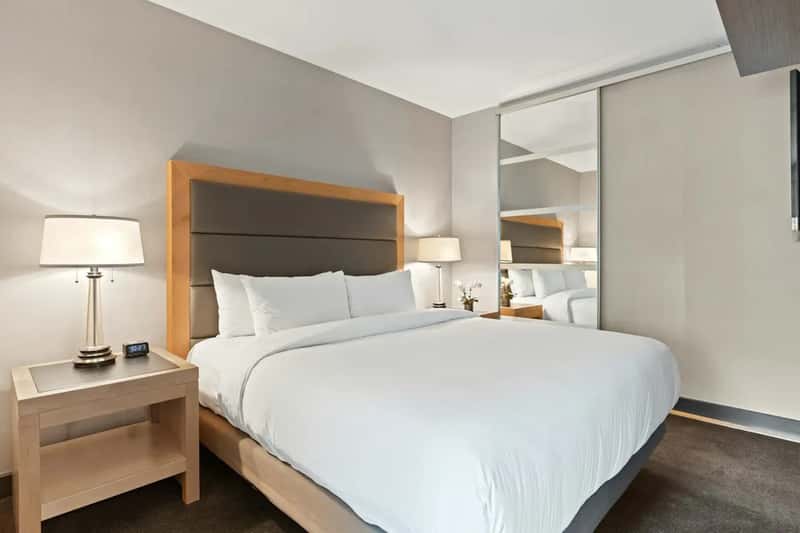
This one sounds obvious, but I still see it constantly. A listing shows the infinity pool, the lobby chandelier, the rooftop bar at golden hour, and then, somewhere around photo fourteen, a single blurry shot of a bed that could belong to any hotel on earth. That gap tells me the room itself probably isn’t the selling point, and it’s usually smaller, older, or noisier than the rest of the gallery suggests.
I tell every client the same thing: count the room photos before you count the amenity photos. A property confident in its actual guest rooms will show you the bathroom, the closet space, the view or lack of one, and what the room looks like from more than one flattering angle. When a hotel only wants to show you its common areas, it’s usually trying to distract from something.
4. Reviews that quietly went stale

A hotel with four hundred reviews sounds reassuring until you notice the most recent one is from over a year ago. That gap usually means one of two things: the property changed hands or management, or it simply stopped showing up in enough searches to generate fresh feedback, which is its own kind of warning sign.
I always sort by most recent first, not by highest rated, because ratings can be inflated by a strong opening season that never got maintained. A steady trickle of reviews from the last few months tells me the hotel is still operating the way it was when it earned its reputation. Silence for a long stretch, especially after a flurry of older five-star reviews, makes me dig further before I recommend it to anyone.
5. Location language that avoids specifics
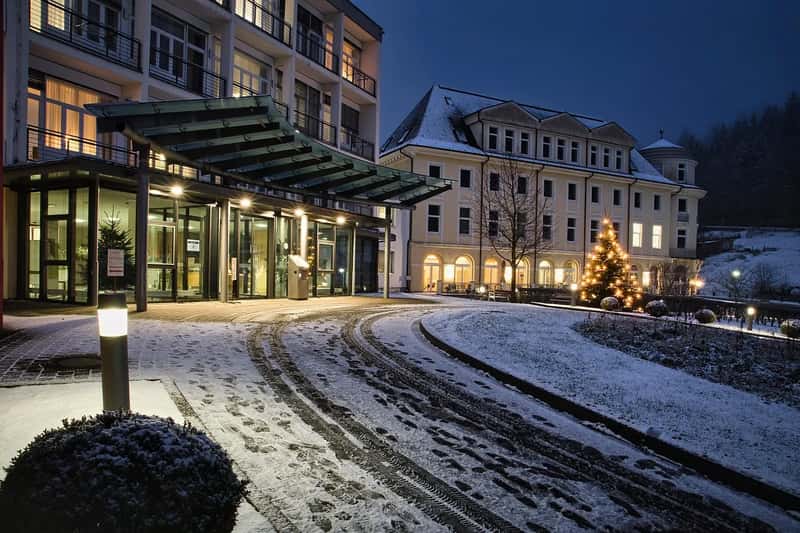
Phrases like “steps from downtown” or “minutes from the beach” are doing a lot of quiet work if the listing never mentions an actual distance. I’ve had clients end up a twenty-minute rideshare from where they thought they’d be staying, all because the property description leaned on mood instead of measurements.
Now I check the address against a map before I book anything, every single time, no exceptions. If a hotel’s own description avoids giving a walking time or a mile count to the attraction it’s clearly trying to associate itself with, that’s usually because the real distance wouldn’t help the sale. A property proud of its location tells you exactly how close it is, because it has nothing to soften.
6. Amenity lists that read like they were copied from somewhere else
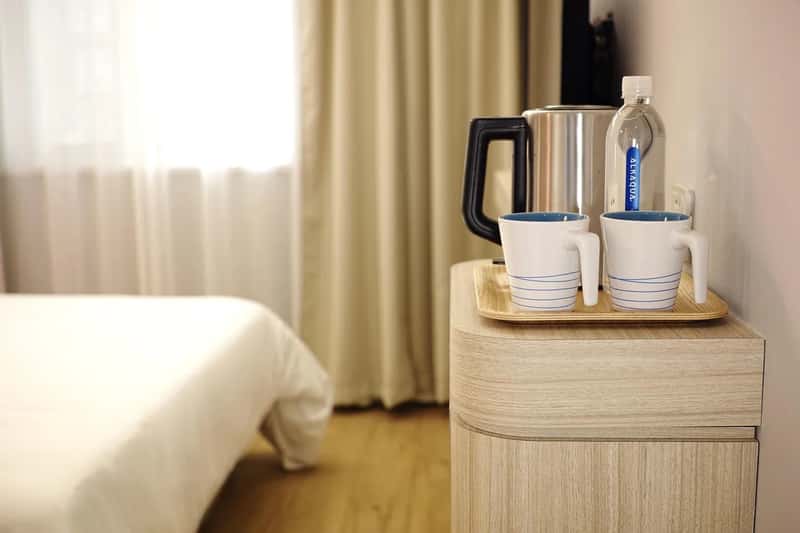
Every so often I come across a listing where the amenities section reads suspiciously close to a dozen other properties in the same city, same wording, same order, same vague mentions of “modern comfort” and “world-class service.” That kind of copy-paste writing usually signals a management company running the listing on autopilot rather than a property that’s actually updated its offerings recently.
I look for specifics instead: the actual breakfast hours, whether the gym has more than two treadmills, what the parking situation genuinely costs. Listings that answer those questions clearly, without generic filler, tend to belong to hotels that are paying attention to their own details. When I can’t find a single concrete fact buried in the amenities section, I take it as a sign the hotel isn’t paying much attention either.