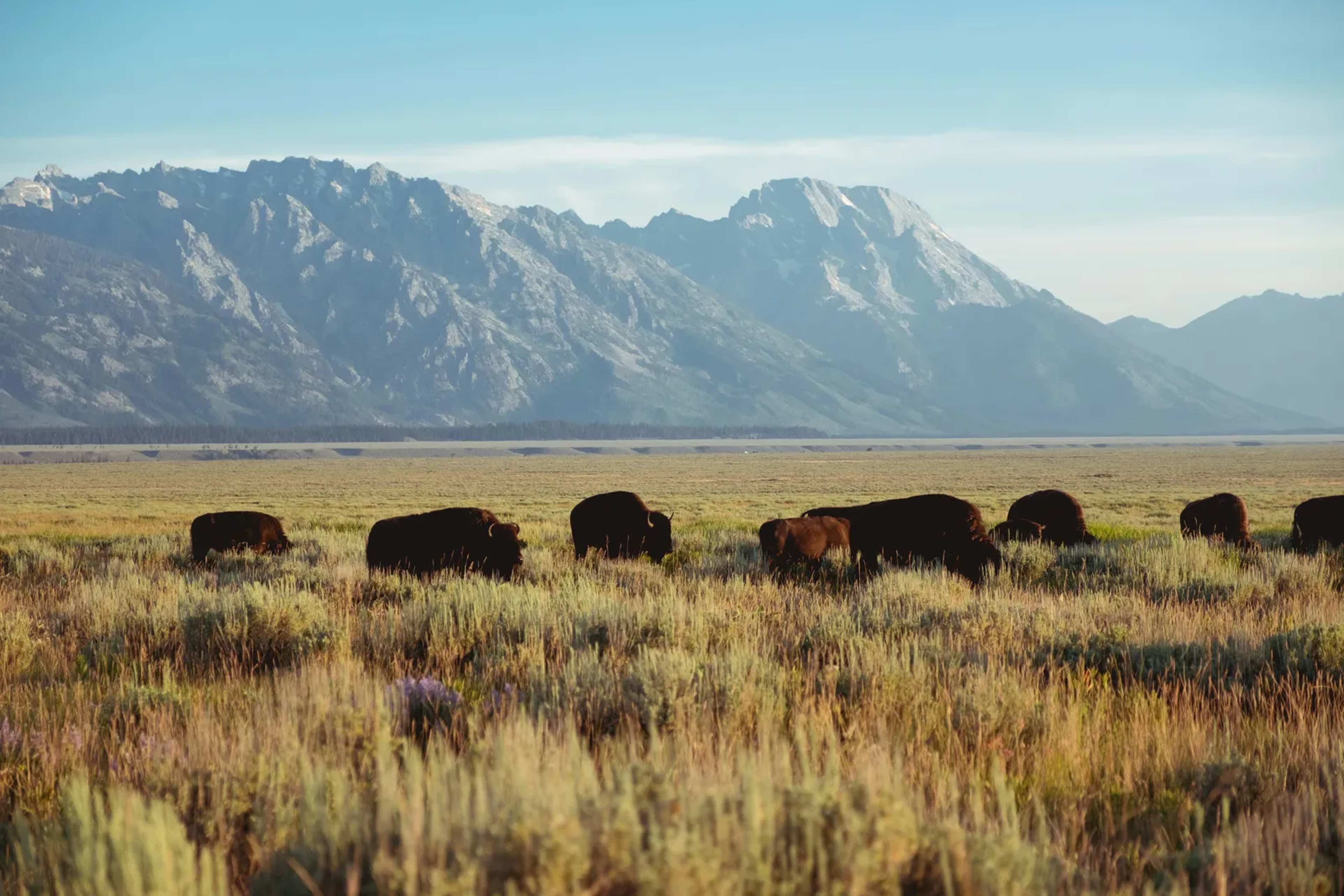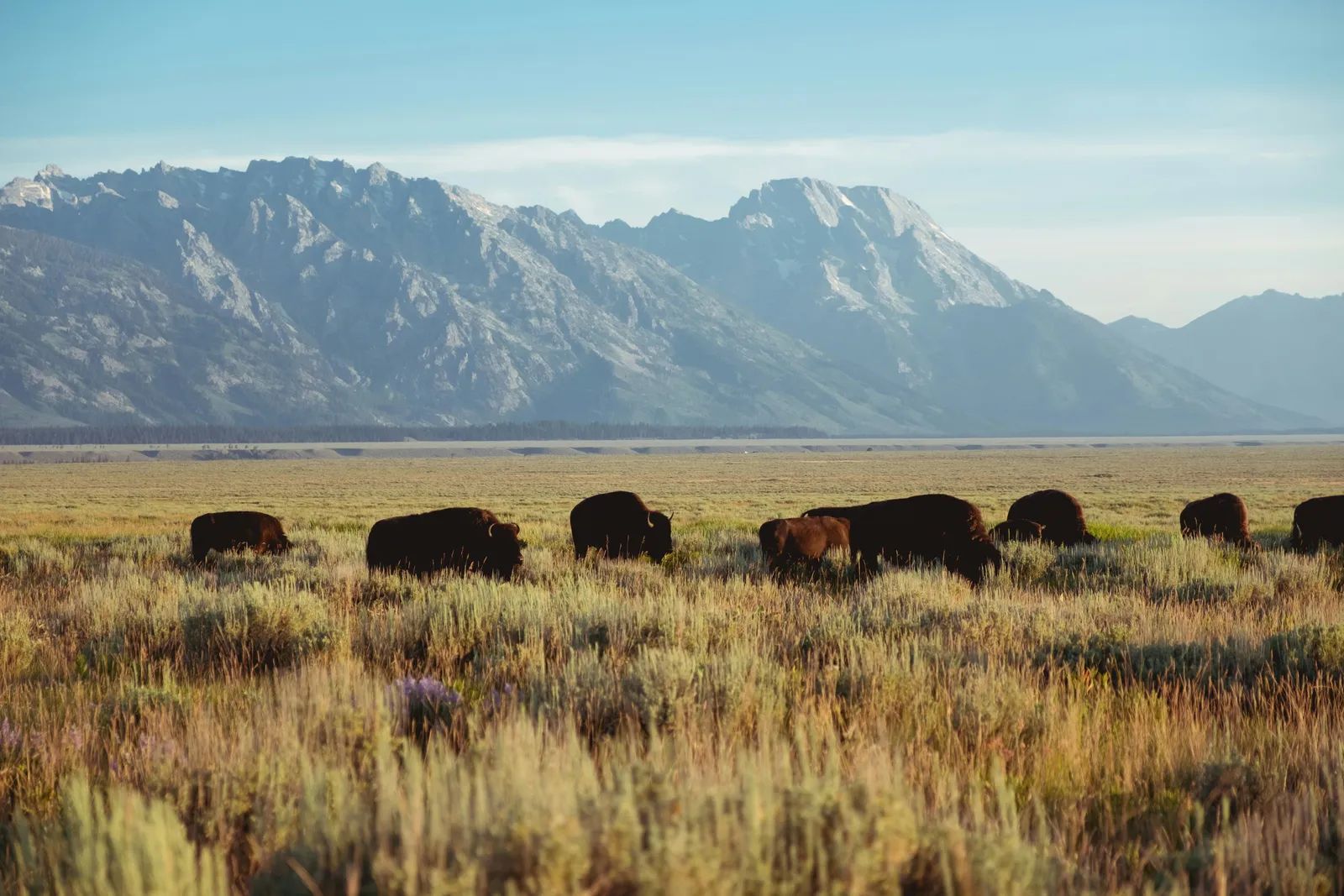
Montana – A federal judge has issued a temporary order preventing the removal of bison from three grazing allotments on public lands, preserving the animals’ presence for now while a broader legal challenge proceeds. The decision comes after the Bureau of Land Management withdrew long-standing permits held by a conservation group, shifting its stance on how bison should be classified under grazing rules. This move has immediate effects on ongoing restoration work that has spanned more than two decades in the region.
Shift in Federal Grazing Policy
The Bureau of Land Management reversed its approach to bison earlier this year by canceling permits previously issued to American Prairie. Officials argued that the animals qualify as wildlife instead of livestock suitable for production-oriented grazing. The agency also introduced updated regulations that could block similar permits in the future. This change marked a departure from prior practice, under which bison had been allowed on federal allotments alongside other grazing uses. American Prairie had relied on those permits to maintain herds on both public and private holdings as part of its long-term restoration project. The policy reversal created uncertainty for the organization’s operations and raised questions about consistency in how federal land managers treat different types of grazing animals.
Court Intervention and Legal Challenge
American Prairie responded by filing suit in August, contesting the permit cancellations as inconsistent with existing law. U.S. District Judge Brian Morris reviewed the case and granted a preliminary injunction along with a temporary restraining order. He characterized the Bureau of Land Management’s action as arbitrary, capricious, an abuse of discretion, and not in accordance with the law. The ruling focuses narrowly on the three allotments where the organization’s bison currently graze. It does not alter the new grazing regulations themselves, leaving those provisions intact pending further proceedings in the full lawsuit. The order provides immediate relief by keeping the animals in place while the litigation continues.
Practical Effects on Stakeholders
The decision directly affects American Prairie and its staff, who have invested years in building sustainable bison populations on Montana lands. Federal land managers must now maintain the status quo on the specified allotments rather than proceed with removal plans. Ranchers and other permit holders in the area may watch the case for signals about how similar grazing arrangements could be treated going forward. – Conservation groups monitoring public-land access for wildlife projects
– Local communities that benefit from tourism tied to visible bison herds
– Bureau of Land Management staff responsible for implementing grazing rules
– Legal teams preparing arguments for the remaining stages of the lawsuit These parties now face a period of continued operations under the court-ordered pause, with outcomes depending on how the broader case develops.
Looking Ahead for Public Lands Use
The temporary order underscores ongoing tensions between conservation goals and evolving interpretations of federal grazing authority. While the immediate threat of removal has been paused, the underlying regulatory changes remain in effect for any new or expanded bison grazing proposals. American Prairie’s lawsuit will continue to test whether the Bureau of Land Management’s recent decisions align with statutory requirements. The situation leaves open questions about long-term access to public lands for bison restoration efforts. Stakeholders on all sides will likely track court filings and agency responses in the months ahead as the case moves toward resolution.