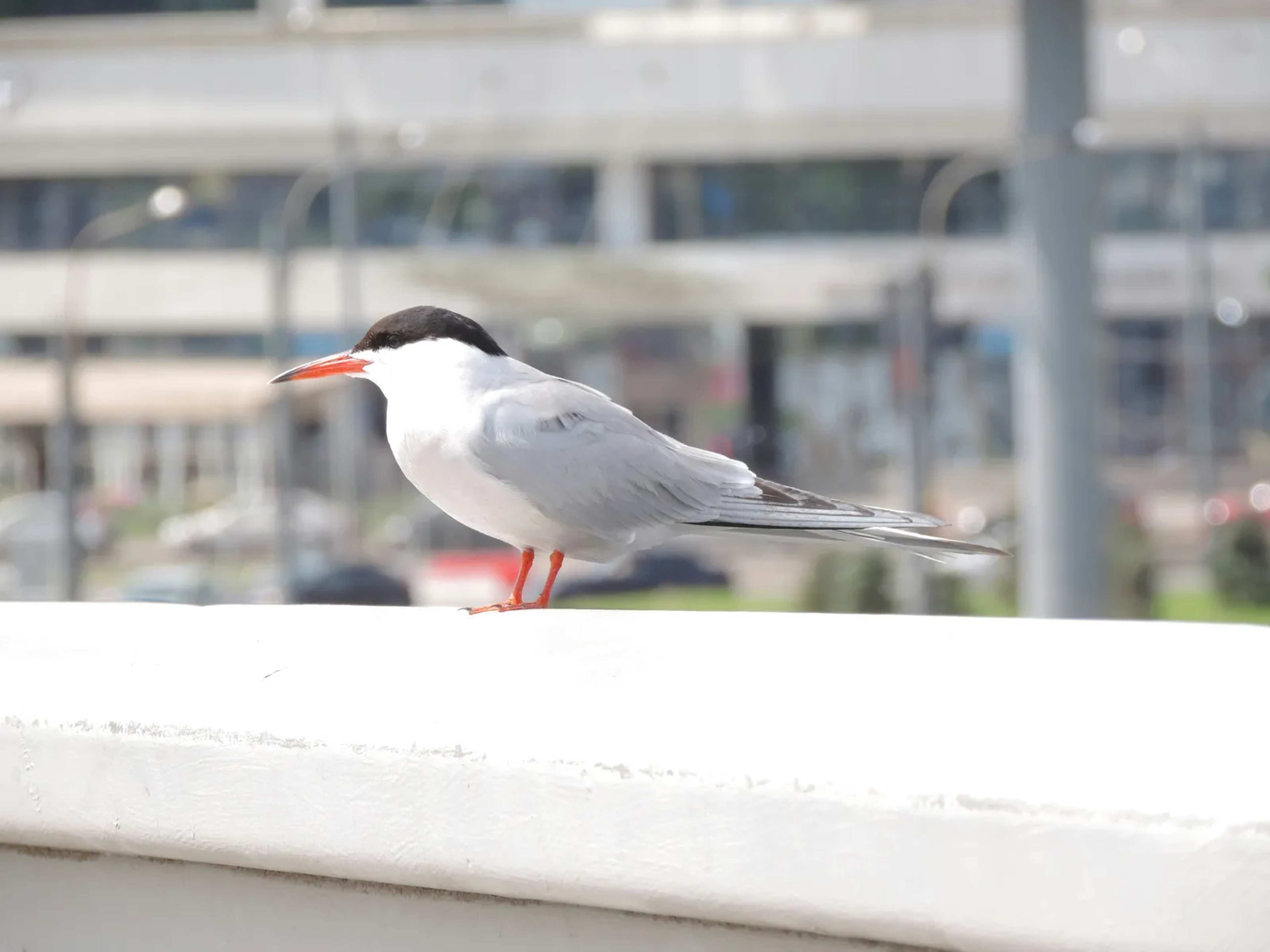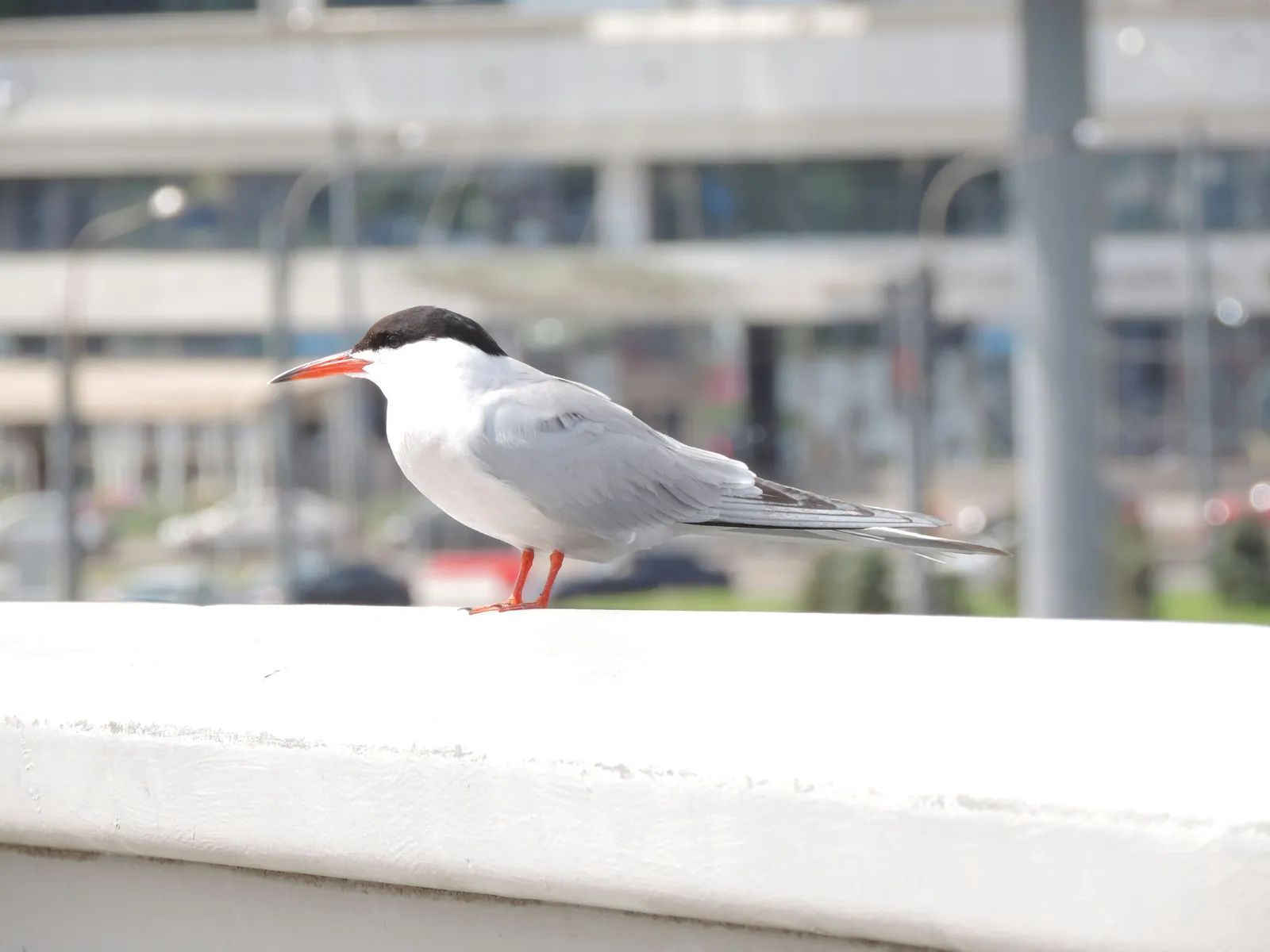
San Francisco Bay – Visitors and residents noticed an unusual concentration of seabirds overhead during the peak of summer. Flocks of elegant terns moved steadily across the water in August and September, often with the Golden Gate Bridge framing their flight paths. The birds appeared focused on one activity above all others: hunting for fish. Many of those thousands of individuals were likely hatched in the region, marking a shift from patterns observed in prior years. ([1])
A Familiar Landmark, A New Seasonal Presence
The Golden Gate Bridge has long served as a backdrop for wildlife sightings in the Bay Area. This summer the scene gained an added layer of activity as elegant terns swept through in noticeable numbers. Observers described the birds moving in coordinated groups rather than scattered individuals. Their presence aligned closely with the warmer months when fish populations in the bay tend to rise. The timing stood out because it coincided with the period when young birds from local colonies would be gaining independence. Earlier seasons had shown fewer juveniles remaining in the immediate area after fledging. The current surge suggests that a larger share of this year’s offspring stayed close to their birthplace instead of dispersing farther along the coast.
Behavior That Draws Attention
Elegant terns are known for their graceful flight and precise dives when pursuing prey. In the Bay this summer those dives became a common sight from shorelines and bridges. The birds worked in loose formations, scanning the surface before plunging in quick succession. Such coordinated feeding often signals abundant food sources below. Local bird enthusiasts noted that the activity continued through daylight hours without obvious disruption from boat traffic or wind conditions. The terns appeared comfortable sharing airspace with other species that frequent the same waters. Their calls added a distinct layer of sound to areas that usually feature only the steady hum of passing vessels.
Signs of Local Breeding Success
The fact that many of the birds were probably born in the Bay points to improved conditions for nesting and chick survival. Elegant terns typically select protected sites along the coast or on islands within the estuary. When young remain nearby after leaving the nest, it often reflects steady food availability and lower disturbance during the critical early weeks. This development offers a practical indicator for those who monitor regional wildlife trends. Consistent returns of juveniles can signal that the broader ecosystem is supporting the full life cycle of the species. Continued observation through the fall will help clarify whether the pattern holds or shifts with changing water temperatures and prey movements.
What Comes Next for Bay Watchers
As cooler months arrive, the terns are expected to begin their southward migration. Some individuals may linger longer if fish remain plentiful. Birders and casual observers can still catch glimpses from public access points along the shoreline during the transition period. The recent concentration serves as a reminder that even well-known urban waterways continue to host dynamic wildlife events. Tracking these seasonal shifts helps build a clearer picture of how the Bay supports migratory and resident species alike. Future summers will show whether the current numbers represent a one-time occurrence or the start of a steadier presence.