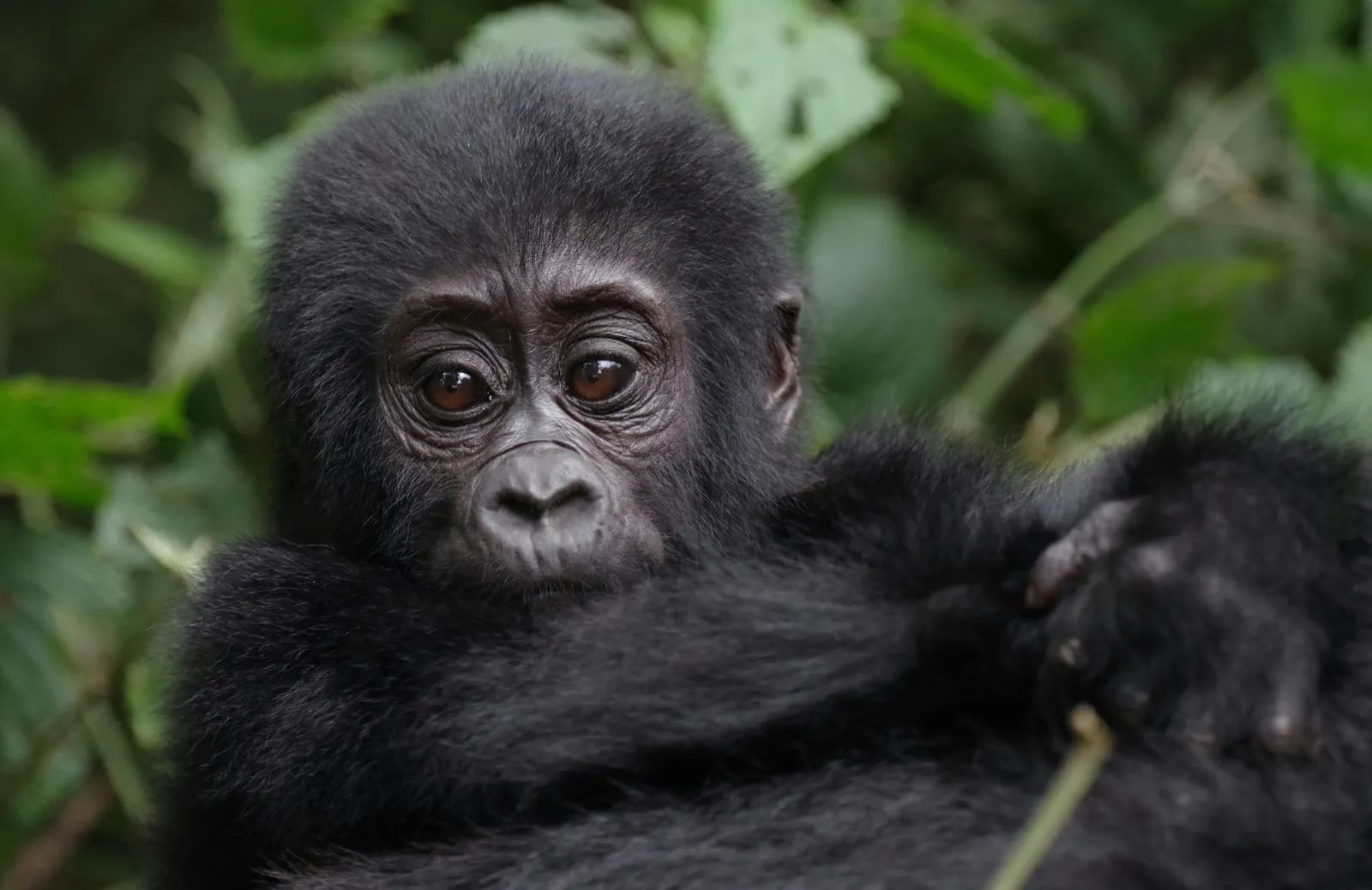
Residents living next to Bwindi Impenetrable National Park confront a clear mismatch between rising gorilla numbers and fixed forest space. Their response centers on planting useful trees on community land so that daily needs for medicine, fuel and materials stay outside the protected area. The effort directly supports continued gorilla trekking, a major draw for visitors who come to see habituated families in their natural setting.
Pressure Builds as Numbers Rise
Bwindi holds roughly 450 mountain gorillas, nearly half the global total recorded above 1,000 in a 2018 survey. The subspecies has recovered from near-extinction risk, yet the forest boundary has not expanded. Tourists trek into the park daily, and local livelihoods depend on both the animals and the surrounding land. This creates practical tension for families who once gathered resources inside the forest. Without alternatives, growing demand risks repeated entry into gorilla habitat. The tree-planting program offers a direct substitute that keeps essential activities on private or community plots.
Practical Steps on the Ground
Change a Life Bwindi, founded by Christina Katushabe, supplies seedlings and works with the Batwa community to choose species valued for medicine, timber and firewood. The Uganda Wildlife Authority distributes the plants, including varieties that people previously sought inside the park. Joseph Muhindo, an assistant tourism officer with the authority, noted that residents can now harvest what they need locally without affecting gorilla habitat. The approach restores degraded areas while boosting biodiversity on the park edge. Participants select trees that match traditional uses, turning the buffer zone into a working resource rather than empty land. Early results show reduced incentive for park entry as household needs are met closer to home.
Who Gains and What Changes Next
Several groups see direct effects from the planting: – Batwa families gain involvement in species selection and land restoration.
– Tourism operators benefit from stable gorilla viewing conditions.
– Park authorities reduce enforcement pressure along the boundary.
– Broader communities access reliable supplies of medicinal and craft materials. The timeline remains ongoing, with seedling distribution continuing through local channels. Success depends on sustained participation and matching tree growth to household demand.
Looking Ahead for Trekking and Habitat
The program links everyday community needs with long-term protection of one of the world’s most visited gorilla populations. As trekking continues to draw international visitors, the planted buffers help maintain the conditions that make those experiences possible. The outcome rests on whether the planted trees meet local requirements at the same pace the gorilla numbers keep rising.