Air travelers across the United States are once again bracing for delays as two very different weather systems squeeze the aviation network from opposite directions. A slow-moving tropical storm churning off the Gulf Coast and a stubborn band of thunderstorms parked over the Northeast have combined to disrupt thousands of flights this week, prompting major carriers to roll out a familiar safety net: the travel waiver.
These waivers, which let passengers change their itineraries without paying extra fees, have become almost routine during major storm events. Still, the scale of this week’s disruption, stretching from Houston to Boston, is a reminder of just how vulnerable the country’s busiest hubs remain when weather refuses to cooperate.
A Two-Front Weather Problem for U.S. Aviation

What makes this week unusual is that airlines are managing disruption on two separate fronts at once. Northeast thunderstorms and Tropical Storm Edouard along the Gulf Coast are disrupting U.S. air travel, prompting airlines to issue waivers and warn of cascading delays.[1] That combination has forced dispatchers and operations teams to juggle flight plans in two regions simultaneously rather than focusing recovery efforts on a single storm system.
Travelers flying in and out of the Northeast and the Gulf Coast on Tuesday, September 1, 2026, are facing a volatile mix of strong thunderstorms and tropical weather, with major U.S. carriers issuing travel waivers and federal aviation data pointing to mounting delays across the system.[1] The ripple effects have not stayed contained to either region, since aircraft and crews scheduled for later flights elsewhere in the country often get caught up in the backlog.
Tropical Storm Edouard Slams the Western Gulf Coast
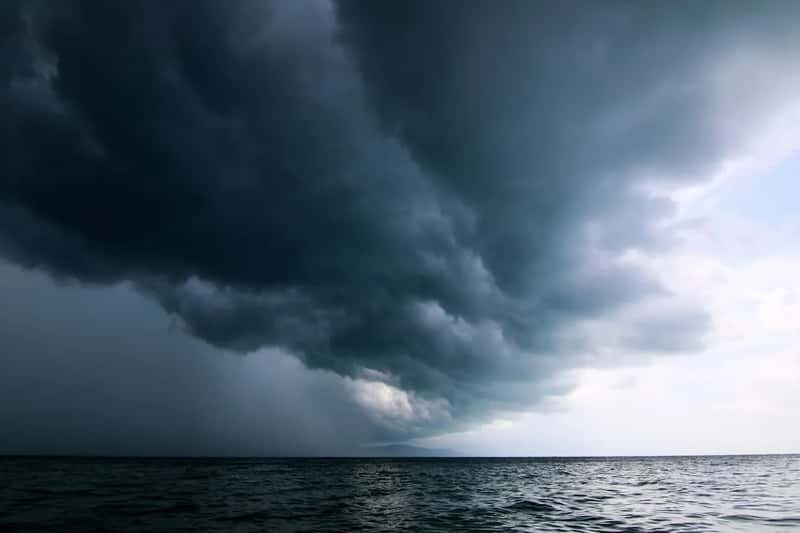
Edouard has been the more dramatic of the two systems from a pure weather standpoint. The official landfall occurred at 2:20 p.m. CDT near Johnson Bayou, Louisiana, with winds of 60 mph, with gusts as high as 71 mph near the Texas/Louisiana border.[2] The storm intensified quickly, having strengthened from a Potential Tropical Cyclone to a full-blown tropical storm within the span of nine hours on Monday.[3]
Rainfall has been the primary concern for residents and airport operators alike. The hurricane center said Edouard was expected to dump 3 to 6 inches of rain along the Texas coast through east-central Texas, but some areas could see up to 9 inches.[4] Cities in the storm’s path, including the Houston metro area, along with Lafayette and Lake Charles, faced a flash flooding threat over the coming days.[5] By Wednesday morning, the system had weakened but was still causing headaches on the ground, as the former Tropical Storm Edouard, which has weakened to a tropical depression, continued to bring wind and heavy rain to Texas Wednesday as the system moved through the state.[6]
Northeast Hubs Buckle Under Repeated Thunderstorm Cells

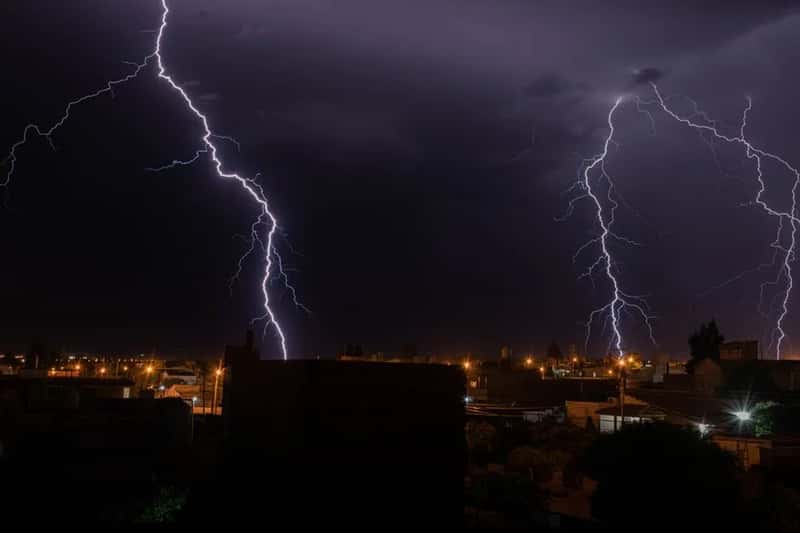
While Edouard dominated headlines along the Gulf, a separate and arguably more disruptive weather pattern settled over the Northeast corridor. Severe late summer thunderstorms sweeping across the Northeast corridor on September 1 and 2, 2026, are causing widespread flight disruptions at major hubs from New York to Boston and Philadelphia, with data from tracking services showing elevated cancellations and lengthy delays for thousands of travelers.[7]
The geography of the storm cells has been especially unhelpful for air traffic controllers. The risk zone encompassed much of Pennsylvania, New York, and New England, placing major terminals in New York City, Boston, Philadelphia, and surrounding airports directly beneath active storm cells, limiting the number of arrival and departure routes available to controllers and forcing aircraft to detour around convective weather.[7] Newark in particular took a hard hit, as severe thunderstorms across New Jersey triggered lengthy delays at Newark Liberty International Airport and scattered power outages, complicating travel at the start of September.[8]
How a Weather Waiver Actually Works
For travelers unfamiliar with the term, a weather waiver is essentially a temporary grace period an airline grants when severe weather threatens its network. A weather waiver is a short term policy an airline issues when a major storm or other disruptive event is expected to hit specific airports, letting affected travelers change their flight with fewer restrictions, usually with no change fee and often with no fare difference, as long as the new flight follows the waiver rules.[9]
It’s worth understanding the limits before assuming you’re automatically covered. Waivers are not required by federal law, so an airline issues them at its own discretion and only for certain storms, and each waiver is tied to a specific list of cities and a specific travel window. If your airport or your dates are not on that list, you are not covered for a free change.[9] That distinction matters this week, since the Gulf Coast waivers and Northeast waivers cover different airports, different carriers, and different rebooking windows.
What the Major Airlines Are Offering Right Now
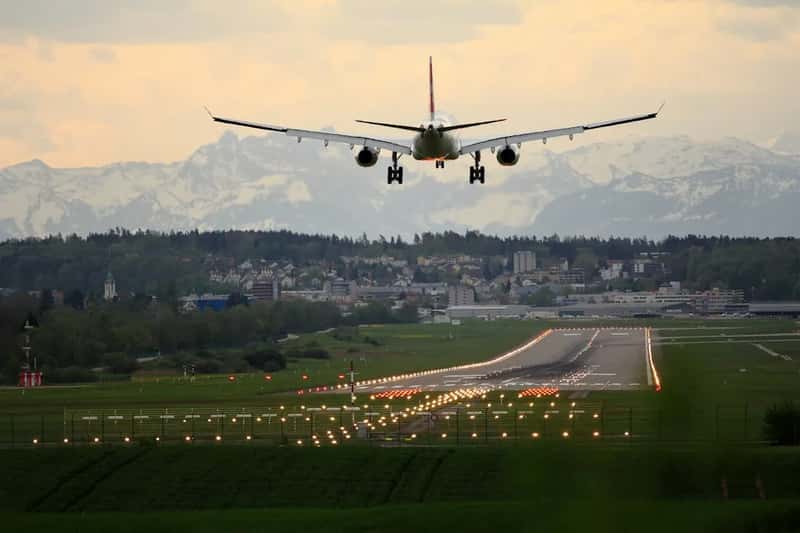
Carriers with heavy exposure to the affected regions moved quickly once forecasts solidified. Airlines with large Gulf Coast networks have issued waivers for itineraries touching airports in the projected path of Edouard, covering travel dates around September 1 and 2, typically permitting one-time rebooking onto earlier or later flights, subject to seat availability in the same cabin, with some also allowing rerouting through alternative hubs to avoid the worst of the weather.[1]
For the Northeast, the pattern has looked similar but with a longer runway. Information shared through airline channels and traveler forums indicates that some waivers tied to the New York thunderstorms cover flights from late August through the first days of September, reflecting expectations that knock-on effects may extend beyond the initial storm passage.[8] Regional carriers such as Republic Airways and Endeavor Air, which fly on behalf of larger brands, along with JetBlue, have also been affected, with Republic Airways and Endeavor Air, which operate feeder flights for several large brands, each listed with around 80 scrapped departures, while JetBlue has cancelled more than 40 flights across its network, many of them tied to Northeast routes.[10]
Which Airports and Cities Are Covered by Current Waivers
The list of affected airports has grown as the storm systems evolved. Earlier advisories tied to East Coast thunderstorms specifically named a cluster of airports along the corridor, with Southwest’s advisory including Baltimore (BWI), Boston (BOS), Hartford (BDL), Long Island/Islip (ISP), New York LaGuardia (LGA), Philadelphia (PHL), Providence (PVD), and Washington Reagan National (DCA).[11] Air Canada issued similar accommodations, with flexible ticketing policies for several airports affected by thunderstorms and air traffic control initiatives, including Boston (BOS), Newark (EWR), New York LaGuardia (LGA), and Philadelphia (PHL).[11]
On the New York side specifically, waiver notices have been detailed enough to name individual terminals. Publicly shared waiver notices for one large U.S. carrier covering the New York area specify that customers ticketed to or from Newark, JFK, LaGuardia, and nearby airports over the next several days[10] may qualify for penalty-free changes. As always, the exact list shifts by carrier and by day, so checking an airline’s own travel advisories page remains the most reliable way to confirm eligibility.
Why Recovery Takes Longer Than the Storm Itself
One of the most frustrating aspects of storm-driven disruption is that the delays rarely end when the rain stops. Aircraft and flight crews get scattered out of position across the network, and it can take a full day or more to reset schedules. This pattern has repeated itself throughout 2026, and on other recent disruption days, storms contributed to more than 900 cancellations and around 2,600 delays nationwide.[12]
Chokepoint airports amplify the problem nationwide. As one aviation analysis put it, air travel across the United States in 2026 has been experiencing repeated waves of delays and cancellations, especially at major hubs like New York City, Chicago O’Hare, and Denver International Airport, with more than 900 cancellations and 2,600-plus delays reported during peak disruption events.[12] When a hub like Newark or LaGuardia slows down, the effects are rarely contained to that single airport; they cascade through connecting flights across the country for the rest of the day.
Practical Steps for Travelers Caught in the Disruption
If you’re flying through an affected region this week, the first move is simple: check your airline’s app or website before heading to the airport, since waiver eligibility and rebooking options are usually posted there well ahead of departure. Advisories from Southwest and other carriers this season have consistently pointed travelers toward the same advice, noting that if you’re eligible for a travel waiver and your schedule is flexible, it pays to move to an earlier or later flight before everyone else does.
It’s also worth remembering what a waiver does not cover. A waiver only covers the flight change; it does not pay for hotels, meals, or other incidental expenses tied to a cancellation.[9] Travelers stranded overnight should check their airline’s broader customer service commitments or travel insurance policy, since those, not the weather waiver itself, are what typically address lodging and meal costs during extended delays.
What Comes Next as the Storms Move Through
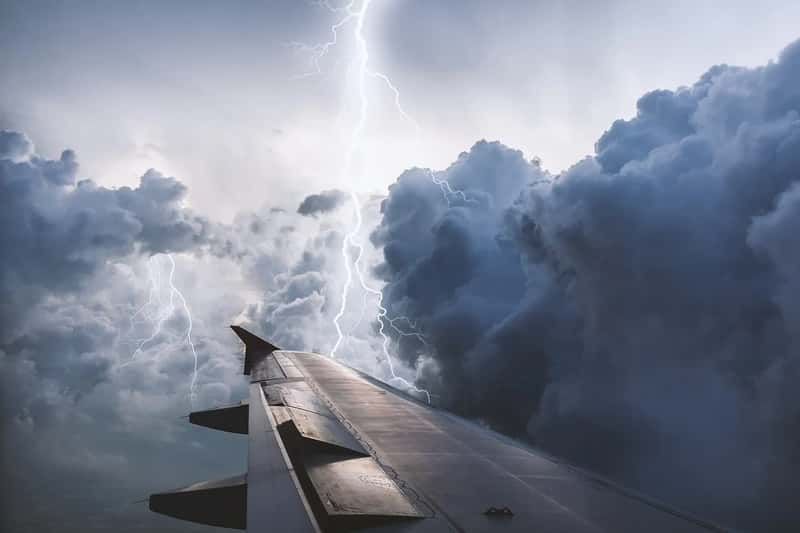
Edouard is expected to continue weakening as it pushes further inland, easing the Gulf Coast side of the equation within a day or two. The Northeast picture is less certain, since thunderstorm activity tends to be more erratic and can flare up again even after an initial system clears, extending the window during which waivers stay active.
Airlines will likely keep adjusting their advisories in real time, expanding or narrowing the list of covered airports and dates as new forecasts come in. For now, the safest approach for anyone with upcoming travel through the Gulf Coast or Northeast is to treat the situation as fluid, checking directly with the airline rather than relying on secondhand information, and building in extra time at the airport regardless of whether a waiver applies.
Storm-driven disruption has become something of a recurring theme for U.S. aviation this year, and this week’s dual weather event is unlikely to be the last test of how well airlines, airports, and travelers can adapt on short notice. The waivers offer real relief, but they work best when passengers understand their limits and act quickly once one is issued.