Most people think a senior park pass is just a cheaper ticket through the gate. It isn’t. U.S. citizens and permanent residents ages 62 and older can buy the lifetime version for $80, and it quietly unlocks free carloads, half-price campsites, and more that plenty of holders never ask about.
Some of these perks sit in plain sight. A few come with fine print that can sting if you skip it. And the one waiting at #1 may change how you look at that little card in your wallet.
#17 – The Whole Car Rides In on One Card
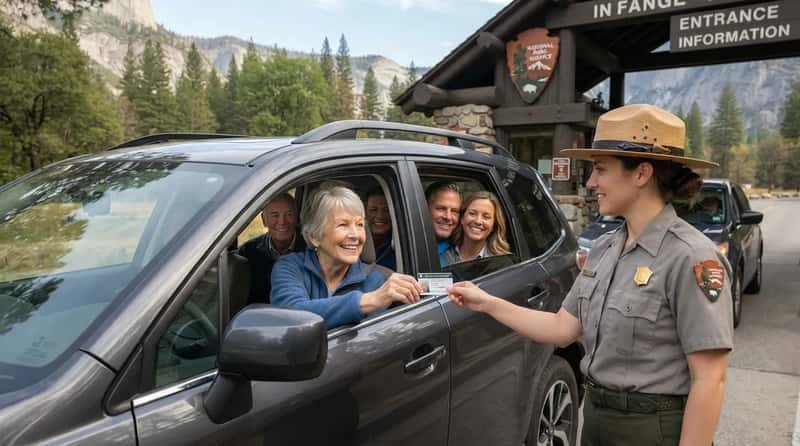
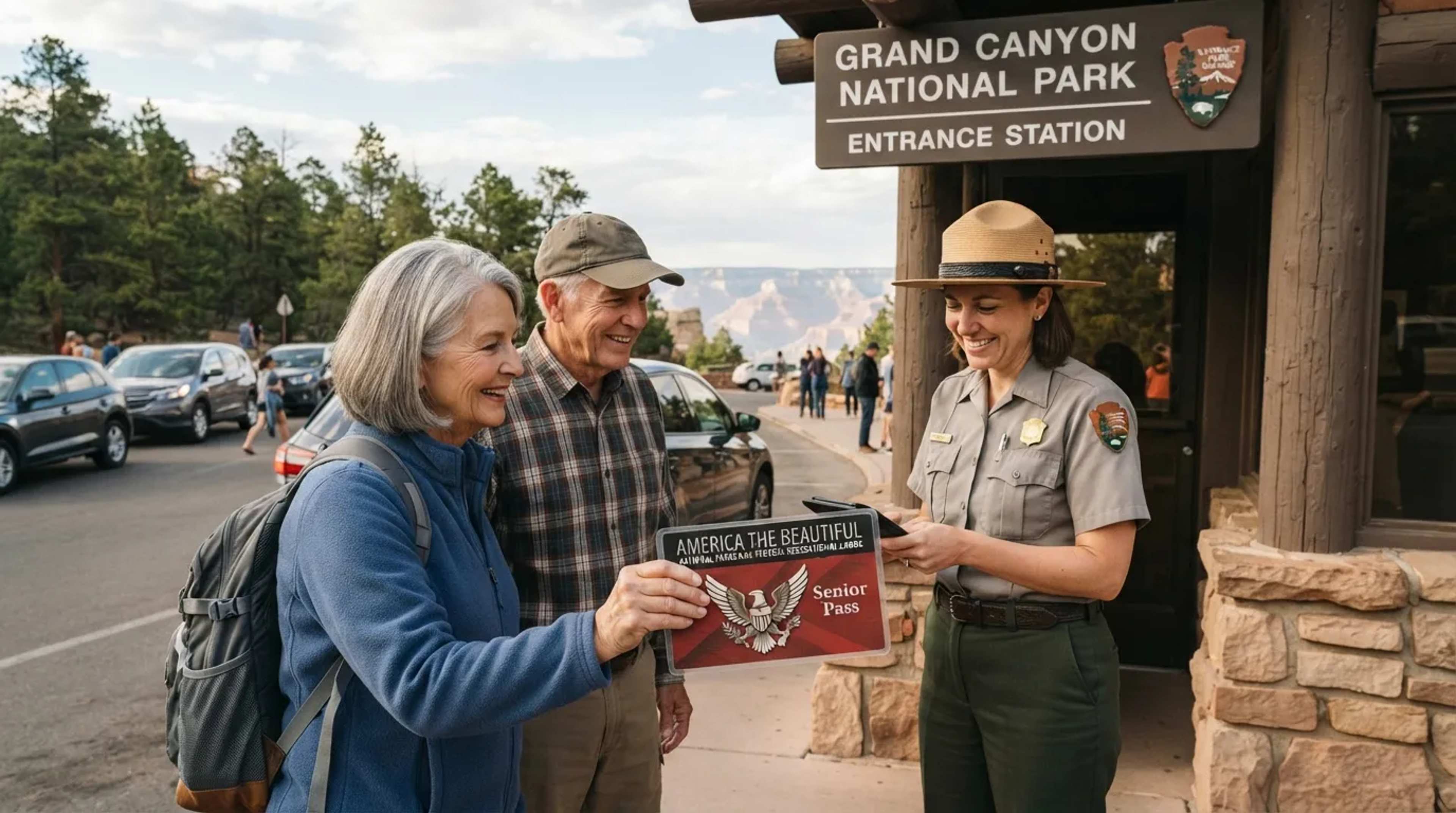
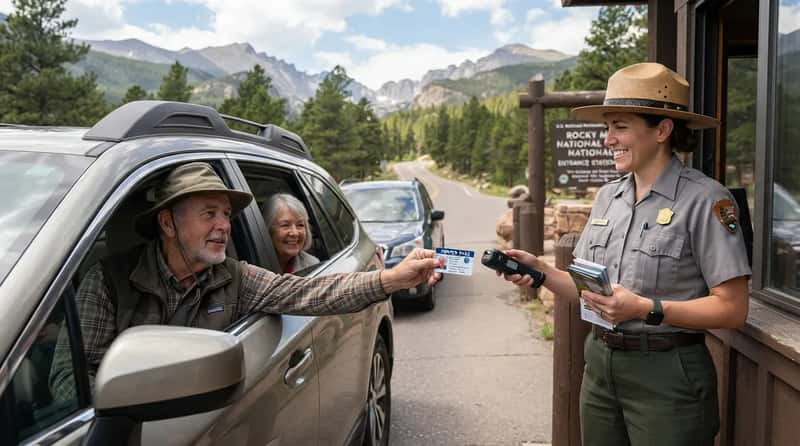
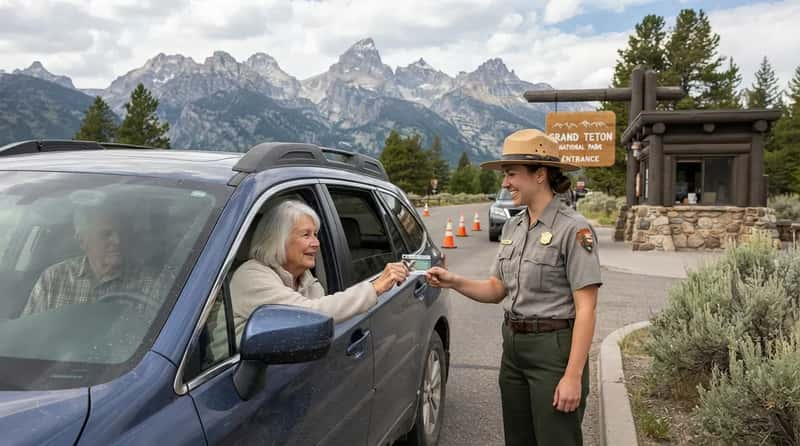
Here’s the first surprise: the pass isn’t only for the name printed on it. At vehicle-fee sites, the Senior Pass admits the owner and every passenger riding in a single non-commercial vehicle. Grandkids in the back seat, a neighbor up front, and a brother-in-law squeezed in the middle all get through on one card. Nobody has to dig for a wallet at the booth.
The twist is that the rule follows the vehicle, not the family tree. The passholder has to be in the car and show a valid photo ID, and the pass is non-transferable. Handing your card to a friend for the weekend won’t work. But the rules change completely when there’s no car to count, and that’s #16.
At a Glance
- Eligible: U.S. citizens and permanent residents age 62 or older
- Lifetime price: $80, paid once
- At vehicle-fee sites: covers everyone in one non-commercial vehicle
- At the gate: the passholder must be present with a valid photo ID
#16 – Three Extra Adults Walk In Free at Per-Person Gates
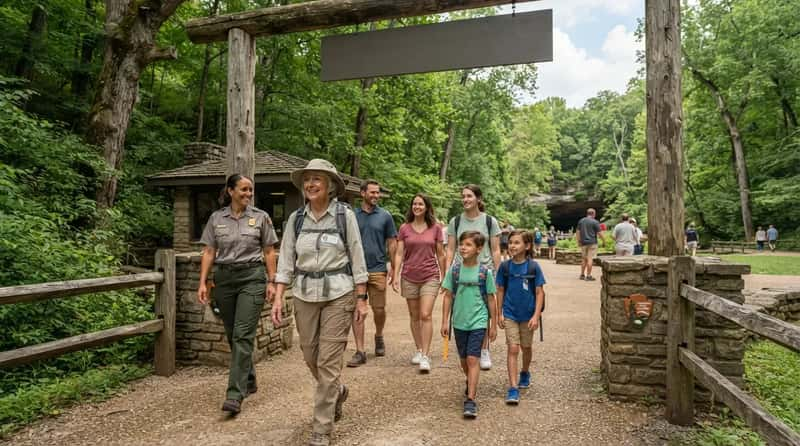
Not every gate counts cars. At per-person sites, the pass covers the owner plus three additional adults. Children under 16 are always admitted free. A family outing of four adults and a pack of kids can stroll in without an entrance charge.
Plenty of holders assume the card only covers themselves at walk-in historic sites. Not so. One National Park Service site page describes the pass as covering four per-person fees.
The limit is firm, though. It’s the passholder plus three adults, not to exceed four adults, so a fifth adult pays the regular rate. And the next perk isn’t about national parks at all.
#15 – Wildlife Refuges Count Too, and Almost Nobody Tries
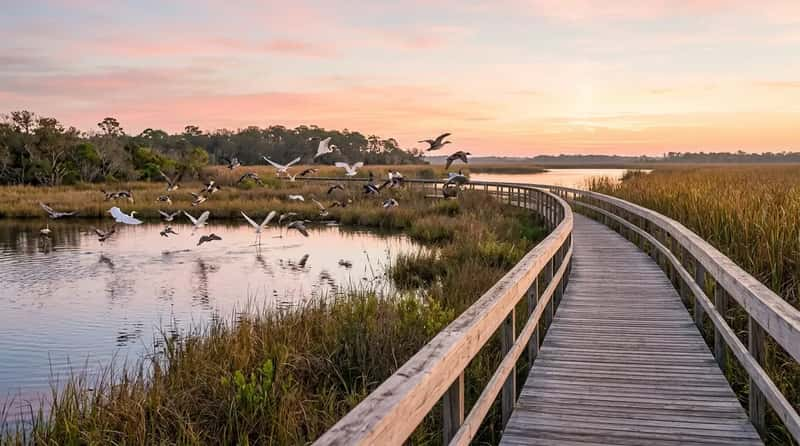
Everyone pictures Yellowstone or the Grand Canyon. Almost nobody pictures a wildlife refuge, with its quiet boardwalks and birds lifting off the water at dawn. Yet the pass covers entrance and standard day-use fees at more than 2,000 federal sites, including national parks, wildlife refuges, and national forests. That puts every refuge that charges a fee inside the same card.
Fast Facts
- More than 2,000 federal sites honor the pass
- Six federal agencies take part
- It covers entrance and standard amenity fees, wherever those fees exist
- Many public lands charge nothing, so there’s nothing to waive there
This is a team effort. Six federal agencies honor the pass at sites where entrance or standard amenity fees are charged. Many public lands charge nothing at all, so the pass only pays off where there’s a fee to waive. Check the refuge’s own page before you go. Next up are the national forest fees you may be paying out of habit.
#14 – Trailhead and Picnic Fees Quietly Vanish
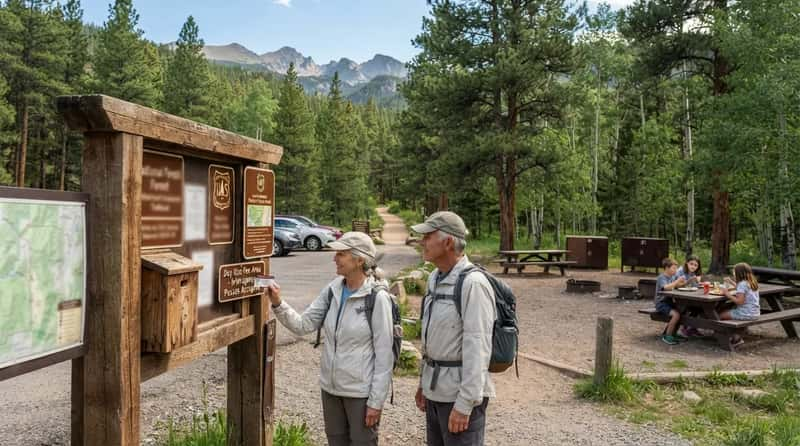
Most people assume national forests are free to wander, and plenty of the land is. But popular spots often charge for the basics. Standard amenity fees are the small charges for things like a picnic area or trailhead parking. The pass covers those at national forests and grasslands, and on lands managed by the Bureau of Land Management.
Here’s what makes this one so easy to miss. Some travelers drop cash into the day-use envelope for years without asking if their card covers it. Often, it does. The same card works across several agencies’ fee sites. Then there’s a discount that depends on water.
#13 – Boat Launch Fees Can Drop by Half
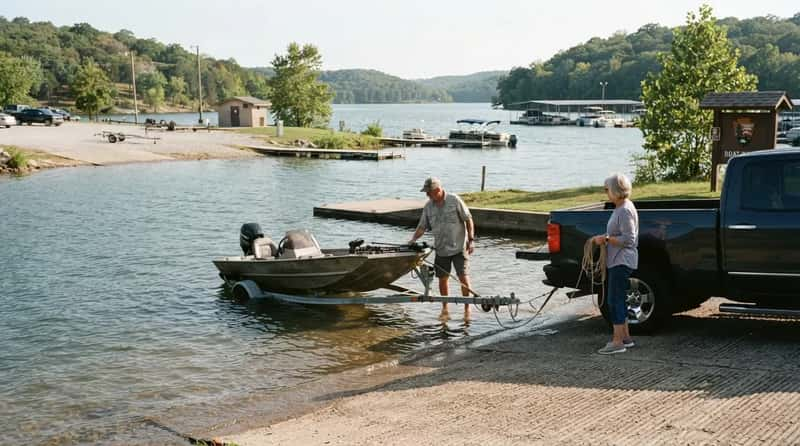
Putting a boat in the water costs real money at some federal lakes. At Chickasaw National Recreation Area in Oklahoma, senior pass holders get 50 percent off camping and boat launch permits. The National Park Service says the pass can take 50 percent off some amenity fees, including swimming and boat launches.
For anyone hauling a trailer, a half-price launch adds up over a season. Now the fine print most travelers skip: the wording is “may” and “some,” not “always.” Ask at the ranger station, especially at a lake you’ve never visited. The next discount depends on sand instead of water.
#12 – At Some Beaches, the Gate Is Free but the Parking Isn’t
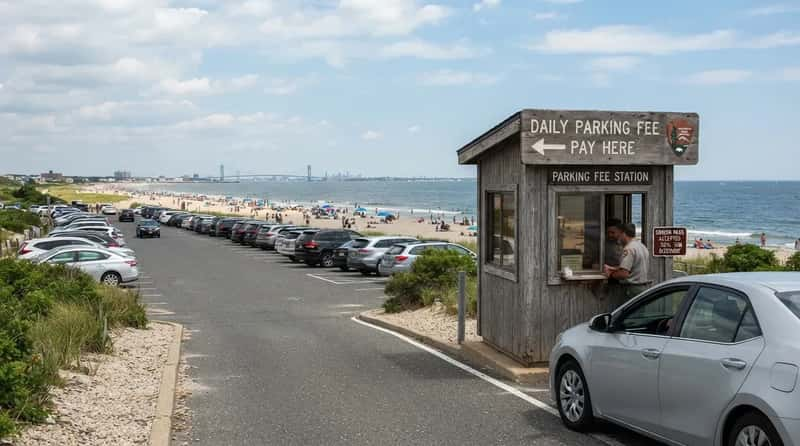
Free to enter doesn’t always mean free to park. At some national recreation areas, the beach lot is the real charge. One guide reports that Gateway National Recreation Area has no entrance fees but charges for beach parking, where Senior Pass holders get 50% off. It’s a savings most visitors never notice.
The National Park Service also lists swimming alongside camping and boat launches as fees the pass can reduce, at participating sites only. The Gateway detail comes from a travel guide, not an NPS promise, so verify current practice before counting on it. Think of it as a hunt for the line item. The next one comes with a ranger’s voice and a flashlight.
#11 – Ranger Programs and Cave Tours May Come at Half Price
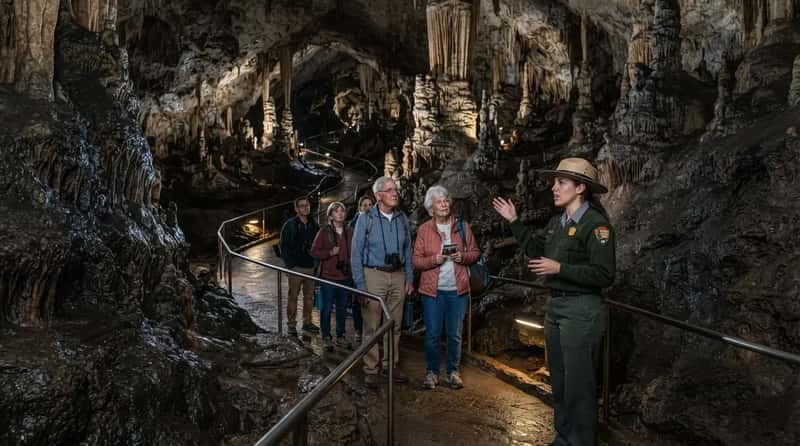
Guided programs can add up fast for a group. The pass can take 50 percent off some amenity fees, including specialized interpretive services. One 2026 guide goes further and lists select guided cave tours among the covered fees.
Notice the hedge. The cave tour claim comes from one guide, not from the agency’s own list. And the Senior Pass generally does not cover or reduce special recreation permit fees or fees charged by concessioners. If a private company runs the tour, expect full price. Ask at the visitor center before you buy. The next one may surprise anyone who thinks the Army only runs forts.
#10 – The Army Corps Runs Campgrounds, and They Honor Your Card
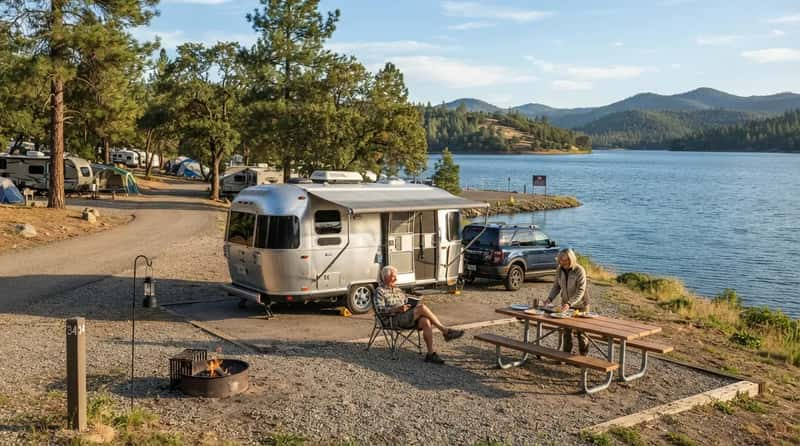
Most travelers don’t think of the Army Corps of Engineers as a camping company. But the Corps honors the Senior and Access passes for 50% off camping fees. The discount applies to the campsite you occupy. That makes lakeside sites cheaper than the listing price suggests.
The reach is bigger than most people expect. The Corps manages hundreds of lake and river projects across the country, and many have campgrounds right at the water’s edge. These may be the most overlooked bargains on the list. One more campground option is next, though the evidence is older.
#9 – Some Tennessee Valley Authority Campsites Reportedly Take the Pass
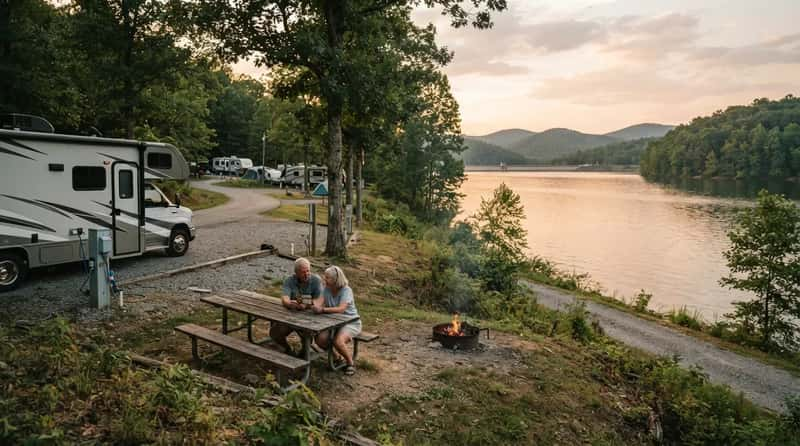
An RV travelers’ guide reports that even the Tennessee Valley Authority gives 50% off campsite fees. That’s notable because TVA is a federal utility, not one of the usual agencies behind the pass. The guide is several years old, so treat this as a lead to check, not a guarantee.
Here’s where the debate starts. The same guide says these outside operators aren’t required to accept the pass, though many do. Some campers argue that makes the pass overhyped. Others say a half-price night is a half-price night. Whether hookup fees are included depends on the location, so ask what’s covered. Then there’s an old card in a sock drawer.
#8 – That Golden Age Passport Still Works, and Can Be Swapped Free
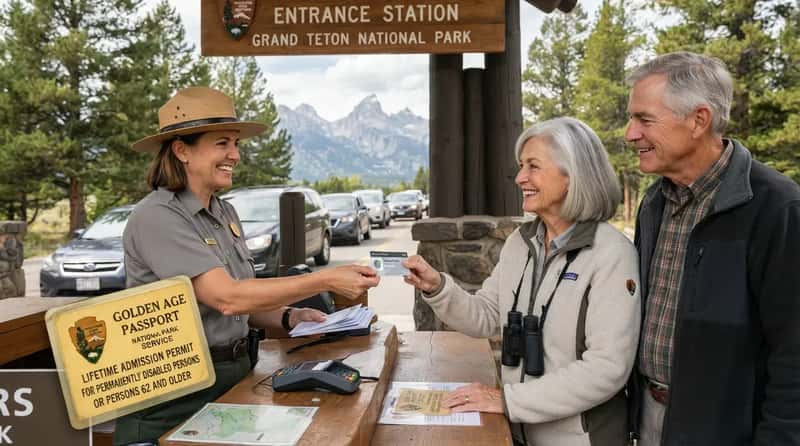
Got an older pass from decades ago? The Golden Age Passport was the predecessor to the current Senior Pass, issued before 2007. Many people tuck it away assuming it expired. A 2026 guide summarizing NPS guidance says the Golden Age Passport is still honored and can be exchanged free in person.
The program has changed since. The lifetime Senior Pass price rose to $80 on August 28, 2017, though seniors who already had a pass didn’t need a new one. Bring the old card and a photo ID to a fee site and ask. Next, a way to skip the paperwork entirely.
#7 – A Digital Pass Can Be on Your Phone Tonight
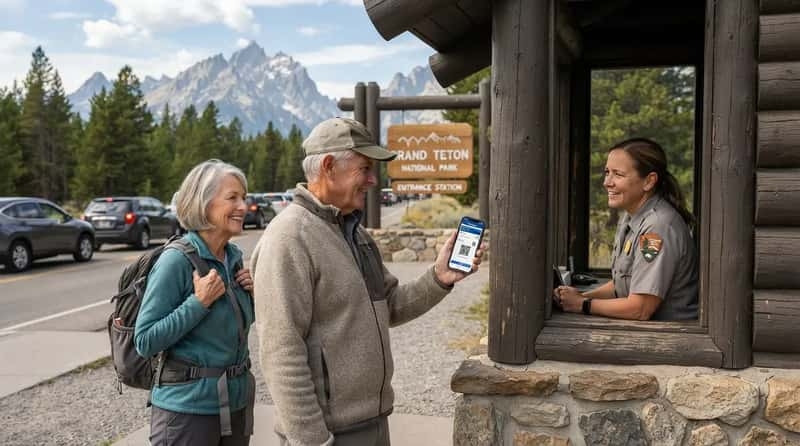
You can skip the mail. A digital pass is available on Recreation.gov for travelers who don’t want to wait. One guide suggests getting the digital version the night before you leave, or buying in person at the first fee site on your route. That’s a shortcut a lot of seniors don’t realize exists.
Worth Knowing
- Online or by mail: NPS-linked sources list an extra $10 fee
- In person at a fee site: no extra fee
- Digital copy: available through Recreation.gov
- Lost or stolen physical passes can’t be replaced
Cost matters here. NPS-linked sources list an extra $10 for passes bought online or by mail, while in person there’s no extra fee. A digital copy has another upside, because lost or stolen physical passes can’t be replaced. Now for one that’s brand new for 2026.
#6 – Two Motorcycles Can Ride In on One Pass
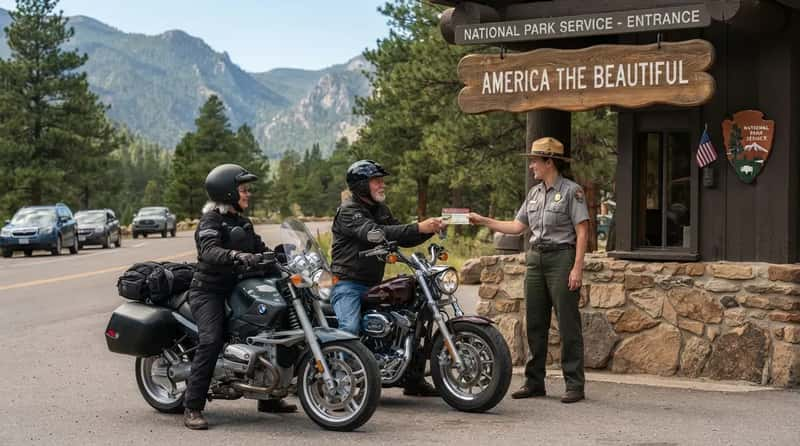
Riders have long been the forgotten group at the gate. One 2026 guide reports that since January 1, 2026, all America the Beautiful passes, including the Senior Pass, cover entrance fees for up to two motorcycles per pass. For a couple on separate bikes, that’s a real change.
This one rests on a single source, so confirm it at the gate before you plan a route around it. Rules like this can take time to reach every site’s signs. Still, it’s worth asking. And the next rule is about what happens when your card falls apart.
#5 – A Worn-Out Pass Is Replaceable, but a Lost One Isn’t
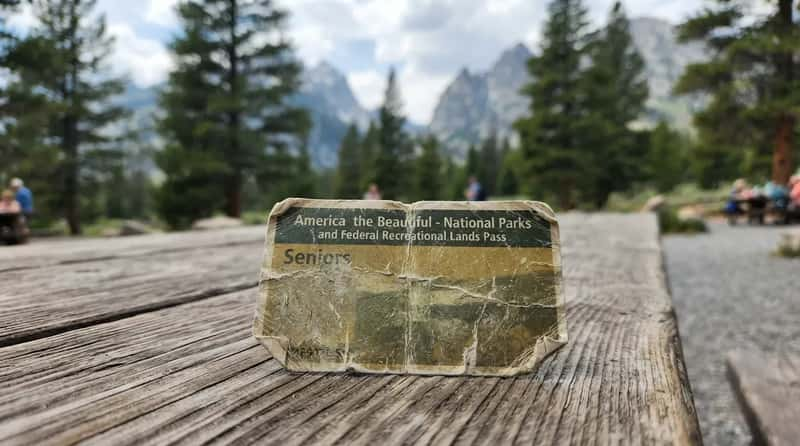
Damage and loss are treated very differently. Worn or damaged passes can be replaced free of charge at any recreation site where passes are issued. A cracked, faded card isn’t a dead card.
Losing it is the real heartbreak. Lost or stolen passes cannot be replaced, and you must buy a new one. One guide says a damaged pass can be replaced if part of it can still be read and you show ID. Keep it somewhere safe. The next detail changes when your annual pass actually expires.
#4 – The $20 Annual Pass Runs Longer Than You Think
Here’s a rule hiding in plain sight. The annual pass runs from the date of purchase through the end of that same month a year later. A pass bought on March 15 stays valid through March 31 of the following year. That’s a bonus stretch of up to a full extra month.
Some travelers see the annual as the smart pick for people who only visit once or twice a year. Others say the lifetime pass is the better value for almost anyone. Both sides have a point. But the real trick is what happens when you stack annual passes, and that’s #3.
#3 – Four $20 Passes Turn Into a Free Lifetime Pass
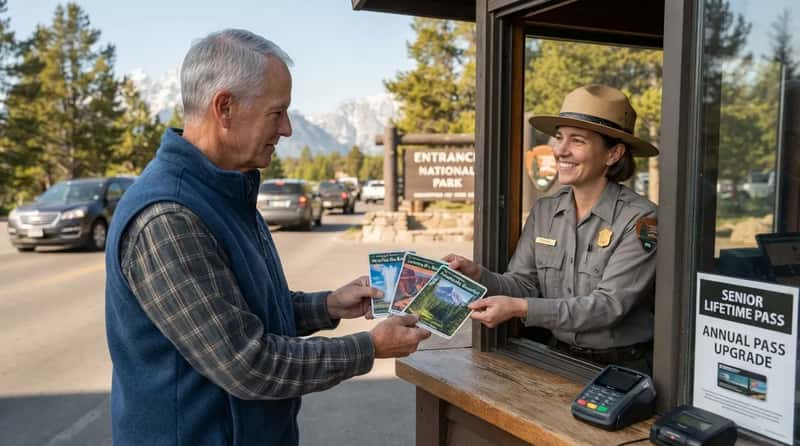
Here’s the quiet loophole: the annual pass can turn into the lifetime one. Each annual pass you turn in knocks $20 off the $80 lifetime price, even if the annual has already expired. Four annual passes later, the lifetime pass is yours at no extra charge.
The math ends up the same $80 either way. The difference is that you spread it over four years and keep the option to stop. Critics say that’s pointless if you know you’ll keep traveling. Fans say it’s a risk-free trial. The best perk on the list is next, and it can pay for the whole pass.
#2 – Half Off Federal Campgrounds Can Beat the Gate Savings
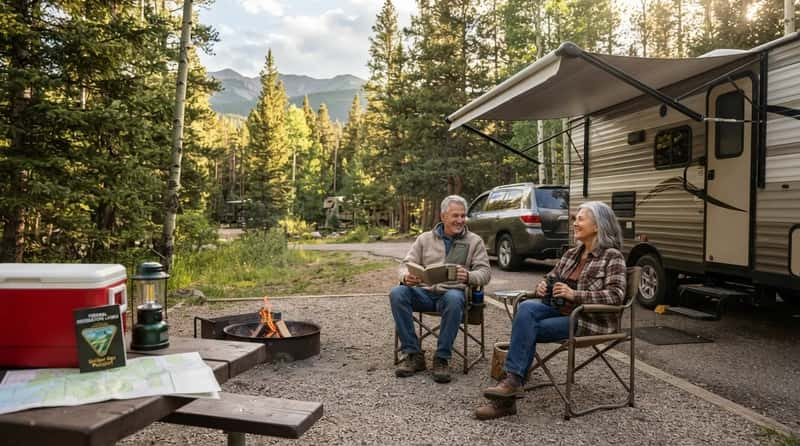
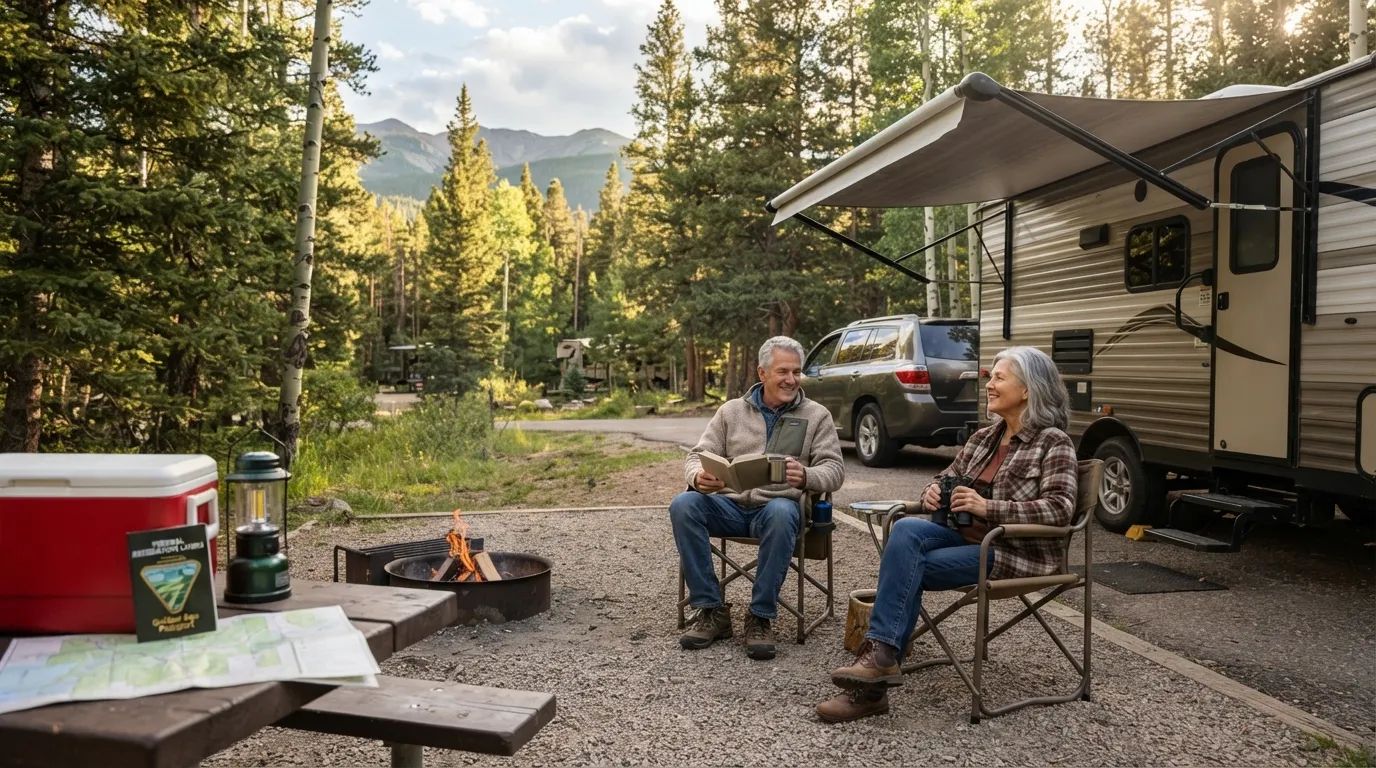
For campers, this is the real prize. At many Forest Service, BLM, Reclamation, and National Park Service sites, the pass triggers a 50 percent discount on standard camping fees. Only the Senior and Access passes take 50% off federal camping fees. The standard public pass doesn’t.
Know the limits. The discount applies only at sites run directly by a federal agency, and each agency handles it a little differently. The 50% is the final rate and doesn’t stack with other discounts. One guide says the pass can become cost-neutral in a single camping week. And the last item is the one that changes everything.
#1 – Your $80 Lifetime Pass Costs the Same as Everyone Else’s One-Year Pass
This is the privilege that matters most. The standard annual pass for the general public costs $80, exactly what you pay once for the Senior Lifetime Pass. Same price, but one lasts a year and the other lasts for life. International visitors now pay $250 for the same annual pass.
Quick Compare
- Senior Lifetime Pass: $80, paid once, valid for life
- Senior Annual Pass: $20 per year, and four count toward a free lifetime pass
- Standard public annual pass: $80 every year
- International visitor annual pass: $250 every year
There’s no catch with income. There’s no income test and no other qualifying condition, just age 62 and citizenship or permanent residency. It’s valid for life, with no renewals ever. Everyone else hands over a new fee every year for similar access. You pay once.
Between the free carload at the gate, the half-price campsites, and the discounts on boats and tours, this card does far more than open a gate. Most holders use only a fraction of it. Which of these did you not know about?