Ask most travelers what country they are visiting when they land in London, and they will say the United Kingdom without much thought. Ask someone from Cardiff, Edinburgh, or Belfast, though, and the answer gets more complicated fast. The place on your passport stamp and the place people actually call home are not quite the same thing, and that gap has shaped centuries of politics, sport, and everyday identity.
What looks from the outside like a single, tidy nation is really a union of four distinct countries, each with its own government, legal traditions, and often its own language. Understanding how that works, and why it still matters in 2026, says a lot about how the UK actually functions behind the postcard image.
The union behind the single name
The United Kingdom of Great Britain and Northern Ireland is, technically and legally, a sovereign state made up of four separate countries. The United Kingdom holds a peculiar position in any demographic analysis: it is at once one country and four countries, with England, Scotland, Wales, and Northern Ireland each having their own legislatures in three cases, distinct legal systems in some cases, separate education and health systems, individual statistical agencies, and increasingly divergent political identities.[1] That is not a technicality tucked away in a textbook, it shapes how laws get written and who gets to write them.
Yet they share a head of state, a Westminster Parliament with reserved powers, a currency, and an internal labor market that allows free movement between the four constituent nations.[1] So the union works a bit like a household where everyone has their own room and their own rules, but they still share the same front door and the same electricity bill. It is a strange, workable arrangement that outsiders often find confusing until they see it laid out.
England, the biggest piece of the puzzle
England is by far the largest of the four countries, both in size and population, and it tends to dominate how outsiders picture the UK as a whole. England has a population close to 54 million, which accounts for roughly 84 percent of the UK population.[2] More recent estimates put the figure even higher, with England’s population edging toward 58 million as of 2025 data.
Unlike Scotland, Wales, and Northern Ireland, England does not have its own devolved parliament or first minister. Laws affecting England specifically are made directly by the UK Parliament at Westminster, which sometimes creates an odd imbalance where Scottish or Welsh lawmakers can vote on English matters but not vice versa. This quirk, often nicknamed the West Lothian question, remains one of the more debated wrinkles in how the union is structured.
Scotland’s own parliament and legal system
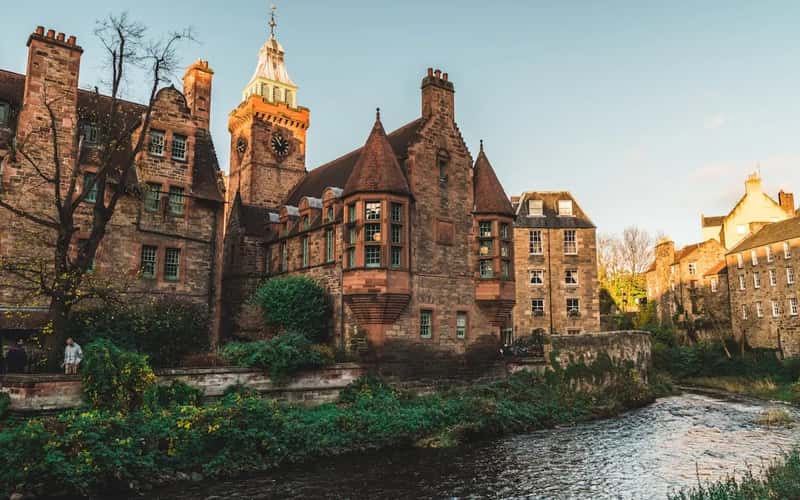
Scotland has run its own devolved parliament since 1999, with powers over health, education, and justice that are separate from Westminster’s control. Scotland is part of the United Kingdom and located at the northern third of the island of Great Britain, with a population over 5.4 million, and its capital is Edinburgh.[2] Scots law is also its own distinct legal tradition, blending elements of civil and common law in a way that sets it apart from England and Wales.
Politically, 2026 has been a notable year for Scotland. John Swinney formed the second Swinney government on 20 May 2026, following his reappointment as First Minister of Scotland after the 2026 Scottish Parliament election.[3] The Scottish National Party remains in a minority position, meaning Swinney’s government has had to negotiate carefully with opposition parties to pass legislation.
Wales and a language that refuses to fade
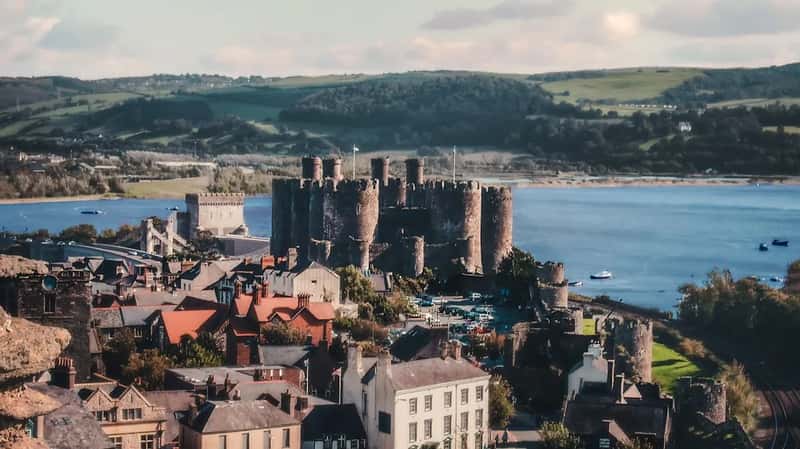
Wales holds a distinctive place among the four, largely because Welsh remains a living, spoken language rather than a historical curiosity. Wales is a country that is part of the countries in the United Kingdom with a population over 3.1 million.[2] Road signs, school lessons, and government documents across Wales routinely appear in both Welsh and English, a bilingual policy that has helped keep the language alive after decades of decline in the twentieth century.
Wales also had a significant political shift in 2026. Rhun ap Iorwerth was appointed First Minister of Wales in May 2026, following Plaid Cymru becoming the largest party in the Senedd at the 2026 election.[4] That result marked the first time a party other than Labour has led the devolved Welsh government since devolution began, a genuinely historic moment for Welsh politics.
Northern Ireland and a uniquely shared leadership
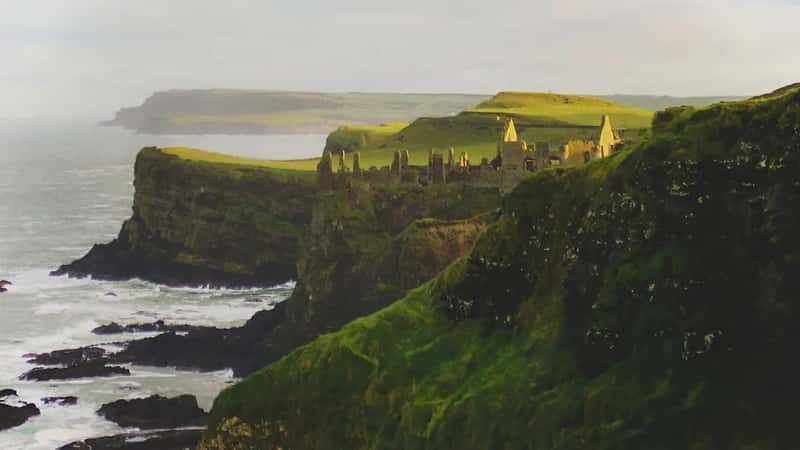
Northern Ireland’s governance looks different from the other three countries because it operates on a power-sharing model designed to balance unionist and nationalist communities. Michelle O’Neill has served as First Minister of Northern Ireland since 3 February 2024, serving alongside Emma Little-Pengelly.[5] Under the Good Friday Agreement structure, the First Minister and Deputy First Minister hold equal executive authority, regardless of which title they carry, which is a deliberate design choice meant to prevent either community from dominating the other.
Northern Ireland is also the smallest of the four countries by population, sitting at roughly 1.9 million residents according to recent statistical agency figures. Its history of division and its more recent decades of relative peace make it perhaps the most politically sensitive of the four countries when it comes to questions about the future of the union itself.
Four flags, four football teams
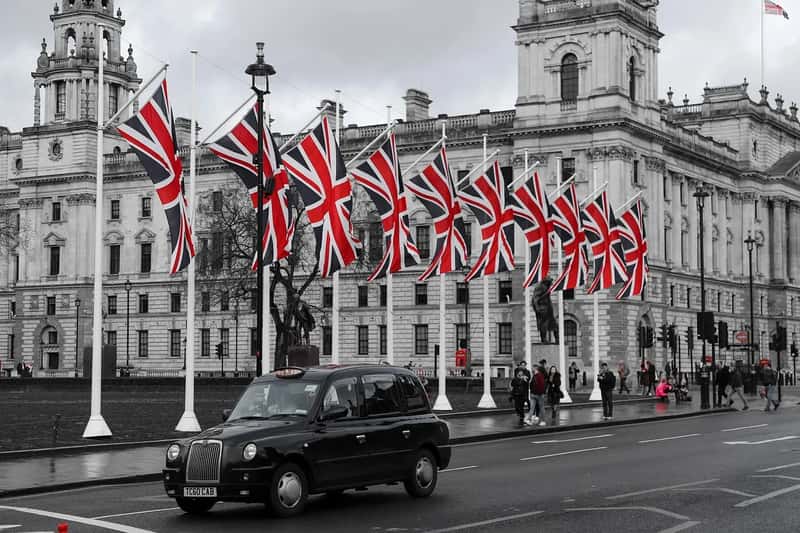
Sport is where most people first notice that the UK is not really one country, since England, Scotland, Wales, and Northern Ireland each field their own national football teams. This has nothing to do with modern politics and everything to do with history, as these footballing associations predate the modern rules of international competition by decades. Fans booing rival “home nations” during World Cup qualifying rounds are participating in a rivalry that is older than most people realize.
The same separation applies to rugby, where Wales and Scotland compete individually in the Six Nations tournament, and to the Commonwealth Games, where all four countries send separate teams. Only at the Olympics do athletes from all four countries combine under the single Team GB banner, which often confuses casual viewers who assume that arrangement applies everywhere else too. It does not, and that inconsistency is part of what makes the whole system so distinctly British.
Shared symbols that mask real differences
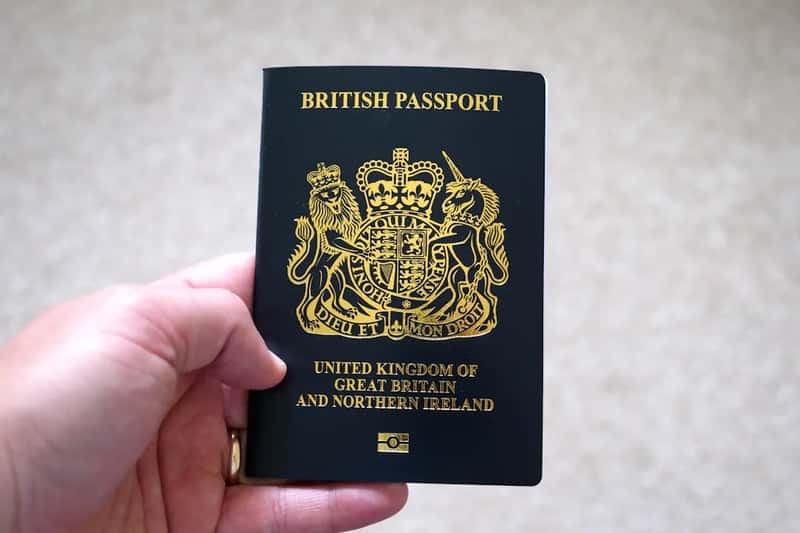
Despite all these internal divisions, the four countries share a surprising number of unifying symbols that make the union feel more cohesive than it structurally is. They all use the same currency, the same passport design, and answer to the same monarch as head of state, currently King Charles III. They share a head of state, a Westminster Parliament with reserved powers, a currency, and an internal labor market that allows free movement between the four constituent nations.[1]
Yet beneath those shared symbols, everyday life can look quite different depending on which of the four countries you live in. Prescription charges, university tuition fees, and even legal drinking ages for certain products have varied at times between the four nations. It is a reminder that political unity does not always mean identical rules on the ground.
Population numbers that tell their own story
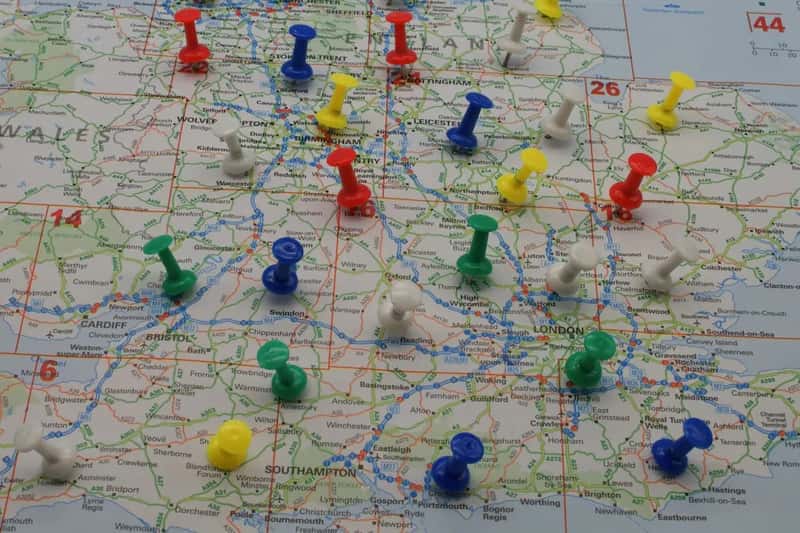
Looking at the population breakdown makes the size disparity between the four countries obvious rather quickly. England has a population of 58.8 million according to mid-2025 ONS data, while Scotland has 5.5 million, Wales has 3.2 million, and Northern Ireland has around 1.9 million.[6] That means England alone holds roughly six times the combined population of the other three countries put together.
The overall UK population has also been climbing steadily in recent years, driven almost entirely by immigration rather than births. The population of the UK reached an estimated 69.3 million people by mid-2024, an increase of 755,300 from mid-2023, with growth faster in England at 1.2 percent than in Scotland at 0.7 percent, Wales at 0.6 percent, or Northern Ireland at 0.4 percent.[7] That uneven growth pattern reinforces just how central England remains to the union’s overall demographic weight.
Who runs things at Westminster in 2026
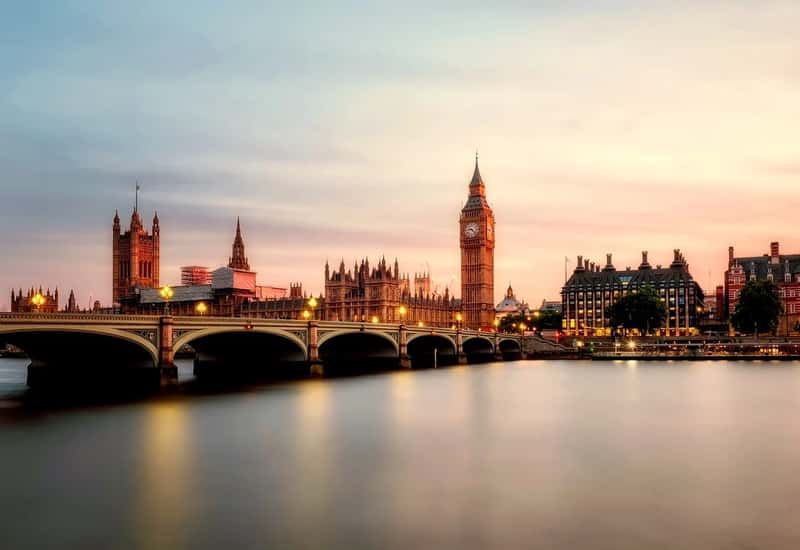
The political picture at the very top of the UK changed significantly in 2026. In July 2026, Andy Burnham became the new Prime Minister of the United Kingdom.[8] As the head of the UK government, Burnham oversees matters that affect all four countries, while still needing to coordinate with the separately elected leaders of the devolved administrations.
That coordination has become a visible part of how governing works now. The Prime Minister had calls with the First Minister of Scotland, the First Minister of Wales, and the First Minister and Deputy First Minister of Northern Ireland, saying he was serious about creating a new politics rooted in collaborative, practical relations with the heads of the devolved governments, and that working in partnership could drive deeper devolution to all parts of the United Kingdom.[9] Whether that spirit of cooperation holds firm through disagreements over funding and policy remains one of the more interesting threads to watch through the rest of 2026.
The takeaway
The United Kingdom’s four-country structure is not a historical footnote, it is a living arrangement that continues to shape elections, sports rivalries, and everyday policy differences across the islands. Each country keeps its own character while still operating inside a shared framework that most residents rarely stop to question. The next time someone mentions visiting “England” when they actually mean the UK, it might be worth gently pointing out that they’ve only named one of the four.