When you think of modern marriage, you probably picture dating apps, casual meetups, and long courtships. Yet in certain corners of the world, a centuries-old tradition is experiencing an unexpected revival. Arranged marriages, far from fading into history, are making a surprising comeback in several countries. Some are driven by cultural pride, others by economic realities, and a few by the sheer exhaustion of modern dating.
What’s fascinating is that this isn’t about forcing young people into unwanted unions anymore. Today’s arranged marriages look different. They blend old customs with new technology, family input with personal choice. So which countries are seeing this shift? Let’s dive in.
India: Tradition Meets Technology

In India, traditional arranged marriages still lead among how couples meet, accounting for roughly a quarter of marriages according to recent surveys. Yet something interesting is happening beneath the surface. While arranged marriages saw a notable decline from around 68 percent in 2020 to 44 percent in 2023 based on wedding industry surveys, there’s a countertrend emerging. Many young Indians are opting for what they call “self-arranged marriages.”
These marriages involve couples who orchestrate their own unions through arranged marriage processes, sometimes called “love-arranged marriages”. The online matchmaking market in India was valued at approximately 260 million dollars in 2024, showing how technology has transformed this ancient practice. Young professionals, overwhelmed by demanding careers, increasingly turn to family networks and matrimonial websites to find compatible partners. It’s practical, efficient, and still carries cultural legitimacy.
The shift reflects something deeper. According to a 2020 survey, roughly 69 percent of Gen Z members preferred love marriages, while about 62 percent of Millennials felt the same way. Still, arranged marriage infrastructure remains robust, adapting rather than disappearing.
Pakistan: Family Bonds Remain Strong
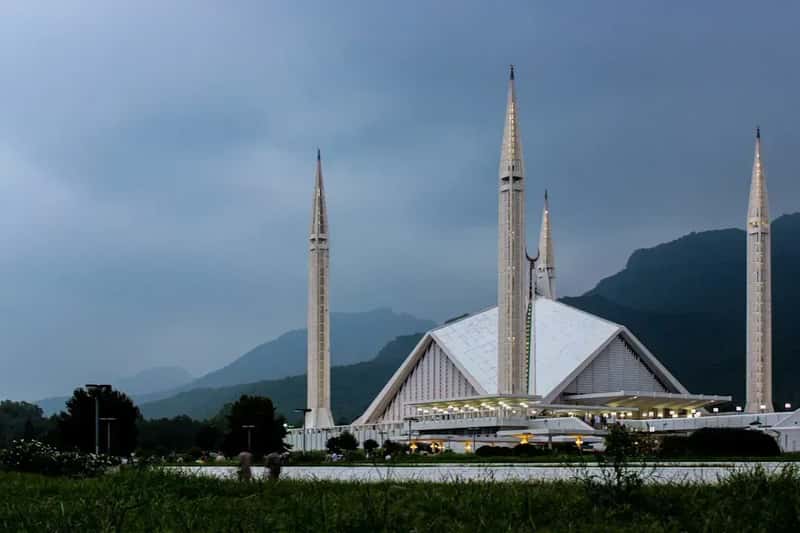
Among married Pakistanis, four out of five have an arranged marriage according to Gallup Pakistan surveys. This tradition shows remarkable staying power, deeply embedded in the country’s Islamic marital practices. Most marriages in Pakistan are traditional arranged marriages, semi-arranged marriages, or love marriages, with family consent remaining essential.
Pakistan has the highest rates of consanguinity in the world, with nearly two-thirds marrying cousins. Interestingly, about one in five marriages is described as an “arranged love marriage,” with a majority of these being consanguineous unions. This hybrid approach reflects how families facilitate relationships while maintaining traditional frameworks.
While arranged marriages remain common in Pakistan, a trend toward more modern approaches is emerging, with people getting married later, especially women. Urban areas particularly see younger adults gaining more agency in partner selection, though family approval remains crucial. The infrastructure supporting arranged marriages, including matchmakers and family networks, continues to thrive and evolve.
Japan: The Omiai Resurgence

Here’s where things get truly interesting. Omiai practices accounted for 69 percent of marriages in Japan during the 1930s and 40s, but by 2010 that figure had plummeted to 5.2 percent. You’d think the story ends there, right? Not quite.
In recent years, omiai matching has seen an increase in popularity again, fueled by changes in marriage agency methods, many of which are data-driven. The marriage market in Japan has seen an increase in omiai services and use of marriage agencies, with some Tokyo agencies seeing a 20 percent uptick in inquiries. Japan’s notorious work culture leaves little time for traditional dating, making structured introductions appealing.
Parents are now attending “omiai” matchmaking sessions not for themselves, but to find matches for their grown-up, still single children. The desperation to reverse declining marriage and birth rates has breathed new life into this old tradition. Technology plays a role too, with sophisticated matchmaking apps and marriage consultation agencies offering modern takes on ancient customs.
Saudi Arabia: Cultural Continuity With Subtle Shifts
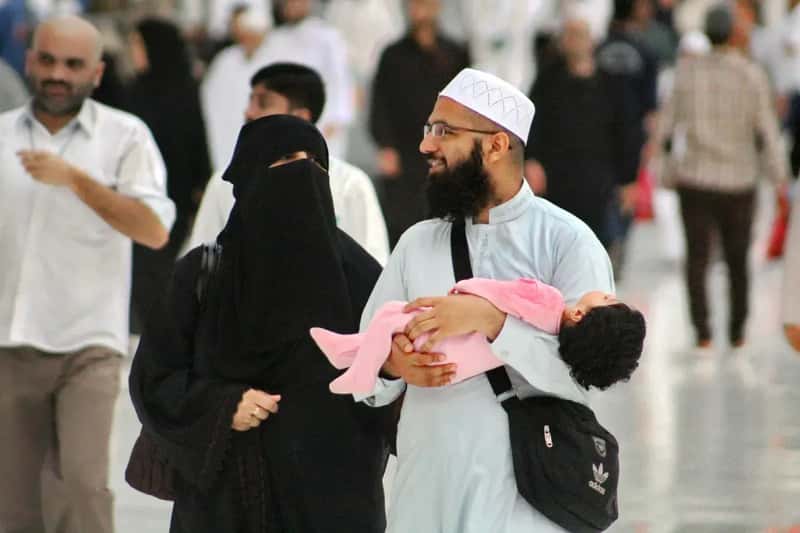
In Saudi Arabia, around 95 percent of marriages are arranged, with strict customs and family approvals playing a key role. This Gulf kingdom maintains one of the world’s highest rates of arranged marriages. In Saudi Arabia, the majority, over 65 percent, of all marriages are endogamous and consanguineous arranged marriages.
Matches are generally arranged through women in the family, with first cousin and second cousin marriages continuing in Saudi Arabia. However, subtle modernization is occurring. It is becoming more common for young people in cities to indicate someone they are interested in to their parents, who will then “arrange” the marriage.
A reflection of evolving trends can be seen in Saudi Arabia where there has been a decrease in the incidence of purely arranged marriages and increases in inter-religious, ethnic, and social class marriages. Cell phones and internet access have enabled covert interaction while maintaining public propriety. The framework remains traditional, but young Saudis are finding ways to exercise more choice within it.
Bangladesh: Economic And Social Pressures

In Bangladesh, over 85 percent of marriages are arranged by families. The practice remains deeply embedded in this South Asian nation’s predominantly Muslim culture. In predominantly Muslim countries like Bangladesh, marriage proposals have traditionally been arranged by parents or guardians, with limited input from the prospective couple.
Economic factors play a significant role here. The average age of women in arranged marriages in Bangladesh is approximately 16 to 19 years according to UNICEF data, though legal reforms are pushing this upward. Family networks serve crucial economic and social functions, making arranged marriages practical necessities rather than mere traditions.
Even among those who prefer love marriages, parental validation still remains crucial in the final decision-making. Digital connectivity is gradually changing dynamics, with social media enabling cross-cultural relationships, but the fundamental arranged marriage structure persists strongly. Families continue to play dominant roles in mate selection, viewing marriage as an alliance between families rather than just individuals.
United Arab Emirates: Modern Wealth Meets Ancient Custom
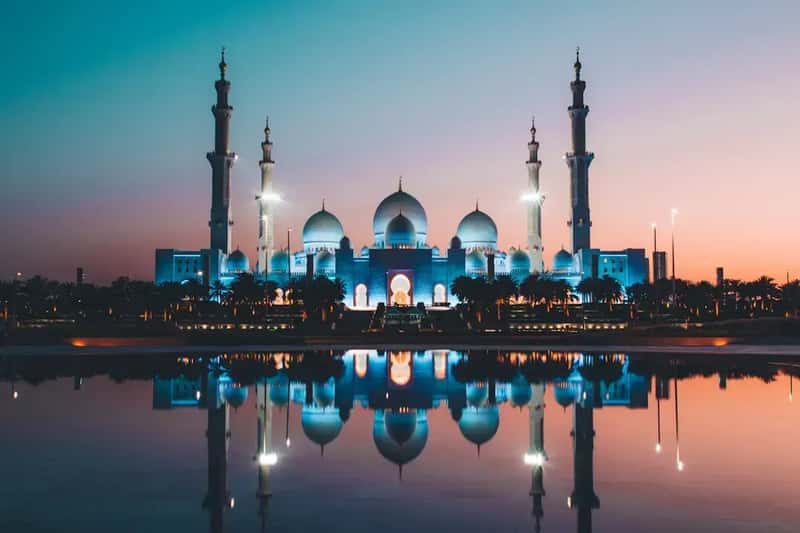
In Qatar and the UAE, over 90 percent of marriages are arranged through family networks, with a focus on maintaining cultural traditions. Despite gleaming skyscrapers and international business hubs, the UAE maintains remarkably traditional marriage practices among its Emirati population.
The majority of participants in recent studies, about 73 percent, were involved in arranged marriages in the UAE. At least half of all Gulf Arab marriages are between cousins, with at least 35 percent of Qatari marriages between first cousins, and in the UAE between 21 and 28 percent. Cousin marriages remain preferred for preserving wealth and strengthening family bonds.
The tiny citizen populations in Gulf states create unique pressures. With nationals vastly outnumbered by expatriates, preserving cultural identity through traditional marriage practices becomes a national priority. Families carefully arrange matches that maintain social standing and tribal connections. Yet even here, through urbanization, increased education, and access to the labor market for women, it is becoming more normalized not solely to rely on families to arrange for a spouse.
Conclusion

Arranged marriages aren’t relics of the past. They’re evolving traditions finding new relevance in modern contexts. From India’s matrimonial websites to Japan’s data-driven matchmaking agencies, from Pakistan’s family networks to the Gulf’s careful preservation of cultural identity, these practices persist because they solve real problems: time scarcity, cultural continuity, family stability, and the overwhelming paradox of choice in modern dating.
The revival isn’t about returning to the past. It’s about adapting ancient wisdom to contemporary challenges. Whether this trend continues depends on how well these systems balance individual autonomy with collective wisdom, personal happiness with familial harmony. What do you think about this trend? Does tradition have something to teach our modern dating chaos?