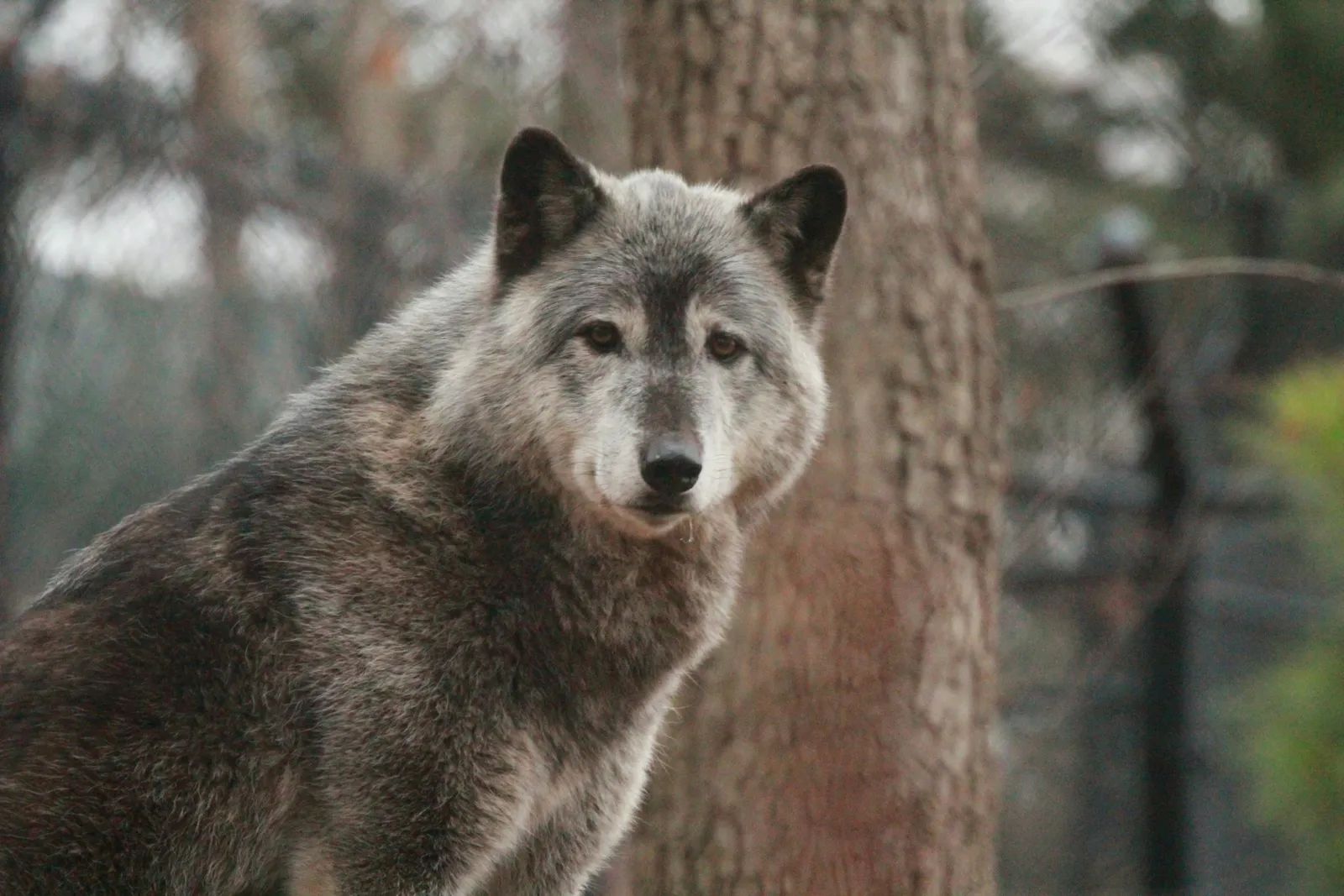
In northern Minnesota, the summer menu for gray wolves includes a lot more fruit than most people would expect. A new study suggests that this habit may do more than feed the animals, because the wild blueberries they eat may also benefit. The research was carried out in the Greater Voyageurs Ecosystem, a southern boreal forest region along the Canadian border, and was reported in Biology Letters. ([1])
A Predator With a Sweet Tooth
Wolves are usually described as meat eaters, and that reputation is largely earned during most of the year. Each July and August, however, berries become a central part of their diet. In the Greater Voyageurs Ecosystem, berries can account for as much as 83% of adult wolves’ weekly intake during peak season.
That seasonal shift puts wolves in contact with wild blueberries across a wide area. The plants grow in the same forests where the wolves roam, so the animals’ feeding habits can influence where seeds end up. Researchers wanted to know whether the trip through a wolf’s digestive system changed anything about those seeds.
Seeds That Sprouted Faster
The answer appears to be yes. Researchers collected fresh wolf scat in 2017 and 2018, then picked out 802 blueberry seeds. The seeds were placed in petri dishes inside a growth chamber and monitored for 60 days. Seeds that had passed through a wolf sprouted both faster and more often than seeds taken directly from the fruit.
Lead author Alex Gross, now a master’s student at Northern Michigan University, worked on the project with the University of Minnesota’s Voyageurs Wolf Project. Gross said the team was surprised by the result, describing the increase in germination success and speed as an unexpected finding. The work was built on long-running wolf monitoring in the region, which gave researchers reliable samples to test.
Possible Explanations and Open Questions
The authors offer a few explanations for the effect. Gray wolves can cover long distances quickly, so they may carry blueberry seeds far from the parent plant. During digestion, the seed coat may be scuffed or chemically worn down, which could make it easier for a seed to start growing. The scat itself may also act somewhat like fertilizer and offer some protection from plant pathogens.
These ideas help explain the lab results, but they remain hypotheses. The study tested germination in controlled conditions, and the authors do not establish how much this process affects blueberry populations across real landscapes. Researchers would need to follow seeds in the field to learn how far they travel, where they land, and how often they survive.
What the study shows: seeds that passed through wolves germinated faster and more often in lab tests.
What it suggests: wolves may help spread blueberry seeds over long distances.
Related Stories From Travelbinger



What remains unknown: the effect in natural forests and its impact on blueberry growth over time.
A Quiet Link Between Predator and Plant
The findings add an unexpected chapter to the story of wolves in northern Minnesota. Animals that are often viewed mainly through the lens of predator and prey may also play a role in how forest plants reproduce. Even so, the study points toward a relationship that still needs confirmation in the wild.
For now, the research offers a measured reminder that ecosystems often connect in ways that are easy to overlook. Future fieldwork could show whether the berry season that draws wolves into the forest also helps the next generation of blueberry plants take root.