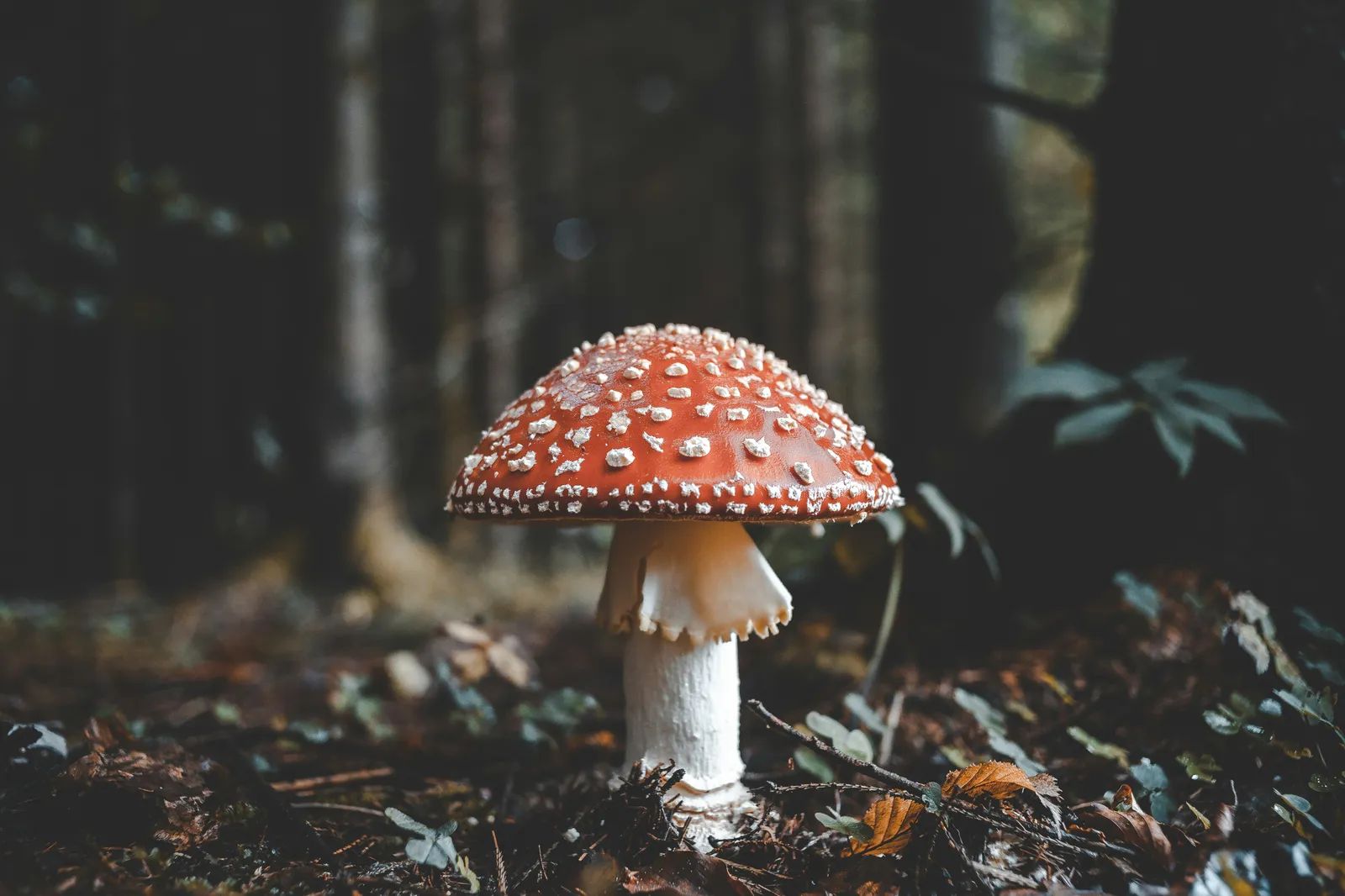
Sonoma County – Everyday mushroom enthusiasts in California are now performing DNA sequencing from their own homes, revealing fungal species that science has never formally described. A survey project focused on the state’s remarkable fungal variety has already produced unexpected finds, including organisms previously unknown to researchers. These efforts are expanding what is understood about biodiversity in places like the Cedars, a unique habitat under Sargent’s Cypress trees.
From Forest Floors to Kitchen Tables
Traditional fungal surveys relied on professional labs and lengthy identification processes. Now, accessible sequencing tools allow hunters to analyze samples quickly after a day in the field. This shift has accelerated the pace of discovery across California. Participants collect specimens during forays and process genetic data without leaving their homes. ([1])
The change reflects broader advances in portable technology that lower barriers for nonscientists. Hunters who once relied on visual traits alone can confirm identities or flag unknowns with greater precision. Results feed into larger databases that track statewide patterns. The approach has already highlighted gaps in existing fungal records.
Surprises From the Cedars Habitat
One focal area lies in Sonoma County’s Cedars region, where teams have searched for truffles beneath native cypress stands. The site’s distinctive geology and plant communities support a rich array of underground fungi. Several collections from recent outings yielded genetic sequences that did not match known species. Researchers noted these as previously undescribed, underscoring how much remains hidden even in well-visited landscapes.
Such finds illustrate the limits of morphology-based identification. Genetic data often reveals cryptic diversity that looks similar to familiar mushrooms yet belongs to separate lineages. The Cedars work has contributed multiple new records to ongoing inventories. Continued sampling there promises additional insights into regional ecology.
Expanding Knowledge Through Shared Data
Results from home sequencing projects flow into public repositories that scientists worldwide can access. This open approach multiplies the value of individual efforts. Patterns emerging from California samples are informing studies far beyond the state’s borders. The cumulative effect is a clearer picture of fungal roles in forest health and nutrient cycling.
Participants emphasize careful documentation and verification steps to maintain data quality. Cross-checking with expert mycologists helps validate unusual sequences. The model blends amateur enthusiasm with professional oversight. It demonstrates how distributed networks can tackle large-scale biodiversity questions efficiently.
What Comes Next for Fungal Exploration
As more people adopt these methods, the catalog of known fungi is expected to grow steadily. California’s varied ecosystems, from coastal forests to inland valleys, offer abundant opportunities for new records. The work also raises awareness of fungi’s importance in natural systems. Continued collaboration between hunters and researchers will likely refine conservation priorities.
Ultimately, these home-based efforts show that meaningful contributions to science no longer require institutional labs. The surprises already uncovered suggest many more await discovery in familiar woods and fields.