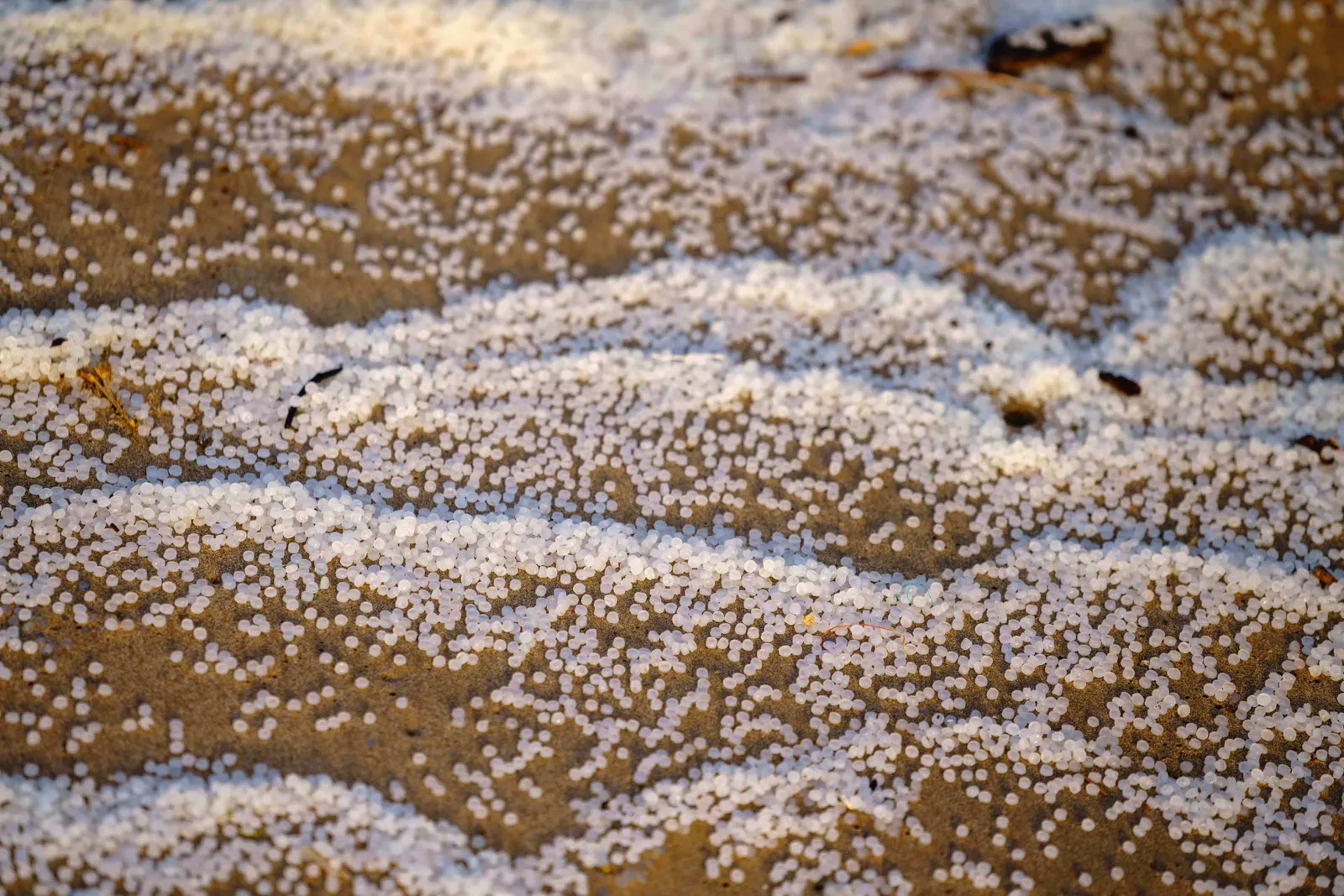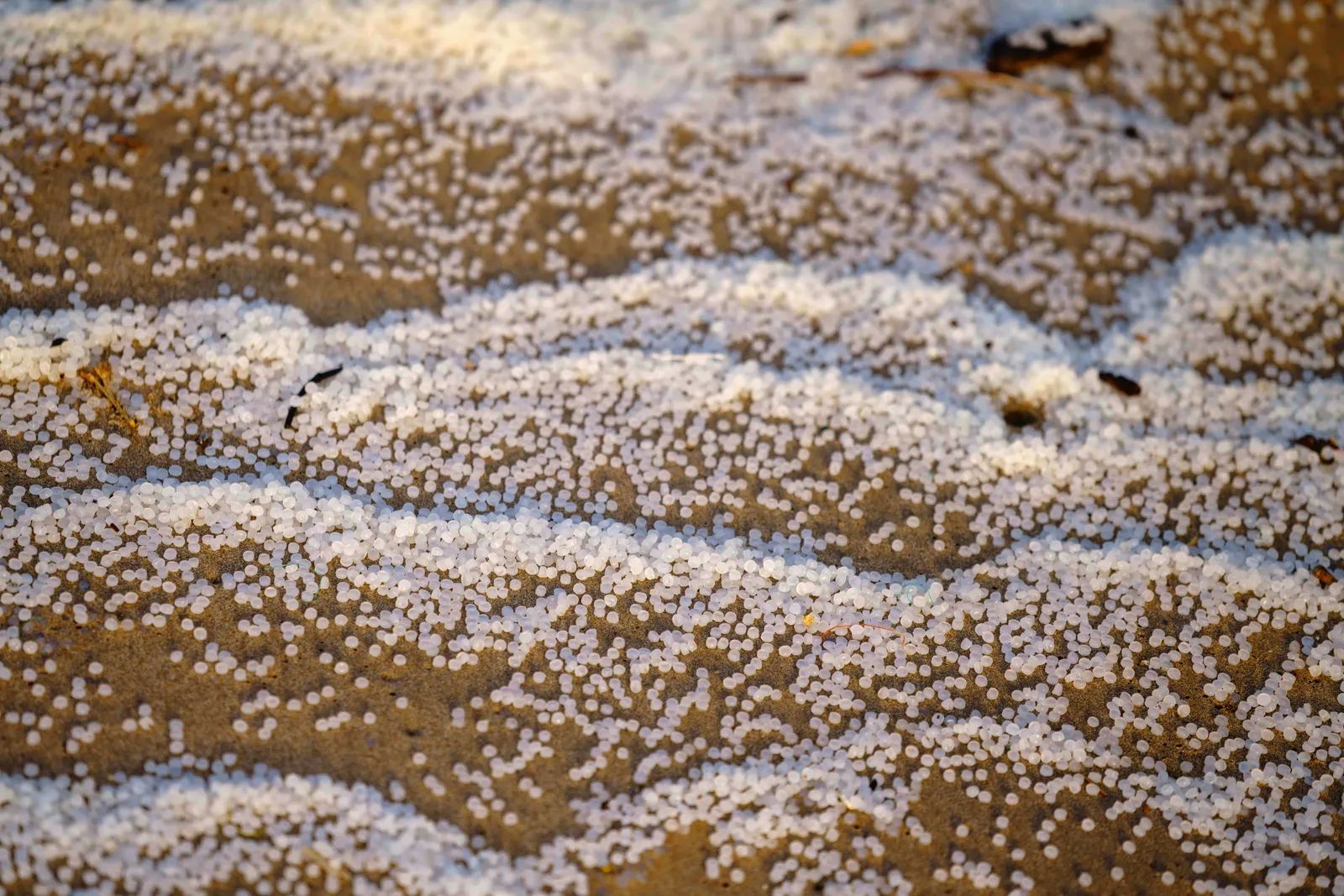
Pulau Redang Marine Park, Malaysia – Tiny plastic particles have made their way into the skeletons of corals in one of the country’s longest-protected marine areas. A new study found microplastics in 64 percent of sampled fragments from five reef sites around the park, which has been safeguarded since 1985. The findings, published in Regional Studies in Marine Science, highlight how widespread these particles have become even in waters far from major urban centers ([1]).
Why the discovery stands out
Marine protected areas are meant to limit human pressures on reefs, yet microplastics do not respect boundaries. Researchers from Universiti Malaysia Terengganu collected 200 coral fragments and examined them for particles 5 millimeters or smaller. The high detection rate surprised the team because the park lies in the southern South China Sea, away from dense coastal development. Lead author Ong Chai Kee noted the ocean’s vastness yet still found the particles readily inside the corals.
How the samples were gathered and analyzed
The team focused on two dominant hard coral species at the sites. Fragments were taken carefully to avoid contamination, with containers wrapped in foil during transport. Laboratory work then isolated the tiny plastics from the coral skeletons themselves. The process revealed both manufactured pellets and fragments from larger items that had broken down over time.
Sources and movement of the particles
Microplastics enter the sea from multiple routes. Some are produced intentionally for industry or cosmetics, while others result from the weathering of bottles, fishing gear, and other plastic waste. Once in the water, currents can carry them long distances before they settle onto reefs. In Pulau Redang, the particles appear to have reached the corals despite the park’s protected status.
What the results suggest for reefs and visitors
The presence of microplastics inside coral skeletons raises questions about long-term effects on reef health, though the study stops short of claiming direct harm. Pulau Redang remains a popular destination for snorkeling and diving, drawing travelers to its clear waters and colorful reefs. Continued monitoring will help determine whether the particles affect coral growth or resilience over time. The work adds to a growing body of evidence that plastic pollution reaches even remote marine environments.