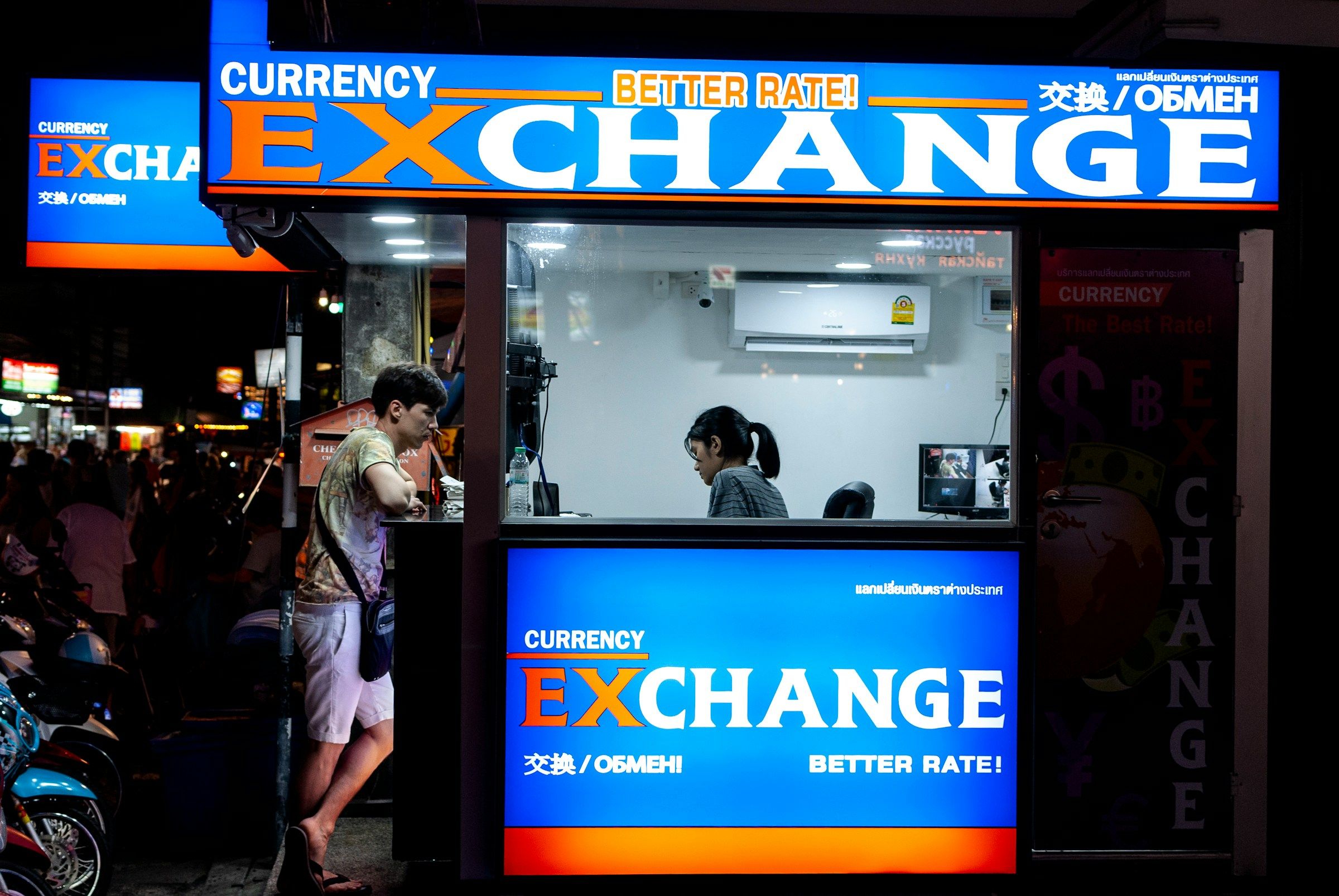
The booth sits right past arrivals or just before security, with a bright sign and a short line. It looks like the sensible thing to do, since you’ll need local cash eventually. Plenty of travelers do it without a second thought.
The headline figure deserves a careful look, because the real losses vary a lot depending on the amount, the airport and the currency. Here’s what recent research and consumer reporting show about where the money goes.
Is a 25% Loss Really Possible?
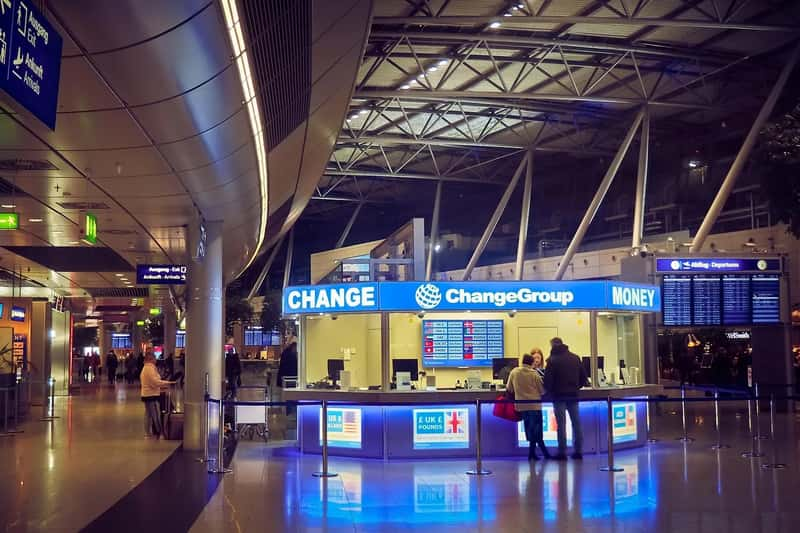
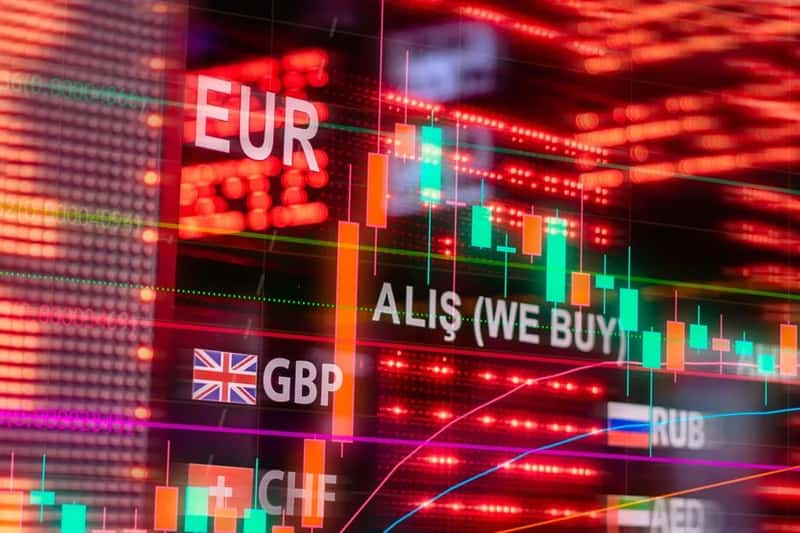
Most consumer finance sources put the typical airport markup well below a quarter. Airport kiosks typically charge exchange rates that are 5-10% worse than market rates, plus additional fees that can range from $5-15 per transaction.[1] Some reports go higher, with one saying the spread plus fees typically produces rates 10 to 15 percent worse than the mid market rate.[2]
A loss near a quarter does show up in particular cases. A small exchange with a flat commission can do it: on just $100, a $7 fee plus the rate markup could cost 15 to 20 percent of your money.[3] A British newspaper investigation found that currency firms were shortchanging travellers by as much as €150 on every £500 exchanged at airports.[4] Depending on the day’s fair rate, that gap comes close to a quarter of the value.
Where the Markup Hides
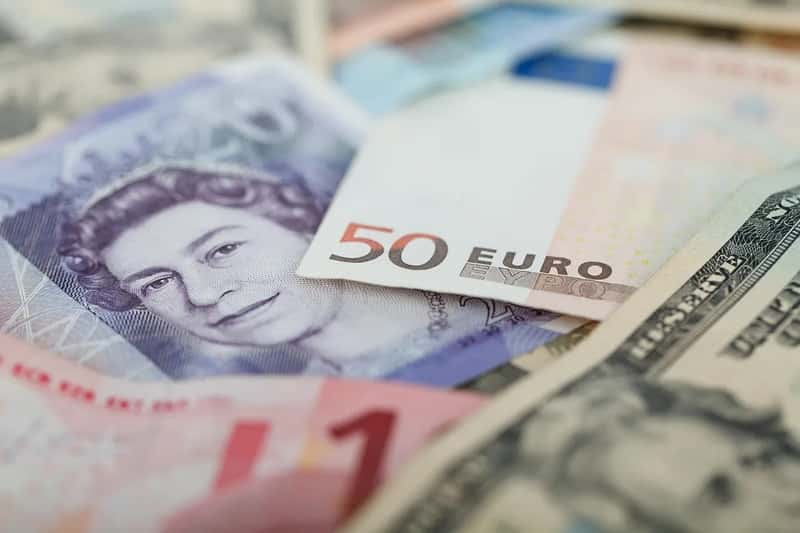
The cost rarely appears as a line item. It sits inside the exchange rate itself, which is why a sign promising no fees can still be expensive. Airport kiosks prominently advertise “no fees” but make their profit on exchange rates marked up far above market prices.[5]
For comparison, a bank’s rate typically includes a 2 to 3% markup over the interbank rate, while airport kiosks and tourist-area exchanges often mark up 8 to 10% or more.[6] In dollar terms, that could mean $920 worth of foreign currency for your $1,000 at a bank versus $820 at an airport kiosk.[6]
What 2025 Airport Surveys Found
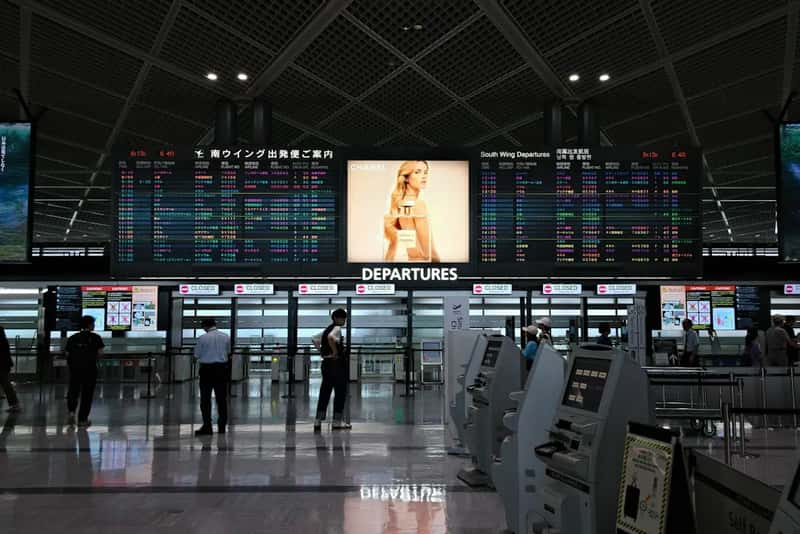
Travel money provider eurochange surveyed airport rates in September 2025. On average, you’d lose out on €100 when converting £500, compared with its high street branches.[8] Keep in mind that eurochange sells travel money itself, so its comparisons favor its own branches.
The firm’s earlier study of nine busy UK airports found a wide spread. At Gatwick the euro rate was €0.86 per £1, meaning travelers could lose £274 converting 1,000 euros in cash, compared with the high street.[9] Even the best performer wasn’t cheap: Heathrow offered one of the better airport rates, yet buyers there would still lose £108 on 1,000 euros.[9]
Why Booths Can Get Away With It
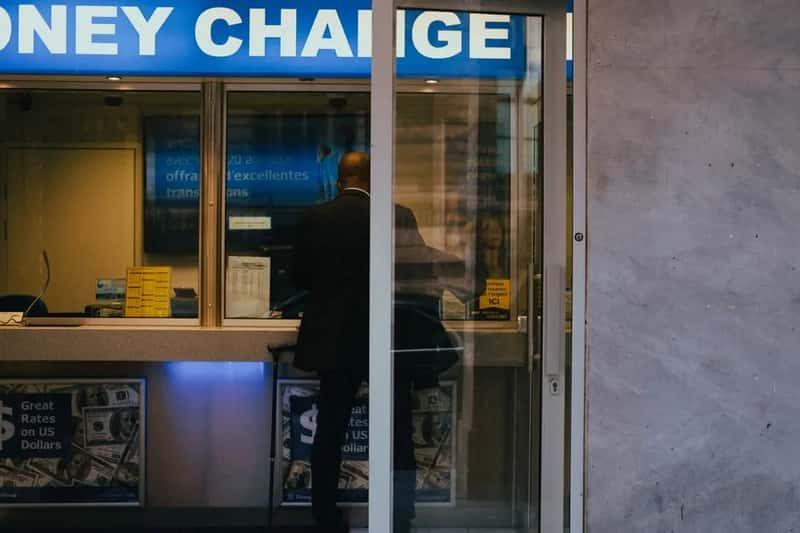
The simple answer is a lack of competition. Airports typically have only one or two currency exchange kiosks, and with limited competition they set fixed rates that are far from competitive.[10] You also can’t shop around when your gate is a ten minute walk away.
Costs play a part as well. One consumer guide notes that airport booths operate in captive environments with limited competition and high overhead costs, since rent at airports is expensive.[11] A new survey by Upgraded Points of 1,500 recent international travelers found that about a third paid more than expected because of the exchange rate.[12]
Ordering Ahead Changes the Math
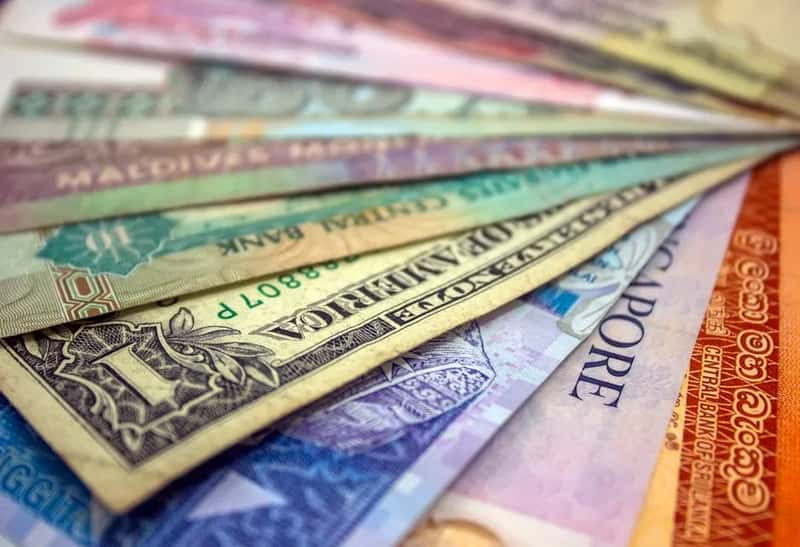
The same company can charge very different prices depending on when you buy. In the Birmingham Airport example reported in 2025, £300 bought at the walk up desk returned €281.70, while ordering the same sum for collection in advance would have returned €339.90.[4] Same provider, same terminal, a difference of over fifty euros.
Banks are another route. NerdWallet says ordering currency from your bank before you travel is almost always better than using the airport exchange.[13] Delivery isn’t always free, though: Bank of America’s standard shipping costs $7.50, and overnight shipping is $20.[13]
Cards and ATMs Usually Beat Cash Counters
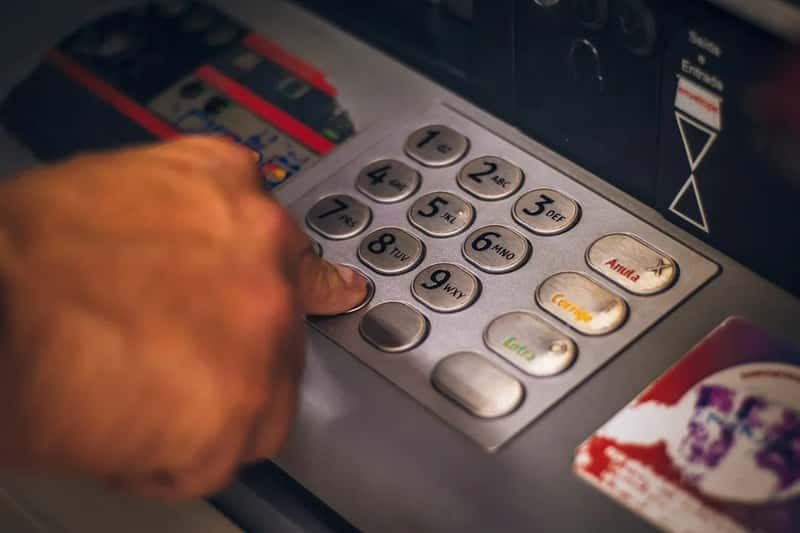
For most trips, a debit or credit card with low international fees does the job. Travel fee guidance boils down to a few habits: use fee free debit cards, withdraw larger amounts less often, and decline dynamic currency conversion at foreign ATMs.[14] Card networks also help: Visa and Mastercard convert currencies at near market rates.[15]
Not every ATM is a good deal, particularly the ones inside terminals. One guide advises you to avoid independent ATMs labeled Euronet, Travelex, or Cardpoint, which are common in airports and tourist areas and often charge high fees and push currency conversion.[16] A bank branded machine in town usually costs less.
The Conversion Prompt Trap
Dynamic currency conversion is the screen that offers to charge you in your home currency. It feels helpful because you see a familiar number. In most cases, you’ll lose 3%-5% during the conversion.[17]
The fix takes two seconds. Always choose to pay in local currency to get your bank’s better rate.[6] The same rule applies at ATMs and at shop and restaurant card terminals.
If You Truly Have to Exchange at the Airport
Sometimes there’s no alternative, such as a missed bank order or a cash only taxi on arrival. In that case, know the fair price first. The mid market rate is the interbank rate at which currencies actually trade, and it’s available in two seconds on any search engine or currency app.[2]
Then exchange only what you need for the first few hours. Compare the booth’s offer against that rate, and if the gap is wide, wait for a bank ATM. Counters differ from airport to airport, as the Heathrow and Gatwick figures above show, so a quick look at the posted rate before you hand over cash is worth the time.
A Short Checklist Before You Fly
Check your bank’s foreign exchange rate and card fees a week or two before departure, and order cash only if your destination needs it. Carry a low fee debit or credit card and a backup card stored separately.
On arrival, withdraw from a bank ATM in local currency and decline any home currency conversion offer. Skip the booth unless it’s a real emergency, and keep the amount small if you can’t.