There’s a quiet kind of power in a small booklet that most people only think about twice a year, usually right before a flight. Yet in 2026, that booklet has become one of the clearest signals of where a country stands on the world stage. The gap between the strongest and weakest passports has never been wider, and the reshuffling at the top tells its own story about diplomacy, trade, and trust between nations.
Every July, the Henley Passport Index, now in its 20th year, updates its rankings using exclusive data from the International Air Transport Association. This year’s edition landed with a few surprises, some quiet climbs, and one long, slow fall from grace. Here’s a closer look at the ten passports that gave their holders the freest run of the planet in 2026.
1. Singapore: the reigning champion

Singapore held onto the top spot for a third straight year, and by a comfortable margin. The world’s “most powerful” passport of July 2026 is Singapore’s, which lets its holders breeze visa-free into 192 destinations worldwide, 70 more than was possible in 2006. That kind of steady dominance rarely happens by accident.
Singapore’s diplomatic reach and economic reputation have built decades of reciprocal visa agreements. Singapore, Japan, Switzerland, Ireland and New Zealand also feature among the most peaceful nations on earth, which analysts say reinforces the trust other governments place in these travelers. For a small island nation, that kind of global welcome mat is a remarkable diplomatic asset.
2. Japan: consistency at the very top

Japan has spent years trading the number one spot back and forth with Singapore, and in 2026 it settled into a tied second place. The United Arab Emirates is the biggest mover since January, climbing three places to join Japan and South Korea in 2nd place with access to 188 destinations. That’s a small step down from Japan’s historic highs, but still an extraordinary level of access.
Japan’s passport strength reflects decades of careful diplomatic engagement across Asia, Europe, and the Americas. Even with slight fluctuations from one edition to the next, Japan has rarely dropped out of the world’s top two or three since the index began tracking data in 2006.
3. South Korea: rising through steady diplomacy
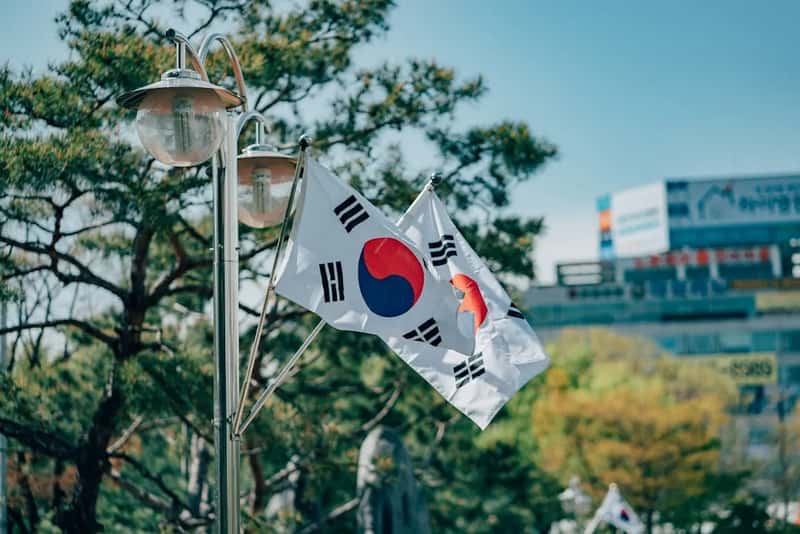
South Korea shares that same tied second-place ranking with Japan and the UAE, offering its citizens visa-free or visa-on-arrival access to 188 destinations. Its climb up the index over the past decade has been less dramatic than the UAE’s but just as consistent. South Korea’s rise up the passport rankings reflects its expanding network of bilateral agreements, particularly with Latin American and African nations over the past decade.
That expanding network matters because it shows a country building relationships methodically rather than relying on a handful of high-profile deals. South Korea’s economic influence in technology and entertainment has clearly translated into diplomatic goodwill, one visa waiver at a time.
4. United Arab Emirates: the fastest riser in the index’s history

No country has transformed its passport standing more dramatically than the UAE. The United Arab Emirates is the standout story of the past 20 years, adding 153 destinations for UAE passport holders since 2006, far outpacing any other country’s growth over the same period. Twenty years ago, an Emirati passport opened barely a handful of doors abroad.
The report credits this shift to deliberate government strategy rather than luck. This, says the report, has been driven by the UAE’s “sustained diplomatic engagement and visa liberalization.” It’s a case study in how quickly a country’s global mobility can change when visa policy becomes a genuine national priority.
5. Sweden: Scandinavian mobility at its strongest
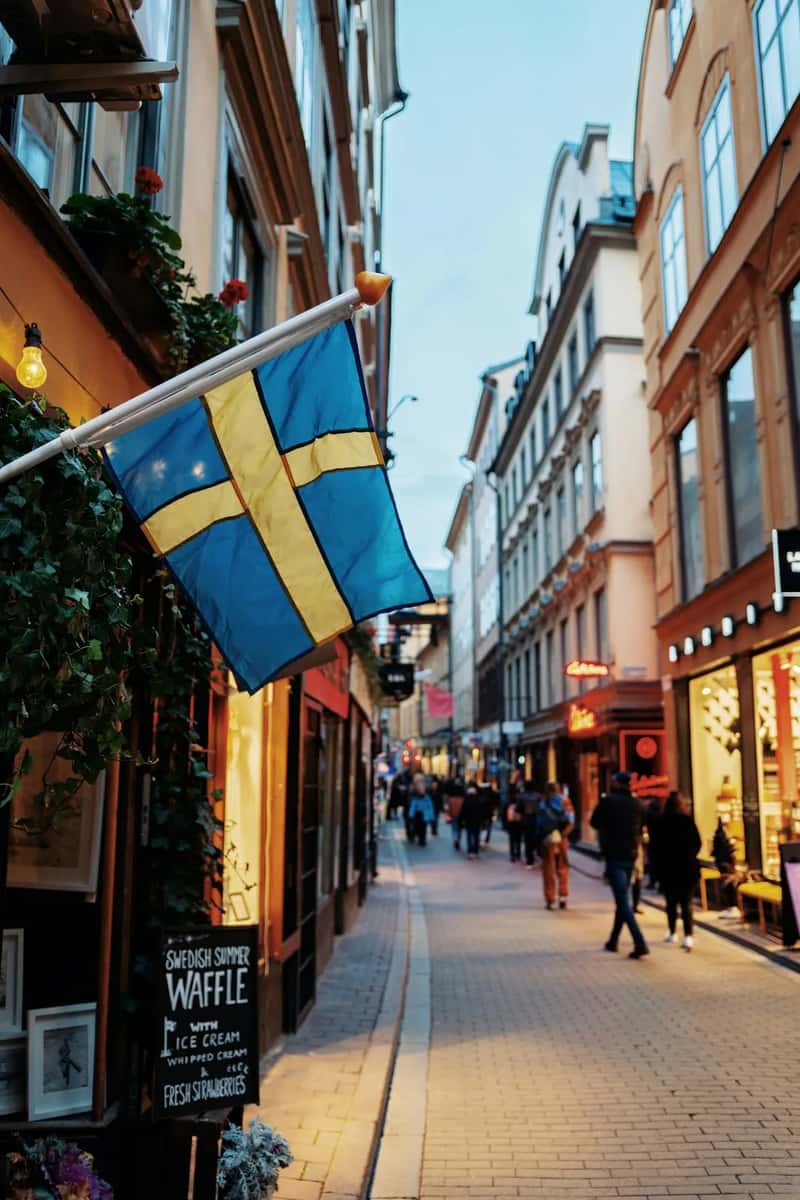
Sweden landed in third place on the July 2026 index, just behind the tied group of Japan, South Korea, and the UAE. Sweden came in third place, with access to 187 countries. That places it firmly among the small handful of countries whose citizens can travel almost anywhere with little more than a passport stamp.
Sweden’s ranking fits a broader European pattern. Nordic and Western European nations continue to dominate the upper half of the index, buoyed by European Union membership, Schengen participation, and decades of reciprocal visa arrangements with countries far outside the continent.
6. Germany: anchoring Europe’s crowded fourth tier
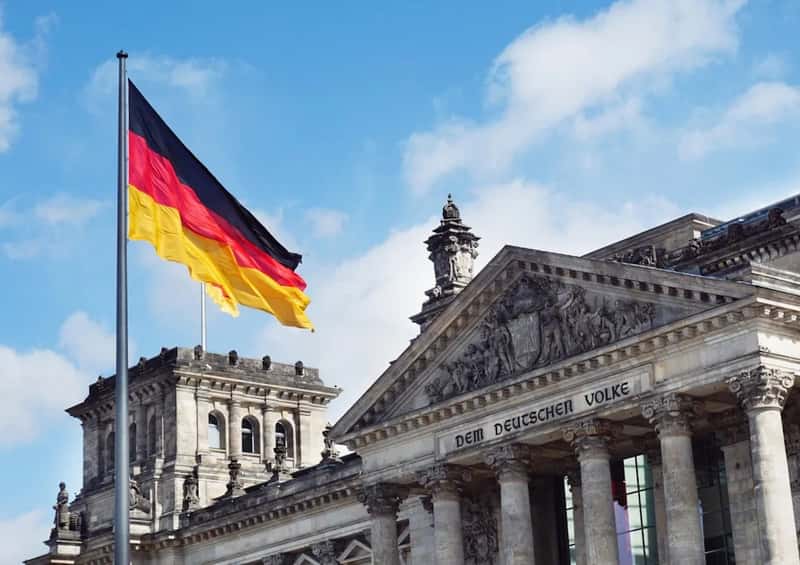
Germany sits in a large tied group at fourth place, a reminder that passport power in Europe is often shared rather than singular. The No. 4 spot for July 2026 is shared by Belgium, Denmark, Finland, France, Germany, Ireland, Italy, Luxembourg, Netherlands, Norway and Spain, all with a score of 186. Eleven countries sharing one rank shows just how tightly matched Europe’s top passports have become.
This density isn’t a coincidence. Decades of coordinated EU foreign policy mean that when one member state secures visa-free access to a new destination, others in the bloc often follow within a year or two, keeping the whole group clustered near the top.
7. Switzerland: steady strength outside the EU

Switzerland’s position is worth noting precisely because it isn’t an EU member, yet it still ranks among the world’s strongest passports. Austria, Greece, Malta, Portugal, and Switzerland sit at fifth place, with 185 destinations. That’s a testament to Switzerland’s long history of neutrality and its extensive network of bilateral trade and travel agreements.
Swiss diplomacy has always leaned on quiet consistency rather than dramatic gestures, and the passport ranking reflects that. Even without the EU’s collective bargaining power, Switzerland has built enough individual goodwill to sit comfortably near the top of the index year after year.
8. United Kingdom: recovering ground after a rocky stretch

The UK’s passport has had an uneven run since Brexit, but 2026 brought a modest recovery. The UK has climbed one place to 6th since the start of the year after securing visa-free access to China and Malawi. That single gain to China in particular carries outsized symbolic weight, given how few major economies currently enjoy that access.
Still, the UK’s overall trajectory over the past decade has trended downward from its peak. In the past decade, it hovered between 5th, 6th, and 7th places, climbing to 4th place in 2024, but dropping back to 6th place by 2026. The bounce this year suggests the slide may be leveling off, though it’s too early to call it a turnaround.
9. Canada: quietly climbing the mid-table

Canada doesn’t often make headlines in passport rankings, but its steady climb in 2026 deserves notice. Canada has risen to 7th following similar gains in visa-free access, putting it just behind the UK in the current standings. It’s the kind of gradual progress that rarely makes news but adds up meaningfully over time.
Canada’s ranking reflects a passport that has long punched above its weight relative to its population size. Strong trade ties, a reputation for political stability, and consistent diplomatic outreach across multiple continents have kept Canadian travelers among the least restricted in the world.
10. United States: a long fall from the top
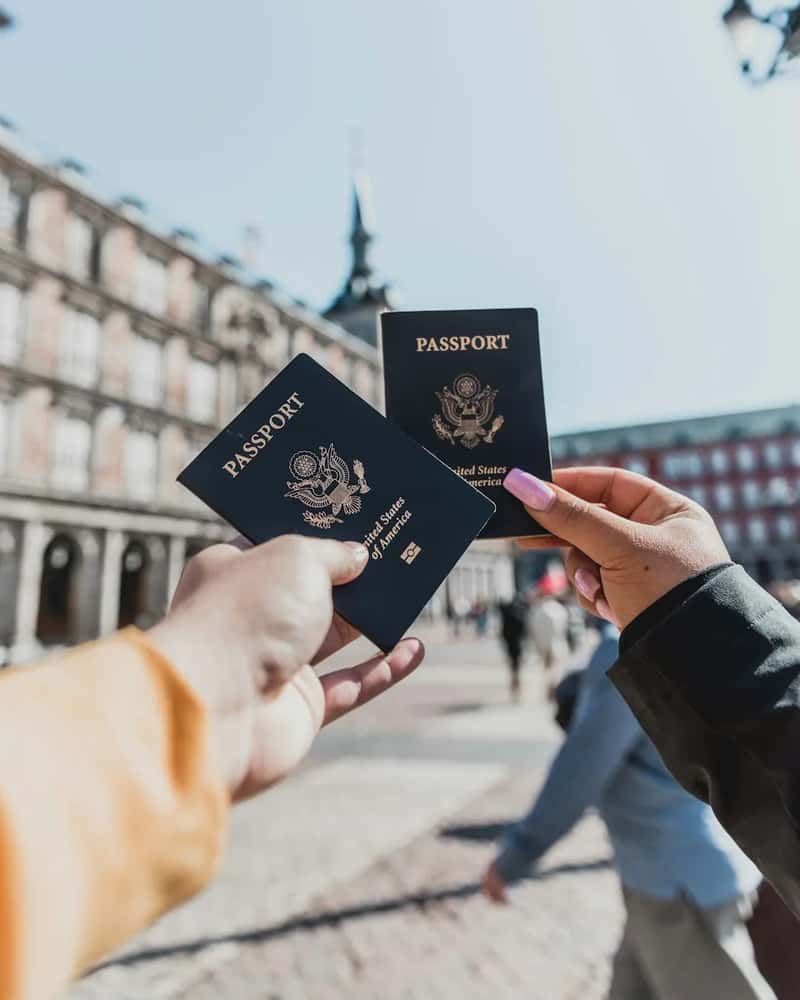
The most striking story in the 2026 index isn’t who’s on top, it’s how far the United States has fallen to get to tenth. Today the United States is in 10th position but, because Henley counts multiple countries with the same score as a single spot in its standings, in reality that means 36 countries are ranked ahead of it. That’s a dramatic shift for a passport that once ranked among the world’s very best.
The decline has been unfolding for two decades, not overnight. As Christian H. Kaelin, chair of Henley & Partners and creator of the index, put it, twenty years of data show that passport power is one of the clearest expressions of a country’s geopolitical capital, and the world’s strongest passports belong to nations other countries want as partners. The US also now faces a notable practical gap: the United States remains in 10th place and is now one of the few top-ranked passports whose citizens still require a visa to visit China.
What the 2026 rankings reveal
Looking at the full picture, a few patterns stand out clearly. Asia now holds the very top of the index for the first time in the ranking’s history, Europe still owns the broad middle tier through sheer density of tied nations, and the Gulf has produced the single biggest success story of the past twenty years in the UAE. Meanwhile, the widening gap between the strongest and weakest passports, with some countries offering access to fewer than fifty destinations while others open well over 180, is a stark reminder that global mobility remains anything but equal.