There’s a quiet kind of currency in a passport that has nothing to do with the cover color or the biometric chip inside it. It’s measured in something far more practical: how many borders open without a single form to fill out beforehand. In 2026, that measure has produced a familiar cast of top performers, though the story behind their rise is anything but static.
The Henley Passport Index, the industry’s most closely watched ranking, tracks 199 passports against 227 destinations worldwide using data supplied by the International Air Transport Association. Four countries in particular have separated themselves from the pack this year, each for slightly different reasons.
Singapore: the reigning global leader
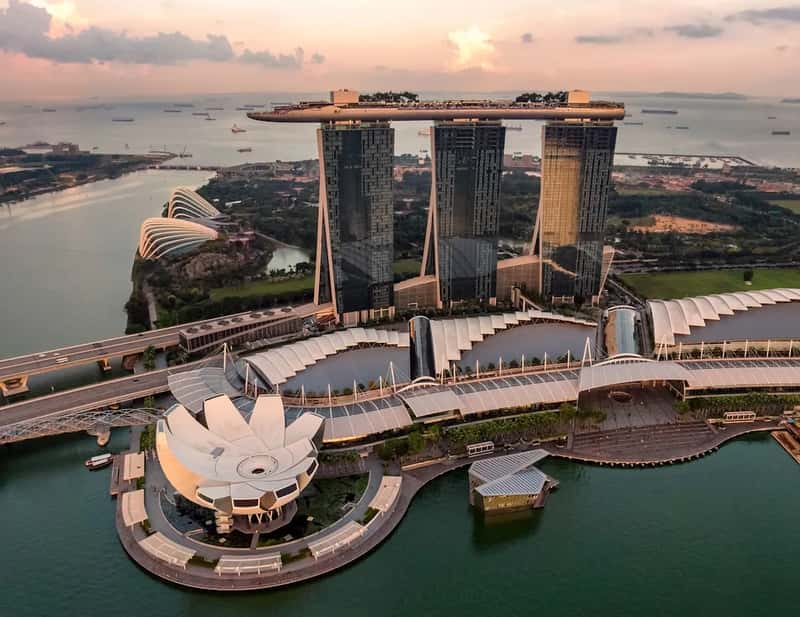
Singapore has held the number one spot on the Henley Passport Index for three consecutive years, and 2026 has been no exception. Singapore ranks first in the 2026 passport rankings, with visa-free access to 192 destinations worldwide. That places the city state ahead of every other nation tracked by the index, a position it first reached back in 2019.
The climb has been a long one. Back in 2006, it was in eighth place before climbing to first place in 2019. Analysts tie this dominance to something less tangible than treaties alone. The strength of Singapore’s passport is closely connected to the country’s strong global partnerships and trusted international image, with countries around the world viewing Singaporean travellers as low-risk visitors due to the nation’s stable economy, strong governance, high security standards and reliable international reputation.
Japan: steady strength through diplomatic consistency
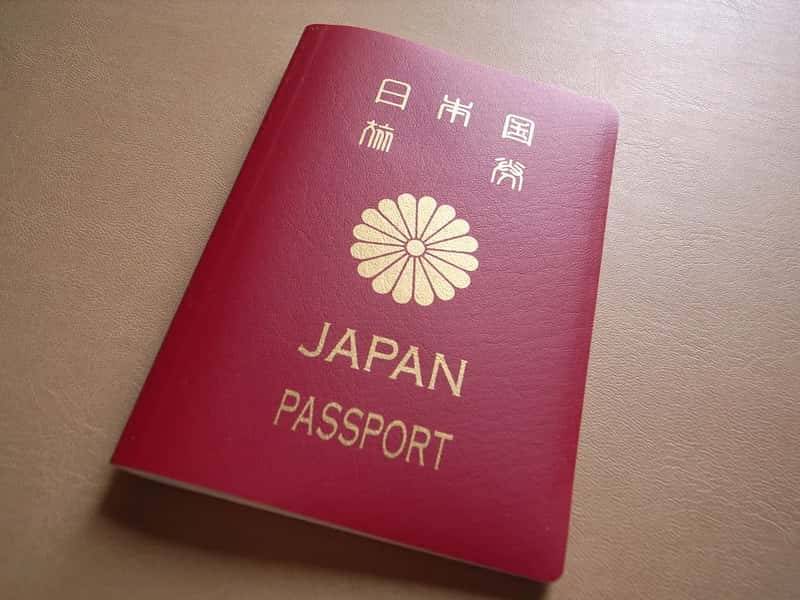
Japan has spent years trading the top spot with Singapore, and even after slipping to second place, its passport remains one of the most capable travel documents on the planet. In past years, Japan previously held the No. 1 position but has since fallen to No. 2, joining South Korea with access to 188 countries. That is still a remarkable figure when set against the global average.
What keeps Japan near the summit is less about sudden diplomatic wins and more about decades of quiet consistency. Japan, South Korea and European nations continue to maintain their positions through decades of global partnerships and stability. For Japanese travelers, that translates into visa-free or visa-on-arrival access to nearly every major economy and tourist destination, from the Schengen zone to most of Latin America and Southeast Asia.
South Korea: matching Japan destination for destination

South Korea sits in an identical position to Japan this year, and the two countries are so closely matched that Henley groups them together rather than splitting them apart. Japan, the UAE, and South Korea tied for second (188 destinations) in the most recent update reported by Afar, though earlier in the year the pairing sat with Japan alone at that score before the UAE caught up.
South Korea’s rise has mirrored Japan’s own trajectory of trade expansion and diplomatic reach, built over roughly two decades of visa liberalization agreements. Three Asian countries Singapore, Japan, and South Korea have emerged as the leaders, and these nations consistently rank at the top due to their exceptional visa-free access, empowering citizens with unparalleled global mobility. Seoul’s global standing as a technology and cultural export hub has arguably reinforced this diplomatic goodwill rather than the other way around.
United Arab Emirates: the fastest climber in the index’s history

If Singapore, Japan, and South Korea represent stability, the UAE represents momentum. No passport has moved faster or farther in the two decades Henley has published its rankings. The UAE is the country with the strongest performance in the 20-year history of the Henley Passport Index, adding 149 visa-free destinations since 2006 and climbing 57 places up the rankings.
By the middle of 2026, that climb had pushed the UAE into a tie with two of Asia’s traditional powerhouses. There is a three-way tie for the second-strongest passports, with Japan, South Korea, and the United Arab Emirates each offering access to 187 destinations without a visa. Henley attributes the surge to what it describes as sustained diplomatic engagement and visa liberalization, though there is one notable gap in the UAE’s reach. The UAE has the strongest passport outside of East or Southeast Asia, though with a notable caveat: Emiratis lack visa-free access to the United States, unlike their peers in Singapore, Japan, or South Korea.
What the rankings actually measure, and what they leave out

None of these rankings claim to grant unconditional entry anywhere. Henley & Partners counts destinations where no visa is required before departure, including some visas on arrival, visitor permits, and electronic travel authorizations, provided they do not require prior government approval, while destinations requiring a visa or approved e-Visa before departure are not counted as visa-free. That distinction matters, because a high score does not mean a traveler walks through immigration without any paperwork at all.
It also helps explain why the gap between the top and bottom of the index feels so vast. Passport rankings remain compelling because they offer a simple snapshot of a far more complex reality: the ability to move across borders with fewer administrative barriers. For the four countries profiled here, that reality translates into genuinely exceptional freedom of movement, even if the fine print always deserves a second look before booking a flight.