Off Argentina’s coast lies a deep underwater canyon that few have ever seen up close. Researchers exploring its depths recently encountered something unexpected: clear signs of human activity in the form of plastic and rubber debris scattered across the seafloor. The discovery came during a survey originally focused on marine life rather than pollution.
A Striking First Encounter
The team’s remotely operated vehicle captured its initial view of litter at more than 1,000 meters below the surface. A plastic bag lay entangled on the bottom, an object immediately recognizable as out of place in such an isolated setting. Marine biologist Diego Urteaga, a co-author of the study and researcher at Argentina’s Bernardino Rivadavia Museum of Natural Science, described the moment as striking because it linked human activity so directly to an environment at extreme depth. Further dives revealed additional items at even greater distances from shore. One piece of plastic packaging appeared at 3,814 meters, underscoring how far surface debris can travel before settling. The canyon itself sits roughly 250 kilometers from the Argentine coastline in the southwestern Atlantic, a location chosen for its biodiversity rather than any expectation of finding waste.
What the Survey Revealed
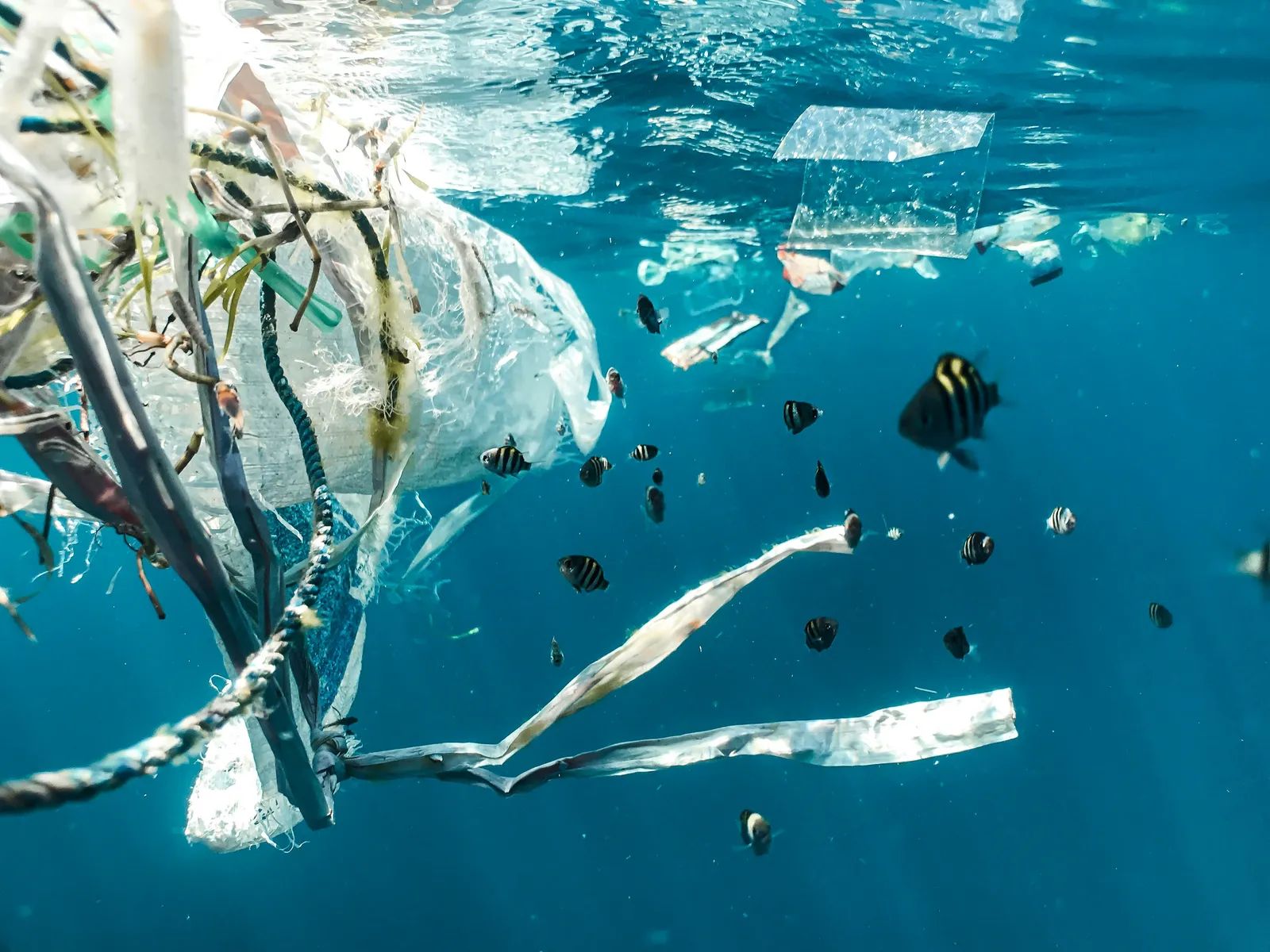
Across 17 dives the researchers documented 29 separate pieces of litter. Most consisted of plastic, with some rubber items mixed in. The assortment included fishing gear, bags, wrappers, a plastic cup, and even a rubber boot. Urteaga noted the variety as particularly surprising given the canyon’s distance from populated areas. Marine organisms had already begun interacting with several pieces. A sea star rested on one plastic bag, while a length of fishing rope supported colonies of other life forms. These attachments illustrate that discarded materials do not simply vanish once they reach the deep sea. Instead they can persist and become part of the local environment in unexpected ways.
From Biodiversity Study to Pollution Record
The original purpose of the expedition centered on mapping habitats and species within the Mar del Plata Submarine Canyon. Litter quickly became impossible to overlook during the work. The observations add to a growing body of evidence that plastic pollution reaches even the most inaccessible ocean regions. Urteaga and colleagues emphasized that the findings emerged incidentally rather than through targeted waste sampling. Still, the presence of debris at such depths raises questions about how currents and other processes move materials from coastal or surface sources into these remote trenches. The study provides a baseline for future monitoring in the area.
Implications for Deep-Sea Environments
The discovery highlights that remoteness offers no automatic protection from surface-generated waste. Items observed in the canyon demonstrate that plastic and rubber can travel long distances and remain intact long enough to reach the seafloor. Organisms colonizing the debris suggest these materials may influence local ecosystems over time. Continued exploration of similar canyons could clarify whether this pattern repeats elsewhere along the Argentine margin or in other deep-sea systems. The current observations remain limited to one location and one set of dives, leaving room for broader surveys to determine the full extent of the issue. The findings serve as a reminder that human influence extends farther into the ocean than previously assumed in many cases. As exploration technology improves, more such encounters are likely in places once considered beyond reach.