Mexico’s beaches, colonial plazas, and jungle ruins have long been sold as an escape from everyday worries. Yet a string of violent episodes over the past year has forced travelers, airlines, and entire local economies to weigh that promise against a harder reality. The gap between the marketing brochure and the security briefing has rarely felt this wide, and 2026 has already tested it more than once.
A single killing shook an entire tourism map

The turning point came on February 22, 2026, when Mexican special forces killed Nemesio “El Mencho” Oseguera Cervantes, the longtime leader of the Jalisco New Generation Cartel, in Tapalpa, Jalisco. The US State Department said people in several Mexican states, including popular vacation spots in Jalisco, Baja California and Quintana Roo, should seek shelter amid violence following the death of the cartel leader.[1] Within hours, cars were burning and highways were blocked in places tourists actually visit.
The reaction was swift and international. Canada issued similar warnings for areas hit by unrest while flagging possible transport disruption for those looking to leave, and the UK Foreign and Commonwealth Office urged British citizens in Jalisco to stay indoors.[1] For a few tense days, the country’s tourism machine looked genuinely rattled, though the disruption proved shorter than the headlines suggested.
Jalisco’s resort corridor absorbed the retaliation
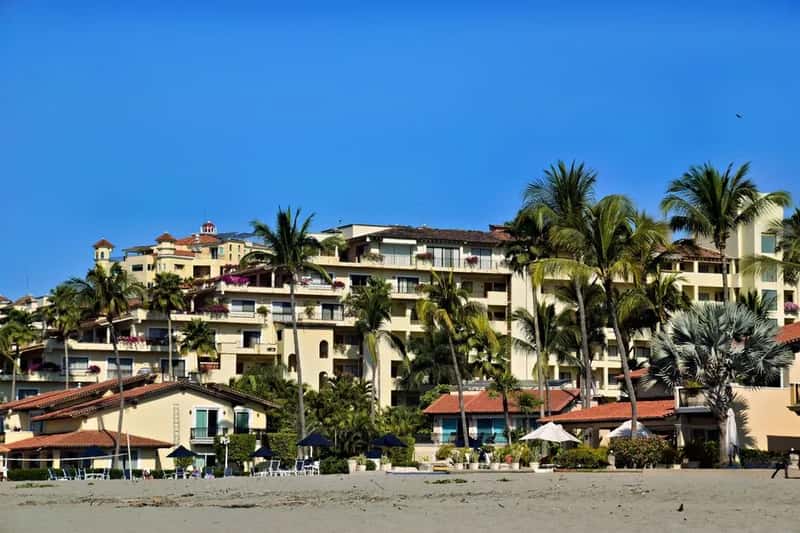
Jalisco is home to Guadalajara and Puerto Vallarta, two anchors of Mexico’s domestic and international travel economy, which made the retaliatory violence there especially unsettling. On February 22, 2026, Mexican security forces killed cartel leader El Mencho in Jalisco, triggering brief retaliatory violence in Puerto Vallarta and Guadalajara.[2] Airports and roads saw the worst of it, with blockades appearing on short notice.
The situation did not stay tense for long. The retaliatory violence was intense but brief, and within days, blockades were cleared and airports resumed normal operations, with no tourists harmed during the events.[3] By the following week, flight schedules were operating normally again in Guadalajara, and many airlines had extra flights planned for Puerto Vallarta.[4] Even so, US government staff on the ground remained under lasting precautions, since staff there remained subject to a nighttime curfew, and staff in Jalisco state and Monterrey were directed to stay within their metropolitan areas.[4]
Quintana Roo tells a more encouraging story, on paper
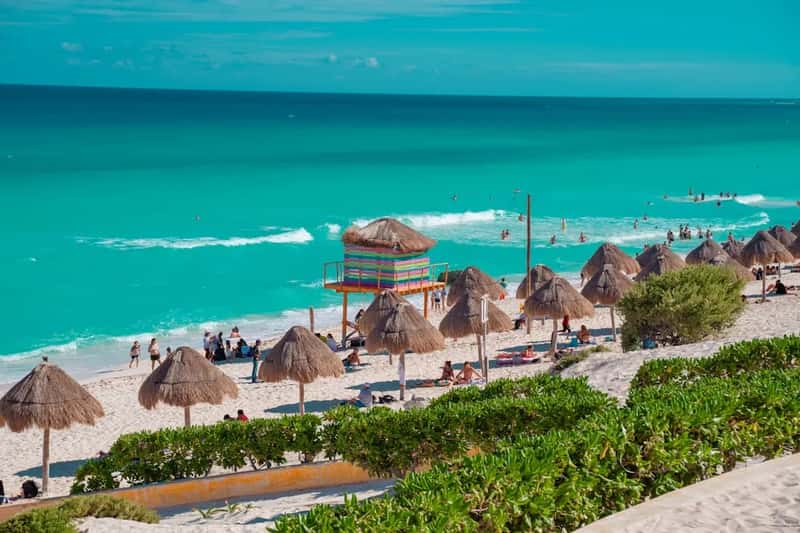
Cancun, Tulum, and Playa del Carmen sit in Quintana Roo, more than a thousand miles from where the February violence erupted, and the numbers there have actually been trending in a better direction. Quintana Roo recorded a 69.3% reduction in the daily average of intentional homicides during the first two months of 2026 compared to the same period in 2025, according to federal security data presented by Mexico’s National Public Security System.[5] That followed an already sharp improvement, since homicides in Quintana Roo fell 56.8% for all of 2025 compared to the prior year.[5]
Context matters here, because the state’s baseline was never as bad as border cities. Quintana Roo posted a homicide rate of approximately 34 per 100,000 residents in 2024, above Mexico’s national rate of 29 but well below high violence cities like Tijuana or Ciudad Juárez, which sit above 80.[5] The US State Department has kept its advisory steady, and it maintains a Level 2 Exercise Increased Caution advisory for Quintana Roo, including Cancun, Tulum, Playa del Carmen, and Cozumel, unchanged since August 2025.[2]
Tulum’s nightlife still draws unwanted attention
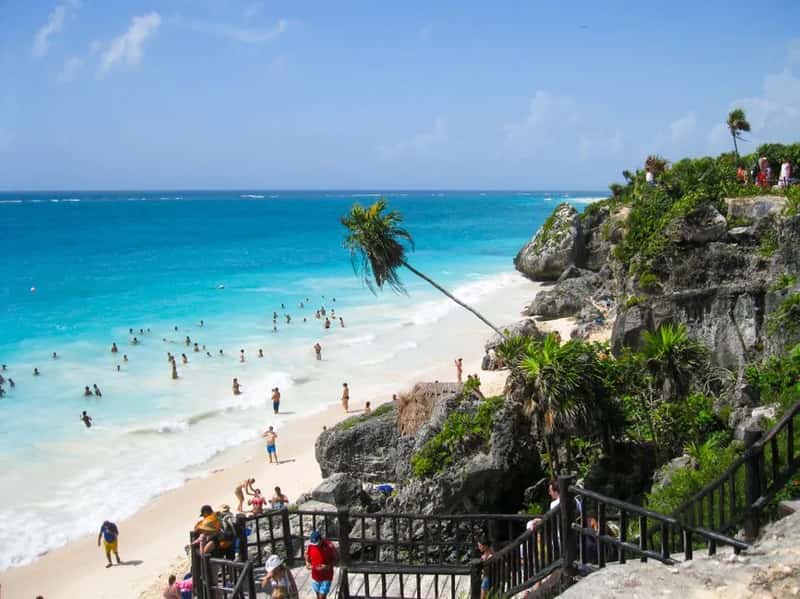
Tulum’s reputation has always been a mix of beach clubs, ruins, and a party scene that occasionally collides with organized crime. Local cells aligned with the Sinaloa Cartel’s Chapitos faction have been the secondary faction in Tulum, contesting hotel zone retail share with CJNG aligned groups.[6] That competition has produced sporadic, targeted incidents rather than random danger for visitors.
Security agencies have responded with a heavier footprint rather than a retreat. Quintana Roo remained at Level 2 throughout the February unrest, federal and state forces including the Navy and National Guard surged patrols in the hotel zones and downtown, and tourist operations continued normally.[7] Analysts are careful not to oversell the calm, noting that what deployment cannot do is fully displace retail drug markets in tourist destinations, since consumer demand continues to fund retail activity, and the functional ceiling on what authorities can deliver is keeping violence below the threshold where tourist casualties are routine.[6]
Los Cabos faces cartel intimidation and a tourism slowdown
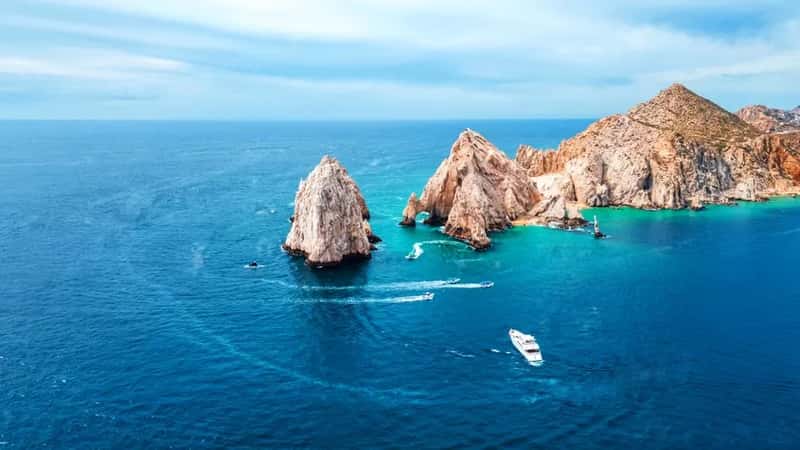
Baja California Sur has generally been considered one of Mexico’s calmer resort regions, which made a specific incident in late 2025 stand out. On Sunday, October 5, 2025, two banners reportedly left by the Sinaloa cartel appeared in Los Cabos, warning of violence against Americans living or visiting areas controlled by the cartel, signed by the “La Chapiza” faction and addressed to the FBI Director and DEA Administrator.[8] The message was aimed at federal officials rather than tourists directly, but the optics were still jarring for a destination built entirely on visitor confidence.
The economic fallout has been measurable, if complicated by other factors. International arrivals fell by 7.1%, dropping from over 545,000 in 2025 to 507,000 in 2026, a decline concentrated in March following incidents in which no tourists were hurt.[9] Local tourism officials point to overlapping pressures rather than security alone, since global media coverage of the violent incidents led to a drop in travel from the US and Canada, according to the Los Cabos Hotel Association.[10]
Acapulco remains the cautionary tale
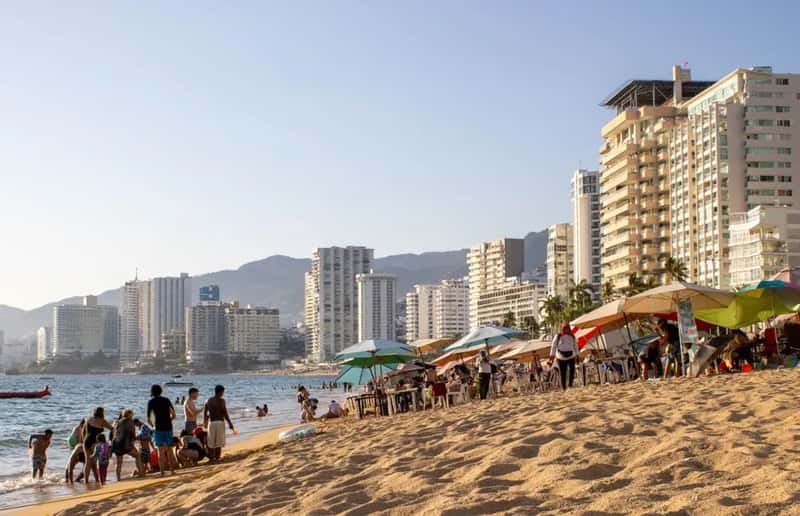
No destination illustrates the cost of unresolved violence quite like Acapulco, once one of Latin America’s glamour capitals. Acapulco has struggled to shed its reputation as a hotbed for violence, ranking 34th in the world with 71 homicides per 100,000 residents and recording 560 homicides between September 2024 and August 2025, more than twelve times the number reported in Tulum.[8] Those figures explain why the city’s comeback attempts keep stalling before they gain traction.
Guerrero, the state that contains Acapulco, sits under the strictest US advisory level. The US State Department advises that armed groups operate independently of the government throughout Guerrero, frequently maintaining roadblocks and using violence toward travelers, and US government employees are prohibited from traveling to any area in the state, including major tourism destinations.[11] The practical consequence has been steady erosion of visitor numbers, since flight cancellations, cruise disruptions, and continued media coverage of cartel violence have further impacted tourism arrivals.[11]
Six states now carry Mexico’s most severe warning
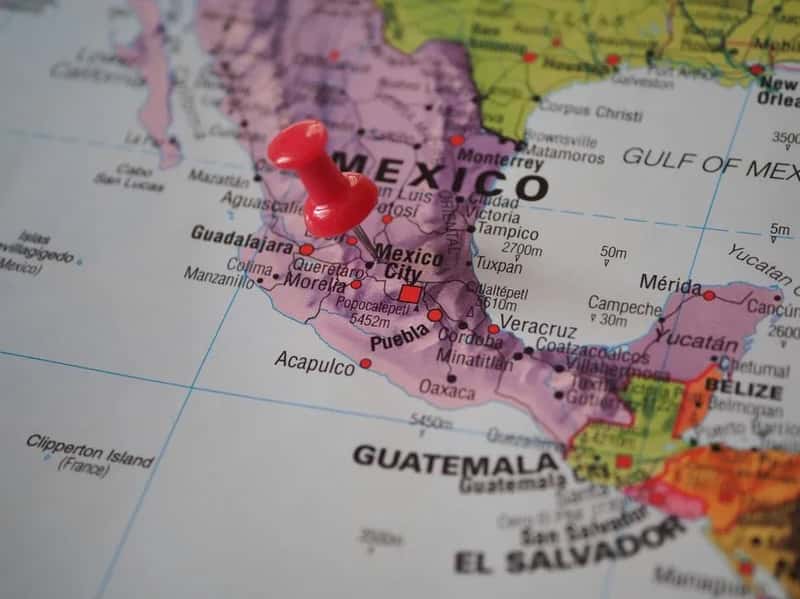
Beyond the individual headlines, there is a broader map worth understanding. Six states, Sinaloa, Guerrero, Tamaulipas, Michoacan, Zacatecas, and Colima, have active cartel violence and carry US State Department Do Not Travel advisories.[12] Colima has drawn particular attention, as Colima City has the highest homicide rate in Mexico and also tops the list of global homicide rates due to intense cartel violence.[13]
None of these six states are major beach resort destinations in the way Cancun or Los Cabos are, which is an important distinction for travelers trying to make sense of the news. The states where most violence occurs, Sinaloa, Tamaulipas, Guerrero, and parts of Michoacán, are geographically separate from where the vast majority of tourists go, namely the Yucatán Peninsula, Pacific coast resorts, central colonial cities, Oaxaca, and Chiapas.[14] That geographic separation is real, though it does little to calm nerves when a single incident dominates a news cycle.
Security forces are leaning on visible deployment
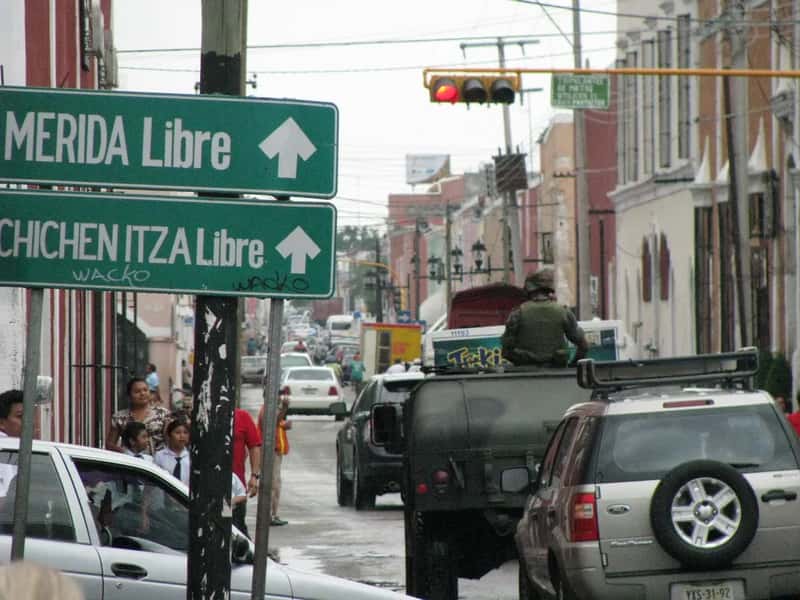
Mexican authorities have generally answered spikes in violence with more boots on the ground rather than public reassurance alone. In Guerrero, officials launched Operativo Temporada Vacacional Invierno 2025, deploying sixty eight hundred security personnel and seven hundred twenty seven patrol units.[11] That kind of large scale mobilization has become a template repeated in other hotspots.
The clearest example of the strategy actually moving the needle is Quintana Roo, where a similar approach preceded the state’s homicide decline. Federal deployment to Tulum, Cancún, and Playa del Carmen scaled significantly in 2025 in response to the 2023 to 2024 violence spike, and the Guardia Nacional deployment has produced a measurable reduction in violence, the 56.8 percent statewide drop.[6] Whether that model can be replicated in a place as entrenched as Acapulco remains an open question, since Guerrero’s security challenges run deeper and longer than a single deployment cycle.
Tourism’s economic weight makes the stakes personal
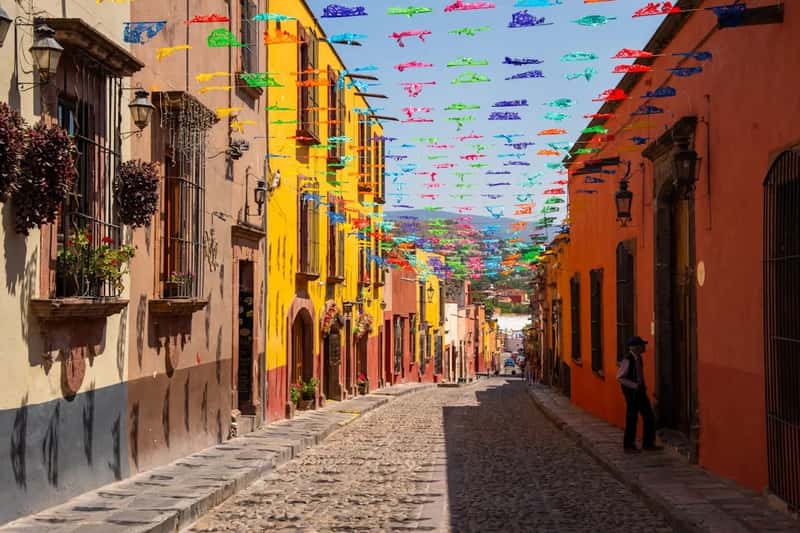
None of this unfolds in a vacuum, because tourism is not a side industry in many of these regions, it is the industry. Los Cabos closed 2025 with a record 3.77 million visitors, the highest in its history, generating 133.3 billion pesos in economic impact while supporting more than forty four thousand formal jobs.[15] A prolonged dip in arrivals does not just dent hotel revenue, it touches payrolls across an entire community.
Quintana Roo’s scale is even larger and illustrates why the state has invested so heavily in security. The state received around 21 million tourists in 2024.[7] With numbers like that, even a modest shift in perception can ripple through thousands of small businesses that depend on steady visitor flow, which is precisely why local governments keep emphasizing security surges over quiet hope that the headlines will simply fade.
The takeaway for travelers weighing a trip
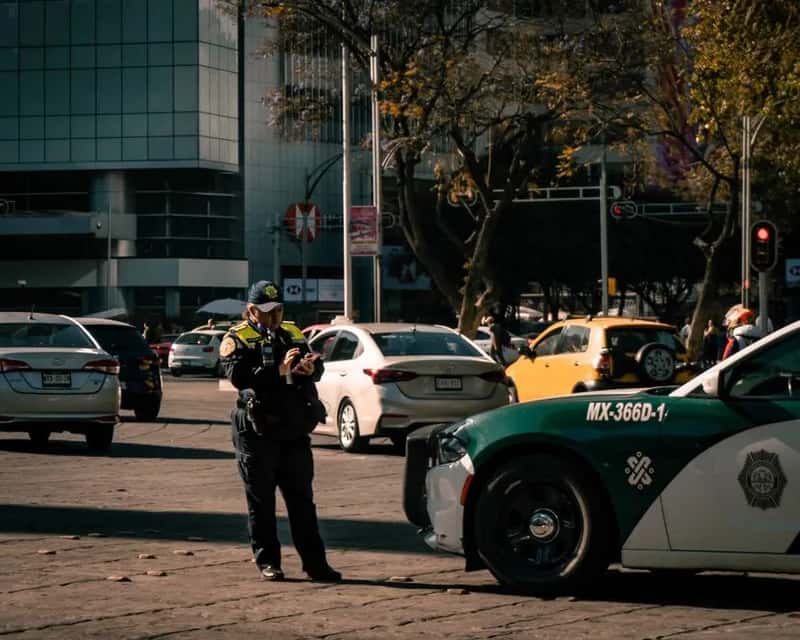
The honest picture in 2026 is neither the sanitized version in tourism board press releases nor the alarmist one that circulates after every violent headline. Cartel related violence is real, geographically concentrated, and largely separate from the beach zones and hotel corridors most visitors actually experience, yet it is close enough, and unpredictable enough, that pretending it doesn’t exist would be its own kind of mistake. Mexico’s paradise destinations are not collapsing, but they are operating under a level of vigilance that would have seemed unusual a decade ago, and that tension between glossy marketing and armored patrols is likely to define the country’s tourism story for the rest of this decade.