
Rome is one of those cities that feels larger than life, a place where history, art, and daily culture blend into something unforgettable. For families, the Eternal City can seem overwhelming at first glance, with its vast landmarks, bustling piazzas, and seemingly endless list of must-see attractions. But with the right plan and a family-friendly approach, three days in Rome can be not just manageable but magical, offering experiences that entertain children, inspire parents, and create memories everyone will carry for years.
The key to enjoying Rome with family is pacing, balancing famous highlights with slower, more engaging activities that give kids time to play and adults the chance to soak in the atmosphere. Instead of trying to see everything, focusing on a mix of iconic sights and relaxed neighborhood explorations allows families to truly enjoy the city without feeling rushed. Rome’s neighborhoods are like open-air museums, full of surprises at every turn, and even a short walk can become an adventure for children spotting fountains, gelato shops, or street performers.
Three days may not cover all of Rome’s treasures, but it’s the perfect amount of time for a family to discover the city’s spirit. By weaving together history at the Vatican, ancient wonders near the Colosseum, local life in Trastevere, and plenty of breaks for gelato and playgrounds, families can create a trip that feels immersive yet child-friendly. Here’s a guide to making the most of a three-day Roman adventure that will delight toddlers, teens, and adults alike.
Day One Morning: Exploring the Vatican

A visit to the Vatican may sound daunting with kids, but with the right approach it can become one of the most inspiring parts of a family trip. Starting early in the morning helps avoid the biggest crowds, and guided tours tailored for families can bring the art and history to life with stories that children can follow. St. Peter’s Basilica is awe-inspiring for adults, while the vast size and sparkling mosaics often capture even young children’s imaginations.
The Vatican Museums can feel overwhelming, but families who plan ahead can choose a shorter route that includes the highlights like the Sistine Chapel without tiring little legs. Many guides know how to keep kids engaged with scavenger-hunt style activities or fun explanations of the art. Parents appreciate the educational value, while children enjoy the storytelling and colorful details. Ending the morning with a break in St. Peter’s Square gives toddlers space to stretch and older kids a chance to take in the scale of the Vatican’s architecture.
Day One Afternoon: Castel Sant’Angelo and Gelato Stops

After a morning of art and history, Castel Sant’Angelo offers a more playful experience. Originally built as a mausoleum and later transformed into a fortress, it has winding staircases, hidden rooms, and castle-like towers that fascinate children. The rooftop views over Rome are spectacular, giving parents a chance to soak in the city while kids feel like little adventurers exploring a fortress.
Walking from the Vatican to Castel Sant’Angelo also allows families to stop at some of Rome’s most famous gelaterias. Gelato breaks are essential for keeping energy levels high and adding a sense of fun to sightseeing. Parents can savor unique flavors while children enjoy the excitement of choosing their favorites. By blending exploration with relaxation, the afternoon becomes a balanced adventure. Families end the day feeling both enriched and refreshed, with plenty of stories to share over dinner.
Day Two Morning: The Colosseum and Roman Forum

No trip to Rome is complete without the Colosseum, and children are often amazed by its sheer size and dramatic history. Booking skip-the-line tickets saves valuable time, and family-focused guides know how to make the stories of gladiators exciting without being too graphic. Kids often love imagining the arena filled with roaring crowds, while parents appreciate the chance to stand in one of the most iconic places in the world.
The Roman Forum, just next door, provides wide open spaces where children can run a little while still exploring ruins that bring ancient Rome to life. Families can take their time walking along old roads, pointing out temples, arches, and columns. For parents, it’s a chance to connect with history, while children often see the Forum as an open-air playground. This mix of learning and freedom makes the morning both educational and fun, ensuring the whole family stays engaged.
Day Two Afternoon: Piazza Navona and Campo de’ Fiori

After a morning of ruins, Piazza Navona offers a lively contrast. The fountains with their dramatic sculptures often fascinate children, and the square is full of street performers who add energy and excitement. Families can sit at outdoor cafés where kids can snack on pizza slices while parents enjoy a cappuccino or a glass of wine.
A short walk away, Campo de’ Fiori is a bustling market that introduces children to the sights and smells of Roman daily life. Bright fruit stands, fresh bread, and local cheeses create a sensory experience that toddlers and older kids alike find engaging. Parents can shop for picnic supplies or souvenirs while children enjoy the colorful displays. This afternoon combines culture, food, and fun, offering a more relaxed way to explore Rome.
Day Three Morning: Villa Borghese Gardens

Rome can feel busy and overwhelming, but Villa Borghese Gardens provide a refreshing green escape. Families can rent bikes or pedal carts, making it easy to cover the park’s wide paths while keeping toddlers entertained. Playgrounds scattered throughout the gardens ensure kids have plenty of space to run and climb.
For parents, the gardens also offer art and culture, with museums like the Galleria Borghese nearby. Families who prefer a slower pace can simply enjoy a picnic under the shade of trees while children chase pigeons or explore fountains. The gardens create a sense of calm in the middle of the city, proving that family travel in Rome doesn’t always need to be about monuments. A morning here resets the energy for the rest of the trip.
Day Three Afternoon: Trastevere’s Family Charm

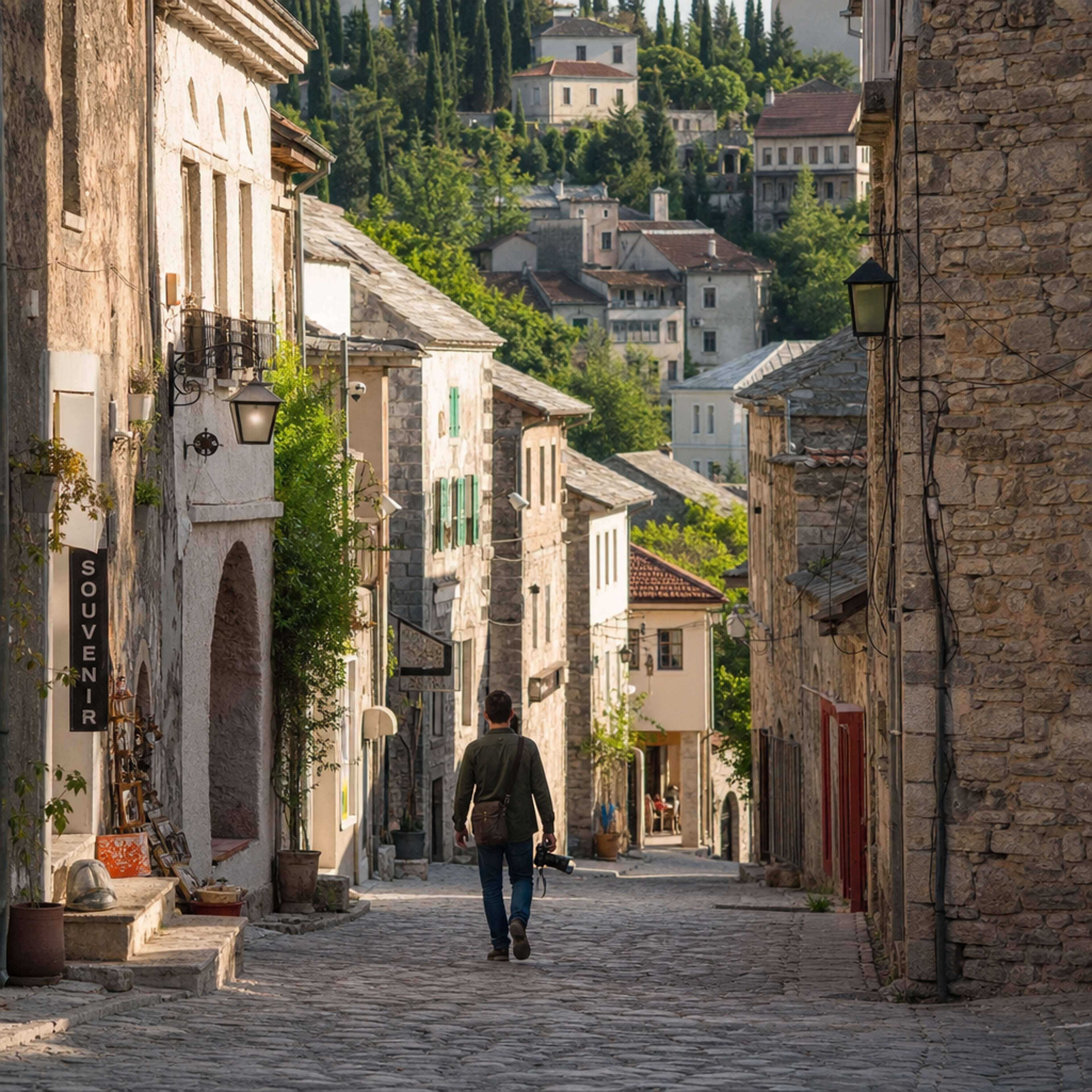
Trastevere is one of Rome’s most beloved neighborhoods, and its narrow cobblestone streets feel like a maze waiting to be explored. Families can wander slowly, stopping at bakeries, gelato shops, and small piazzas where children can play safely. The relaxed pace of Trastevere makes it especially good for toddlers, who enjoy the freedom of exploring at their own rhythm.
Parents love Trastevere for its authentic Roman atmosphere, where laundry still hangs from balconies and locals gather in squares. Restaurants here are casual and family-friendly, serving traditional dishes that satisfy even picky eaters. By the afternoon, the neighborhood’s charm creates the perfect end to a family trip, blending exploration with comfort. Trastevere feels less like a tourist attraction and more like a glimpse into daily Roman life, making it a favorite for travelers of all ages.
Evenings in Rome: Family-Friendly Dining and Strolls

One of the best parts of Rome for families is that the city truly comes alive in the evening, when the heat of the day fades and the streets fill with locals. Dinner is a relaxed, joyful event, and many Roman trattorias welcome children with open arms. Pasta, pizza, and gelato are always favorites, making it easy to please even the youngest travelers.
After dinner, families can enjoy gentle evening strolls through piazzas lit by golden lamps. The Trevi Fountain, the Spanish Steps, and simple neighborhood squares all feel magical at night. Parents can enjoy the romantic atmosphere, while children marvel at the lights, the fountains, and the lively energy of the city. These walks are the perfect way to end each day, slow, beautiful, and full of moments that remind you why Rome is a city for everyone, no matter their age.