


The allure of walking in the footsteps of your favorite characters sounds irresistible. Yet, the reality of visiting these filming locations might leave you more disappointed than delighted. While 66% of travelers say their trips have been influenced by places they’ve seen in movies or TV shows according to Expedia’s 2025 trends report, the actual experience often falls short of the fantasy. Set-jetting has transformed from a niche hobby into one of the biggest tourism drivers, but this popularity comes at a cost that extends far beyond your wallet.
The global film tourism market has exploded, with the sector reaching $66 billion by 2025 and projected to hit $145 billion by 2035. These impressive numbers mask a troubling truth: the destinations we see on screen rarely match the experiences we encounter in person. From overwhelming crowds to environmental destruction, the hidden costs of chasing fictional worlds into reality reveal why staying home might actually be the smarter move.
The Crowds Have Already Beaten You There
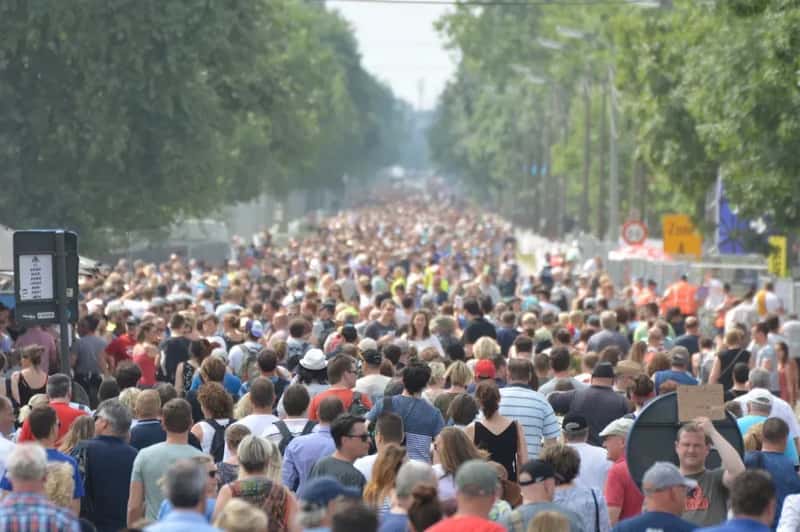
Arriving at a filming location only to find yourself surrounded by hundreds of other fans defeats the entire purpose. Dubrovnik, Croatia experienced themed tours generating around £18.2 million in 2024 alone after Game of Thrones turned the city into a must-see destination. The sheer volume of visitors has forced the city to take drastic measures. As of 2026, authorities have limited daily visitors to 20,000 to manage overtourism, yet the crowds remain suffocating. You’ll spend more time queuing for photo opportunities than actually appreciating the architecture or culture that made the location special in the first place.
This pattern repeats across popular set-jetting destinations worldwide. Santorini reports up to 18,000 cruise passengers overwhelming the island daily, straining resources for its 15,000 residents. The Four Seasons Resort in Maui saw a 386% increase in availability checks after The White Lotus first season aired. When everyone has the same idea simultaneously, the intimate connection you imagined with your favorite show evaporates into a sea of selfie sticks and tour groups. The magic you witnessed on screen becomes impossible to recapture when thousands of other fans are attempting the same thing beside you.
Reality Never Lives Up to the Screen Version
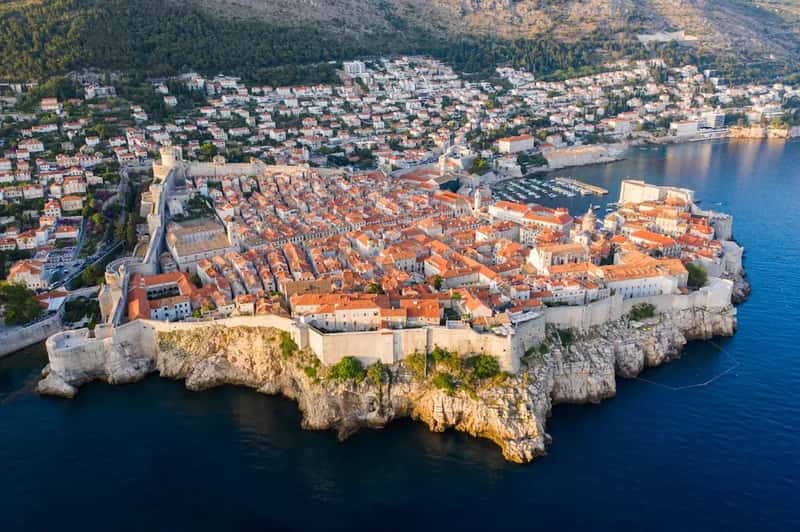
Television and film productions employ entire teams dedicated to making locations appear more beautiful, dramatic, or mysterious than they actually are. Lighting, color grading, strategic camera angles, and digital enhancement create visual experiences that simply cannot exist in real life. When you arrive at these destinations expecting the cinematic version, disappointment becomes inevitable. The cobblestone streets look dirtier, the landscapes less majestic, the buildings more ordinary than they appeared through the lens of professional cinematography.
The problem runs deeper than visual disappointment. A tour guide in Dubrovnik often receives requests for exclusive Game of Thrones tours that deliberately exclude “that boring history or culture stuff,” with local authorities having to limit visitors to preserve historical integrity after 1.5 million tourists arrived in 2019. This superficial engagement strips locations of their authentic cultural significance. You end up experiencing a sanitized, commodified version designed for tourists rather than the genuine place that actually exists. Local communities often create experiences specifically tailored to what visitors expect from the show, further distancing the reality from what makes the destination truly unique beyond its fifteen minutes of screen fame.
Your Visit Actively Harms Local Communities
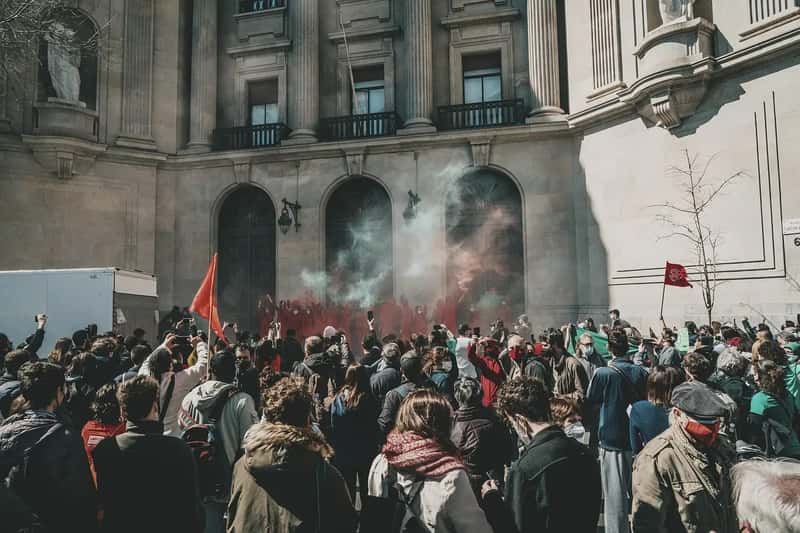
The economic boost that set-jetting supposedly brings to destinations often comes with devastating consequences for the people who actually live there. Barcelona welcomed 15.5 million overnight tourists in 2024, with tourist spending contributing an estimated 9 billion euros annually, yet this has put huge pressure on accommodations and affected both locals’ quality of life and the availability of affordable housing. Residents in major set-jetting destinations have watched their neighborhoods transform into open-air theme parks where they can no longer afford to live. Housing prices skyrocket, local businesses get replaced by tourist shops, and the cultural fabric that made these places special gradually disintegrates.
The situation has become so dire that locals are fighting back. Barcelona residents numbering 3,000 protested on July 6, 2024, demanding reduced tourist numbers and for the government to prioritize fairer economies. In multiple cities, you’ll find residents who view tourists not as welcome guests but as an invasion force threatening their way of life. Your presence contributes to this displacement, whether you intend it or not. The money you spend rarely reaches the local community in meaningful ways, instead flowing primarily to international hotel chains, tour companies, and corporations that have swooped in to capitalize on the filming location’s newfound fame.
Environmental Destruction Follows the Cameras
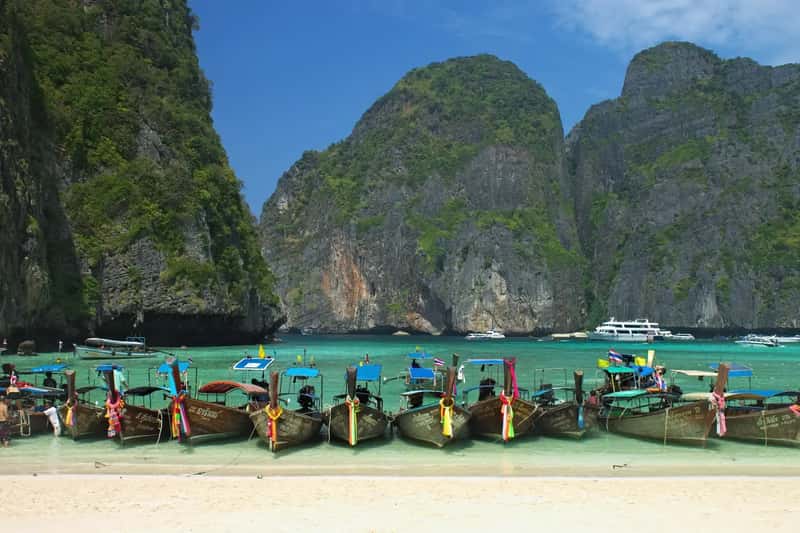
The ecological impact of set-jetting extends far beyond the carbon emissions from your flight. Thailand’s Maya Beach had to close for three years in 2018 due to damage to coral reefs and beach areas caused by an unyielding influx of tourists after the location appeared in The Beach starring Leonardo DiCaprio. Natural environments that took thousands of years to develop can be destroyed in mere seasons when overwhelmed by visitors seeking the perfect Instagram shot. Fragile ecosystems simply cannot withstand the foot traffic, pollution, and infrastructure demands that accompany hordes of set-jetters.
The problem compounds when you consider the broader picture. Antarctica saw over 100,000 tourists between October 2023 and March 2024, a 40% jump from earlier numbers, with big cruise ships and CO2 emissions threatening this pristine “last frontier”. Even locations that seem robust enough to handle visitors suffer long-term damage. Waste management systems buckle, water resources get depleted, and air quality deteriorates. The very beauty that attracted film crews in the first place gradually disappears under the weight of tourism, leaving future visitors with a degraded experience and local ecosystems permanently altered.
Better Alternatives Exist for Authentic Travel
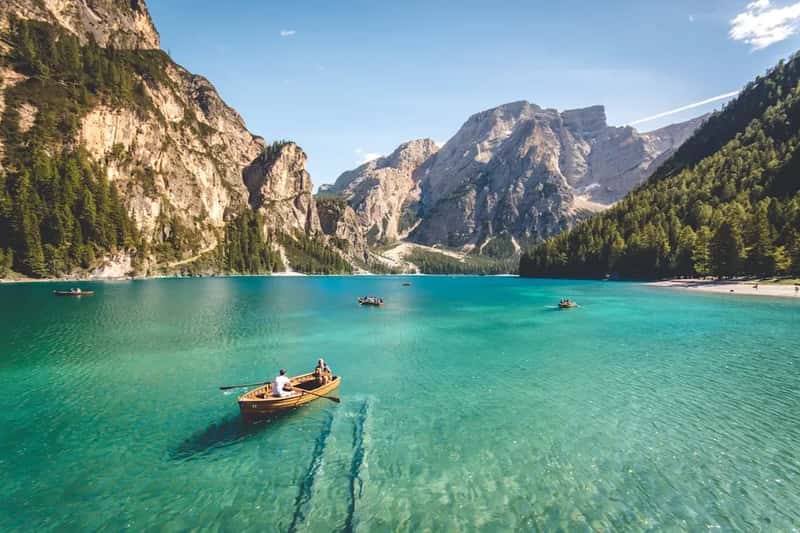
The alternative to set-jetting doesn’t mean staying home forever. It means seeking destinations for their own merits rather than their connection to fictional narratives. Slow travel is gaining traction, with 74% of travelers looking for local recommendations and 73% prioritizing cultural experiences, emphasizing minimizing environmental impact and deepening connections to destinations. When you explore places that haven’t been overrun by film-inspired tourism, you discover authentic experiences that actually resemble what travel used to offer: genuine cultural exchange, meaningful interactions with locals, and the space to form your own impressions rather than trying to recreate someone else’s fictional story.
Shifting your mindset from chasing screen locations to discovering lesser-known destinations benefits everyone involved. Recent satellite data suggests 80% of travelers visit just 10% of the world’s tourist destinations, meaning countless incredible places remain relatively unexplored. These alternative destinations offer better value, fewer crowds, authentic cultural experiences, and the satisfaction of discovering something genuinely new rather than following a well-worn path. Your travel becomes about creating your own story instead of attempting to inhabit someone else’s fictional one. The world contains far too many beautiful, fascinating places to limit yourself to locations chosen primarily for their photogenic qualities and ability to serve a storyline that doesn’t actually exist.



