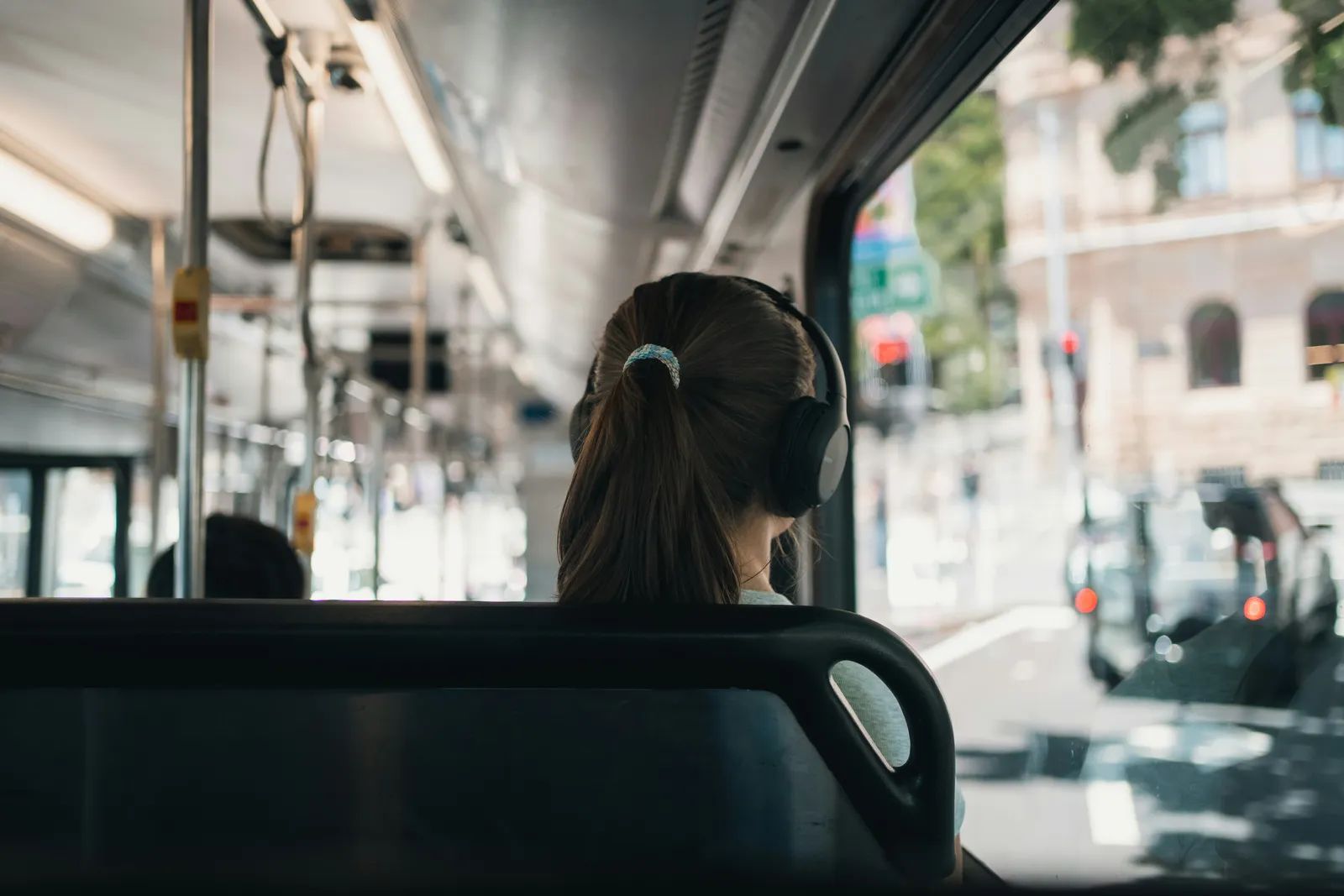
Starting this week, Singapore commuters who like to blast their playlists without headphones are in for an unwelcome surprise. Bus passengers who play music loudly, put their feet on seats, or engage in other disruptive acts can be fined up to S$500 (US$392) from Sept 23, under new laws to make public transport commutes safer and more comfortable.[1] The move brings bus travel in line with rules that have applied on the country’s train network for years, closing a gap that many riders had long complained about.
The change might sound small, but it reflects a much larger conversation happening across cities worldwide about noise, courtesy, and shared space. Singapore, known for its strict but effective approach to public order, is once again setting a precedent that other transport authorities are watching closely.
What The New Rules Actually Say
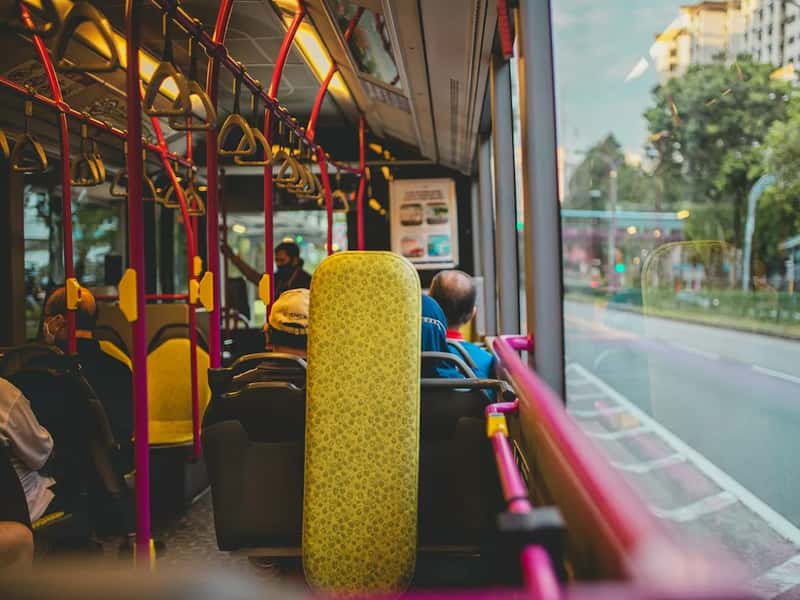
Passengers who cause “annoyance” to others by placing their feet on seats, playing audio at loud volumes, littering, eating or drinking on the bus could be fined up to 500 SGD ($390), according to a statement by the Land Transport Authority.[2] The wording matters here. Rather than banning headphone use outright, the regulation targets behaviour that disturbs fellow passengers, giving enforcement staff some room to judge context rather than applying a blanket rule to every phone speaker that makes a sound.
This approach mirrors how Singapore already handles similar issues on its MRT trains, where noise and cleanliness rules have existed for some time. The Land Transport Authority said the bus rules are aligned with those already in force across the rail network, forming a consistent framework to curb nuisance and disruptive behaviour.[3] In other words, this isn’t a brand new philosophy so much as an extension of an existing one onto buses, which had previously been left out of the equation.
How Much These Fines Will Actually Cost You
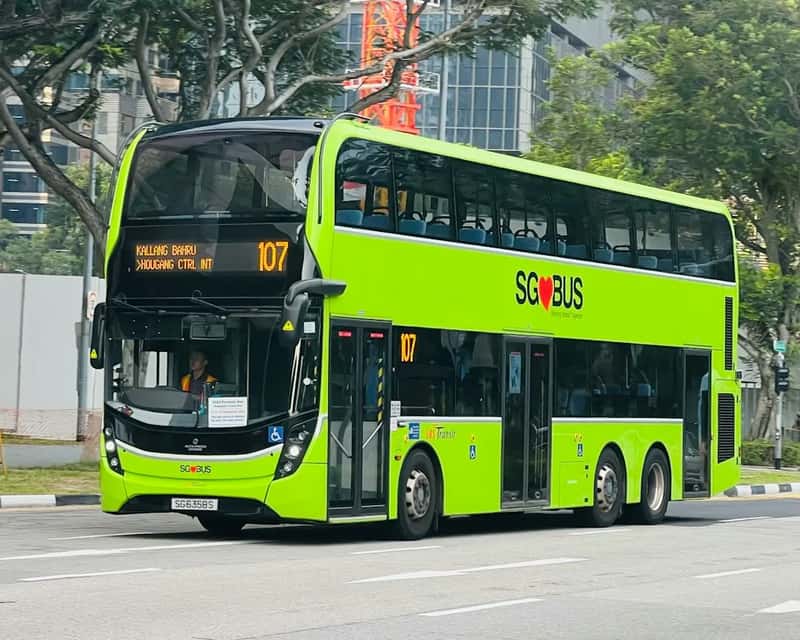
For everyday nuisances like loud music, littering, or resting feet on seats, the maximum penalty sits at S$500, or roughly 390 US dollars. It’s part of a crackdown on “disruptive” behavior on public buses in the Asian city-state, with fines of up to 5,000 Singapore dollars, or about $3,900, for those who break the rules. Passengers who cause “annoyance” to others by placing their feet on seats, playing audio at loud volumes, littering, eating or drinking on the bus could be fined up to 500 SGD.[2] That gap between the two figures, S$500 versus S$5,000, tells you something important about how the authority ranks these offences.
The lower tier is clearly aimed at the kind of everyday irritations that make a commute unpleasant rather than dangerous. Nobody is getting hit with the maximum S$5,000 penalty simply for playing a song too loudly. That heavier fine is reserved for a separate, more serious category of conduct, which we’ll get into shortly.
The Road To Regulation: How Singapore Got Here
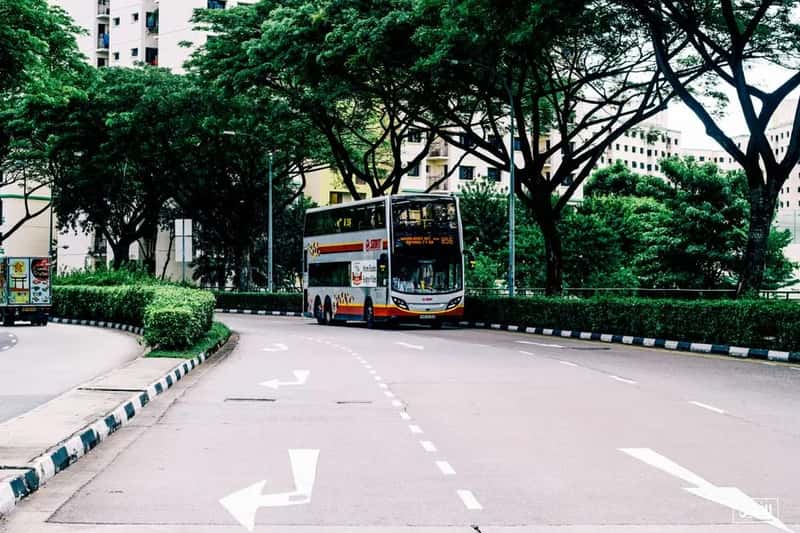
This didn’t happen overnight. The move follows stepped‑up efforts since late 2024 to promote courtesy on public transport, including signage reminding commuters to keep noise levels down, occupy only one seat and refrain from sitting on the floor.[3] Anyone who has ridden Singapore’s buses in recent years will likely recall these gentle reminder posters plastered near doors and seats, nudging riders toward better behaviour long before any legal teeth were attached.
The formal legislative push came later. New regulations were subsequently passed in Parliament in October 2025, with the aim of regulating the conduct of bus passengers to prevent inconsiderate behaviour.[1] Senior Minister of State for Transport Murali Pillai said then that the rules will take reference from the Rapid Transit Systems Act.[1] That detail explains why the bus penalties so closely resemble what’s already been in place on the trains for years.
Who Gets To Enforce These Rules
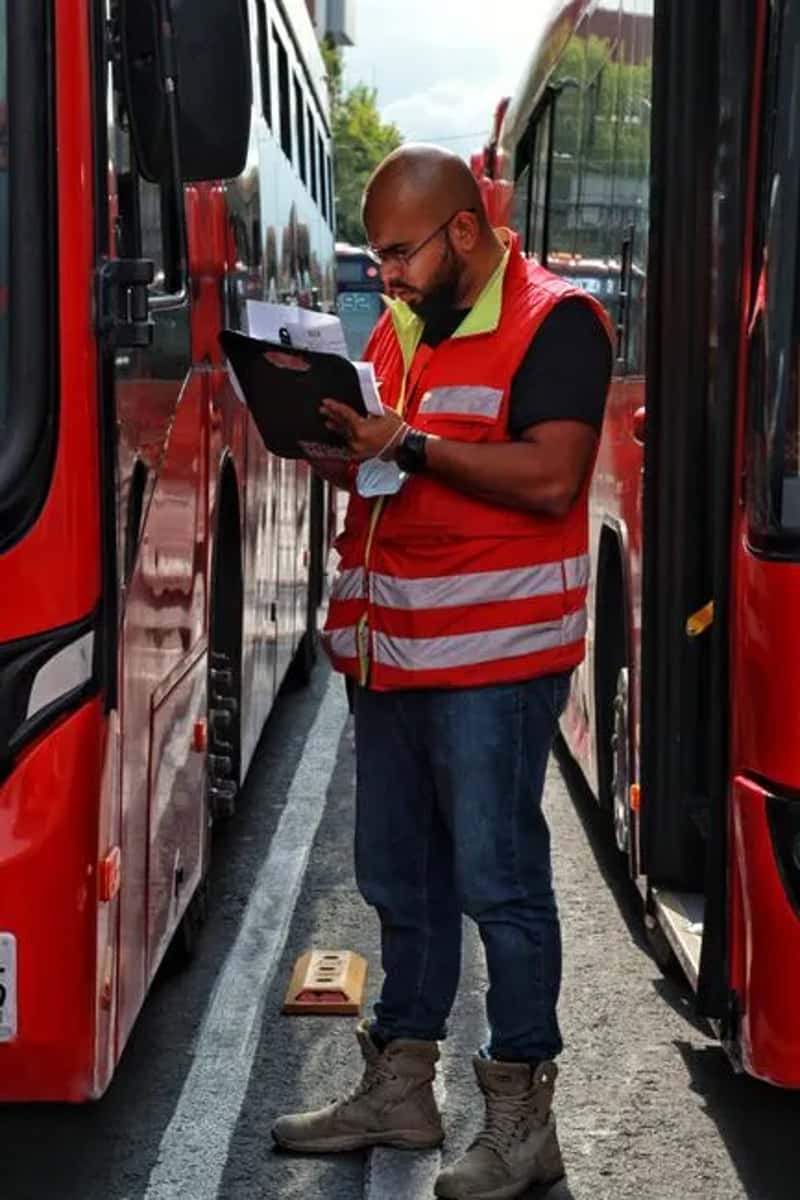
Enforcement doesn’t fall to police officers patrolling every route. Certain staff from the four public bus operators, such as ticket inspectors and staff in bus interchanges, can issue administrative notifications to passengers suspected of committing an offence.[1] This puts day-to-day enforcement in the hands of people already working the system rather than requiring a separate enforcement branch.
Bus captains themselves also have a role to play beyond simply driving the route. Bus captains can tell passengers to stop disruptive behaviour and require them to leave if they refuse to cooperate, and police assistance can be requested in serious cases.[4] It’s a tiered response, starting with a verbal request, escalating to removal from the bus, and only reaching for police involvement when something more serious is happening.
Serious Offences Carry A Much Steeper Price
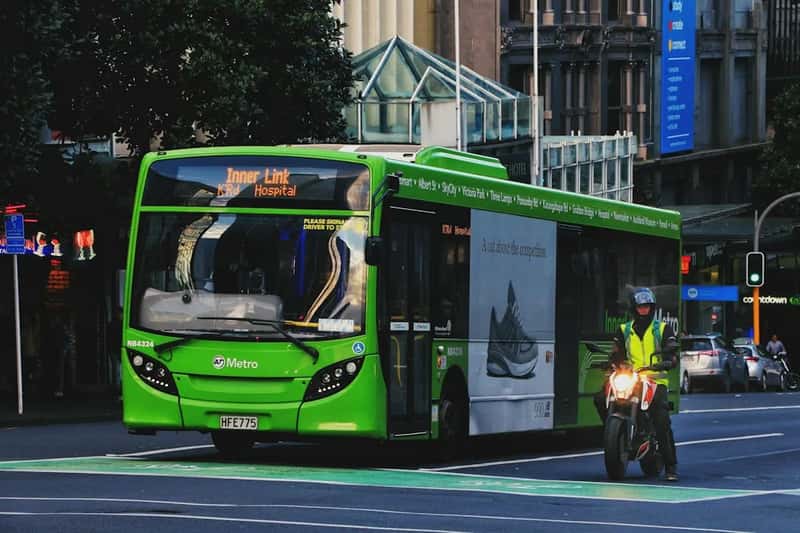
While loud music and messy eating sit at the lower end of the penalty scale, Singapore reserves its harshest fines for conduct that genuinely puts people at risk. More severe offences, such as causing obstruction or danger at bus interchanges and terminals, or soiling any part of a bus or interchange, will carry a maximum fine of $5,000, the Land Transport Authority said.[1] That tenfold jump from the S$500 tier signals just how differently the authority treats hazardous behaviour compared to mere annoyance.
The distinction is deliberate and, frankly, sensible. Nobody wants to see someone fined thousands of dollars for playing a pop song a bit too loudly. Reserving the steepest fines for danger and property damage keeps the punishment proportionate to the harm actually caused, which is a detail easy to overlook amid headlines focused on the more attention-grabbing music angle.
A Touch Of Compassion Built Into The Crackdown
Rules with real teeth can sometimes feel harsh, but the Land Transport Authority has been careful to signal flexibility. LTA will continue to work with public bus operators to exercise discretion when handling cases involving inconsiderate commuters, particularly those with physical or mental health conditions.[1] This matters a great deal in a country with an aging population and a growing awareness of neurodivergent and disability-related needs on public transport.
Officials have repeated this point across multiple statements, suggesting it isn’t just boilerplate language. Discretion and fairness will continue to be exercised, particularly in cases involving passengers with physical or mental health conditions.[3] It’s a reminder that the goal here isn’t to punish every unusual behaviour on sight, but to curb genuinely inconsiderate conduct while leaving room for judgment calls.
Singapore Isn’t Alone In This Fight

Loud music on public transport has become something of a global irritation, and Singapore is far from the only place grappling with it. The issue has become particularly pronounced in London, where last year authorities launched an etiquette campaign to urge passengers to use headphones while riding the tube, after around 70% of London transit users said they found it disruptive when commuters played loud music or spoke on the phone loudly without headphones, a practice some have nicknamed “bare beating,” according to a poll commissioned last year by Transport for London.[2] That statistic alone shows just how widespread the frustration has become among daily commuters.
Other cities have taken their own approaches to the same problem, with mixed levels of follow-through. Public transit operators in cities including Beijing, Kraków and Toronto have banned playing loud audio without headphones, though enforcement varies.[2] Even in the United Kingdom, political parties have floated fines for so-called headphone dodgers, with the Liberal Democrats pushing for penalties of up to one thousand pounds. While railway byelaws currently prohibit playing music “to the annoyance of any person,” the Tories will seek to ensure operators properly enforce the rules in future legislation, which could include on-the-spot fines.[5]