The national park system just wrapped up another record year, with visitors logging more than 400 sites welcoming a whopping 331.9 million recreation visits in 2024. That is a staggering number, and it means the marquee parks like Zion, Yellowstone, and the Grand Canyon are busier than ever, complete with timed entry systems and parking lots that fill before sunrise.
Yet tucked into that same system are places where you could spend a week and barely see another human being. Some are very remote and lack much of the infrastructure of the blockbuster spots, but there’s no shortage of vast, spectacular wilderness to explore. These four parks sit at the bottom of the visitation rankings, not because they lack beauty, but because getting to them takes real effort. If solitude is what you’re after, this is where you’ll find it.
Gates of the Arctic National Park and Preserve, Alaska
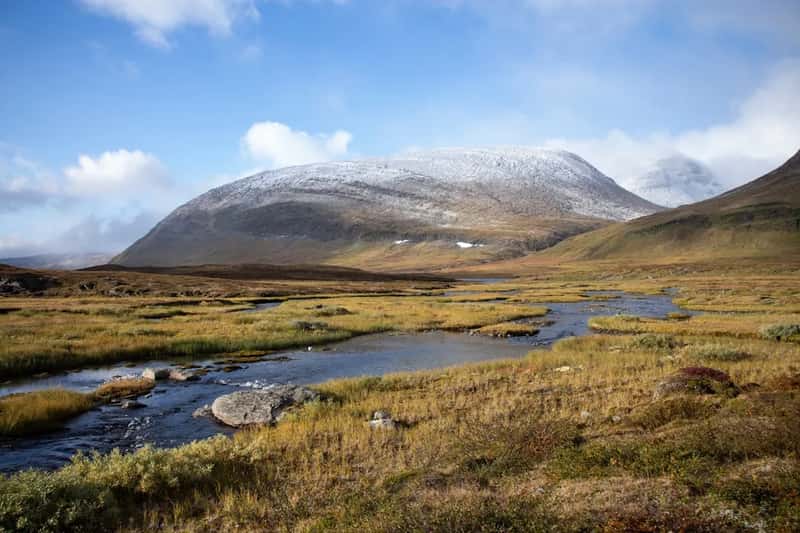
No park in the country is harder to reach or less visited than Gates of the Arctic. In 2024, the park logged just 11,907 visitors, a number that makes even other remote Alaskan parks look busy by comparison. The park sits entirely above the Arctic Circle, making it the northernmost national park in the United States. Spanning more than eight million acres, it protects a portion of the Brooks Range in a landscape so wild that the National Park Service itself warns visitors they must be prepared to handle emergencies on their own.
There are no roads, no marked trails, and no cell service anywhere inside the park boundary. As the National Park Service puts it, “Visitors may wander at will across 8.4 million acres of superlative natural beauty,” though anyone heading in must be self-sufficient and “able to execute self-extraction and communication, should an emergency situation arise.” Most travelers access the park by bush plane, often flying out of the tiny community of Bettles or Coldfoot along the Dalton Highway, then hiking or rafting through a landscape carved with six designated Wild Rivers.
North Cascades National Park, Washington
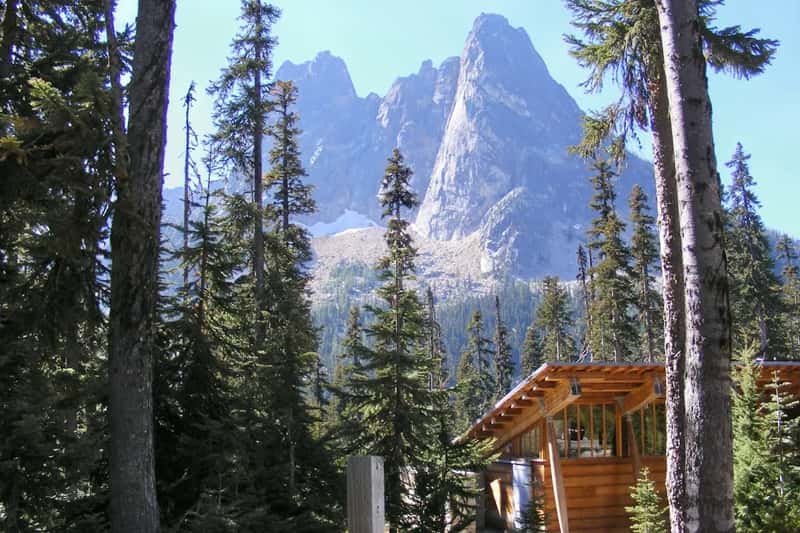
It might be the most surprising entry on this list simply because of where it sits. North Cascades is within 100 miles of Seattle, yet it remains one of the least visited parks in the entire system, drawing roughly 16,000 to 40,000 recreation visits in recent years depending on the season and road conditions. The culprit is terrain, not distance. The reason for this is because North Cascades is too remote and has some challenging terrain to drive over to get there.
What visitors find once they arrive is staggering. The park holds more glaciers than any park in the lower 48 states, and that ice is responsible for the surreal turquoise color of Diablo Lake, one of the park’s signature views. Access runs primarily along the North Cascades Highway, also called State Route 20, which connects to I-5 (Exit 230) at Burlington. The highway closes with the first heavy snows and typically doesn’t reopen until spring, so anyone planning a trip should aim for the window between late spring to early fall, typically May through October. Easy trails like Rainy Lake sit right alongside far more demanding routes such as Cascade Pass, so there’s a version of this park for nearly every fitness level.
Kobuk Valley National Park, Alaska

Few places on the planet pair Arctic tundra with an actual desert, but that’s exactly what Kobuk Valley offers. The park protects 1.75 million acres of boreal forest, caribou habitat, and North America’s largest active Arctic dune fields, known as the Great Kobuk, Little Kobuk, and Hunt River Sand Dunes. The Great Kobuk dunes alone cover roughly 25 square miles, rising in some spots to heights that feel utterly out of place surrounded by tundra and spruce forest.
Visitation here is minuscule, with the park recording fewer than 3,000 annual visitors in recent tallies, largely because there is no practical way to drive in. Kobuk Valley National Park is very remote, and there are no roads to provide access, so planes take care of most transportation needs. Most trips begin with a flight to Kotzebue followed by a bush plane or boat into the valley. The reward for that effort is a chance to witness one of the continent’s great wildlife spectacles, as nearly half a million caribou migrate through the park twice a year, north in the spring and south in the fall, their tracks crisscrossing the 25 square miles of the Great Kobuk Sand Dunes. The crossing at Onion Portage has been used by local communities for thousands of years and remains one of the largest caribou river crossings in North America.
Lake Clark National Park and Preserve, Alaska
Lake Clark rounds out this list as one of the least-visited parks in the country, with 2024 figures putting it just below Kobuk Valley in total visitation. What it lacks in visitor numbers it makes up for in sheer geological drama. The park spans more than four million acres and includes three National Wild Rivers along with two active volcanoes, Iliamna and Redoubt, that rise more than 10,000 feet and vent steam from snow-capped peaks.
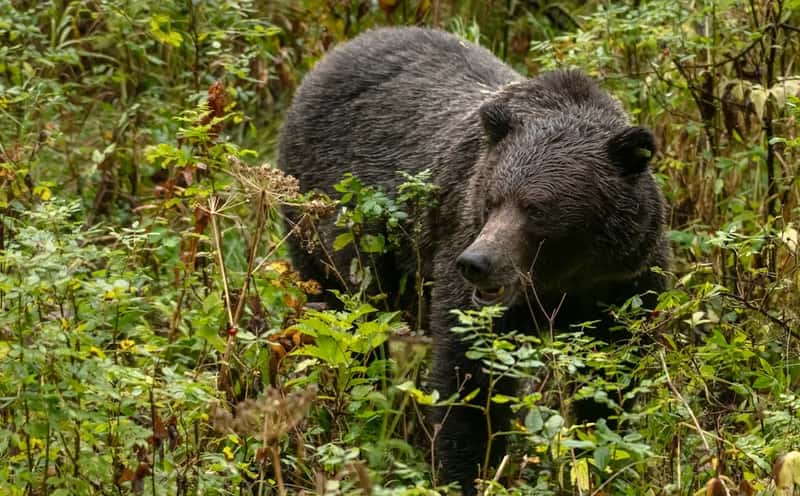
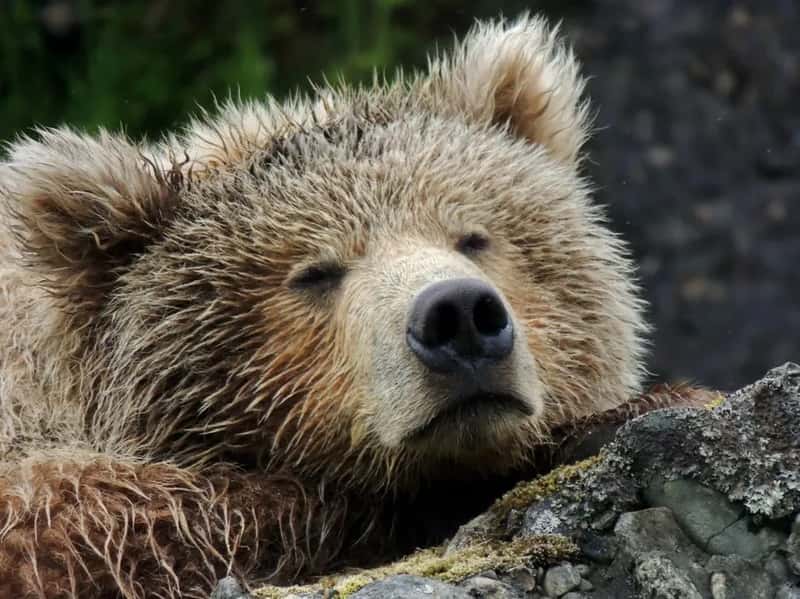
The real draw for most visitors, though, is the wildlife. Lake Clark has become known as some of the best brown bear viewing territory in Alaska, and researchers have documented staggering concentrations of animals along its coast. In one notable count, researchers once recorded seeing 219 bears when surveying a 54-square-mile coastal area. As with the other parks on this list, getting there requires commitment, since there is no road access to Lake Clark National Park and Preserve and all travel runs through licensed air taxi operators out of Anchorage, Homer, or Kenai. Most visitors concentrate their time around Silver Salmon Creek and Chinitna Bay, where brown bears graze the coastal marshes in plain view, or at Port Alsworth, home to the park’s only visitor center.
Why These Parks Stay So Quiet
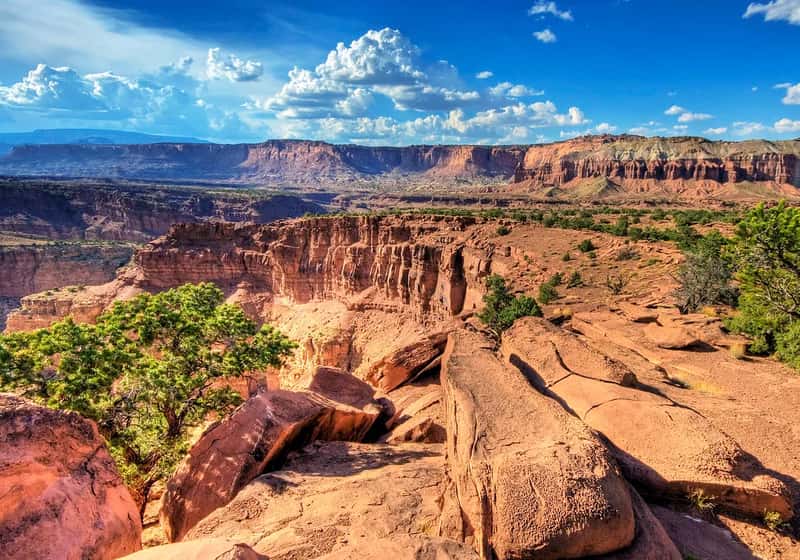
The pattern across all four parks is obvious once you look at it: distance and difficulty keep the crowds away. Three of them sit in Alaska, where flying is often the only way in, and even North Cascades, despite its proximity to a major city, is walled off by mountain terrain that limits road access to a single seasonal highway. None of these parks offer the paved overlooks, shuttle systems, or sprawling lodges that define places like Yosemite or the Great Smoky Mountains.
That inconvenience is precisely the appeal for a certain kind of traveler. Unlike parks grappling with timed entry, long lines of cars at the gates and trails crowded with people angling for the best photos ops, these four destinations offer something increasingly rare: genuine solitude in landscapes that rank among the wildest in the country. It’s worth noting that staffing pressures across the National Park Service in recent years have made ranger presence in remote parks even thinner, so self-reliance matters more than ever for anyone heading into these areas.
Planning a Trip to a Remote Park
Visiting any of these four parks requires a different mindset than a typical national park trip. Flights need to be booked well in advance, weather delays are common and should be built into any itinerary, and cell service is essentially nonexistent once you’re inside the boundaries. Satellite communicators, bear safety training, and backcountry registration are not optional extras here, they are basic preparation.
The payoff, though, is hard to overstate. These parks offer landscapes that feel largely untouched, wildlife encounters that rival anything in the system, and a sense of scale that’s difficult to find anywhere else in the Lower 48 or even in Alaska’s more accessible parks. For travelers willing to trade convenience for genuine wilderness, these four spots are about as close as the National Park System gets to true escape.
None of these parks will ever compete with Great Smoky Mountains or Zion for foot traffic, and that’s exactly the point. In a park system straining under record crowds, Gates of the Arctic, North Cascades, Kobuk Valley, and Lake Clark remain quiet reminders of what untouched wilderness actually looks like. Getting there isn’t easy, but for the right traveler, that’s precisely why it’s worth it.