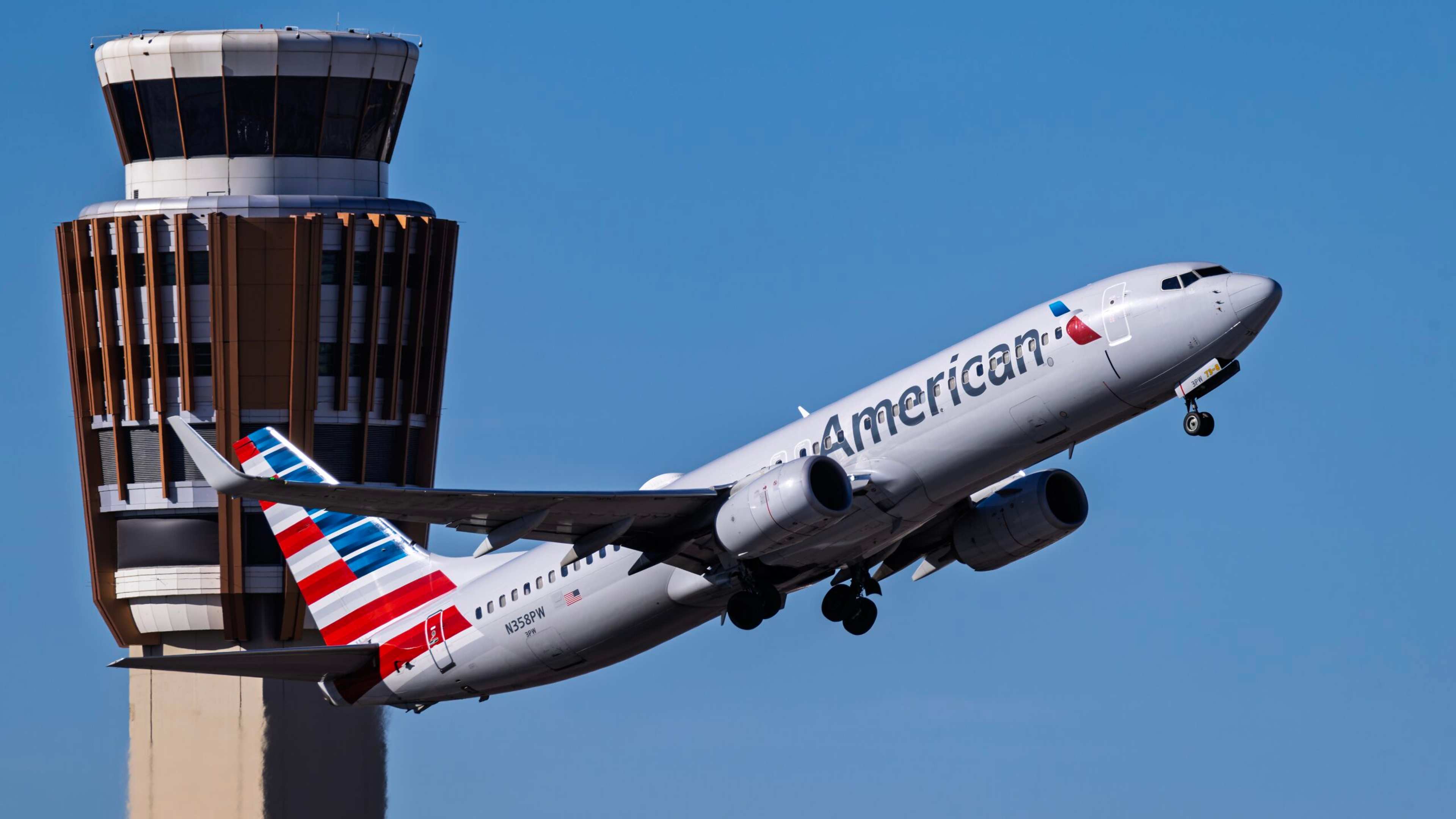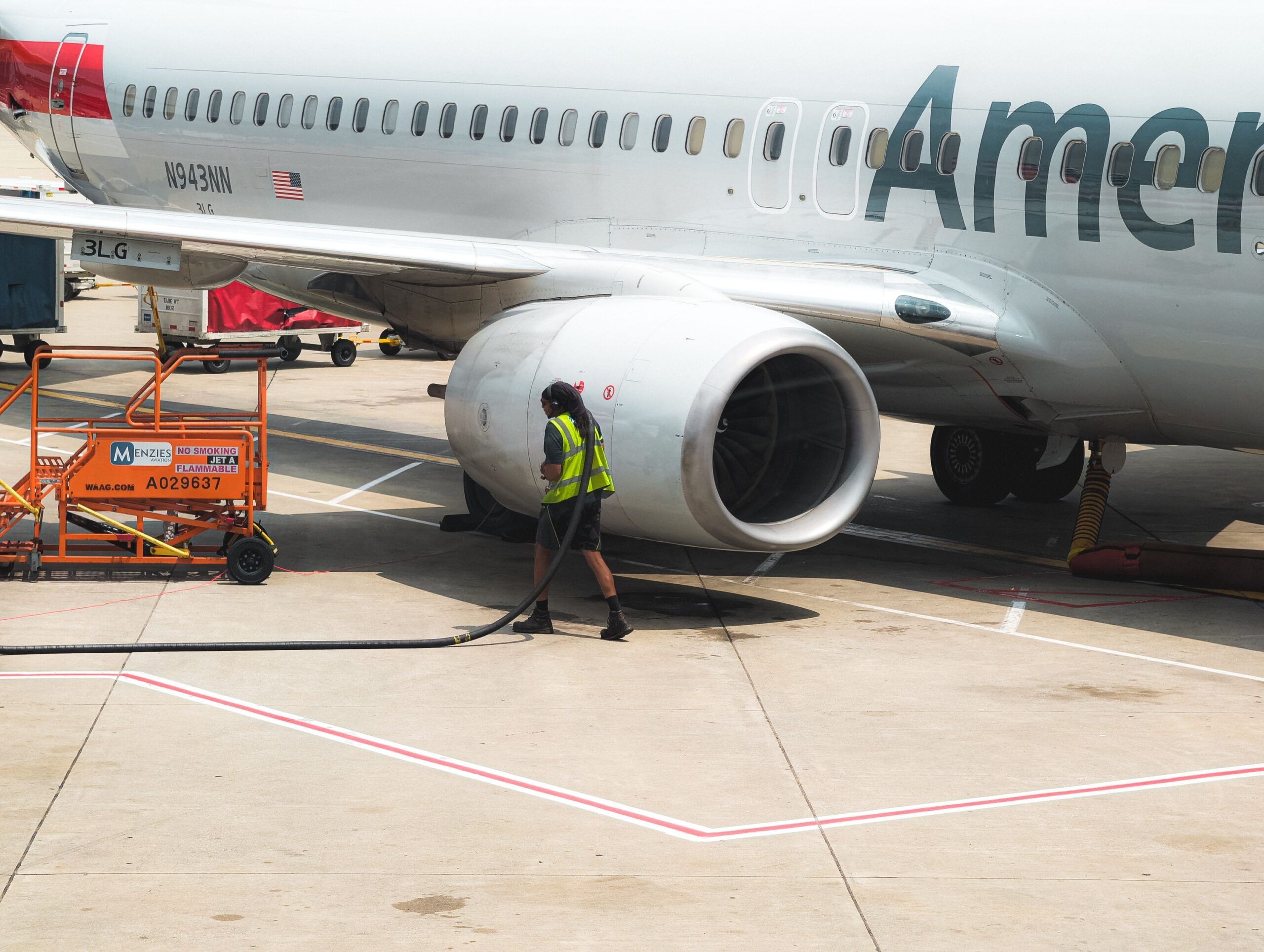
U.S. airlines are increasingly willing to fly with empty seats rather than slash fares simply to fill them.[1] They’re betting that disciplined pricing and tighter schedules will protect profits while fuel is expensive.
The approach has brought in a lot of money, but it hasn’t solved the fuel problem. Here’s what the latest earnings reports and fare data show, and what it means for travelers.
Jet Fuel Has Nearly Doubled Since Winter
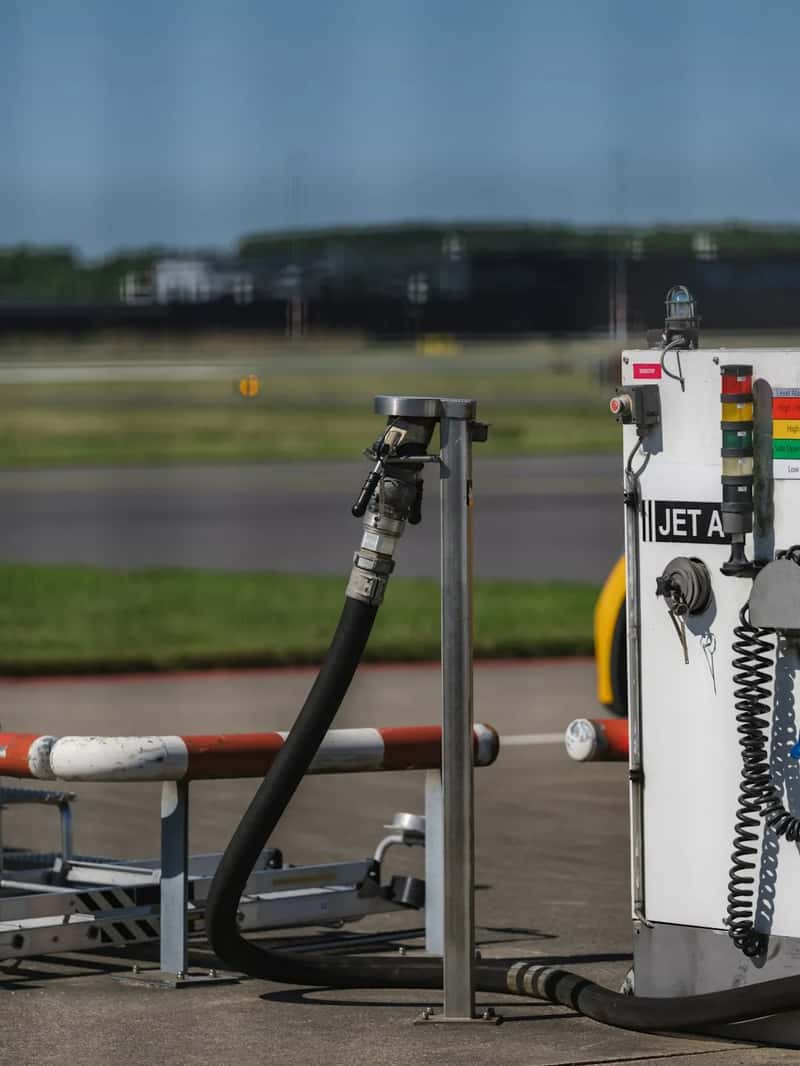
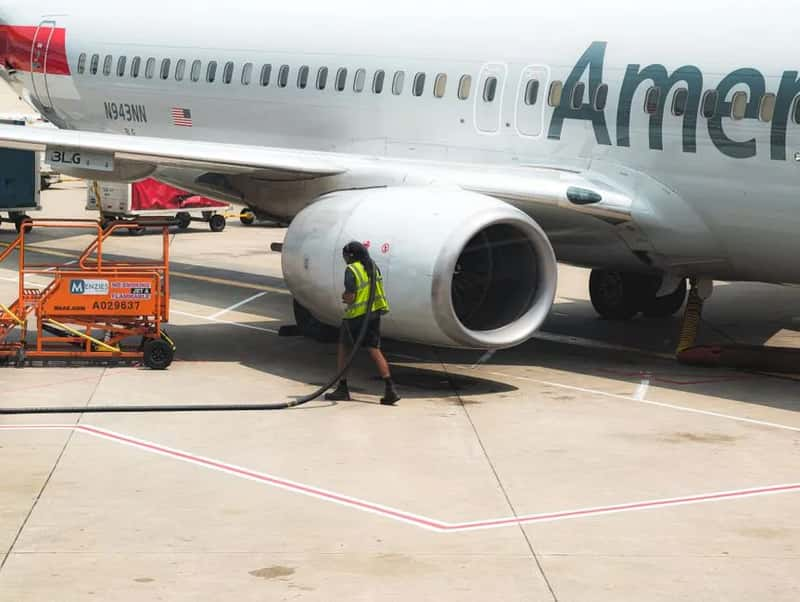
Gulf Coast spot jet fuel prices rose from $2.43 a gallon before the war began in February to $4.63 on October 20, according to U.S. Energy Information Administration data.[1] That’s a surge of roughly 90% since the US-Israeli war on Iran began.[1] Few costs hit an airline harder, because every flight burns fuel whether or not the cabin is full.
Industry benchmarks tell a similar story. Airlines for America showed the US jet fuel price reached $4.53 per gallon on September 17, 2026.[2] Executives described fuel as more than double the cost a year earlier and near a 20-year high.[3]
Why Empty Seats Are Suddenly Acceptable
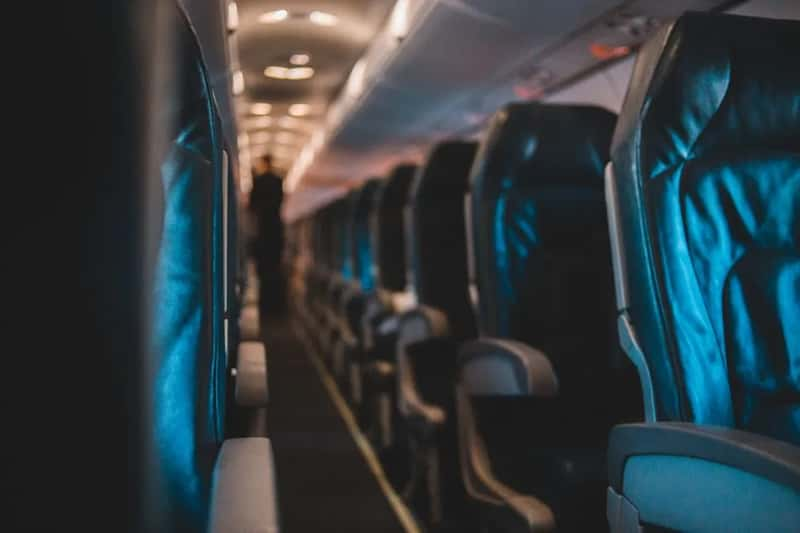
Airlines have long balanced fares against how full their planes are, but elevated fuel costs have made executives more willing to sacrifice occupancy and avoid discounts.[4] The logic is simple. A discounted seat that adds little revenue can still add cost, so airlines would rather hold their prices.
United offered a clear example. Its leisure load factor fell 1.3 percentage points in the third quarter.[4] Commercial chief Andrew Nocella said the drop showed a little price sensitivity, but called it “a trade we would make every day.”[4]
Record Revenue, Thinner Profits
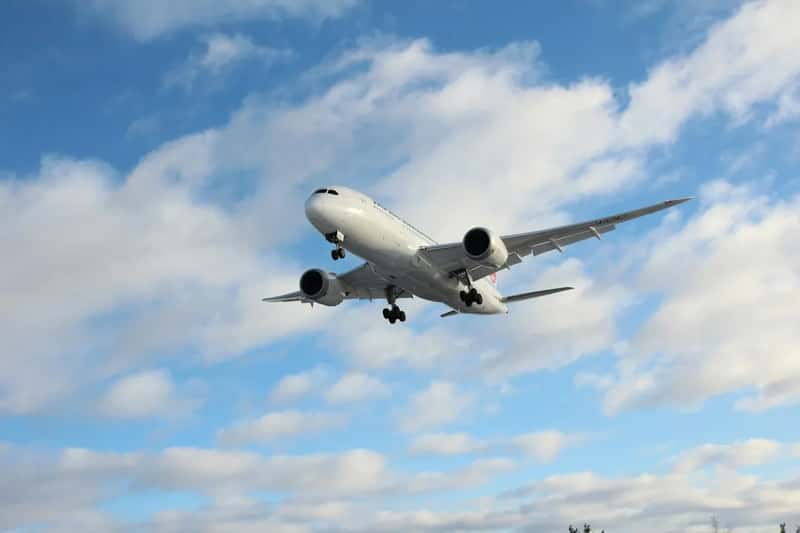
The numbers show how lopsided the shift has been. Across Delta, United, American, Southwest and Alaska, passenger revenue rose nearly $8.8 billion, or 18%, in the third quarter from a year earlier, while passenger traffic increased less than 1%.[1] Almost all of the growth came from higher prices, not more passengers.
Even so, fuel has taken a large share of that gain. United’s fuel expenses surged 61.6% to $4.84 billion in the third quarter, and it expects adjusted fourth-quarter earnings of 50 cents to $1.50 a share, below the $1.88 analysts had anticipated.[5] Delta and Southwest have cut their annual earnings forecasts, while American expects a full-year loss despite sharply higher passenger revenue.[1]
What Travelers Are Paying
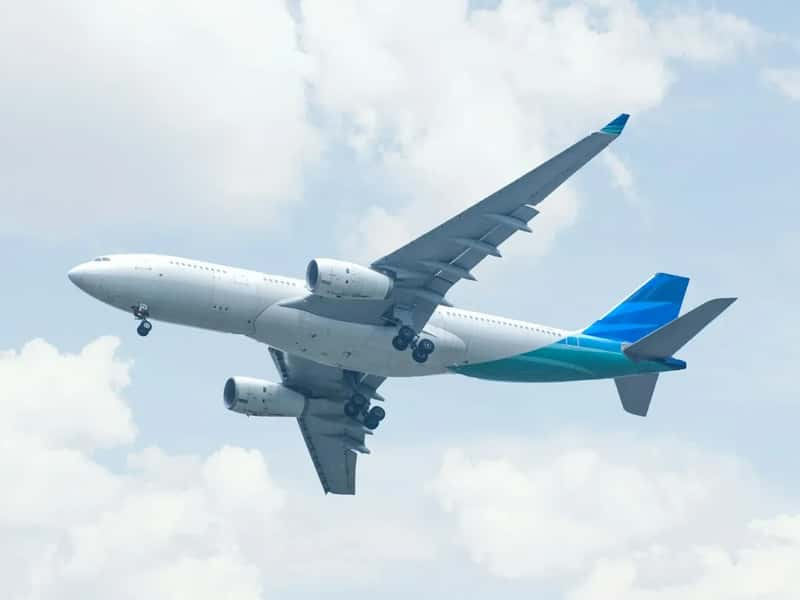
Government data shows how much of the burden has reached customers. U.S. airfares rose nearly 23% year over year on average during the seven months through September, according to U.S. Labor Department data.[6] Domestic airfares rose 26.5% in June and 25.5% in July, according to the Bureau of Labor Statistics.[7]
More increases are still being tested. JetBlue initiated a $10 one-way increase in domestic published fares on Wednesday, JP Morgan said, following a similar United-led increase the previous week that Southwest subsequently matched.[4] Southwest reported a nearly 22% increase in average passenger fares over the first nine months of the year.[4]
Trimming the Least Profitable Flights
Pricing is only half the strategy. Schedules are shrinking too. American CFO Devon May said the fuel spike has added $1 billion to projected fourth-quarter expenses, prompting the airline to cut some December flights and plan for less growth next year.[3] Southwest’s CFO said it cut its planned capacity growth projection in half “because fuel has been higher.”[3]
The cuts are targeted rather than sweeping. United’s CFO described a “bell curve of profitability” across routes, and said that as fuel rises, flights near the bottom stop making financial sense.[3] American has already suspended routes from Cleveland and Pittsburgh to Los Angeles International Airport.[7] Fewer seats on the market also help support higher fares.
Hedging and Balance Sheets Make a Difference
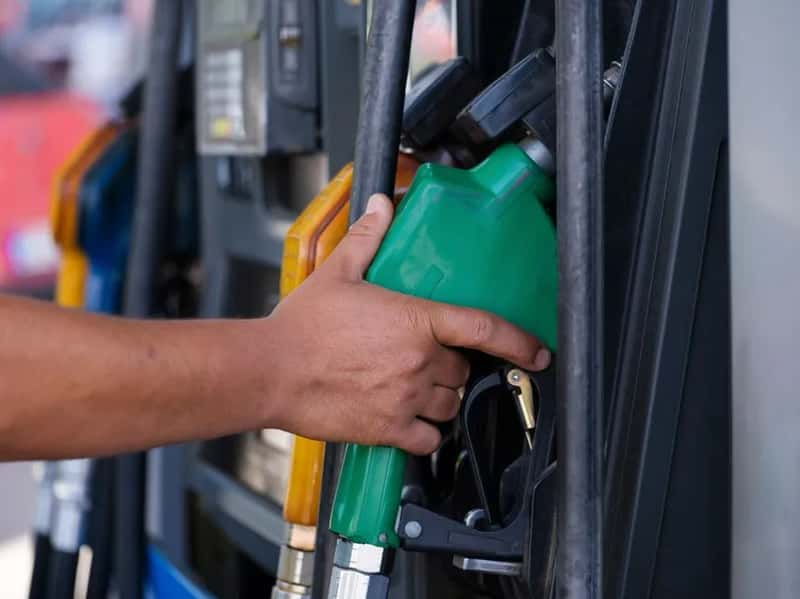
Not every carrier is equally exposed. American’s second-quarter fuel cost averaged $4.05 a gallon, up 77.1% from a year earlier, and it had no fuel hedges outstanding at June 30, 2026.[2] Without that protection, a price spike flows straight through to costs.
Smaller airlines may have it even harder. Bloomberg noted that the pressure is building on an industry whose smaller players are even less equipped to weather spiraling costs.[8] Southwest’s numbers show the scale for a large carrier: third-quarter fuel cost was $3.92 per gallon, and fuel expense rose by $821 million from the third quarter of 2025.[9]
Will Demand Hold Up Into 2027?
So far, executives say customers haven’t walked away. Southwest CEO Bob Jordan told analysts that higher fares are not causing an erosion of volumes.[4] That claim helps explain why airlines feel comfortable pushing prices up again.
The outlook beyond this year is less certain. Southwest assumes fourth-quarter fuel will cost about $4.55 a gallon[9], which is higher than the third quarter’s $3.92. United CEO Scott Kirby has warned of further structural change in the sector by the end of next year, as carriers grapple with persistently high fuel costs and pressure on margins.[6]
Conclusion
US airlines have changed the way they balance price and occupancy. With fuel roughly 90% higher than before the war began, they are accepting somewhat emptier planes in return for higher fares and fewer marginal flights. Revenue has reached records, yet profit forecasts have still been cut, and American expects a full-year loss.
For travelers, the near-term picture is higher fares and fewer flights on weaker routes, especially if fuel stays near current levels. Whether passengers keep paying, and whether weaker carriers can outlast the squeeze, will be tested through 2027.