Afghanistan remains open to foreign visitors despite the shift in government since 2021. Travelers continue to obtain visas and move through the country, though the process and daily conditions differ markedly from earlier years. The original source for this overview is ([1]).
Visa Access Has Expanded
Multiple embassies now issue tourist visas, including locations in Dubai, Islamabad, Peshawar, Doha, and several European capitals. Applicants typically need passport photos, a copy of their passport, and payment ranging from 80 to 210 dollars depending on processing speed and nationality. Some embassies process requests the same day without an appointment, while others require a few days.
A visa on arrival option exists at the Shir Khan border crossing from Tajikistan. This route costs 150 dollars and leads travelers toward Kunduz and onward destinations. The single-entry visa remains valid for 30 days within a 90-day window, and all nationalities may apply.
Safety Conditions Have Shifted
Violent crime and suicide attacks that marked the pre-2021 period have largely subsided in major cities. Provinces once restricted now permit travel, and local residents frequently note the absence of active fighting. The Taliban maintain checkpoints across the country and generally interact politely with foreigners, often posing for photographs.
One persistent risk stems from Islamic State Khorasan, which has conducted attacks including one in Bamyan in 2024. Travelers weigh this isolated threat against the broader stability that has allowed thousands of visitors in recent years. Independent movement requires caution and awareness of local rules.
Permits and Checkpoints Shape Movement
Independent travelers must secure a national travel permit in Kabul that lists intended provinces. Each listed province carries a fee of roughly 12 dollars. The document must be presented at checkpoints, and additional registration is required at provincial information offices upon arrival in each area.
Organized tours handle these steps through local fixers. Solo travelers navigate the process themselves, which involves visits to the Ministry of Culture and Information followed by the tourism directorate. Rules can vary by official, and offices close on Fridays.
Daily Logistics and Costs
Domestic flights connect major cities through Kabul, with fares between 60 and 120 dollars. Public buses and shared taxis cover many routes, though rural areas offer limited options. Accommodation in secure hotels ranges from 30 to 50 dollars per night, while meals in local restaurants cost a few dollars.
ATMs in Kabul accept international cards, yet cash remains essential everywhere else. Currency exchange occurs readily in the capital. Internet access exists in cities but proves unreliable for sustained work.
Practical Realities for Different Travelers
Women traveling with male companions face fewer restrictions than solo female visitors. Cultural norms remain conservative, and higher education access for Afghan women has been curtailed. Foreign women can move about but should expect different interactions than in previous periods.
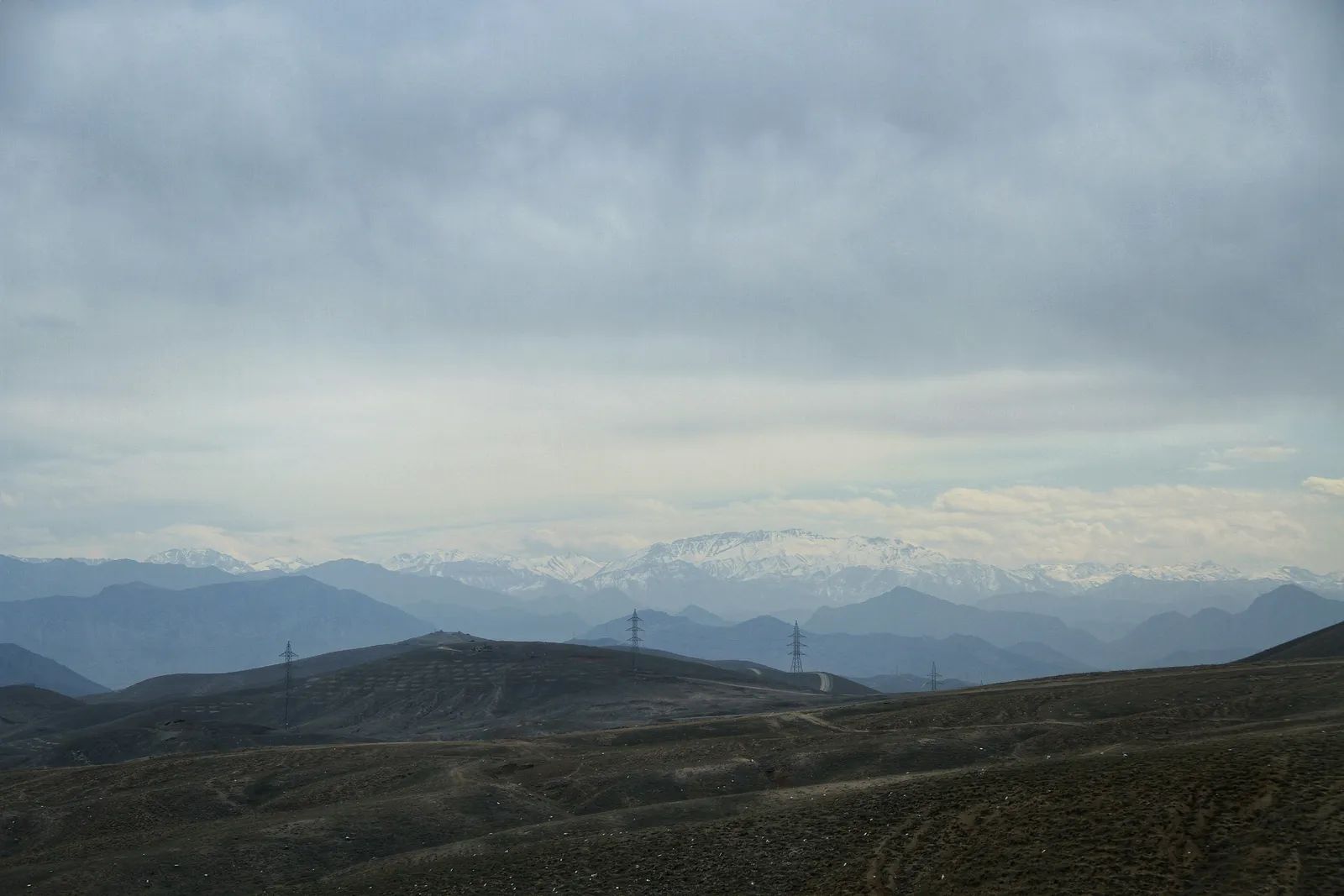
The country’s multi-ethnic makeup and varied landscapes continue to draw those seeking remote valleys, historic sites, and mountain treks. Visitors who accept the current framework report smoother journeys when they comply with permit requirements and maintain respectful conduct at checkpoints.