Growing old is universal, but where you do it can make an enormous difference in how comfortable, healthy, and dignified those later years actually are. Pension systems, healthcare access, income equality, and even climate all shape what retirement looks like once the paychecks stop coming. Each year, researchers try to measure this in a structured way, and the most widely cited benchmark remains the Natixis Investment Managers Global Retirement Index, which evaluates 44 developed countries across 18 key indicators grouped into four subindexes: Finances in Retirement, Material Wellbeing, Health and Quality of Life.
The 2025 edition of that index, released in September 2025, offers the clearest snapshot yet of where older adults are best positioned to live secure, healthy lives. What follows is a country-by-country look at the ten nations currently topping that list, along with what makes each one stand out for people entering their later years.
1. Norway

Norway reclaimed the number one position in 2025, and it wasn’t a narrow win. Norway has regained the top position in the 2025 Natixis Global Retirement Index, driven by its strong performance in health outcomes, low unemployment and high-income equality. The country’s overall score landed at an impressive 83 per cent, reflecting just how consistently it performs across every category rather than excelling in only one area.
What makes Norway particularly appealing for retirees is the combination of oil-backed financial stability with genuinely strong public services. Norway is a perennial index leader, ranking among the top three spots every year since 2012. Add in a life expectancy that continues climbing, now sitting at 83.23 years, a 0.18% increase from 2024, and it’s easy to see why older Norwegians tend to report high satisfaction with their later years, even amid a notably high cost of living.
2. Ireland

Ireland made one of the more dramatic climbs on the 2025 list, jumping into second place. Ireland surges to second place, thanks to improvements in inflation and an economic environment that supports retirement security. This marks a genuine milestone for the country, which has steadily built up its retirement credentials over the past decade.
Ireland’s rise wasn’t a fluke tied to a single strong year either. Ireland rose two places to second, its strongest performance to date, having recorded gains in three sub-indexes, while remaining first in finance among the countries assessed. For older adults, that financial strength translates into a more predictable retirement, with pension systems and economic policy that have proven resilient even as inflation squeezed budgets elsewhere in Europe.
3. Switzerland
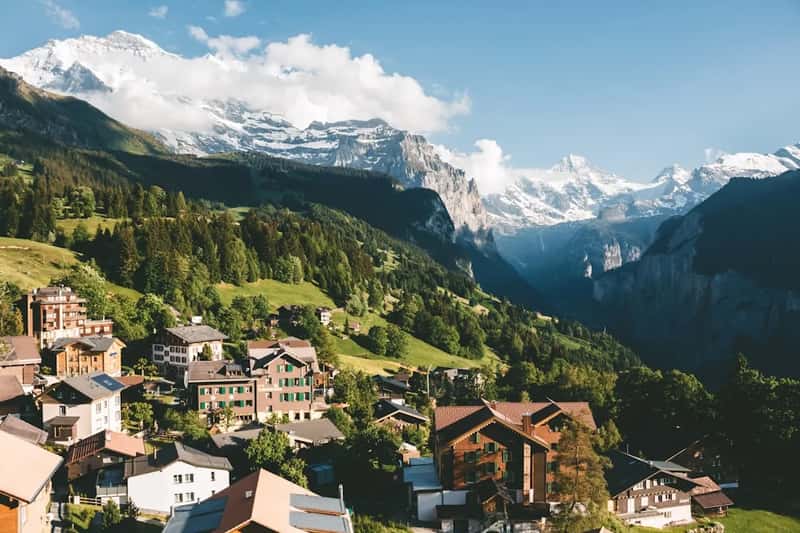
Switzerland has been a fixture near the top of every retirement ranking for over a decade, and 2025 was no exception. Norway, Switzerland, and Iceland regularly share the top three spots, underscoring the advantages smaller countries have in their ability to reach consensus on key issues that affect retirees. That consensus tends to translate into stable, well-funded pension and healthcare systems that don’t swing wildly with each election cycle.
Switzerland’s biggest calling card for older adults may simply be longevity itself. The highest value was in Switzerland: 84.41 years and the lowest value was in Mexico: 75.26 years, according to OECD figures for 2024, placing it among the very healthiest nations on earth by this measure. Combine that with a famously robust healthcare system and strong environmental quality, and it’s clear why Switzerland keeps landing near the very top despite its high living costs.
4. Iceland
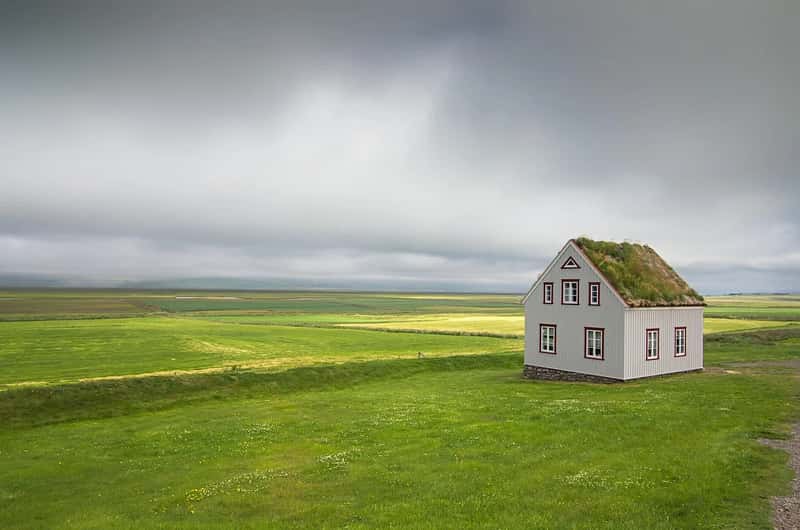
Iceland has spent years trading places with Norway and Switzerland at the summit of the index, and while it dipped slightly in recent editions, it remains firmly entrenched in the top five. Small population size appears to be a real asset here, since Norway, Switzerland, and Iceland regularly share the top three spots, underscoring the advantages smaller countries have in their ability to reach consensus on key issues that affect retirees. That political agility has helped Iceland maintain generous, well-funded social protections for its aging population.
Iceland’s health outcomes remain genuinely exceptional for such a small nation. Life expectancy sits at roughly 83.64 years, with women living notably longer than men, a pattern reflected across most of the Nordic region. The country’s clean environment, low pollution, and strong social cohesion round out a package that consistently appeals to those planning their later years.
5. Denmark
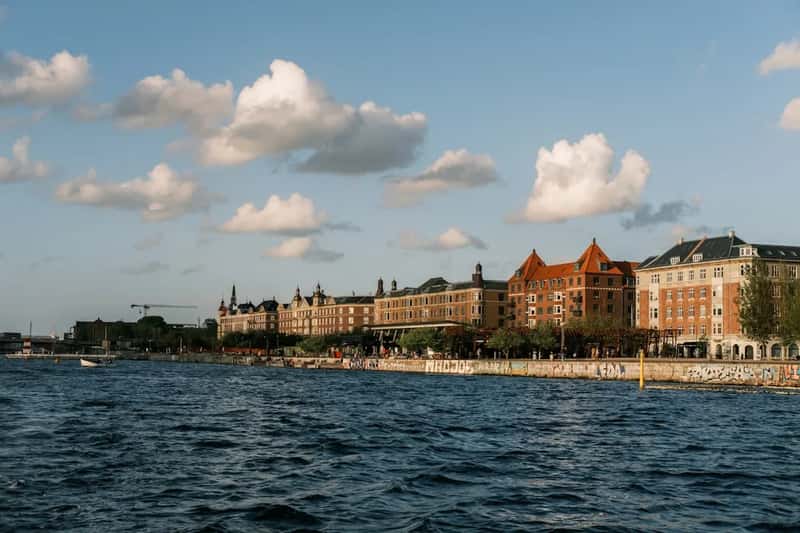
Denmark made one of the more notable jumps in the 2025 index, climbing several spots to claim fifth place. According to the official Natixis release, only one large, developed country, Germany, broke into the top ten, while Denmark makes the most notable rise in the top ten, jumping from 9th to 5th place. That kind of movement in a single year reflects real policy gains rather than just statistical noise.
Denmark’s institutional strength shows up clearly in independent quality-of-life data as well. Numbeo 2026 assigns it a Quality of Life Index of 212.2, a Safety Index of 73.8, a Health Care Index of 77.2, and extraordinarily strong purchasing power. The one real drawback is expense, since with a Cost of Living Index of 78.9, living in Denmark requires far greater financial capacity than in Portugal, Spain, or Japan. Still, for retirees who value order, safety, and reliable public services, Denmark remains a benchmark worth considering.
6. Netherlands
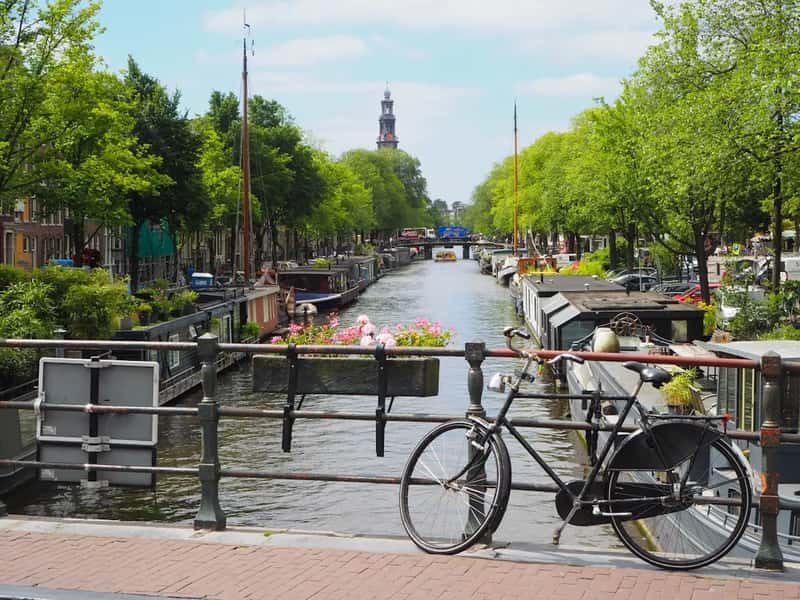
The Netherlands holds steady in the top ten, and its reputation rests heavily on one specific institution: its pension system. As one recent analysis put it, the Netherlands’ pension system is widely considered the best in the world due to its sound regulation and strong asset base. That’s not a small claim, given how many countries the index compares it against.
Beyond pensions, the Dutch score well across the board without dominating any single category outright. It also boasts a high-quality, universal healthcare system, ranking No. 5 for Material Wellbeing, No. 8 for Health and No. 9 for Quality of Life. That kind of balanced performance across every subindex is precisely the pattern the index’s own researchers point to as the real secret behind consistent top-ten rankings.
7. Australia

Australia is the sole non-European nation to break into the global top ten, and it has held its position with remarkable consistency. In the 2025 index, Denmark ranks 5th, Netherlands 6th, Australia 7th, Germany 8th and Luxembourg 9th, meaning Australia’s ranking didn’t shift at all compared with the prior year, a sign of steady rather than volatile performance.
Australia’s appeal for older residents rests on a mix of strong healthcare infrastructure, comfortable purchasing power, and genuinely high life expectancy. OECD figures place the country solidly among the world’s longest-living populations, and its combination of climate, healthcare access, and outdoor lifestyle continues to draw favorable comparisons with the smaller European nations that typically dominate this list. It’s a rare example of a large, geographically isolated country managing to compete with far smaller, more centralized welfare states.
8. Germany
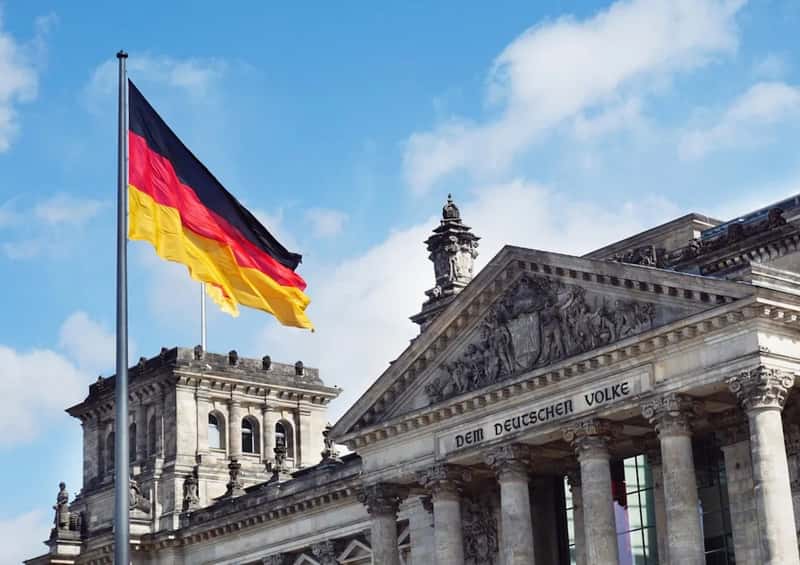
Germany stands out for a very specific reason: size. Nearly every other country in the global top ten is small, but Germany bucks that trend entirely. As the Natixis research team noted, Germany has the highest ranking of these large countries on the index (8th), the only one in the top 10 overall, thanks in large part to high marks for Material Wellbeing as a result of lower unemployment and an improvement in income per capita.
That achievement matters because larger, more diverse economies typically face steeper challenges in coordinating retirement policy. Germany was the only large, developed country within the top 10, ranking eighth, led by strong performance in health and quality of life, according to the firm’s analysis. For older Germans, that translates into strong universal healthcare coverage, a well-funded statutory pension system, and comparatively low income inequality relative to other major economies.
9. Luxembourg

Luxembourg may be tiny, but it consistently punches well above its weight in this ranking, largely thanks to its exceptional health outcomes. Citizens of Luxembourg enjoy high life expectancy and low health risk profiles, likely due in part to the country’s publicly funded health expenditures being amongst the highest in the EU, and the country ranked No. 1 in both Health and Quality of Life. Topping two of the four subindexes outright is a genuinely rare feat.
Even after slipping a few places overall in 2025, Luxembourg’s fundamentals remain remarkably strong. Luxembourg remains in the top ten but slips from sixth to ninth, even as it continues to lead the Health sub-index. Its wealth, generous public spending on medical care, and small, tightly managed population continue to give retirees there some of the best healthcare access anywhere in the world.
10. Slovenia

Slovenia’s arrival in the global top ten is arguably the standout story of the 2025 index. This isn’t a country that has always been near the top; quite the opposite. Slovenia, which was ranked 24th in 2016, is all the way up to 10th this year, marking its highest spot yet. That’s a remarkable climb of fourteen places over roughly a decade.
Slovenia’s appeal lies in affordability paired with safety and community. Slovenia rose 1 spot to No. 10 overall, and in addition to being affordable, Slovenia is known for being extremely safe and community-oriented. For retirees looking for European quality of life without the steep costs found in Switzerland or Norway, Slovenia has quietly become one of the most compelling options on the continent.
What Sets the Top Performers Apart

Looking across all ten countries, a clear pattern emerges: none of them rely on excelling in just one area. As Natixis researcher Dave Goodsell put it, the key to attaining top rankings comes down to consistency across all subindexes, rather than outperformance on any particular one. Countries that dominate in health but struggle with finances, or vice versa, simply don’t make this list.
Smaller nations also seem to have a structural advantage, likely tied to easier policy coordination and less regional inequality within their borders. The annual index shows the advantage smaller countries have when it comes to retirement, with only one large, developed country, Germany, breaking into the top ten. That’s a pattern worth watching as larger economies, including the United States and Canada, continue to grapple with more fragmented retirement systems and slower policy responses.
A Word on Where Things Are Headed

It’s worth noting that even the countries topping this list aren’t immune to broader economic pressures. Globally, 46% of individual investors say it will take a miracle to achieve retirement security, a sobering figure that suggests anxiety about aging well is widespread even in nations doing relatively well by objective measures. Persistent inflation has been a particular strain, with 66% report that they are saving less because of higher everyday costs, while 69% say it has eroded the future value of their retirement savings.
That context matters because it shows these rankings aren’t static trophies. Countries move up and down from year to year based on real policy choices, economic conditions, and demographic shifts, as Slovenia’s rise and Canada’s recent fall both demonstrate. The nations at the top today earned their positions through sustained investment in healthcare, pensions, and social cohesion, not luck, and that same investment will be needed to stay there.
Growing old well isn’t really about finding a perfect place; it’s about finding a place where the systems around you are built to support you rather than work against you. The ten countries above have, for now, gotten more of that right than most. Whether that holds in the years ahead depends less on geography and more on whether these nations keep choosing to prioritize the people who built them.