Solo female travel has never been more popular, yet the reality on the ground in certain cities has not caught up with the trend. Millions of women now book one-way tickets without a second traveler in tow, chasing independence and new experiences. Some destinations, though, carry risks that go well beyond the usual pickpocket warnings, and knowing which ones deserve extra caution can make the difference between a memorable trip and a genuinely frightening one.
Caracas, Venezuela
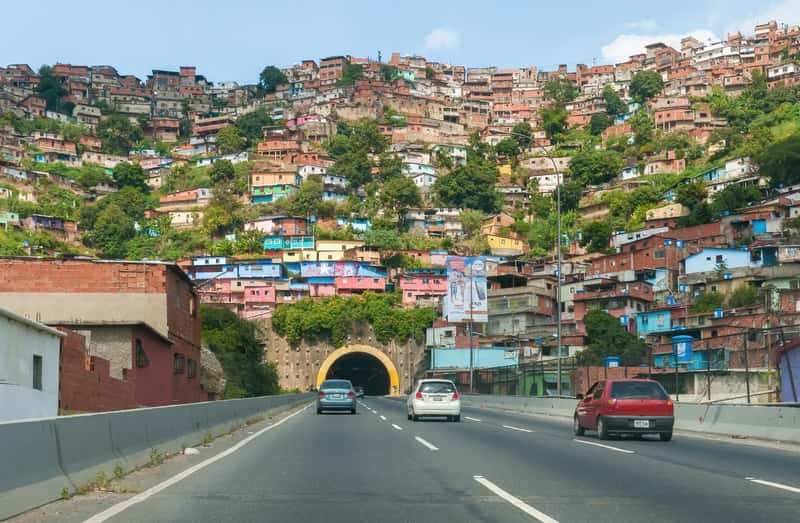
Caracas has repeatedly topped global risk indexes as one of the most hazardous cities on the planet for any traveler, let alone a woman on her own. A Forbes Advisor analysis of sixty major cities gave Caracas a perfect 100 score, topping the list of risky destinations. The city’s economic collapse has fed a spike in armed robbery, kidnapping for ransom, and violent street crime that disproportionately targets people perceived as vulnerable or wealthy.
For women traveling alone, the danger is compounded by unreliable policing and a currency crisis that has pushed desperation crime to new highs. Local guides typically insist on private transport for any nighttime movement, and even daytime strolls in unfamiliar neighborhoods carry real risk. Most safety experts simply advise against solo travel here altogether, recommending organized tours with vetted drivers instead.
Karachi, Pakistan
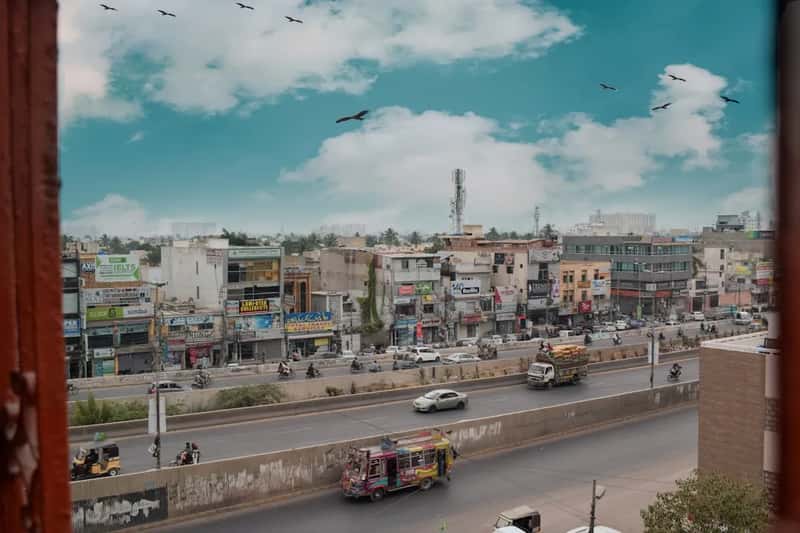
Pakistan’s largest city scored just behind Caracas on that same Forbes Advisor risk ranking, with Karachi at 93.12 out of 100, reflecting severe concerns across crime, personal security, and health infrastructure. Street crime, targeted robbery, and occasional political unrest make navigating the sprawling metropolis genuinely difficult for anyone without local knowledge.
Women traveling without a companion face additional layers of risk tied to conservative social norms and limited public infrastructure built with female safety in mind. Public transport options are inconsistent, and harassment in crowded markets and bus terminals is a frequent complaint among visiting women. Those who do visit are almost universally advised to arrange private drivers and avoid moving through the city after dark.
Johannesburg, South Africa

Johannesburg’s reputation as a dangerous city for solo women is not exaggerated hearsay, it is backed by consistent, specific warnings from travel safety monitors. According to recent assessments, Johannesburg presents significant safety risks for women travelers, including high rates of violent crime, armed robbery, and kidnapping, requiring vigilant safety measures. Visitors are told plainly that women are advised not to travel here alone.
Certain neighborhoods carry particularly high risk, with guidance to avoid walking in the CBD, Hillbrow, Berea, and Joubert Park. Smash and grab incidents at traffic lights are common enough to warrant specific mention in safety briefings, and even ride share vehicles need to be booked in advance rather than hailed on the street. Public minibus taxis pose their own risks, since they are frequently involved in fatal crashes, are often unroadworthy, and are not recommended for tourists.
Manila, Philippines
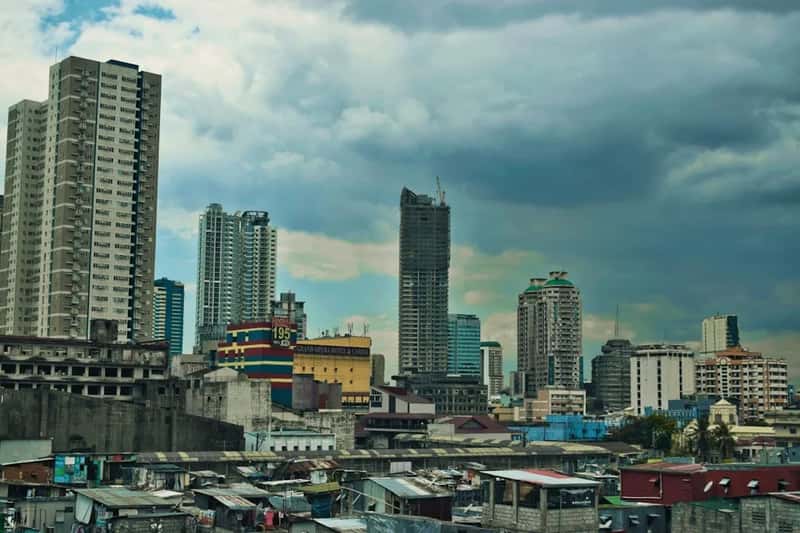
Manila has seen a troubling shift in recent years, moving from relative improvement to renewed concern. A 2024 report noted that the Numbeo Crime Index has ranked Manila as the most dangerous city in Southeast Asia, reflecting a significant increase in crime rate and a growing sense of fear among residents. The city’s crime index score climbed to a level reflecting widespread concern over theft, assault, and armed robbery.
Public perception of safety has fallen sharply too, particularly after sunset, with the safety index dropping to a concerning 29.96. This regression followed years of improvement under previous city leadership that had included expanded CCTV coverage and a heavier police presence. For solo women, the practical takeaway is to avoid walking after dark in most districts and to rely on registered transport rather than informal taxis.
Rio de Janeiro, Brazil

Rio’s postcard views mask a genuinely elevated risk profile, especially for women navigating the city alone. Numbeo data places Rio de Janeiro’s Crime Index at 75.33, with a Safety Index of just 24.67, numbers that reflect very high levels of concern among residents about robbery and mugging. Long term residents note that there are areas safer than others, with wealthier parts of the city, mostly in the south, being safer but not ruling out armed robbery risks.
Beyond street robbery, gender based violence remains a documented concern. United Nations security staff working in the city have flagged that their main concern encompasses being victim of violent crime, such as robbery, and armed conflict that occurs frequently, as well as increased risk of sexual assault and gender-based violence. Favela areas in particular require local guides and daylight visits only, and even affluent neighborhoods call for discretion with visible jewelry or phones.
New Delhi, India
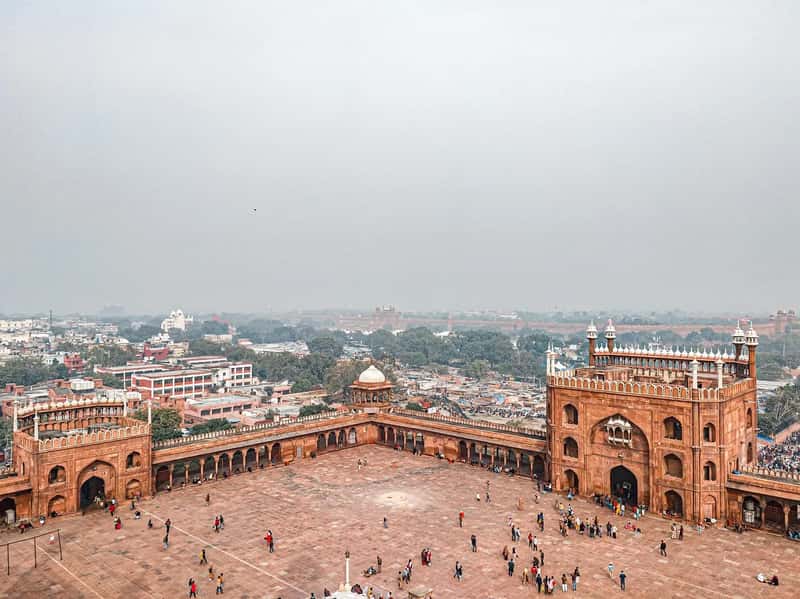
India’s capital carries a complicated reputation, one that mixes genuine risk with a fair amount of overstatement, though the underlying data is worth taking seriously. Regional patterns show that regions like Haryana, Rajasthan, and Uttar Pradesh show the highest rates of violence against women, and Delhi sits within that broader zone of concern. Harassment described locally as eve teasing remains common, with reports noting that forms of harassment including unwanted touching and persistent staring are common in transport, markets, or crowded streets, especially in New Delhi or Mumbai.
Long term expatriate residents who travel solo often describe a more nuanced picture than headlines suggest, though one experienced traveler who lived in Delhi called it the most notorious city for crime in the country. Practical precautions matter enormously here: sticking to upscale residential districts, using registered taxis, riding designated women’s train compartments, and avoiding solo travel after dark are the standard advice given to nearly every visiting woman.
Lagos, Nigeria

Lagos regularly appears near the top of global risk indexes, and the Forbes Advisor city ranking placed it firmly among the world’s most hazardous destinations, with Lagos in Nigeria at 91.54, close behind Karachi and Yangon. Nigeria’s largest city combines dense population pressure with significant income inequality, a mix that has historically fueled opportunistic and organized crime alike.
Kidnapping for ransom, armed robbery, and traffic related crime are the most frequently cited concerns for visitors. Women traveling alone are generally advised to avoid public transport, particularly at night, and to arrange accommodation and transfers through vetted local contacts rather than improvising on arrival. The risk is not constant citywide, but it is unevenly distributed enough that local knowledge becomes essential rather than optional.
Port Moresby, Papua New Guinea
Few capital cities carry a more direct warning for women than Port Moresby. Official guidance states without hedging that women should not travel to Port Moresby alone, and women travelers have been victims of sexual assaults. Canadian government travel advisories go further, noting that sexual assault, including gang rape, frequently occurs, and foreigners have been targeted.
Australian officials echo the same concern, stating plainly that women are at greater risk of sexual assault and theft throughout the country. Poorly resourced police forces and periodic civil unrest add further complications, and even well prepared travelers are urged to avoid walking anywhere alone after dark. For most solo women, this is a destination best approached only through organized tours with dedicated security arrangements.
Mexico City, Mexico
Mexico City sits in a different risk category than places like Caracas or Karachi, but concerns for solo women remain real and specific. Broader research into solo female travel has flagged Mexico consistently, noting that the country has low ratings when it comes to street safety and violence, a pattern that plays out most visibly in the capital’s outer districts. Numbeo comparisons place the city’s crime index at a level that, while lower than Rio de Janeiro, still signals meaningful caution.
Cartel related violence tends to be concentrated away from tourist centers, but petty crime, drink spiking incidents, and unlicensed taxi scams remain persistent problems for women moving through the city solo. The standard advice from experienced travelers is to use app based rideshares exclusively, avoid flashing valuables on the metro, and stick to well trafficked neighborhoods such as Roma Norte or Polanco after sunset. Daytime sightseeing in central districts is generally manageable with normal urban precautions.
Nairobi, Kenya
Nairobi does not always make mainstream safety lists, yet residents and long term visitors consistently rate it among the more physically demanding cities for solo movement. One Rio resident who had previously lived there commented that Nairobi is recognized by experts as the more violent city compared to Rio itself, adding that it ranks among the world’s most violent urban centers. That perspective lines up with broader crime data showing persistent concerns around armed robbery, carjacking, and street muggings, particularly in and around the central business district after dark.
Women traveling alone are typically advised to avoid walking anywhere at night, even short distances between well known venues, and to rely on pre booked transport rather than street hailed taxis. Certain informal settlements carry substantially higher risk and are generally avoided by tourists altogether. Daylight visits to markets, museums, and central districts tend to pass without incident when travelers stay alert and keep valuables out of sight.
Practical Takeaways for Solo Female Travelers

Across every city on this list, a handful of patterns repeat themselves. Nighttime movement on foot is consistently flagged as the single biggest risk factor, far more than daytime sightseeing in tourist zones. Pre-arranged transport, whether a hotel driver or a verified rideshare booked in advance, appears again and again as the most effective safeguard against everything from robbery to assault.
It’s also worth noting that risk is rarely evenly distributed across an entire city. Wealthier or more tourist oriented districts in Rio, Johannesburg, and Mexico City, for instance, carry meaningfully lower risk than outer neighborhoods, which means local research before arrival matters as much as any packing list. None of this is meant to discourage travel to these places entirely, since millions of women visit safely every year, but going in informed rather than optimistic tends to make all the difference.