Walk into a café in Amsterdam, Vienna, or Zagreb and try ordering in English. Chances are the barista will switch over without missing a beat, no hesitation, no apologetic shrug. That kind of fluency isn’t an accident. It’s the result of decades of layered exposure through schools, subtitled television, and workplaces that simply expect it.
Every year, Education First (EF) publishes its English Proficiency Index, a massive dataset built from millions of test takers across the globe. The 2025 edition, released in late 2025 and based on test results from 2.2 million people, offers the clearest picture yet of which non-native countries have turned English into something close to a second mother tongue. Here’s how the top ten stack up.
10. Slovakia
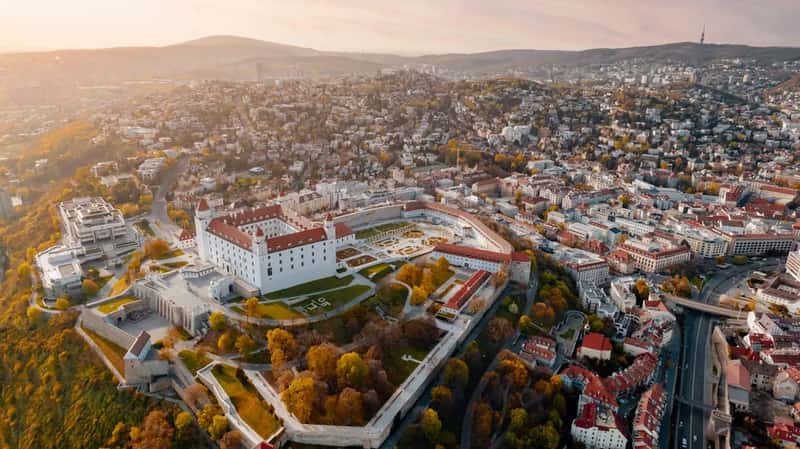
Slovakia rounds out the top ten with a score that puts it firmly in the “very high proficiency” category. The country scored 606 points in the 2025 index[1], a result that reflects a generation of Slovaks raised on English-language media, EU mobility, and a school system that treats English as a core subject rather than an elective.
What makes Slovakia’s showing notable is the regional company it keeps. It sits alongside other Central and Eastern European nations that have quietly climbed the rankings over the past decade, driven by young professionals who work remotely for Western European or American firms and need English simply to do their jobs. The country’s proximity to Austria and its integration into broader EU labor markets have only reinforced that trend.
9. Belgium

Belgium’s linguistic landscape is already complicated, split between Dutch, French, and German speakers, so English often functions as a practical bridge between the country’s own communities. Belgium posted a score of 608 in the 2025 rankings[1], placing it comfortably in the very high band.
Brussels, home to EU institutions and a dense expat population, adds another layer of pressure toward English fluency. Locals working in international business, diplomacy, or tech tend to pick up English early and use it constantly, which pulls the national average upward even in regions where French or Dutch dominates daily life.
8. Sweden
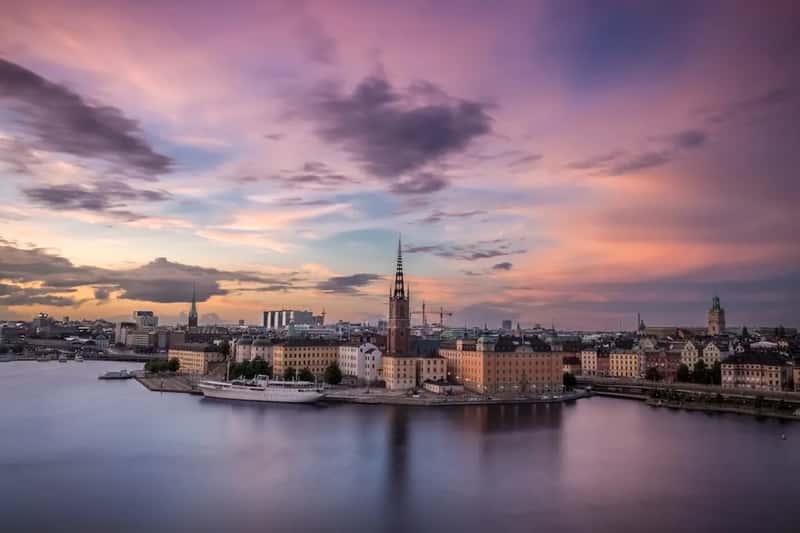
Sweden has long been a fixture near the top of these rankings, and 2025 was no exception. The country scored 609 points[1], keeping it inside the very high proficiency tier alongside its Nordic neighbors.
Swedish television rarely dubs foreign content, opting for subtitles instead, which means children grow up hearing English constantly from an early age. Add a national curriculum that introduces English instruction in the first years of primary school, and it’s easy to see why fluency here feels less like a skill and more like a given.
7. Denmark
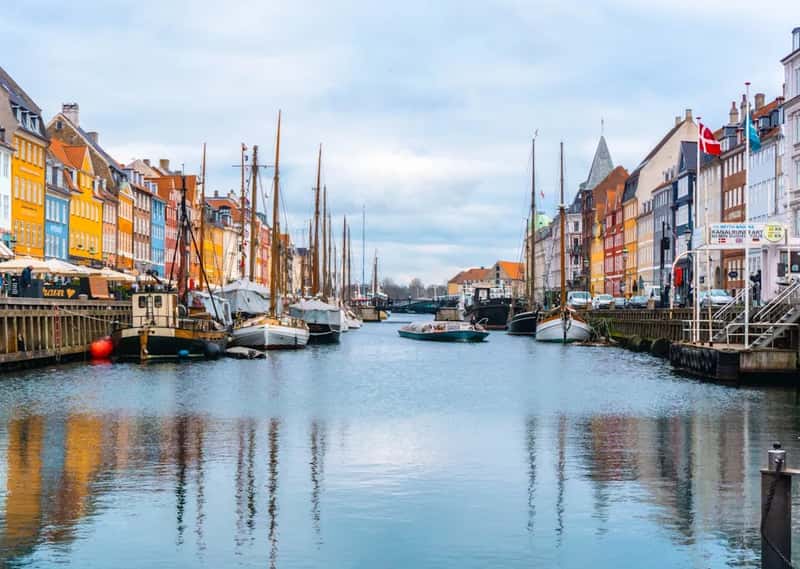
Denmark edges out Sweden by a narrow margin. The country recorded a score of 611 in the 2025 index[1], and Copenhagen specifically posted one of the highest city-level scores anywhere in the world. Copenhagen reached 644 points[1], a figure that would rival some native English-speaking cities.
Danish media culture leans heavily on English-language film, music, and online content, and like Sweden, subtitling rather than dubbing keeps the language present in everyday life. Business culture in Denmark also skews international, with many companies operating in English internally even when every employee happens to be Danish.
6. Portugal

Portugal’s presence in the top ten might surprise people who associate top English scores exclusively with Northern Europe. The country posted a score of 612 in 2025[1], edging out several Nordic and Central European nations.
Tourism plays an outsized role here. With millions of English-speaking visitors passing through Lisbon and the Algarve every year, English has become a practical necessity for anyone working in hospitality, retail, or services. That real-world exposure, combined with English instruction that starts early in Portuguese schools, has pushed the country steadily up the rankings over the past several editions.
5. Norway

Norway continues its long streak as one of the most English-proficient nations on earth. The country scored 613 points in the 2025 edition[1], maintaining its position among the world’s elite non-native English speakers.
Like its Scandinavian neighbors, Norway benefits from a media environment saturated with untranslated English content and an education system that treats bilingualism as an expectation rather than an aspiration. Oslo, in particular, has developed a reputation as a city where switching between Norwegian and English happens almost without thought, especially among younger professionals in tech and finance.
4. Germany
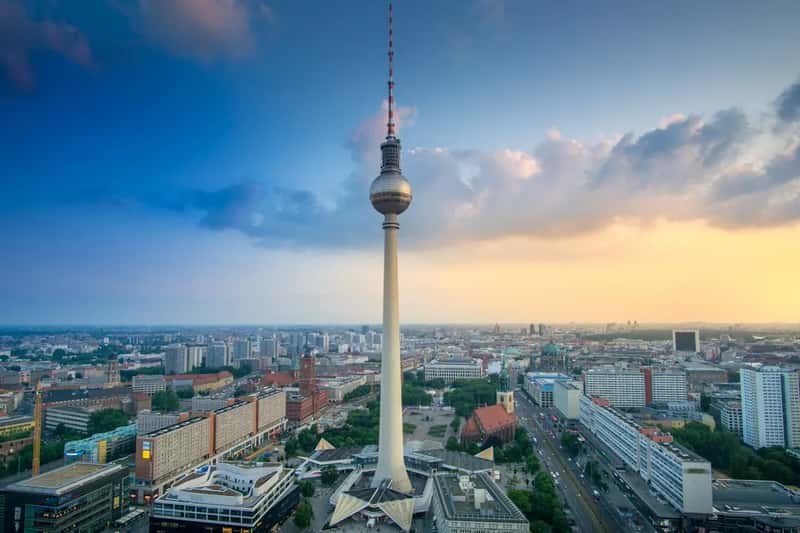
Germany made one of the more dramatic jumps in the 2025 rankings. Germany climbed to fourth place with one of the biggest gains in Europe[2], and the numbers back that up. The country scored 615 points[1], a notable rise from previous years according to EF’s own analysis. Germany improved by 17 points to reach 615[3], one of the largest single-year gains among major economies.
Berlin has become something of an anchor for that improvement, with the city posting a score of 625 on its own, according to EF’s city-level data. Germany’s tech sector, its large population of international students, and a growing startup culture centered in cities like Berlin and Munich have all pushed English further into daily professional life, even as German remains the dominant language at home.
3. Austria
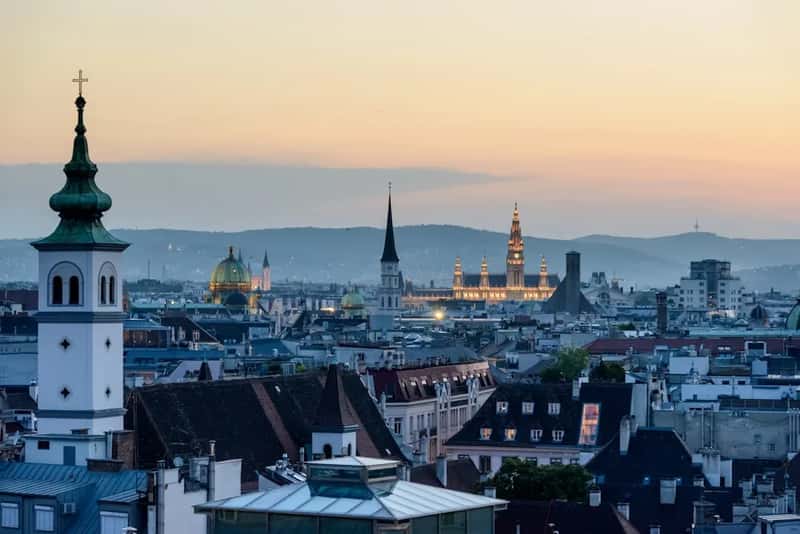
Austria climbed into third place in 2025, continuing a trend of steady gains. Austria improved its ranking alongside Croatia[2], and the score reflects that momentum. Austria recorded 616 points[1], according to the latest index. The country improved by 16 points to reach that figure[3], one of the sharper year-over-year climbs in the entire dataset.
Vienna consistently ranks among the top cities globally for English proficiency, a reputation tied to its universities, its international organizations, and a business community that operates comfortably in English when dealing with clients abroad. Austrian schools also emphasize English early, often starting formal instruction well before secondary school.
2. Croatia
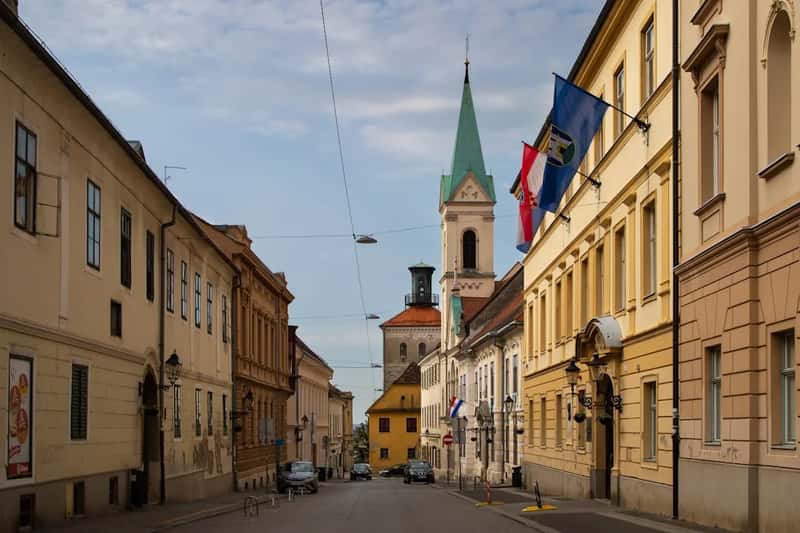
Croatia’s rise to second place is one of the more striking storylines in the 2025 index. Croatia improved its ranking this year, moving up alongside Austria[2], and the numbers show why. The country scored 617 points[1], according to the EF EPI 2025 data. Croatia’s score rose by 10 points[3], a solid gain that pushed it past several longtime frontrunners.
Zagreb posted a city score of 616, putting the capital in the same tier as cities like Norway’s Oslo. Croatia’s tourism-driven economy, heavily dependent on English-speaking visitors along the Adriatic coast, has almost certainly played a role in sustaining strong everyday English use well beyond the classroom.
1. Netherlands
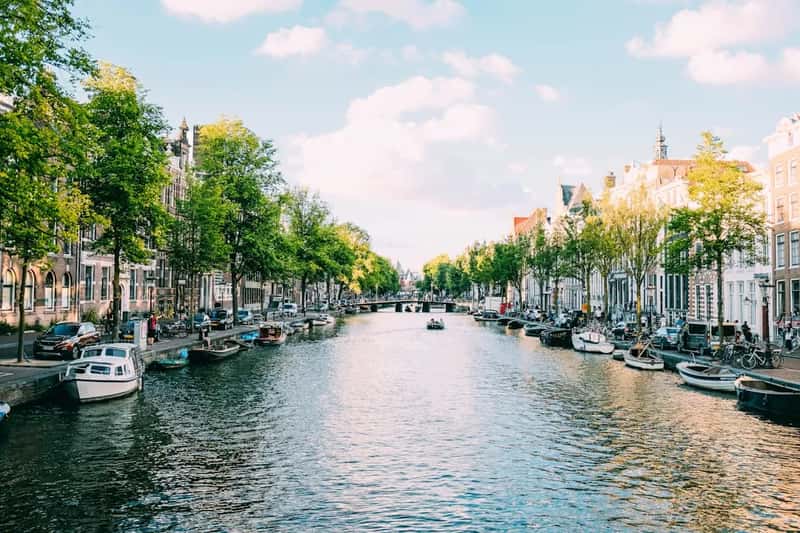
The Netherlands holds onto the top spot for yet another year, a position it has now defended for roughly seven consecutive editions of the index. The Netherlands has led the rankings for the seventh consecutive year[3], despite a slight dip in its raw score. The country recorded 624 points in 2025[1], still comfortably ahead of every other nation on the list. That figure marks a decline of 12 points from the previous year[3], though it remains far above the threshold for very high proficiency.
Amsterdam scored 630 on its own, reinforcing just how deeply English has embedded itself in Dutch daily life, from universities that teach entire degree programs in English to a media landscape that rarely bothers dubbing foreign content. Interestingly, Singapore, long considered a rival for the top position in Asia, was removed from the 2025 index entirely. Singapore was excluded from the index since 2025 after being reclassified as a native English-speaking country[1], which leaves the Netherlands without its most consistent historical competitor for the number one spot.