You know that feeling when you’re planning your next adventure, already imagining yourself exploring new cities and snapping photos of everything? The excitement is real. Travel should be about freedom, discovery, and making memories that last a lifetime.
Here’s the thing though. Some seemingly harmless behaviors can land you in hot water faster than you can say “passport.” We’re talking fines, arrests, or even deportation. The kicker is that most travelers have no clue they’re breaking the rules until it’s too late. Let’s be real, nobody reads those travel advisories or checks local laws before heading out.
Whether it’s taking that perfect Instagram shot, packing your favorite gadget, or just being yourself, certain actions can backfire in ways you’d never expect. So let’s dive into these common travel habits that seem totally innocent but might just ruin your vacation.
Bringing Ammunition in Your Luggage
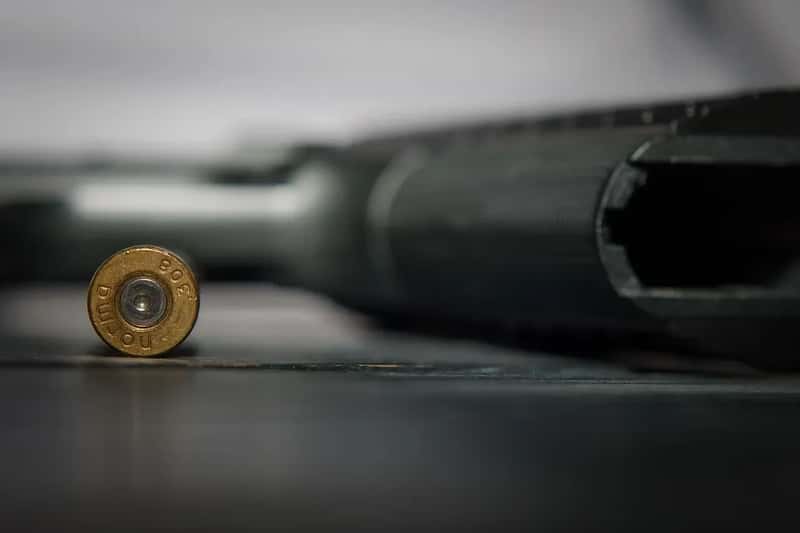
In the spring of 2024, five Americans who had been preparing to fly out of Turks and Caicos were arrested after customs officers discovered a small number of bullets in their suitcases. Sounds wild, right? Most people don’t intentionally pack ammunition. The issue is that a few stray rounds can end up in bags used for hunting trips back home, and travelers simply forget they’re there.
Similar advisories about knowing and respecting local laws are in place for common vacation destinations such as Mexico, the Dominican Republic and the Bahamas. Even a single bullet can trigger serious legal consequences in countries with strict weapons laws. Fines can reach thousands of dollars, and some nations impose mandatory prison sentences for ammunition possession. This isn’t just an overseas problem either. TSA officers discovered a record 64 firearms at Idaho’s six airports in 2024, and TSA can levy a civil penalty against the traveler of up to $14,950.
Taking Photos at the Wrong Place
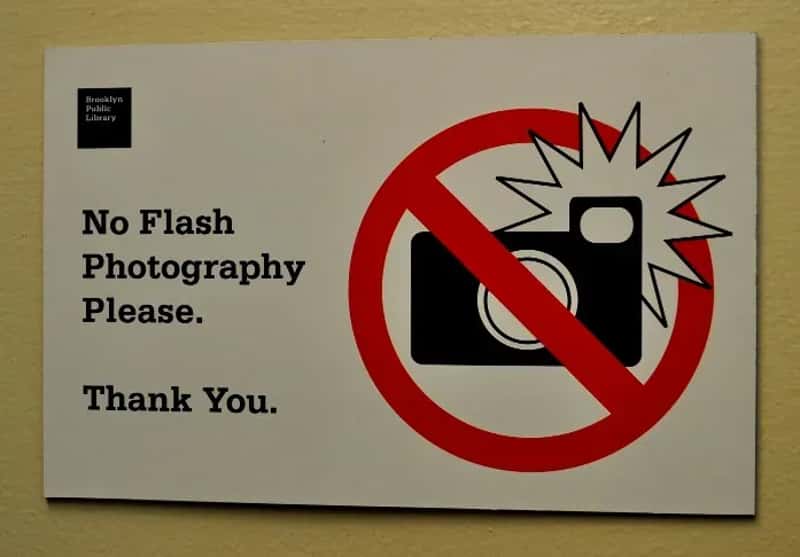
That stunning government building or military checkpoint might look amazing in your travel album, but photographing it could land you in jail. Iran tightly controls what foreigners are allowed to photograph, and violations can result in arrest, with military sites, government buildings, bridges, and airports strictly off-limits.
North Korea enforces some of the strictest photography rules in the world, with violations leading to immediate detention, as tourists are assigned official minders who carefully watch what they photograph, and military sites, construction projects, ordinary citizens, and infrastructure are strictly prohibited. Even seemingly innocent photos can be interpreted as espionage. In the United Arab Emirates, taking unauthorized images of people, even in public spaces, can land you with a fine of up to about $135,000 and potentially lead to jail time. Trust me, that photo is not worth it.
Flying Your Drone Without Permission
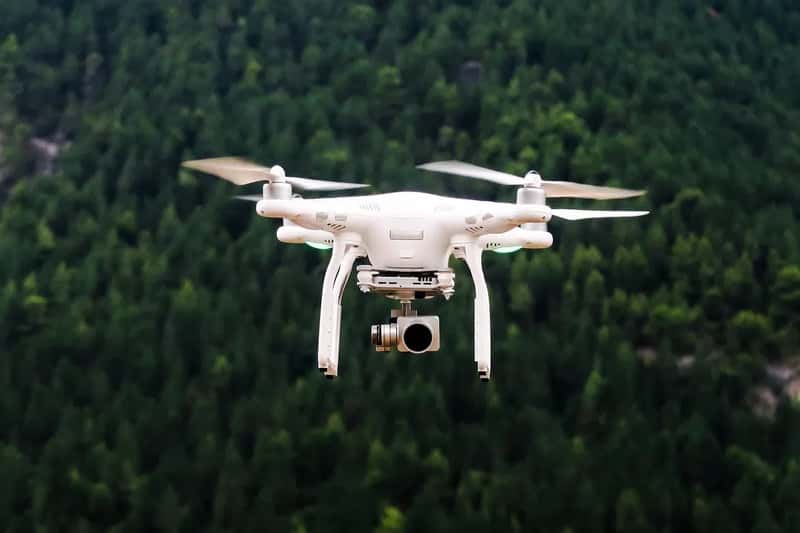
Drones have become travel essentials for content creators and photography enthusiasts. The problem is that roughly about one third of the world’s countries either ban drones completely or make obtaining permits nearly impossible. Morocco has banned drones and customs will confiscate them if you try to bring one into the country, while Madagascar banned drones for personal use in March 2015 and will confiscate them on arrival.
As a foreigner, don’t even think of taking your drone to India, because if you do, you will have to go through the Red Channel and declare it, and they will confiscate it and you may not get it back. Even countries that allow drones often have strict registration requirements. Only about 7.5% of the world’s countries ban the use of drones completely. Still, getting caught with an unregistered drone can result in hefty fines or equipment confiscation.
Carving Your Name Into Historic Sites
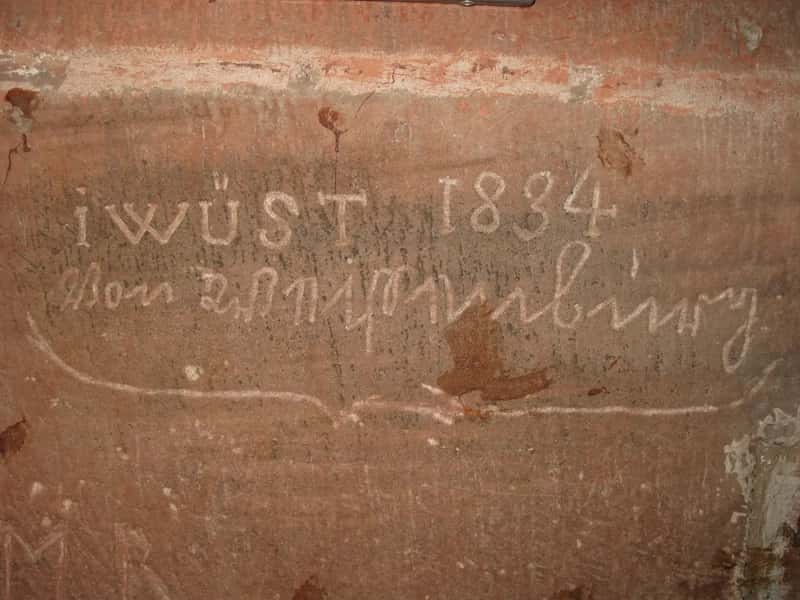
Social media is full of travelers leaving their mark on ancient monuments, but this trend has serious consequences. In June 2023, a tourist at Rome’s Colosseum was caught carving initials into the 2,000 year old monument and was filmed grinning, but he was less perky when police tracked him down just day later, with the British resident immediately begging for forgiveness and saying he didn’t know how old the monument was.
In the ancient city of Pompeii, a British tourist was caught in August carving initials into one of its 2,000-year-old homes. These aren’t just slaps on the wrist. Italy has intensified crackdowns with increased fines and potential prison time. Honestly, I know it sounds crazy, but people still do this thinking they won’t get caught. Spoiler alert: cameras are everywhere, and locals are watching.
Inappropriate Behavior With Statues and Monuments
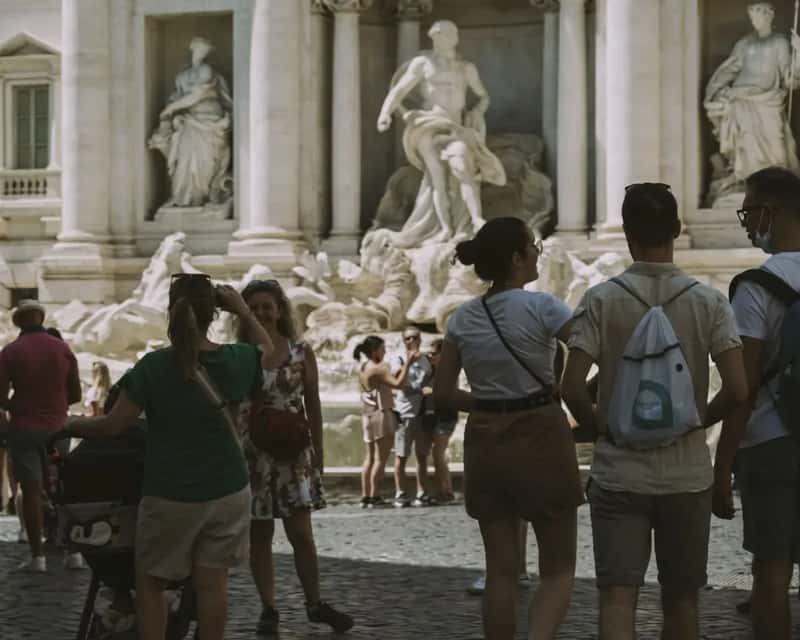
Let’s talk about those cringe-worthy viral photos. In July, Florence officials were on the hunt to identify a young woman seen mimicking sexual acts with a statue of Bacchus, the god of wine and sensuality, in photos that went viral on social media. What might seem like a funny moment for Instagram can result in serious legal trouble.
A photo of two women sunbathing in front of the Grand Palace in Bangkok elicited a negative response, as they were in swimsuits at Sanam Luang, a site of many royal ceremonies and considered sacred in Thailand, with some social media users criticizing the lack of social etiquette. Cultural disrespect is increasingly leading to fines, deportations, and public shaming. Countries are tired of tourists treating sacred sites like theme parks.
Renting Motorbikes Without Proper Licenses
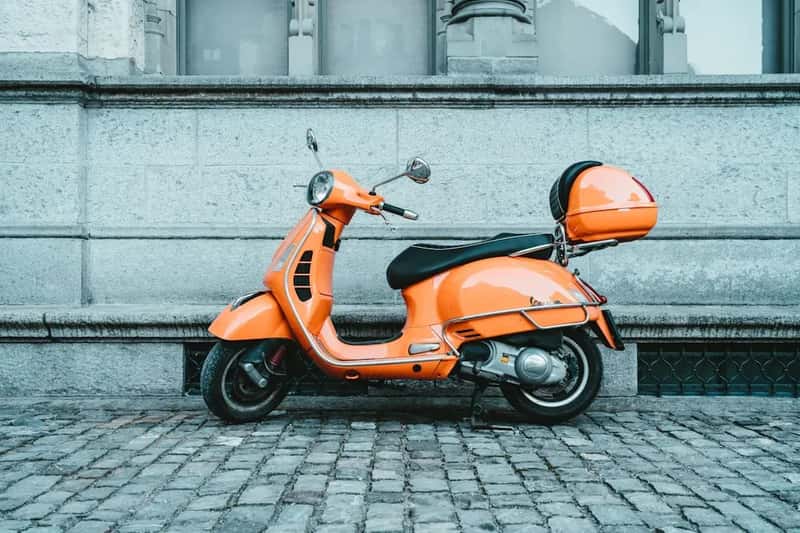
Hopping on a scooter seems like the perfect way to explore tropical destinations. Here’s where it gets tricky. The Balinese government proposed banning foreign tourists from renting motorbikes after a surge in violations, instead encouraging visitors to hire local drivers or use licensed taxis.
Many travelers don’t realize their regular driver’s license doesn’t cover motorcycles or scooters abroad. Getting caught without the proper documentation can lead to fines, impounded vehicles, or even jail time. Accidents without proper licensing can also void your travel insurance, leaving you financially responsible for medical bills and property damage. Better safe than sorry, especially when local traffic laws differ drastically from what you’re used to.
Displaying Unruly Behavior on Flights
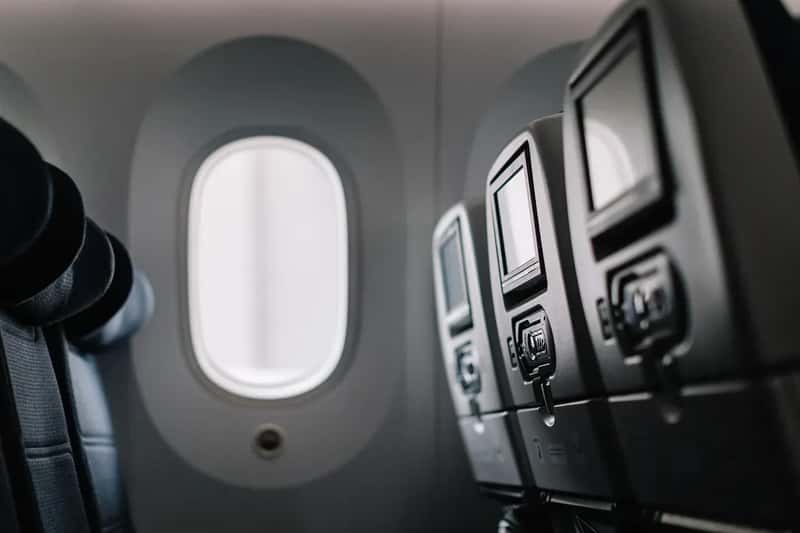
Air rage is a growing problem worldwide. The US Federal Aviation Administration investigated more than 2,000 unruly passenger incidents in 2024, which is a big drop from a record high of 5,973 in 2021, but still nearly twice as many reports as in the pre-Covid era. Alcohol-fueled meltdowns, refusing to follow crew instructions, or even arguing too loudly can get you banned from airlines.
In 2024, 106 unruly incidents involved intoxicated travelers, accounting for approximately 12% of all reported cases, demonstrating that alcohol-related disruptions remain a critical safety concern for the aviation industry. The FAA can impose fines exceeding $40,000 per violation, and criminal charges can result in 20 years in prison for serious cases. It’s hard to say for sure, but airport stress and long delays probably contribute to these incidents more than people realize.
Trespassing on Closed Tourist Sites
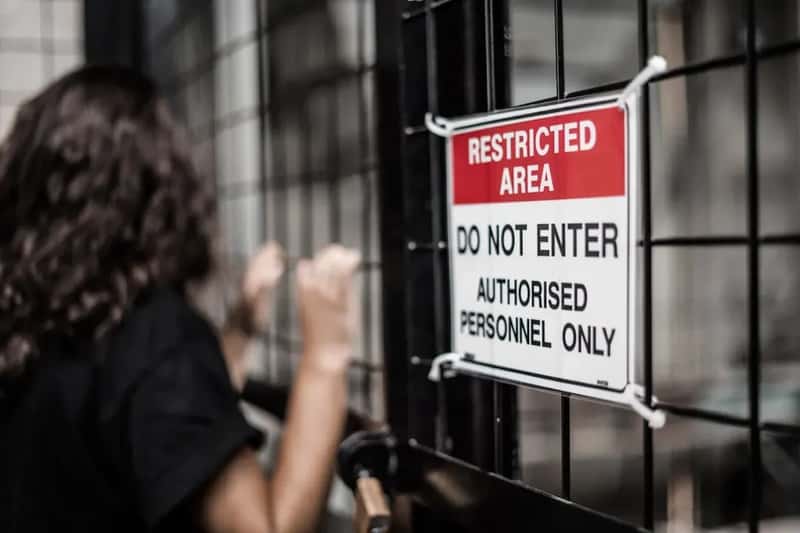
Those off-limits spots always look so tempting in photos. The 3,922-step Haiku Stairs in Hawaii were built by the US Navy during World War II and have been officially closed to the public since 1987, but problems with illegal trespassing have multiplied in the age of social media, and due to the number of YouTubers, TikTokers, thrill-seekers and other tourists sneaking on the site, authorities made the decision to dismantle the steps at a cost of $2.5 million.
Getting caught trespassing can result in fines, arrests, and even being banned from the area permanently. Emergency rescues for trespassers also cost taxpayers thousands of dollars. Authorities are getting stricter because social media has turned closed sites into viral challenges.
Disrespecting Wildlife in National Parks
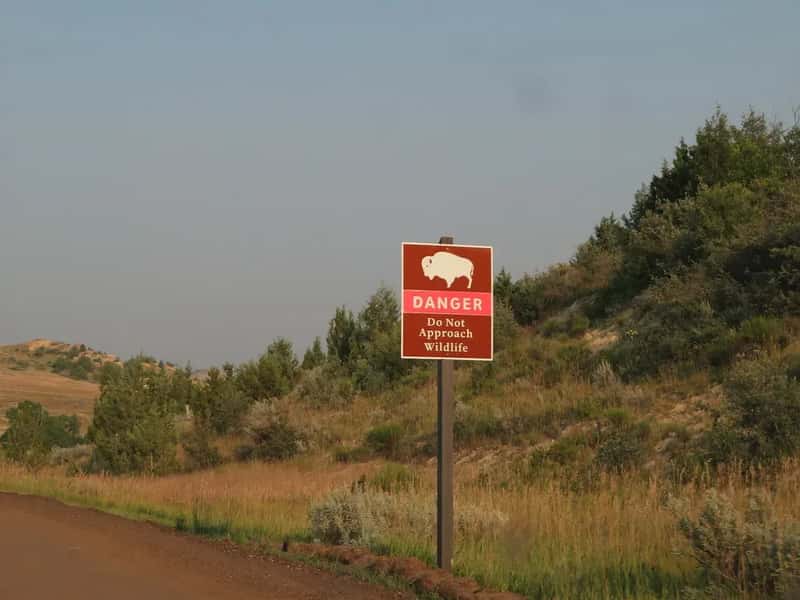
It seems obvious, but tourists keep getting too close to wild animals for photos. In April 2024, a 40-year-old man harassed a herd of bison at Yellowstone National Park and kicked one, was subsequently injured by the animal, and park rangers stopped his vehicle and arrested him on charges of being under the influence, approaching wildlife, and disturbing wildlife.
Wild animals are unpredictable and dangerous, yet people continue treating them like petting zoo attractions. Fines for disturbing wildlife can reach thousands of dollars, and injuries from animal encounters often void insurance coverage. Rangers have zero tolerance for this behavior, especially after repeated incidents. Respect the wildlife or face serious consequences.
Loitering in Overcrowded Tourist Spots
Standing around for that perfect photo might seem harmless, but some destinations have had enough. Mayor Matteo Viavaca announced penalties of around $300 for those loitering in popular photo spots to alleviate anarchic chaos on its streets, with the rule targeting two red zones notorious for blocking pedestrian traffic.
Crossing Borders With Social Media Content
Your phone’s content can get you detained at borders in ways most people never imagine. Dr. Rasha Alawieh, a physician and professor at Brown University on a valid H-1B visa, was pulled aside for secondary inspection after landing in Boston from Lebanon, and her phone was searched, revealing WhatsApp images of Hezbollah leaders common in her religious community.
If your social media includes content that CBP views as immigration fraud, political dissent, or commercial activity, you could be denied. Border agents in various countries have broad authority to search devices and social media accounts. Posts supporting certain political movements, photos from protests, or even memes can be misinterpreted and lead to denied entry or detention. The scary part? You might not even know which content is problematic until it’s too late.
What do you think about these surprising travel restrictions? Did any of these catch you off guard? Share your thoughts in the comments.