Planning international travel? You might think your passport’s the only ticket you need. The reality is way more complicated. Some nations guard their borders with rules so strict they’d make airport security look relaxed. Whether it’s mountains of paperwork, sponsorship requirements, or outright bans on certain nationalities, these destinations aren’t exactly rolling out the welcome mat.
So which countries are the toughest nuts to crack when it comes to entry requirements? Let’s dive into the destinations where getting in feels less like vacation planning and more like navigating a bureaucratic obstacle course.
1. North Korea
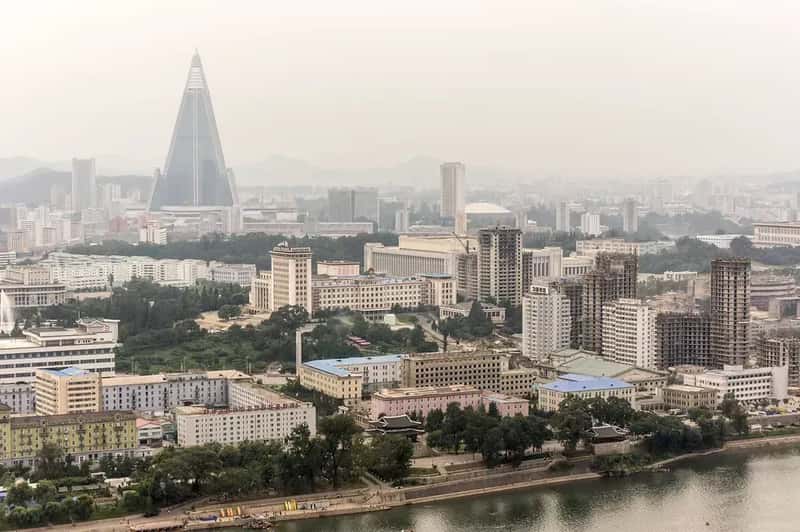
All visitors holding ordinary passports must obtain a visa prior to entering North Korea, requiring prior authorization from a travel agency registered with the State General Bureau of Tourist Guidance. As of March 2025, only Russian passport holders are permitted to visit North Korea as tourists, with North Korea tourism visas not being issued to all other nationalities. American citizens cannot travel to North Korea as tourists, as the U.S. State Department has enforced a travel ban prohibiting all U.S. passport holders from visiting North Korea for tourism since September 1, 2017. Independent travel is virtually impossible here. Independent travel is virtually impossible, and journalists, foreign government officials, and individuals deemed suspicious are frequently denied entry, with travelers required to surrender their passports upon arrival and are strictly monitored throughout their stay.
2. Turkmenistan
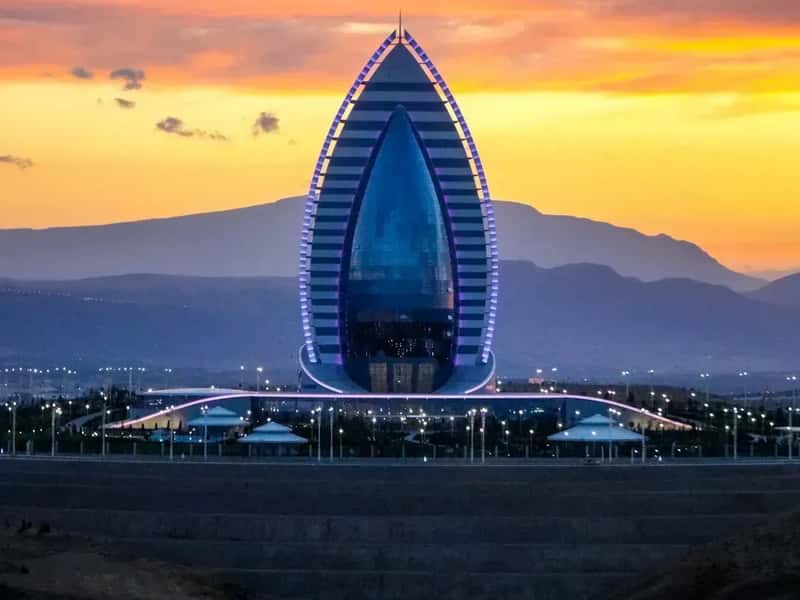
The visa policy of Turkmenistan is among the most restrictive of any country in the world, with citizens of all countries requiring a visa to enter Turkmenistan unless they have special passports, and all foreign citizens must supply an invitation letter issued by a travel agency licensed in Turkmenistan. Getting that invitation letter can take up to twenty days, which means spontaneous travel is basically out of the question. Applicants need many documents including three copies of the filled-in visa application form and a letter of invitation from the Turkmen State Migration Service, with a sponsor in Turkmenistan required who can procure the LOI for you and it may take up to 20 days to get the letter. The law introducing an e-Visa system, signed by President Serdar Berdimuhamedov, officially came into force on April 18, 2025, though full implementation is still developing.
3. Syria
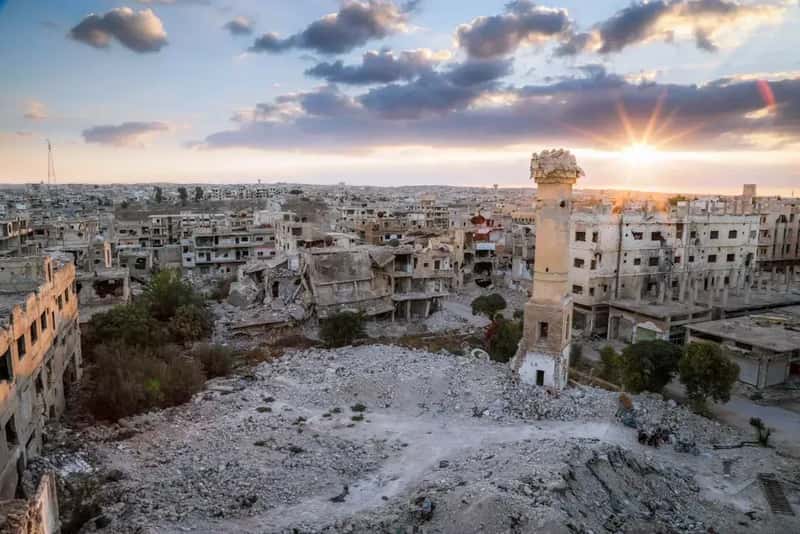
Due to ongoing conflict, Syria remains one of the hardest places to visit, with the visa application process being extensive and requiring sponsorship from a local or business entity, and security checks are rigorous with approvals being rare, especially for citizens from Western nations. Here’s the thing: even if you somehow manage to secure all the paperwork, the volatile security situation makes the journey exceptionally risky. Travelers with Israeli stamps in their passports are outright denied entry. The combination of bureaucratic hurdles and genuine safety concerns places Syria firmly among the world’s most difficult countries to access.
4. Saudi Arabia
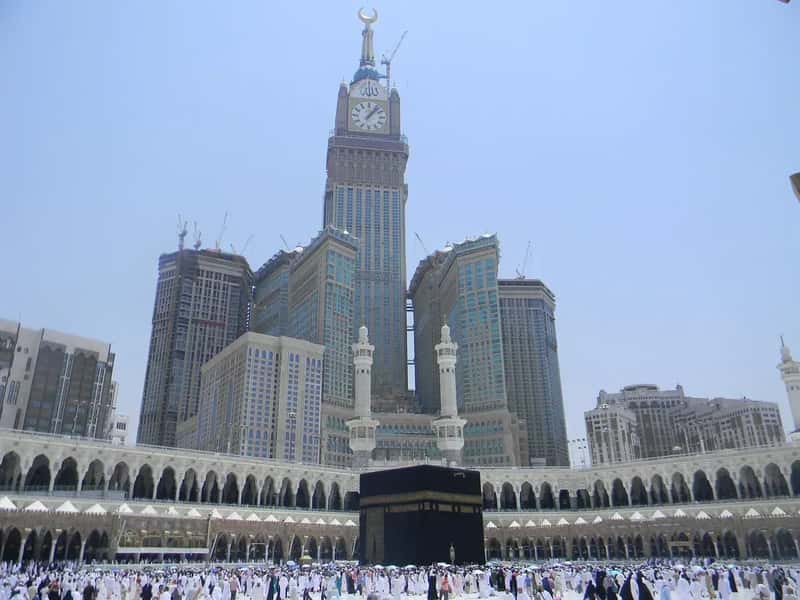
Saudi Arabia started to issue tourist visas online and on arrival from 28 September 2019, with holders of passports from eligible countries able to obtain an e-Visa online for a fee prior to arrival or on arrival to Saudi Arabia and this visa is valid for 90 days. Though the kingdom has loosened restrictions considerably compared to previous decades, challenges remain. Non-Muslims (of whatever nationality) are not allowed to travel to Mecca, creating geographical restrictions unique to Saudi Arabia. Visa rules remain strict for those travelling for work, including race team personnel and media representatives, with journalists potentially required to apply for a dedicated journalist visa which often requires additional scrutiny and approvals from Saudi authorities.
5. Russia
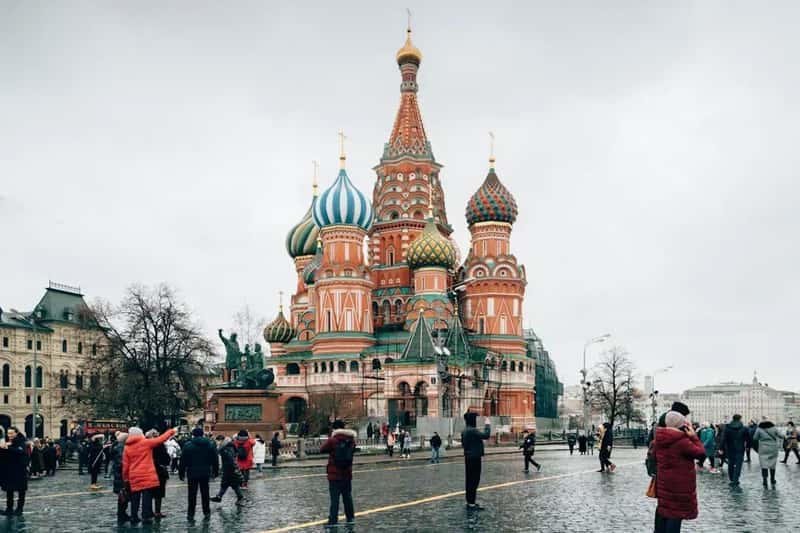
Russia’s visa process involves a mountain of paperwork, including an official invitation letter, proof of accommodation, and financial stability verification, with the application requiring fingerprinting and processing times varying widely, making spontaneous travel nearly impossible as any error in documentation can result in denial. One thing that makes the visa application process to Russia challenging is the many questions in the application form, and to get your Russian visa approved, you must list every single trip you took in the last ten years, with details where you went, when, and how long you stayed. Honestly, keeping track of a decade’s worth of travel down to specific dates feels excessive, even by strict visa standards.
6. Iran
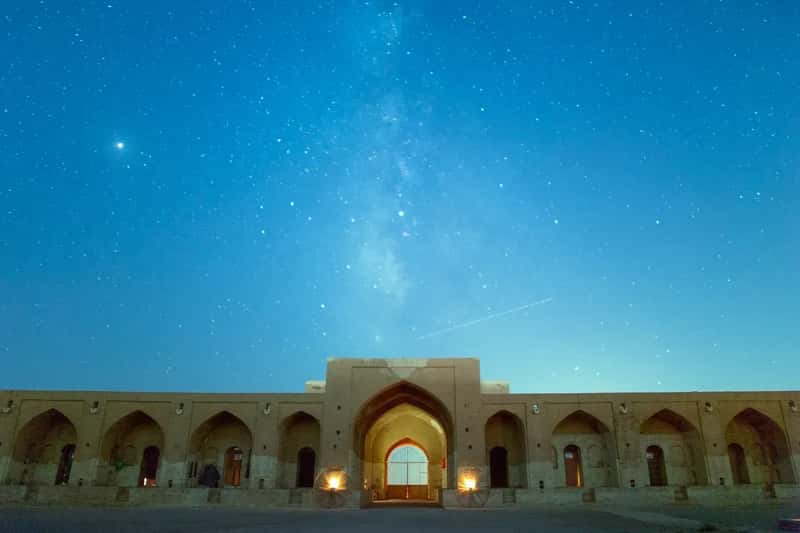
Visas to Iran are hard to get mostly because you need to have a verification code before you apply for a visa, with this authorization code issued by the Ministry of Foreign Affairs in Iran, but an official Iranian travel agency has to apply for the code on your behalf. For travelers from certain countries, particularly the U.S., U.K., and Canada, Iran imposes extra visa restrictions, with applicants required to apply through authorized agencies, obtain special permissions, and travel only with official guides, though Iran offers Visa on Arrival for select nationalities with many others facing long approval processes and strict supervision during their stay. The multi-layered authorization process makes visiting Iran considerably more complex than most destinations.
7. Bhutan
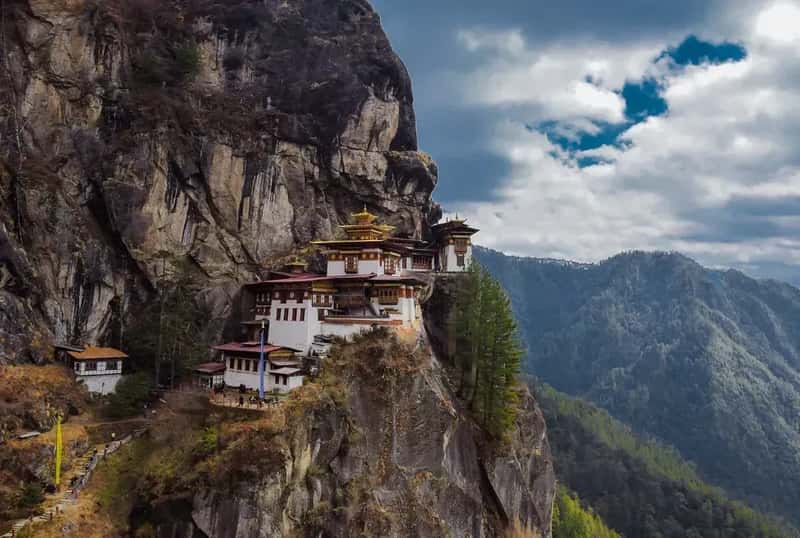
Bhutan implements a unique policy called “High Value, Low Impact Tourism,” with tourists required to apply through government-approved travel agencies which handle the entire itinerary including lodging, transportation, and guides, and travelers are required to pay a Sustainable Development Fee of USD 100 per person per day, plus all tour costs upfront before the visa is processed, ensuring that only serious and financially prepared travelers can visit. To get a visa for Bhutan, you have to find a tourist agency organizing a trip there and pay the visa fee in advance along with the rest of the tour package, with visa applications processed online and required to be approved by the Tourism Council in Bhutan. Independent backpacking? Forget about it.
8. Cuba
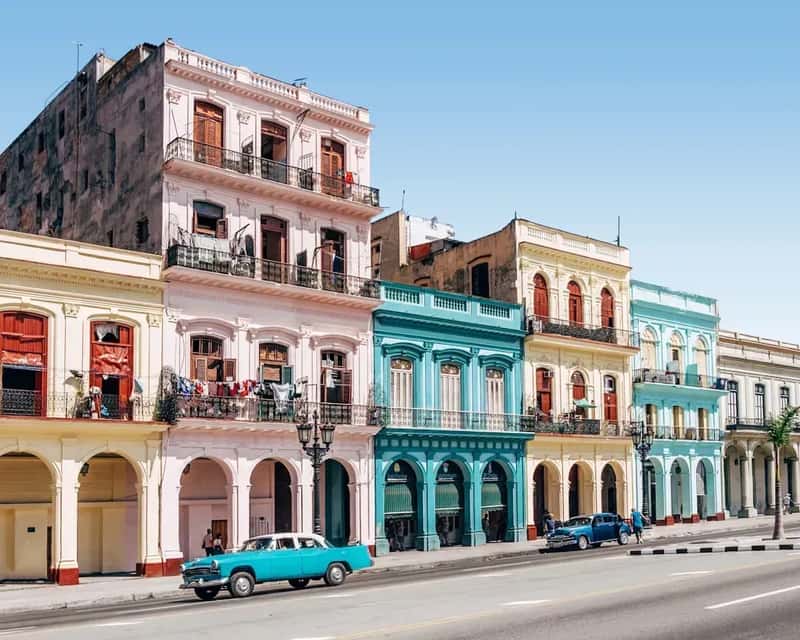
This country is particularly difficult to visit for American citizens, as if you are American you cannot enter the country for tourist purposes and must belong to one of the 11 categories of authorized travel, and if you do get permission to enter the country, you will receive a pink Tourist Card different from the Green Tourist Card that is issued to other nationalities. Cuba has a restrictive visa policy, especially for US citizens due to the embargo and political tensions, with visitors needing a tourist card which can be challenging to obtain, especially for US citizens, and Cuba requires visitors to declare their purpose of visit with certain purposes subject to additional scrutiny. The political relationship between Washington and Havana creates a uniquely complicated entry process for Americans.
9. Chad
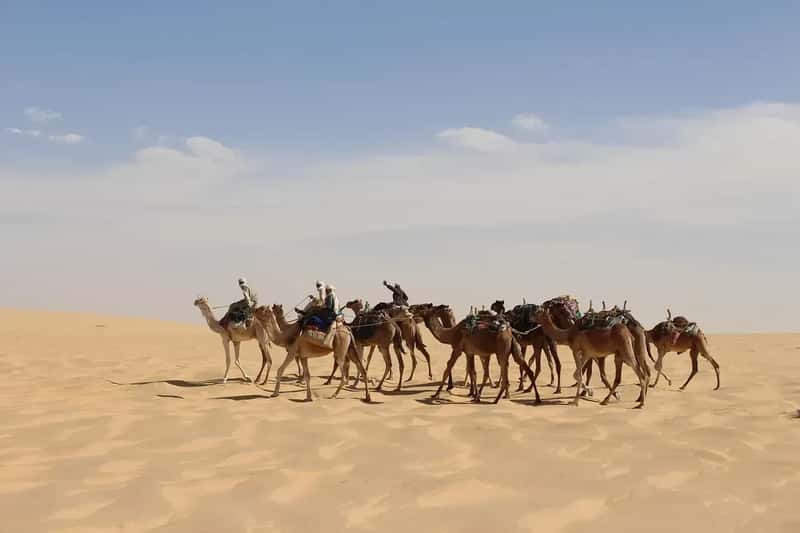
Only 14 countries have visa-free access to Chad, with the rest of the world having to apply for a visa to enter the country. Chad suspended the issuance of all visas to U.S. citizens in early June, which was a direct reciprocal action taken in response to being included in the new U.S. travel ban, illustrating how quickly the door to a country can close and highlighting the absolute need for travelers to check the very latest rules before heading to the airport. Political instability and limited infrastructure compound the visa difficulties, making Chad one of the least accessible countries for international travelers.
10. Eritrea
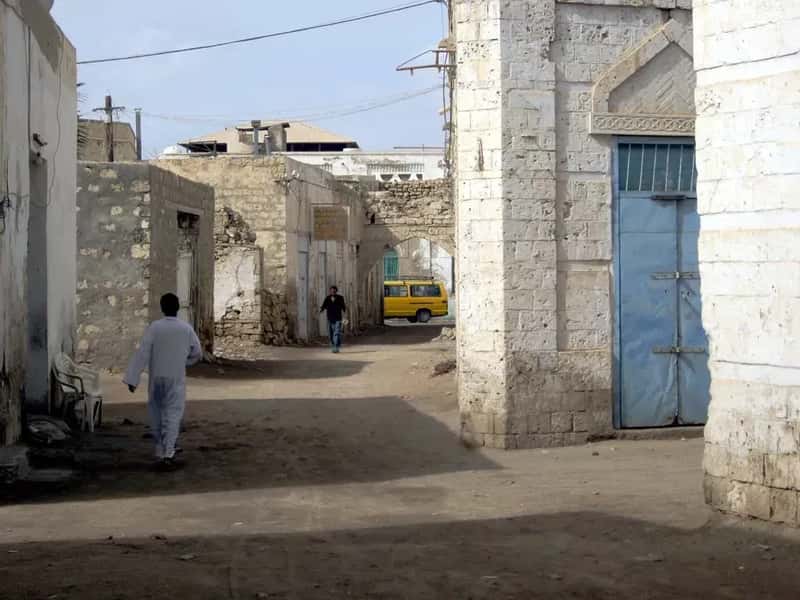
Citizens from countries cannot apply for any type of new U.S. visa unless an exemption applies, with Afghanistan, Burma, Chad, Republic of the Congo, Equatorial Guinea, Eritrea, Haiti, Iran, Libya, Somalia, Sudan, and Yemen among those affected, and seven additional countries including Burkina Faso, Laos, Mali, Niger, Sierra Leone, South Sudan, and Syria subject to restrictions. While this references restrictions for entering the United States, Eritrea itself maintains extremely tight control over who enters. The country’s authoritarian government severely limits tourism and requires extensive documentation for any foreign visitors. Getting approval often involves governmental connections or specific business purposes, with recreational tourism virtually non-existent.
11. Angola
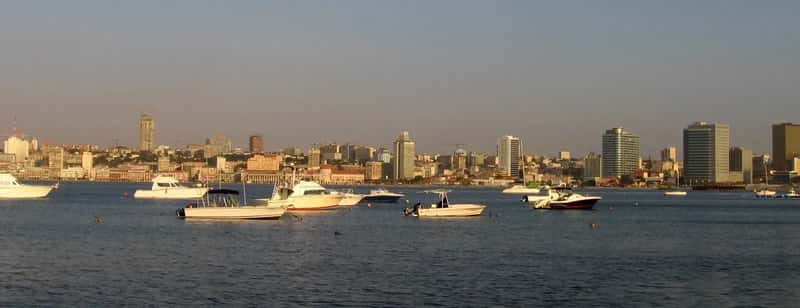
Both the US and the UK did more than their fair share of meddling in Angola when the African nation was establishing its independence in the 1970s, and as a result the country has a strong distrust of outsiders, making it quite hard to obtain a tourist visa, with Angola also being a country rich in diamond mines and evidently some inside the country worry that outsiders only come in to try to steal diamonds. The visa application process requires extensive documentation including proof of financial means, hotel reservations, and sometimes letters of invitation. Processing times can stretch for weeks or even months, and denials happen without clear explanation.
12. China
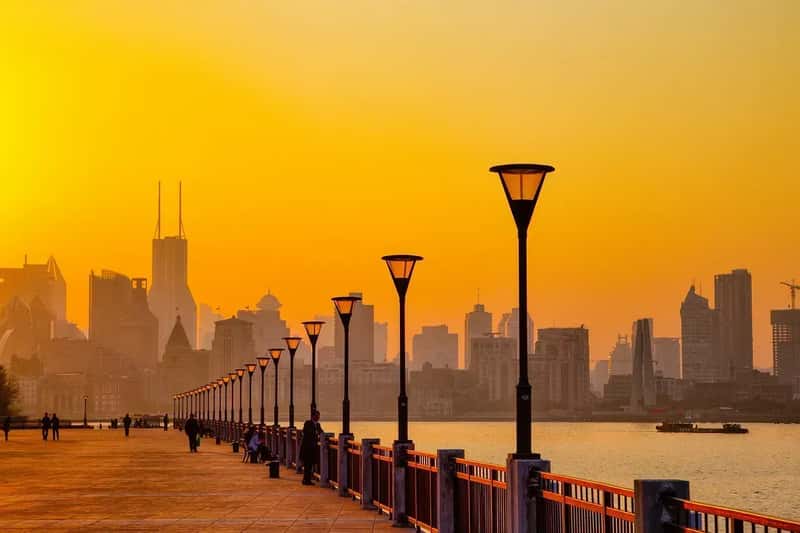
Despite welcoming millions of tourists annually, China imposes a strict visa application process, with applicants required to provide extensive documentation including past travel history, employer details, and proof of financial solvency. Nationals from 48 countries including Argentina, Brazil, and Saudi Arabia can now enter China visa-free for up to 30 days for business, tourism, or transit, though this exemption doesn’t apply to many Western passport holders. The application involves in-person appointments at Chinese visa centers, fingerprinting, and detailed itineraries. Recent years have seen increased scrutiny of journalists, academics, and anyone with connections to sensitive topics.
Travel in 2026 remains a privilege rather than a guarantee for many destinations. These twelve countries demonstrate that despite globalization, crossing certain borders still requires patience, persistence, and occasionally political connections. Rules can shift overnight based on diplomatic tensions or security concerns, making flexibility essential for international travelers.
What’s your take on strict visa requirements? Are they necessary security measures or unnecessary barriers to cultural exchange?