When you think about safety abroad, your mind probably conjures images of certain places. Maybe Scandinavia. Switzerland. Places that feel predictable.
Yet perception rarely matches reality. Some countries earn dangerous reputations through sensational headlines, while others slide under the radar despite genuine risk. In the current climate, with global peace declining for the 13th time in 17 years according to recent reports, understanding where actual safety lies has never been more critical. What you assume might surprise you.
Portugal: The Quiet European Champion

Portugal ranks seventh on the 2025 Global Peace Index, placing it ahead of heavyweights like Austria and Ireland. That alone should turn heads. The homicide rate remains consistently below 1.0 per 100,000 people, making violent crime genuinely rare.
According to Gallup’s 2024 Global Safety Report, 83% of people in Portugal felt safe walking alone at night. That’s not just a statistic – it reflects lived experience. Cities like Lisbon and Porto combine rich culture with safety that most travelers never anticipate until they arrive.
Sure, pickpockets work the tourist zones. That’s true everywhere. The difference is what doesn’t happen: armed robbery, carjackings, assaults. The country recorded 354,878 crimes in 2024, showing a 4.6% decrease from the previous year, showing Portugal is getting safer, not more dangerous.
United Arab Emirates: More Than Glittering Towers
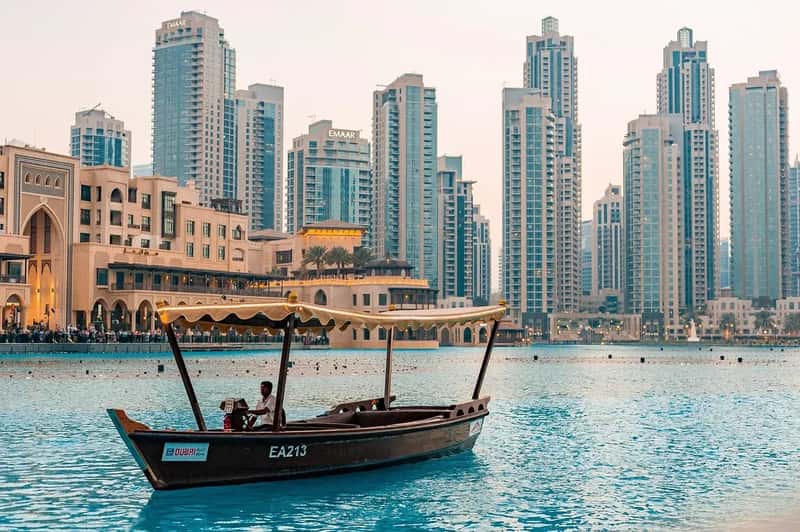
Dubai and Abu Dhabi have garnered reputations for excess, luxury, opulence. What gets less attention is how meticulously safe these cities actually are. The United Arab Emirates ranks highest on the Numbeo Safety Index with a score of 84.5, alongside countries known for peace.
Law enforcement maintains high visibility throughout urban centers. Strict penalties deter most crime before it starts. Walking through Dubai Marina at midnight feels safer than many small American towns at noon, honestly.
Many countries in Asia and the Middle East rank highly in perceptions of safety, with the UAE standing in the top 10. Women traveling solo frequently report feeling more secure here than back home. That reality contradicts narratives that paint Gulf nations as risky.
Rwanda: Africa’s Safety Success Story
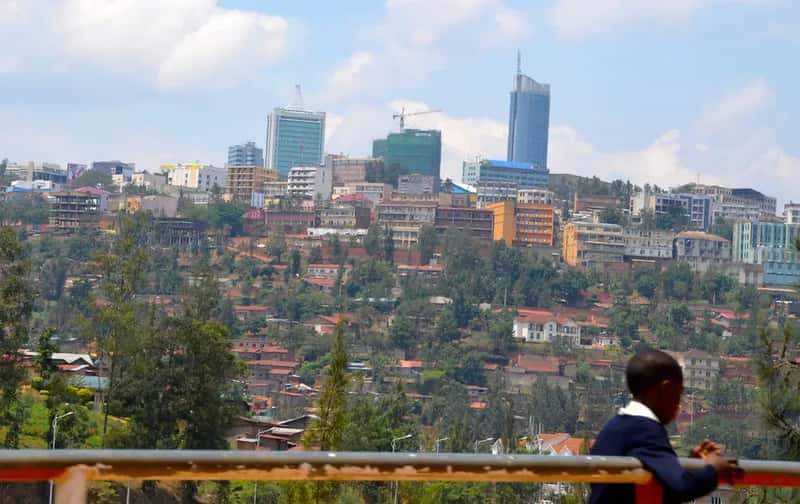
Mention Rwanda and many people’s minds still drift to 1994. That tragedy happened over thirty years ago. Today’s Rwanda represents something entirely different – a nation that rebuilt itself into one of Africa’s safest destinations.
The streets of Kigali are clean, orderly, remarkably secure. Violent crime rates remain low. Police corruption, a plague across much of the continent, stays minimal here. Tourism thrives on gorilla trekking and eco-experiences, with safety rarely becoming an issue.
Rwanda hasn’t made the top rankings of global indices yet, which is precisely why it belongs on this list. It flies under perception’s radar. Travelers who visit often express shock at how wrong their preconceptions were.
Slovenia: Europe’s Best-Kept Secret
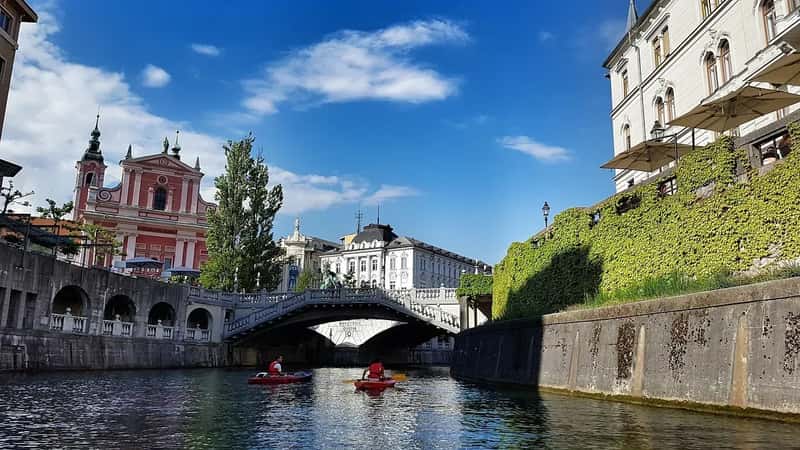
Slovenia has a high safety ranking attributed to excellent scores in three categories: travel security, medical risks, and road safety. The 2025 Global Peace Index indicates Slovenia among the most peaceful countries, nestled quietly between Austria and Croatia.
Ljubljana, the capital, offers medieval charm without the crowds or crime that plague Prague or Budapest. Lake Bled attracts tourists seeking serenity, and they find it. Petty theft exists but remains uncommon even in peak season.
Slovenia installed a democratic government in the mid-1990s and is now focused on improving quality of life in many areas, including safety. The country punches far above its weight in safety metrics, yet remains overlooked in conversations about Europe’s safest nations.
Taiwan: Asia’s Underrated Haven

When people think of safe Asian destinations, Japan and Singapore dominate the discussion. Taiwan deserves equal recognition. Its blend of traditional culture and modern infrastructure creates an environment where safety feels effortless.
Street crime stays rare. Night markets bustle with activity well past midnight, and solo female travelers navigate Taipei with ease. The political tension with mainland China grabs headlines, creating a perception of instability that everyday reality doesn’t reflect.
Taiwan’s public transportation system is spotless, efficient, secure. Healthcare ranks among the world’s best. Natural disasters pose more risk than human threats, and even typhoon preparedness is world-class.
Bahrain: The Gulf’s Hidden Gem
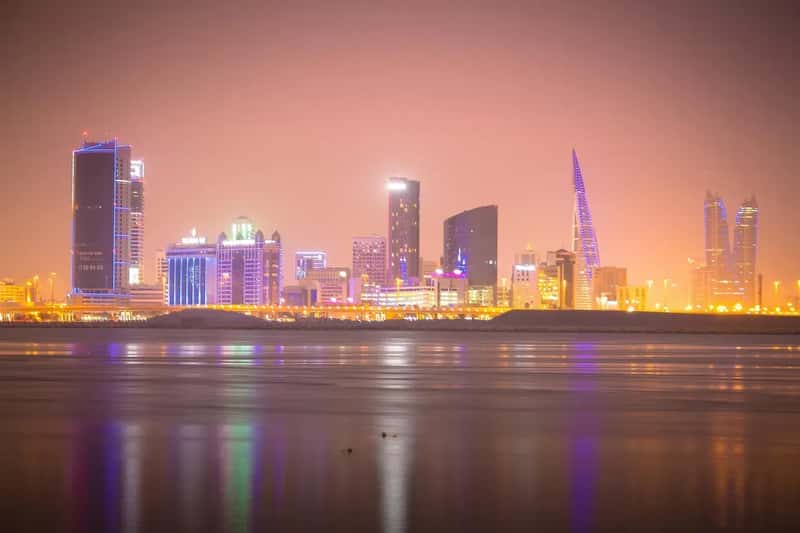
Bahrain lacks Dubai’s flash or Saudi Arabia’s scale. That works in its favor. This island nation maintains stability and safety that surprises most first-time visitors who associate the Gulf region with conflict.
Tourism remains relatively light, which keeps crime minimal. The government invests heavily in security infrastructure. Expat communities thrive here, drawn by job opportunities and a quality of life that includes genuine personal security.
Regional tensions occasionally flare, true. Internally, though, Bahrain operates smoothly. Walking through Manama’s souks or along the corniche rarely triggers the vigilance required in many world capitals.
Georgia: Where Europe Meets the Caucasus
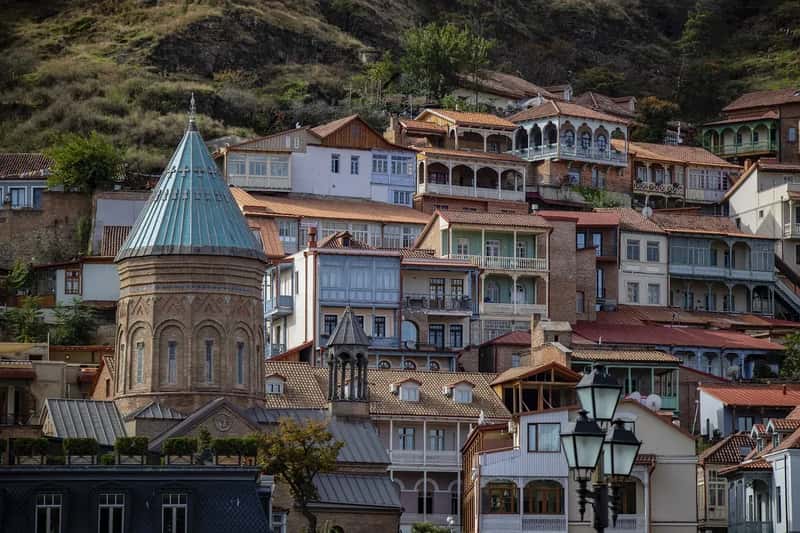
Tbilisi has become a hotspot for digital nomads, and safety is a major reason why. Countries with historically stable elections include Sweden, Canada, New Zealand, Switzerland, and Norway, and while Georgia isn’t in that elite tier politically, its day-to-day safety exceeds expectations.
Violent crime against tourists is virtually nonexistent. Georgians take hospitality seriously – culturally, guests are considered sacred. That tradition translates into protective attitudes toward visitors. Scams exist, mostly involving taxi drivers, though nothing compared to many European capitals.
The country’s location near Russia raises geopolitical concerns. Domestically, however, life proceeds peacefully. Wine country, mountain villages, and Black Sea beaches all offer experiences where personal safety never becomes a concern.
Oman: Arabia’s Tranquil Corner
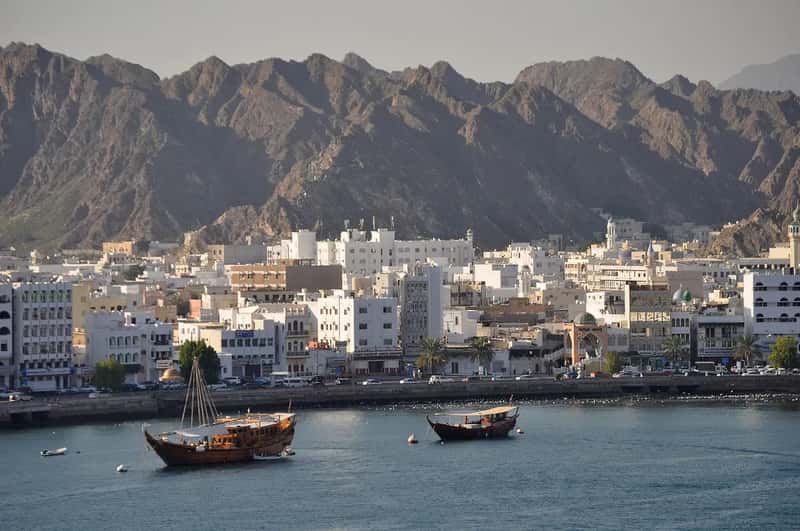
Oman might be the Middle East’s most underestimated destination for safety. Many countries in Asia and the Middle East rank highly in perceptions of safety, and Oman deserves specific mention. The sultanate maintains neutrality in regional conflicts, creating internal stability.
Crime rates stay exceptionally low. Theft is rare, violence even rarer. Muscat, the capital, combines stunning architecture with a relaxed atmosphere where tourists wander freely. Solo women travelers consistently report positive experiences.
Desert camping, mountain trekking, coastal exploration – all proceed without the security paranoia required in many countries. Omani culture emphasizes peace and hospitality, backed by effective governance that keeps those values intact.
France: The Fading Reputation
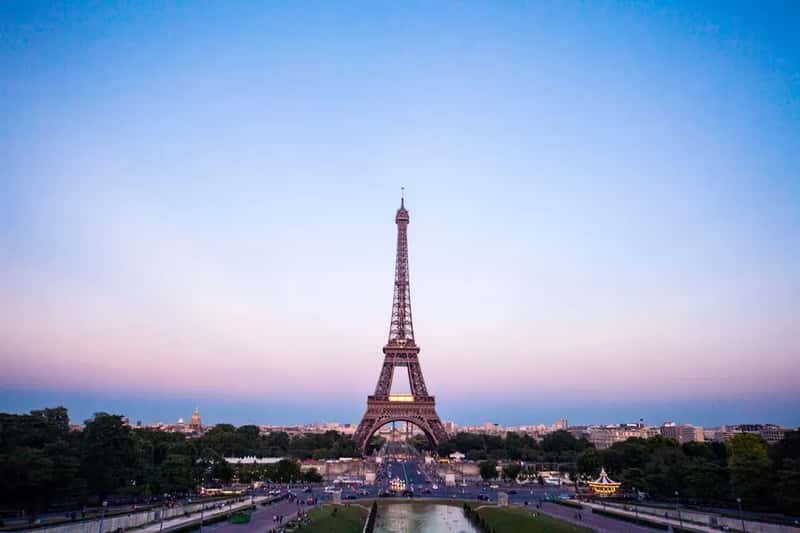
This one stings to write. France has long been synonymous with culture, sophistication, romance. France ranked 80th globally and 34th in Europe, facing challenges related to social unrest, the lingering threat of terrorism, and extreme summer weather. That’s a dramatic fall from grace.
European countries that experienced issues in 2024 and could see continuing effects in 2025 include France, according to risk analysis. Paris, once the world’s most visited city, now struggles with organized crime, pickpocket gangs, and periodic protests that turn violent. Areas around Gare du Nord feel genuinely unsafe after dark.
Smaller cities fare better – Lyon, Bordeaux, Toulouse maintain charm and reasonable security. Paris itself, though, has declined. Tourist scams proliferate. Police seem overwhelmed. The gap between France’s romantic image and ground reality has widened considerably.
Mexico: Beauty Masking Danger
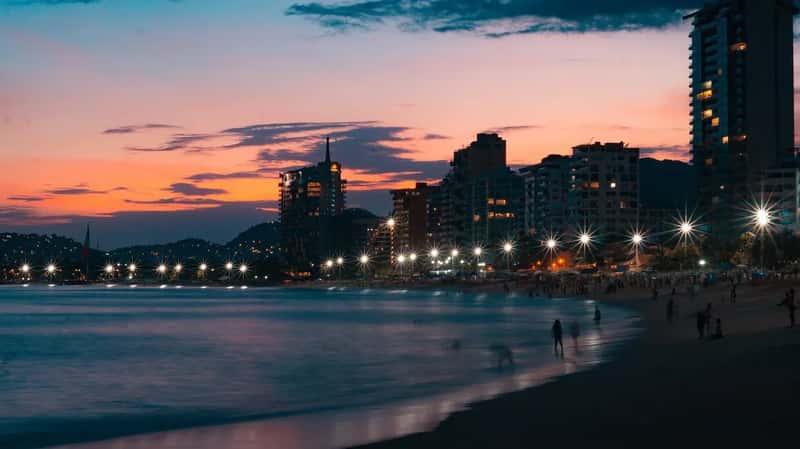
Mexico’s tourism industry works overtime promoting beach paradises and ancient ruins. Those places exist and remain stunning. Gang violence continues to drive conflict, with Mexico ranking among the top 10 countries with the most severe violence in the world.
Mexico has a criminality score of 7.7 in the Global Organized Crime Index, reflecting cartels’ pervasive influence. Resort areas like Cancun or Los Cabos maintain security bubbles, yet violence simmers nearby. Venture outside tourist zones and risk escalates dramatically.
Acapulco and Los Cabos faced higher risks from cartel violence in recent assessments. Kidnappings, extortion, turf wars – these aren’t rare occurrences. They’re daily realities in many states. Mexico’s staggering natural beauty and cultural wealth can’t mask the legitimate safety concerns travelers face.
South Africa: A Nation Divided by Safety
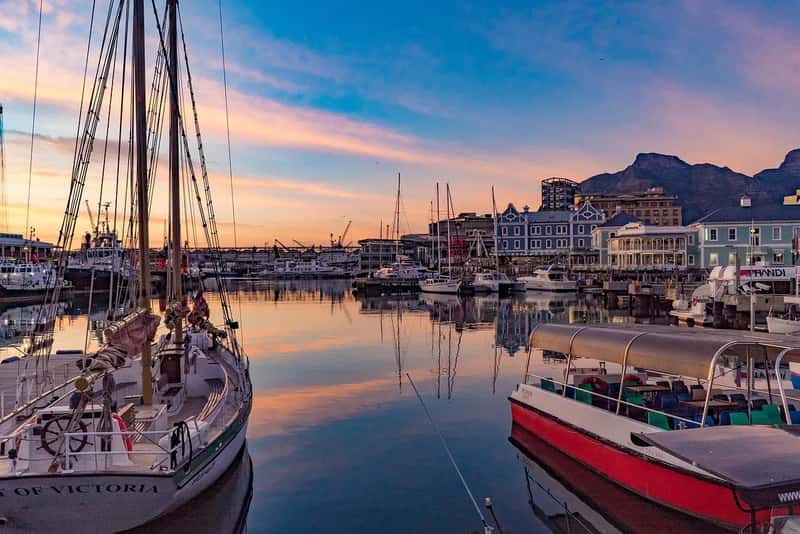
South Africa ranks as the least safe country in the world according to Gallup’s perceptions data. South Africa has a Numbeo Crime Index placing it among countries with the highest crime levels. Those statistics don’t tell the whole story, though they reveal a harsh truth.
Cape Town and Johannesburg offer world-class experiences – museums, restaurants, wine country, safari access. They also harbor extreme inequality that fuels violent crime. Citizens face the risk of robbery or assault, given a highly ineffective policing system.
Township tours, stunning as they might be culturally, carry real danger. Carjackings occur in broad daylight. Home invasions plague even affluent neighborhoods. South Africa’s safety crisis doesn’t affect everyone equally – wealthy visitors in guarded compounds may never encounter trouble. For many residents and less insulated travelers, though, the threat is constant.
Safety isn’t about avoiding the world. It’s about understanding it clearly. Some places deserve their difficult reputations, while others suffer from outdated perceptions that no longer match reality.
The eight safer countries here share common threads: effective governance, low corruption, community cohesion. They’ve invested in infrastructure and systems that protect residents and visitors alike. Meanwhile, the three more dangerous nations struggle with organized crime, institutional failures, or both.
As you plan your next journey, look beyond headlines. Check current data. Talk to recent travelers. The world’s safety landscape shifts constantly, and 2026 brings its own unique map. Did any of these surprise you? What would you add to either list?