Travel planning used to feel straightforward. Pick a destination, book your flight, maybe check the weather forecast. Not anymore. Right now, as you’re reading this in early 2026, crossing borders has gotten significantly more complicated for millions of travelers worldwide. Some nations have quietly tightened their rules, while others have thrown up walls almost overnight.
The shift happened fast, honestly. Between mid-2025 and the opening weeks of 2026, governments around the globe rolled out sweeping immigration changes that caught even seasoned travelers off guard. Some countries cite security concerns, others blame overstays or fraud, and a few point to resource management as their justification. Whatever the reasoning, the reality is the same: destinations that were once easy to reach now demand extra paperwork, longer waits, or steeper fees. Let’s dive in.
United States (Expanded Travel Ban)
The United States imposed either full or partial visa restrictions on nationals of 39 countries effective January 1, 2026. This massive expansion is probably the most dramatic shift in global travel policy this decade. Countries facing full suspension include Afghanistan, Burma, Burkina Faso, Chad, Republic of the Congo, Equatorial Guinea, Eritrea, Haiti, Iran, Laos, Libya, Mali, Niger, Sierra Leone, Somalia, South Sudan, Sudan, Syria, and Yemen.
Partial suspensions apply to Angola, Antigua and Barbuda, Benin, Burundi, Cote D’Ivoire, Cuba, Dominica, Gabon, The Gambia, Malawi, Mauritania, Nigeria, Senegal, Tanzania, Togo, Tonga, Venezuela, Zambia, and Zimbabwe for tourist visas and student exchange visas. That’s not just a list of countries. It’s millions of people suddenly locked out of the American dream, whether for education, tourism, or family visits. The proclamation does not apply to those who are physically present in the United States on January 1 or have a valid visa on that date, but anyone planning new travel faces significant hurdles.
United States (Public Charge Immigrant Visa Pause)

Here’s something fewer headlines covered but equally impactful. Effective January 21, 2026, the Department of State paused immigrant visa issuances for nationals of 75 countries, including Afghanistan, Albania, Algeria, Bangladesh, Brazil, Colombia, Egypt, Ethiopia, Ghana, Morocco, Nepal, Nigeria, Pakistan, Russia, Thailand, and many others.
A November 2025 State Department cable instructed consular officers to enforce sweeping new screening rules under the so-called public charge provision, denying visas to applicants deemed likely to rely on public benefits based on health, age, English proficiency, finances and potential need for long-term medical care. Immigrant visa applicants who are nationals of affected countries may submit visa applications and attend interviews, and the Department will continue to schedule visa interviews, but processing has essentially frozen. Families waiting to reunite face indefinite delays.
United States (Interview Requirements and Third-Country Stamping)
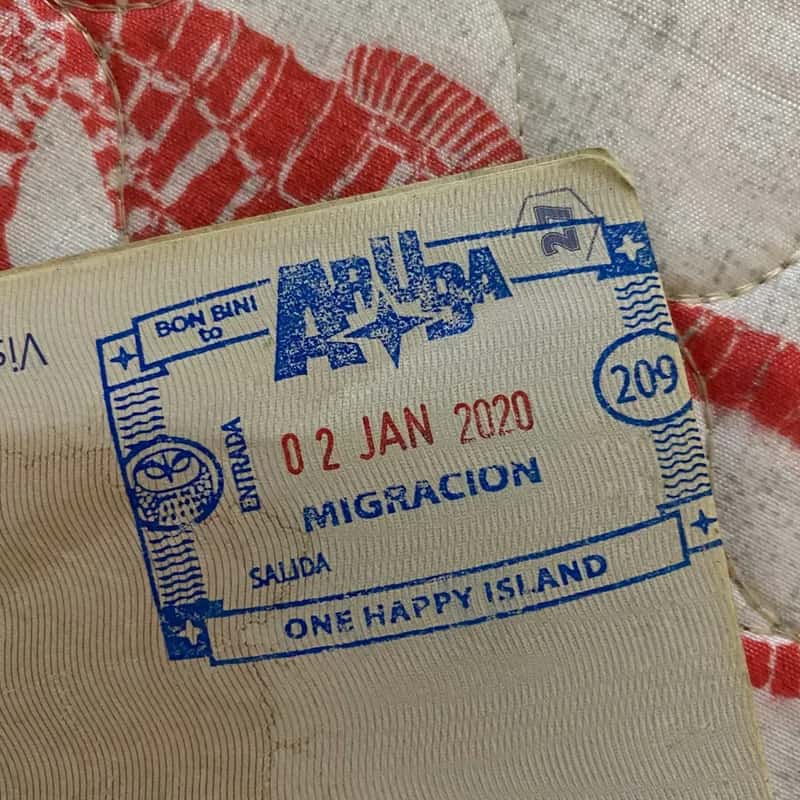
Even if you’re not from one of those banned or paused nations, traveling to America got trickier. In July 2025, the State Department announced that most visa categories would no longer be eligible for any form of interview waiver starting in September, requiring nearly all applicants including H-1B workers, H-4 dependents, L-1 transferees, and F-1 and J-1 students to attend an in-person visa interview for renewal.
Simultaneously, third-country stamping effectively ended in September 2025, with the policy change making clear that nonimmigrant visa applicants are expected to apply for their visas in their country of nationality or residence. For professionals who used to pop over to Canada or Mexico for quick visa renewals, that shortcut vanished. U.S. consulates in high-volume countries were quickly overwhelmed by the new demand for in-person appointments, causing wait times to balloon, with a process that previously took two to three weeks by mail now often requiring booking an interview several months in advance. It’s a bureaucratic nightmare.
United States (Visa Validity Restrictions)
Effective July 8, 2025, the Department of State updated visa validity and number of entries to the U.S. for more than twenty countries including Angola, Benin, Burkina Faso, Cambodia, Cameroon, Ethiopia, Ghana, Nigeria, Tanzania, Uganda, Zambia, and Zimbabwe, with F-1, J-1, H-1B, and other visa types issued on or after July 8, 2025 to citizens of these countries now valid for only 3 months with single entry to the United States.
That’s stunning when you think about it. A student visa that once lasted years now expires in three months. One single entry. Students and scholars with visas issued on or after July 8 need to carefully plan travel to and from the U.S. during their period of study. Any trip home for a family emergency could mean losing your spot at university.
Canada (Student Visa Caps)
Canada has long been a welcoming destination for international students, but in 2025 it pulled the handbrake. Canadian immigration introduced a 2-year cap on study permits for international students, limiting new study permits issued in 2024 to 3,60,000 per year which is nearly 35% less than in 2023, with the student visa cap for the years 2025 and 2026 further reduced by 10% for each year.
Additionally, Canada ended the SDS scheme post November 2024 that allowed international students to apply for a student visa through a fast track and simple process, with their study permit application processed in under 20 days, requiring all international students to now apply for study permits through the regular process. Plus, IRCC revised its post-graduate work permit eligibility criteria for international students effective November 1, 2024, with college graduates in Canada now required to have completed their studies in an eligible field of study including Agriculture, Healthcare, STEM-based courses, skilled trades, and transportation. The message is clear: we want fewer of you, and only if you study what we need.
Australia (Student Enrollment Cap)
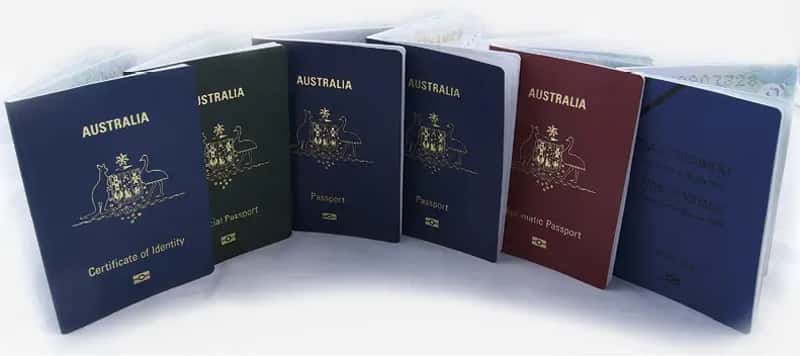
Down under followed a similar path. The Australian Government introduced a new cap for international students seeking studies in Australia in 2025, with overall Australia’s new cap for international student enrollment set at 2,70,000, effective from January 1, 2025. That’s roughly a third of the country’s universities suddenly competing for a limited pie.
The government replaced Genuine Temporary Entrant (GTE) requirements with the new Genuine Student (GS) requirements for international students from March 23, 2024, which includes several targeted questions to be answered by students that can help them evaluate their genuine interest in studying in Australia. Let’s be real: it’s harder screening to weed people out. An increased score is required as per the changes in English proficiency requirements for international students applying for Australian student visas post-March 2024. Even the language bar got raised higher.
United Kingdom (Electronic Travel Authorization)
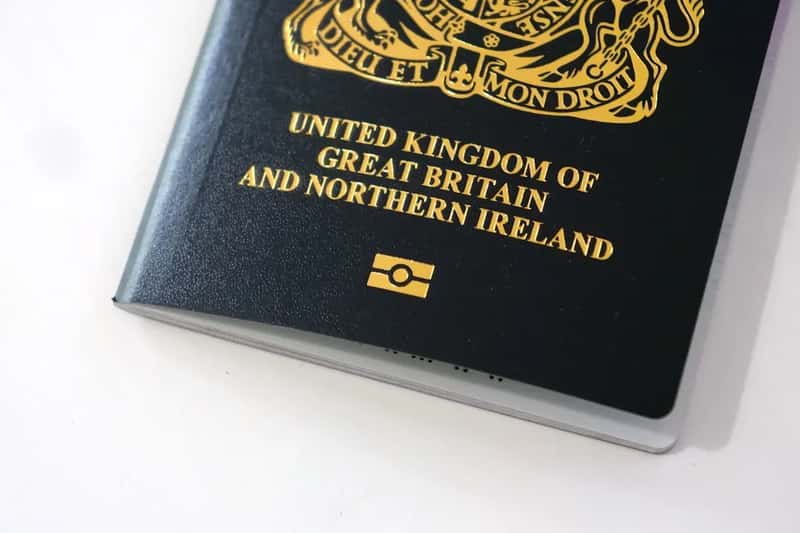
Visitors to the UK need an Electronic Travel Authorisation (ETA) if they do not need a visa for short stays of up to six months, and from 25 February 2026 eligible visitors without an ETA will not be able to board their transport and cannot legally travel to the UK. ETA applications opened for nationals of non-European countries on 27 November 2024 for travel from 8 January 2025, and for nationals of European countries on 5 March 2025 for travel from 2 April 2025.
An ETA costs £16 (that fee jumped from the original £10), and it is valid for multiple entries for two years or until the applicant’s passport expires, whichever is sooner. The system itself mirrors the U.S. ESTA, but implementation hasn’t been smooth. Travel forums are full of complaints about the scanning app failing repeatedly, and decisions are sent to the applicant by email, usually within three working days. Last-minute travelers beware.
Europe (Entry/Exit System and ETIAS Coming Soon)
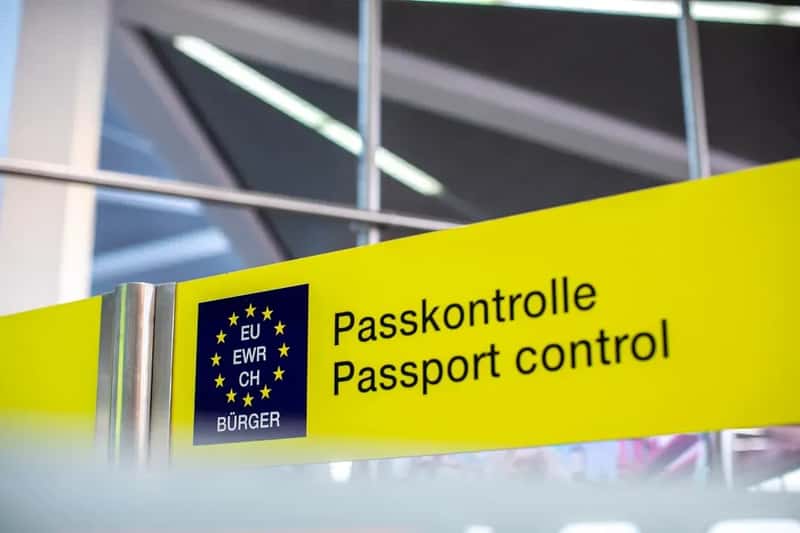
Europe is rolling out two major changes that will reshape how visitors enter the continent. The official EU website states that the Entry/Exit System will commence progressive introduction from October 12, 2025, with full implementation by April 10, 2026, eventually reaching 100% by April 10, 2026. As of October 12, 2025, U.S. citizens need to go through the EU’s new Entry and Exit System when traveling to 29 European countries for any visits lasting up to 90 days within a 180-day period, with fingerprints, facial image, passport details, and entry and exit dates collected upon entry and stored digitally.
Then comes ETIAS. It is scheduled to come into force in the last quarter of 2026, approximately a year after implementation of the Entry/Exit System, with the European Council announcing that ETIAS is likely to be launched in the last quarter of 2026. The application fee will be €20 for travellers between ages 18 and 70, and authorisations will be valid for three years or until the expiry date of the passport, whichever comes first. EU authorities stated that ETIAS will be subject to a transitional period during the first six months after ETIAS commences where any traveller will be able to enter without an ETIAS travel authorization, subject to satisfying all other entry requirements. Still, by early 2027, it’ll be mandatory.
Nigeria (Partial U.S. Travel Restrictions)

Nigeria deserves special mention as Africa’s most populous country. The Department of State partially suspended visa issuance to nationals of Nigeria for nonimmigrant B-1/B-2 visitor visas and F, M, J student and exchange visitor visas, and all immigrant visas. Considering Nigeria had a thriving student population in American universities and deep business ties, this restriction stung.
The United States granted 3,691 visas to travelers from Mali between May 2024 and April 2025, which gives you a sense of how many people these bans affect annually. Nigeria’s numbers were exponentially higher. Families separated, students stranded mid-program, entrepreneurs unable to close deals. The economic and human toll is staggering, yet the policy remains in place citing security and vetting concerns.
Conclusion
Traveling in 2026 feels different than it did just a year ago. The enthusiasm of booking a flight now comes bundled with spreadsheets of requirements, weeks of waiting for approvals, and a gnawing uncertainty about whether you’ll actually make it across the border. Countries are tightening their grip on who enters, how long they stay, and what they do while there. Security concerns blend with political agendas, economic anxieties fuel restrictions on students and workers, and digital systems replace human judgment.
For travelers, the lesson is stark: plan earlier, apply sooner, and expect complications. The era of spontaneous international travel is fading, replaced by a world of digital authorizations, biometric scans, and bureaucratic gauntlets. Whether these policies make nations safer or simply more isolated remains hotly debated. What’s certain is that crossing borders in 2026 demands more patience, more paperwork, and more money than ever before. Keep your documents organized, check policy updates obsessively, and always have a backup plan. The world is still out there waiting to be explored, but the path to it just got a whole lot rockier.