Divorce has a way of rearranging everything at once: the house, the routine, the sense of who you are outside a marriage. For a growing number of people, the response to that upheaval isn’t just a new apartment across town but a new country altogether. It’s not about running away so much as choosing, deliberately, where the next chapter gets written, and in 2026 there are more workable paths to doing that than ever before.
The four countries below aren’t picked for scenery alone. Each one offers a legal, affordable way to actually relocate, whether through a retirement visa, a digital nomad permit, or a residency program that doesn’t demand a fortune to qualify.
Portugal: a slower pace with a clear legal path

Portugal keeps showing up on relocation lists for a reason that has little to do with trends. The country’s D7 visa, often called the passive income visa, requires proof of a steady income of just €920 per month, totalling around €11,040 per year for a single applicant. That’s a modest bar compared to many European alternatives, and it opens the door to a two year residence permit that can eventually lead to permanent status.
Life on the ground is where Portugal really earns its reputation for a fresh start. As of mid 2026, the cost of living in Portugal is 31 percent lower than in the USA, including rent, and almost 27 percent lower than in the UK. A single person settling in Lisbon should still plan carefully, since a single expat living in Lisbon should budget at least €2,000 per month to cover rent, utilities, groceries, and leisure. That’s real money, but it buys a smaller, calmer version of city life than most newly divorced Americans or Brits are used to paying for.
Costa Rica: stability, healthcare, and no rush to prove yourself

Costa Rica has spent decades building a reputation as one of the more welcoming corners of Latin America for people rebuilding their lives, and the numbers back that up. The country’s Pensionado program asks for a lifetime pension or retirement income of at least US $1,000 per month, while the Rentista option suits people without a pension but with other steady income, requiring a monthly income of at least US$2,500 for at least two years. Neither path demands an investment property or a business plan, which matters for someone who just went through a financial split.
What makes Costa Rica feel less like a gamble is the infrastructure already in place. The country is a stable constitutional democracy that abolished its military in 1948 and has universal healthcare, extraordinary biodiversity, two coastlines, and a cost of living that delivers a high quality of life at a fraction of equivalent costs in North America or Western Europe. Monthly budgets vary by location, but $1,500-3,000 depending on location covers a comfortable life that still includes access to that public healthcare system. It’s not the cheapest country on this list, but it may be the easiest one to feel settled in quickly.
Mexico: proximity, community, and a visa that doesn’t punish flexibility
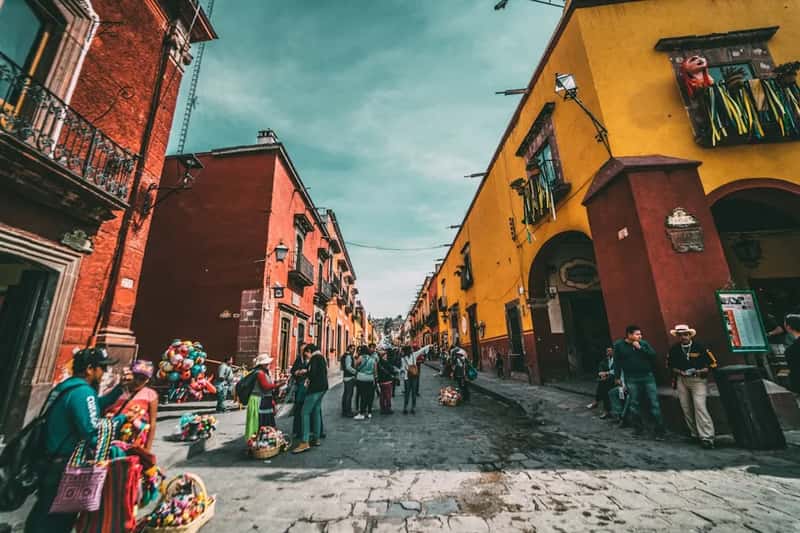
For anyone starting over who doesn’t want to cross an ocean, Mexico solves a practical problem: it’s close, flights are short, and returning for a custody hearing or a family visit doesn’t require a full day of travel. The Temporary Resident Visa allows foreigners to live in Mexico for more than 180 days and up to four years, with the option to renew or convert to permanent residency. As of 2026, qualifying generally means showing roughly US$4,400 per month in income (around 79,800 pesos), or roughly US$74,000 in savings and investments, a threshold that rose this year but remains achievable for many mid career professionals.
The appeal beyond paperwork is the built in community. Cities like Mexico City, Oaxaca, San Miguel, and Tulum already have large, established expat populations, which matters when you’re rebuilding a social life from scratch. Day to day costs stay manageable too, with a single expat needing $1,500 to $2,500 per month to live comfortably in popular Mexican destinations. It’s a country that lets you disappear into anonymity or lean into a ready made social scene, depending on what the moment calls for.
Spain: structure, sunshine, and two distinct paths depending on how you earn
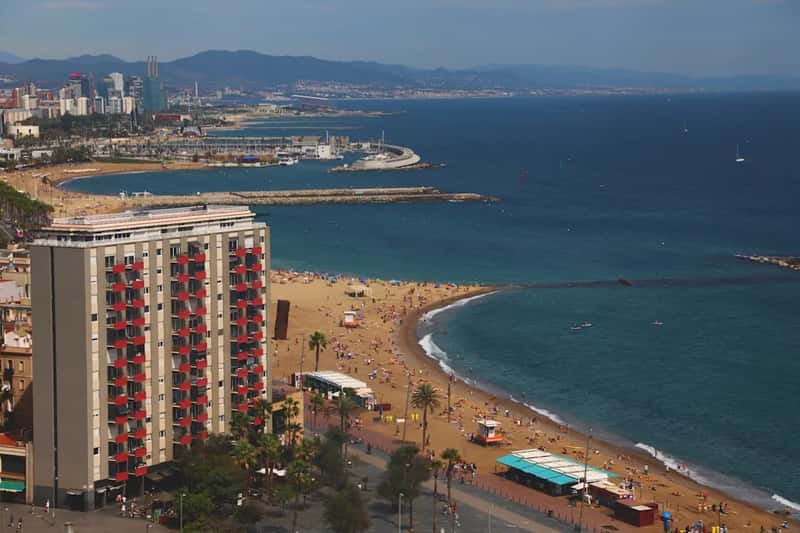
Spain splits its residency options cleanly along one line: are you still working, or are you living off savings and investments? The Non Lucrative Visa suits the latter group, requiring applicants to prove a baseline annual income of €28,800, or €2,400 monthly, though it comes with a firm catch, since the most significant downside is the absolute ban on working, meaning you cannot earn a salary, freelance, or operate a remote business while on this visa. For anyone who still needs to earn, the Digital Nomad Visa is the better fit, asking for a minimum income requirement of €2,850 per month in exchange for the right to keep working remotely.
Spain also rewards patience with tax incentives that many newcomers overlook. Under the Beckham Law regime, qualifying digital nomad visa holders can access a 24% flat rate on Spanish income for up to 4 years… instead of the standard progressive rates (up to 47%). Healthcare adds another layer of security, since private coverage typically runs between €50 and €100 per month for a healthy adult before residents eventually gain access to the public system. Between the Mediterranean pace of life and the tax structure built for remote earners, Spain suits people who want their fresh start to still feel financially productive.
Choosing the right fit

None of these four countries is objectively “the best,” because the right choice depends heavily on income source, distance from family, and how much bureaucracy someone has patience for after already going through a divorce. Portugal and Spain suit people drawn to European rhythms and willing to navigate more formal paperwork. Costa Rica and Mexico appeal to those who want lower costs, shorter flights home, and visa categories that don’t require years of savings to qualify.
What all four share is something less quantifiable: a functioning legal pathway to residency, a real expat community already in place, and a cost of living that makes a smaller income stretch further than it would back home. That combination, more than any beach or skyline, is usually what actually makes starting over feel possible.