Most people assume a golden visa is a rich person’s game, something that requires a seven-figure real estate purchase or a donation most families could never consider. That assumption made sense a few years ago, but the investment migration market has shifted quite a bit since 2024. Spain shut its program entirely, Greece tripled its entry price in popular areas, and the European Union effectively ended citizenship by investment altogether. Yet a handful of countries have moved in the opposite direction, keeping their doors open with thresholds that sit comfortably below six figures.
These programs are not always identical to the glossy European schemes that dominate headlines. Some are residency permits tied to a bank deposit, others involve a modest business investment or a real estate purchase in a specific price bracket. What they share is a genuine, verifiable path to legal residency, or in one case citizenship, for less than $100,000.
Latvia: Europe’s cheapest business route into the Schengen Area
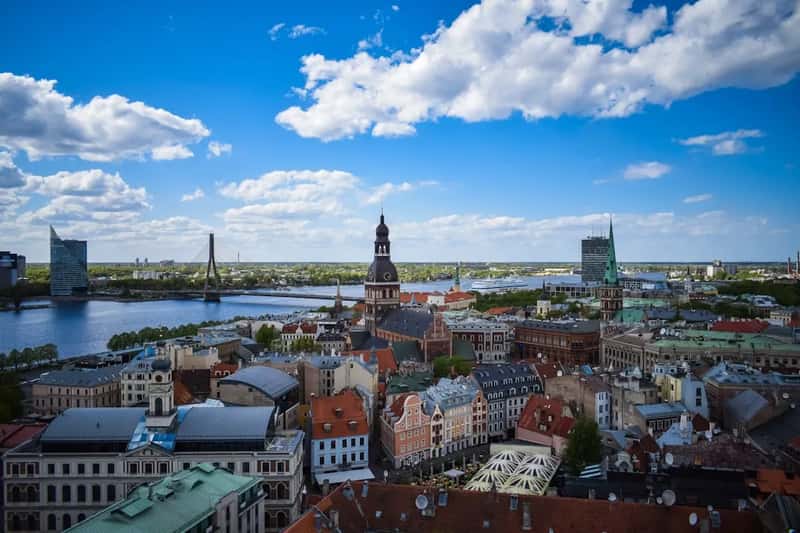
Latvia has held the title of the most affordable residency by investment program in the European Union for several years, and that has not changed heading into 2026. Its business investment route starts at €50,000, making it the most affordable Golden Visa option within the European Union in 2026. In dollar terms that works out to somewhere between fifty four thousand and sixty five thousand dollars depending on the exchange rate and which route an applicant chooses.
There is a catch worth knowing about before booking a flight to Riga. Latvia’s golden visa at roughly sixty four thousand five hundred dollars is the most affordable passive route to Schengen residence, though the underlying company must generate enough profit to cover €40,000 in annual corporate taxes. That tax requirement means the visa is not entirely passive, and applicants should budget for ongoing compliance rather than treating it as a one time payment. There is also a legislative change on the horizon, since Latvia’s Parliament approved amendments in June 2025 that, if enacted, take effect on January 1, 2027 and remove the real estate, securities, and deposit routes, leaving only the business investment.
Egypt: real estate residency starting at fifty thousand dollars

Egypt has quietly become one of the more accessible residency by investment markets in the Middle East and North Africa. Egypt’s residence-by-investment program starts at just $50,000 for a 1-year permit, making it one of the most affordable property-linked residency options in the region. A larger outlay buys a longer permit, since clients can secure residency by purchasing property with investments of $50,000 for a one-year renewable residency, $100,000 for a three-year renewable residency, or $200,000 for a five-year renewable residency.
There is also a bank deposit alternative for those who would rather not tie their money up in bricks and mortar. Under the bank deposit option, clients can obtain a one-year renewable residency with a deposit of $50,000 or a three-year renewable residency with a deposit of $100,000. Egypt is worth watching for another reason too. It sits on the E-2 investor visa treaty list with the United States, so Egyptian residency or citizenship can eventually open a secondary door into American business visas for those thinking several steps ahead.
The Philippines: retirement and investor visas from as little as ten thousand dollars

The Philippines runs one of the cheapest entry points into any long term residency program worldwide, through its Special Resident Retiree’s Visa. If you are age 50 or older, you need invest only $10,000, provided you have an individual pension of at least $800 per month. Without a qualifying pension the deposit rises, and SRRV Classic deposits run from $15,000 for applicants aged 50 and above with an $800 plus monthly pension up to $50,000 for those aged 40 to 49 without a pension.
The program was restructured fairly recently, so anyone researching it should check the latest rules directly. The minimum application age for new applicants has been lowered to 40, and deposit requirements are now structured based on age and whether the applicant receives a lifetime pension. For those who want an investment based route rather than a retirement one, the country also offers a Special Investor’s Resident Visa, and the SIRV investment requirement of $75,000 is higher than most SRRV categories but is not tied to an age restriction and provides the same permanent resident status.
Thailand: a membership style privilege visa under thirty thousand dollars

Thailand does not call its program a golden visa in the traditional sense, but the Thailand Privilege Visa functions much the same way, granting long term residency in exchange for a one time payment. The Gold tier, priced at roughly $26,000, grants a five-year visa and is the entry-level permanent option. An even cheaper entry point has existed on a limited basis, since a Bronze tier at roughly $19,000 was available as a limited-time offer, with Thailand Privilege extending Bronze applications to March 31, 2026.
Unlike the residency programs built around real estate or business capital, this one is closer to a subscription service. It does not lead to permanent residency or citizenship on its own, which is an important distinction for anyone building a longer term mobility plan. Thailand Privilege offers no path to permanent residency or citizenship at all and is a purely transactional arrangement, granting legal residence in exchange for capital, with the relationship ending there. For travelers who mainly want extended, hassle free stays in Thailand without dealing with visa runs, that trade off is often perfectly acceptable.
São Tomé and Príncipe: a new citizenship route under one hundred thousand dollars
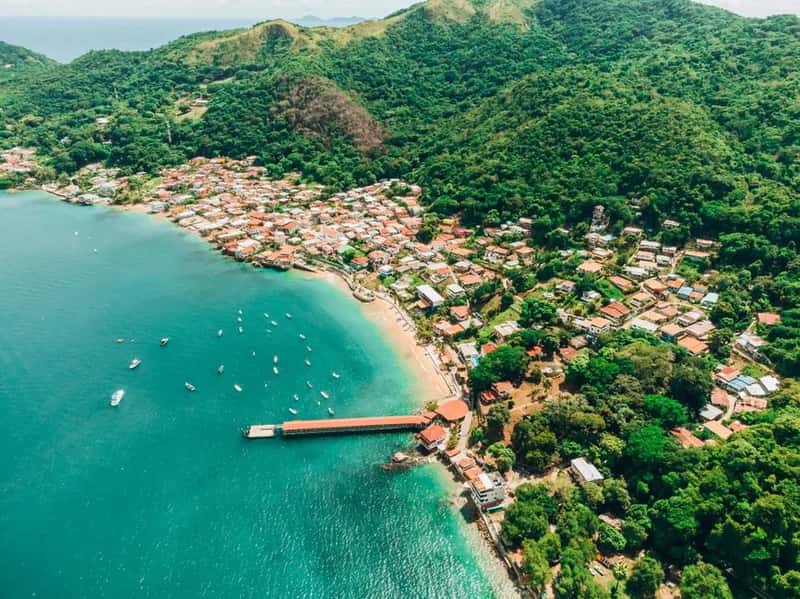
This small West African island nation launched one of the newest programs in the entire investment migration industry, and it happens to be one of the cheapest anywhere in the world for full citizenship rather than mere residency. São Tomé and Príncipe launched its citizenship by investment programme in 2025, with investors obtaining full citizenship by making a non-refundable contribution to the National Transformation Fund, which finances infrastructure, education and renewable energy projects. The pricing sits right at the edge of the six figure mark. The minimum contribution starts at $90,000 for a single applicant, with family applications starting from $95,000.
Speed is arguably the biggest selling point here compared with the slower European programs. The process can take as little as 2 months, and there is no requirement to reside in or visit São Tomé and Príncipe during the application process. That combination of low cost, fast turnaround, and no residency obligation makes it an outlier worth knowing about, even though the country itself remains a lesser known name on most people’s travel maps. As with any newer program, it is worth watching how due diligence standards and visa free travel agreements develop over the coming years, since younger citizenship schemes tend to draw more scrutiny from larger nations early on.
What these five programs have in common, and where they differ
Looking across Latvia, Egypt, the Philippines, Thailand, and São Tomé and Príncipe, the common thread is flexibility rather than uniformity. Some of these are true residency programs with eventual paths toward permanent status or citizenship, while Thailand’s offering is essentially a long stay privilege with no such pathway. Egypt and the Philippines both scale their pricing by tier, so the headline figure is really just a floor rather than a fixed cost.
The bigger picture matters too, since the overall market has narrowed sharply in the past two years. Spain closed its Golden Visa entirely in April 2025, the European Court of Justice ruled that Malta could no longer sell citizenship, Greece tripled its entry price in the most popular areas, and the five Caribbean nations agreed on a shared $200,000 minimum. Against that backdrop, the five programs above stand out precisely because they have not followed the same trend toward higher thresholds, at least not yet.
Final thoughts
None of these five options are a substitute for proper legal and tax advice, since residency rules, holding periods, and reporting requirements vary enormously from one country to the next. Still, they show that the idea of a golden visa priced for the merely comfortable, rather than the extremely wealthy, is not a myth. Whether the goal is a Schengen foothold through Latvia, a low cost retirement base in the Philippines, or a fast, no visit required passport from São Tomé and Príncipe, the common denominator is that geography and lifestyle goals matter just as much as the price tag on the application form.