Bread is supposed to be the cheapest thing in the grocery store, the item you grab without checking the price tag. Yet in a handful of places around the world, that assumption falls apart completely. A simple 500-gram loaf, the kind you’d pay less than a dollar for in much of the world, can cost the equivalent of a fast food meal in these locations.
The reasons vary from place to place, but a common thread runs through most of them: geography. When a country or territory has to ship in nearly everything it eats, even the most basic staples end up carrying a price tag shaped by fuel costs, tariffs, and the sheer distance between the wheat field and the dinner table.
1. Djibouti
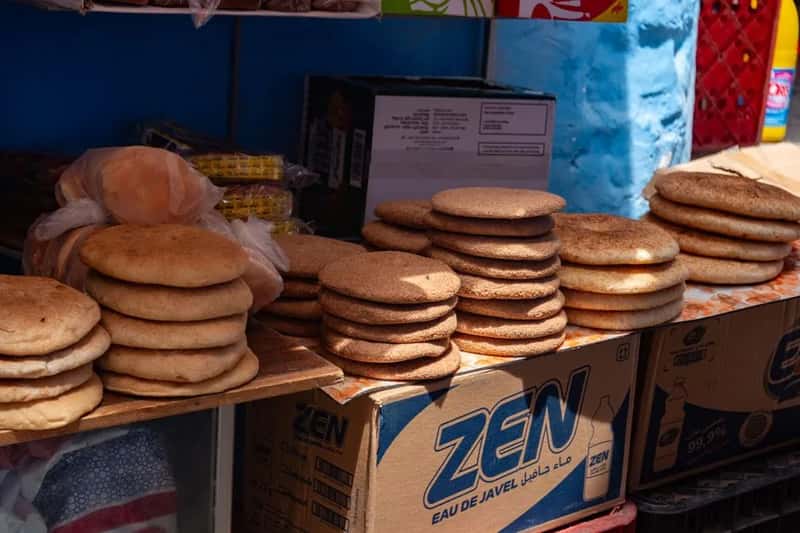
Djibouti sits at the top of the list, and by a wide margin. According to an analysis released around World Bread Day in October 2025, a loaf of bread in Djibouti costs $9.53[1], making it the single most expensive place on earth to buy this everyday staple. That’s not a typo or a rounding error, it’s roughly ten times what the same loaf costs in many parts of the world.
The explanation comes down to dependency. The most expensive bread is sold in the African country of Djibouti, where the price of bread is about 134 thousand soms[2], and prices are high in this country due to its heavy dependence on food imports, especially wheat[2]. Djibouti grows almost no wheat domestically, so every loaf effectively arrives by ship, with shipping costs, currency conversion, and handling fees stacked on top before it ever reaches a shelf.
2. Bermuda
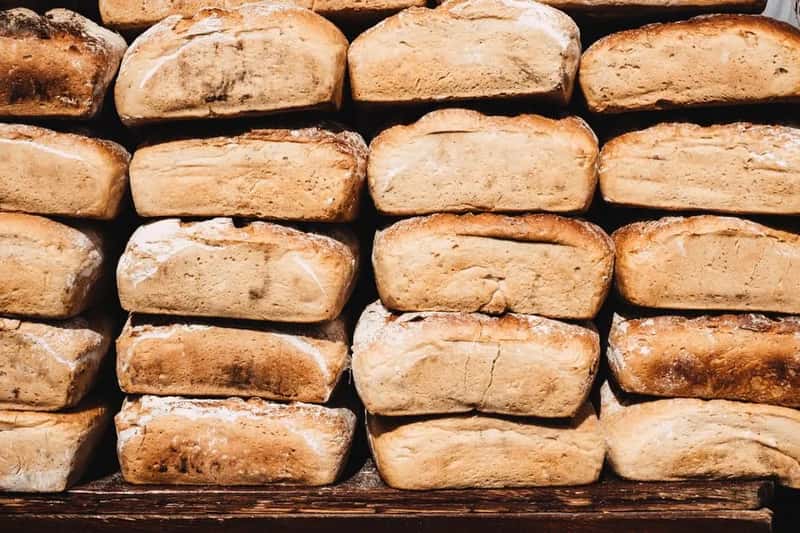
Bermuda lands in second place globally, with bread priced at $8.61[1] according to the same World Bread Day comparison. This lines up with other long-running data sets, since older World Bank figures also placed the highest value in Bermuda at 318.48 index points[3] on the global bread and cereal price index, a figure that has held up as one of the most extreme in the world for years.
Bermuda’s situation is a textbook case of island economics. As one analysis of the index put it, a heavy reliance on imports for nearly all consumer products, including flour and other baking ingredients, is a primary driver of high costs[4], and the expenses associated with shipping, handling, and import tariffs are passed directly to the consumer[4]. Add in an economy built around tourism and finance, which contributes to a generally high cost of living and inflated prices for everyday items[4], and a basic loaf starts to look like a luxury good.
3. Cayman Islands
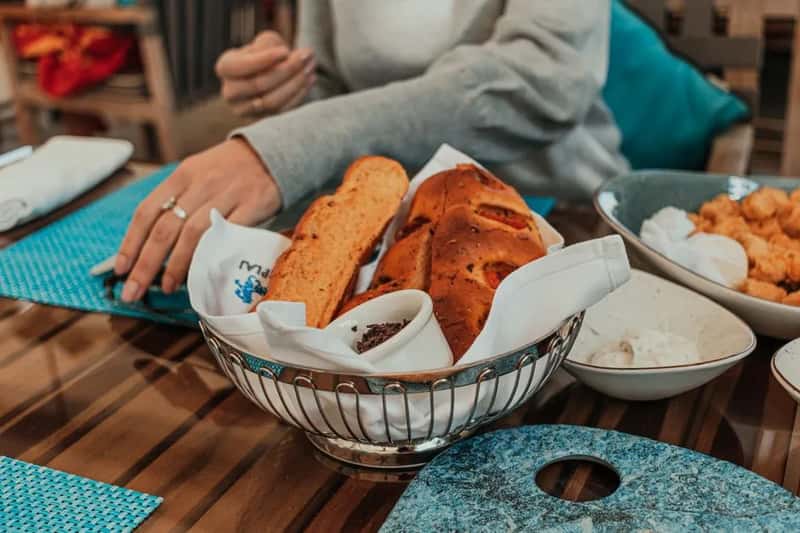
The Cayman Islands come in third, with a loaf running about $6.36[1]. That’s still a steep multiple of the global average, and it fits the same pattern seen across most of the Caribbean’s wealthier island territories, where nearly every packaged food item has to clear customs before it reaches a store shelf.
Bread price researchers have grouped the Cayman Islands with Bermuda as prime examples of this dynamic, noting that many of the territories with the highest bread prices are small, remote islands such as Bermuda, the Cayman Islands, and the British Virgin Islands, and their geographical isolation creates significant logistical hurdles for supplying basic goods[4]. The islands import flour, yeast, and often the finished baked product itself, which multiplies the number of hands, and markups, a loaf passes through before it’s sliced.
4. Monaco
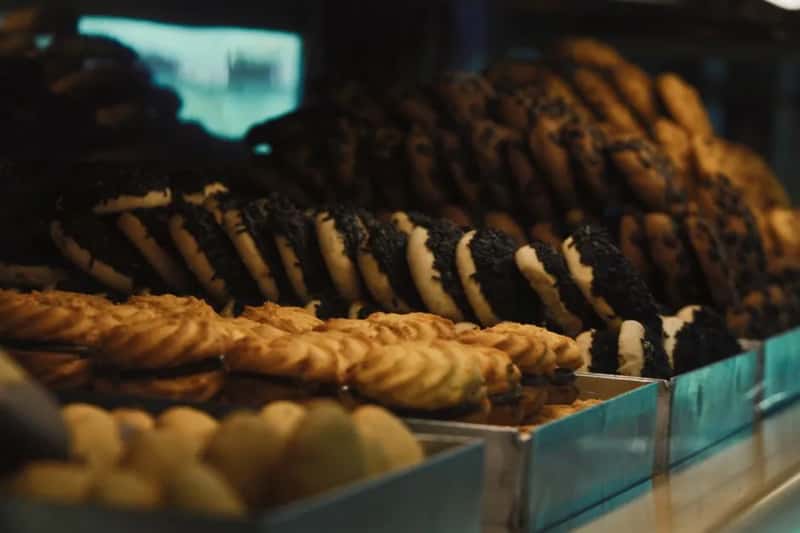
Monaco rounds out the top half of the list at roughly $5.37[1] per loaf, according to the same global comparison. Unlike the island territories above it, Monaco’s high prices aren’t primarily about shipping logistics, they’re about land, wealth, and scale.
The principality is barely two square kilometers, has essentially no agricultural land, and carries one of the highest costs of living anywhere in Europe. Every square foot of retail space in Monaco competes with some of the priciest real estate on the continent, and that overhead finds its way into the price of everything sold there, bread very much included.
5. Bahamas
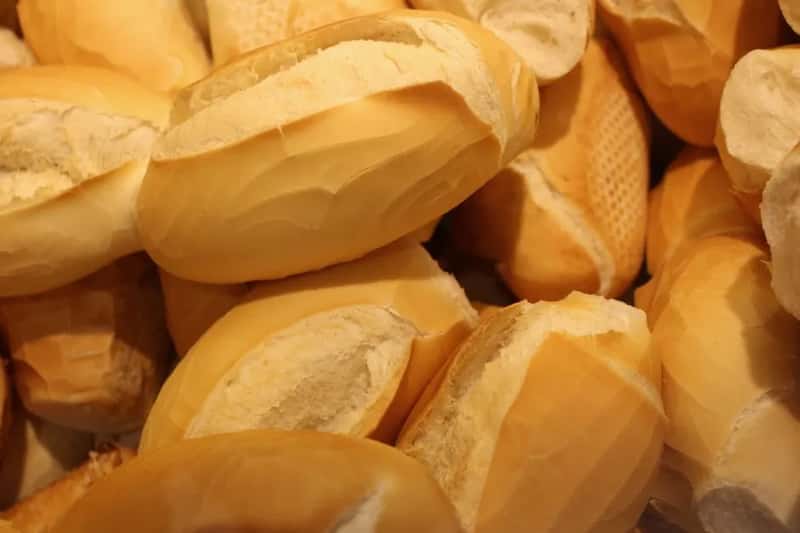
Closing out the top five is the Bahamas, where a basic loaf costs approximately $5.26[1]. Like its Caribbean neighbors, the Bahamas imports the overwhelming majority of its food, since the archipelago’s soil and climate aren’t suited to producing wheat at any meaningful scale.
The Bahamian economy leans heavily on tourism, which keeps overall prices elevated across the board, from hotel rooms to hardware to groceries. When a container ship’s fuel costs rise or an import duty shifts, the effect shows up quickly on supermarket shelves, and bread, being a near-daily purchase for most households, is one of the more visible casualties.
What ties these places together
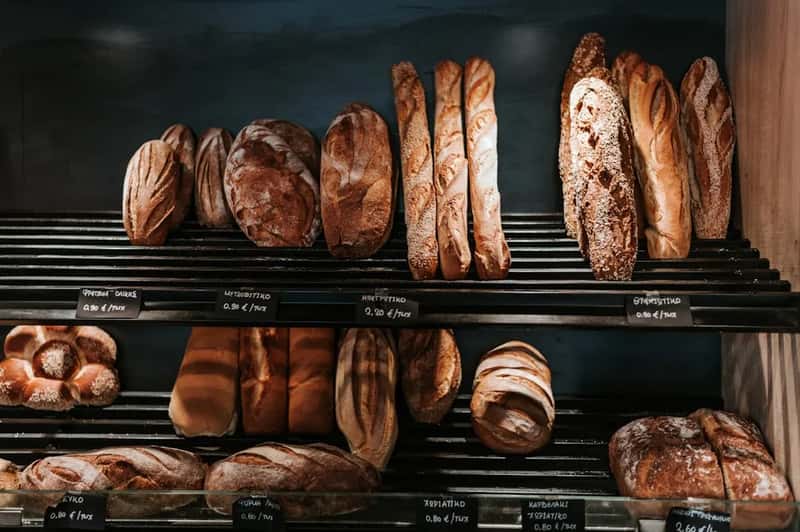
Look closely at this list and a pattern jumps out immediately. Four of the five entries are islands or small coastal territories with little to no domestic wheat production, and the fifth, Monaco, is essentially a city state with no farmland at all. In contrast, countries with large-scale domestic agriculture or government subsidies on staple foods tend to have much lower prices[4], which explains why bread stays cheap in wheat-producing nations even when other costs of living climb.
It’s also worth noting how differently the “most expensive” ranking can look depending on the data source and the exact basket of goods measured. Some indexes place wealthy European nations like Switzerland and Iceland near the very top, since Japan, Switzerland, and South Korea are found near the top of the list, where high bread prices are more closely linked to high wages, robust economies, and strong currencies[4] rather than shipping costs. Either way you slice it, the world’s priciest loaves tend to come from places that either can’t grow their own wheat or simply have very little room, and very high costs, to work with.