You’re on a dream trip through Europe. Bags packed, itinerary planned, excitement levels through the roof. The train is pulling into the station and you’re juggling your phone, your ticket, maybe a coffee. Then it happens. The wallet is gone. The phone, too. Welcome to a travel nightmare that thousands of tourists live through every single year on this continent.
Pickpocketing across Europe is not some rare, unlucky event. It’s organized, systematic, and it’s getting worse. The stations on this list aren’t just busy transit hubs, they’re hunting grounds. Let’s dive in.
Why Train Stations Are the Perfect Hunting Ground

Pickpockets tend to stick to high-traffic areas like metro stations, train platforms, and ticketed attractions where it’s easy to vanish into a crowd. Most thieves aren’t simply lucky opportunists – they’re organized. This is supported by Europol, which classifies pickpocketing under organized property crime, alongside motor vehicle theft, ATM attacks, and burglaries.
In some cases, thieves may even conceal tools under a jacket to aid in their theft, especially on subways and buses. Pickpockets may target unsuspecting travelers during holidays and peak travel seasons at train stations and airports.
Phones, wallets, and passports remain the most commonly reported losses, often disappearing during brief moments of distraction. Understanding where incidents occur most often helps travelers plan simple habits that keep valuables secure while still enjoying the world’s most visited destinations.
#1 – Roma Termini, Rome, Italy: The Undisputed Champion of Theft

Honestly, nothing on this list comes close to Rome Termini in terms of sheer volume and audacity of pickpocketing. A Censis safety report found that crime in central Rome rose by nearly a quarter over five years. Authorities recorded 33,455 pickpocketing incidents in 2024, averaging nearly 100 incidents per day. Because many petty thefts go unreported, the actual number is likely much higher.
Rome has seen a 12% increase in reported pickpocketing incidents from 2024 to 2025, with Termini station being a particular hotspot. Termini, with its labyrinthine exits, sees over 500,000 daily transits, a roughly one-fifth uptick from 2023 per Italian data from ISTAT.
Crowded public transport routes in big cities and the bustle of major rail stations like Roma Termini have long been pickpocket hotspots, as are the express airport trains in Milan, Rome, and even Pisa. Italy’s interior ministry announced the creation of a special police unit to combat metro pickpockets in Rome, Naples, and Milan. The special unit, named ‘Polmetro,’ is tasked with patrolling underground platforms and trains to thwart pickpocketing.
#2 – Gare du Nord, Paris, France: Busiest Station, Boldest Thieves
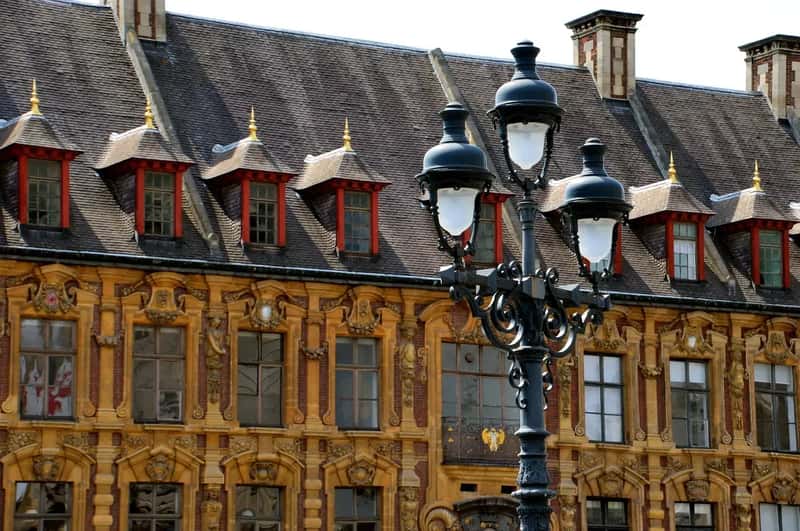
Founded in 1846 and subsequently rebuilt to accommodate ever-growing passenger traffic, Paris Gare du Nord is renowned as the third-busiest railway station in the world. That volume of footfall is precisely the problem. The U.S. Embassy in France published an elaborate travel advisory cautioning people about the many ways pickpockets operate in Paris, with metros being a common hunting ground. Paris remains infamous for pickpockets targeting tourists, with the U.S. State Department’s May 2025 advisory warning that pickpocketing and phone theft are common in crowded areas, while roughly 2,000 American travelers report their passports stolen or lost in Paris each year.
Stations like Châtelet and Gare du Nord, in particular, log dozens of thefts every day. Pickpockets in these areas might dump a stain on impending victims, and then offer to help clean up, only to swipe your belongings.
Paris is, in fact, the pickpocket capital of the world according to one analysis, with nearly one-sixth of all theft-focused reviews from the last year referring to the city, covering pickpocketing, fraud, and related incidents. In France, it is Paris where pickpocketing is concentrated, with 251 thefts per million visitors, according to Quotezone researchers.
#3 – Barcelona Sants, Barcelona, Spain: Where Nearly Half of All Crimes Are Theft
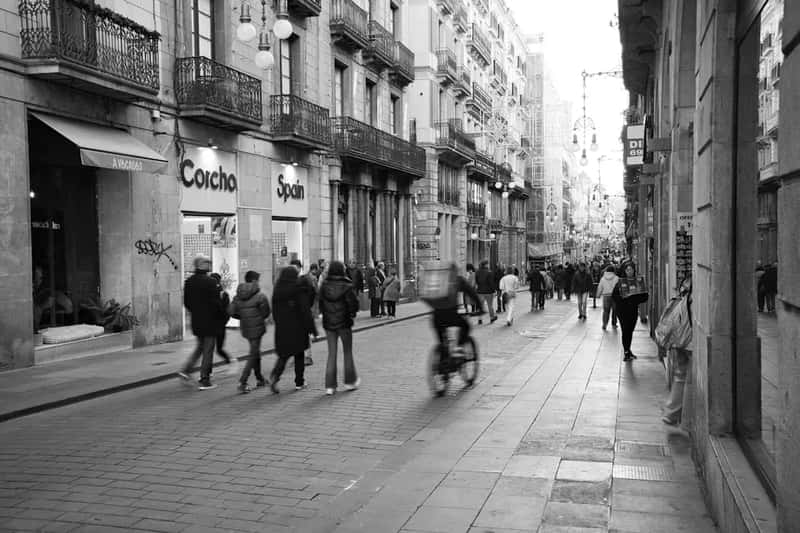
In Barcelona, theft still accounts for about six in ten crimes in the city, with a large share occurring on streets and public transport, according to the Catalan Interior Ministry, 2024. Risk areas include La Rambla, La Boqueria market, the metro, and around the Sagrada Família.
According to Info Barcelona, over 100,000 pickpocketing incidents occurred in Barcelona in 2023, which accounted for nearly half of all crimes that year. One of the hotspots you should be especially mindful of is La Rambla, a 1.2-kilometer pedestrian street that buzzes with street performers, markets, and selfie-hungry crowds.
The Catalan capital is known for the beauty of its attractions, but unfortunately also for its high rate of pickpocketing, especially in the busiest areas such as La Rambla. Many pickpockets work in groups, utilizing crowds triggered by street artists or markets. Barcelona Sants station, the city’s main rail hub, sits right at the center of this activity, funneling tens of thousands of distracted travelers through its doors every single day.
#4 – Milano Centrale, Milan, Italy: The Most Crime-Dense City in Italy

Milan often lives in Rome’s shadow when people talk about Italian pickpocketing, but the numbers tell a very different story. In Milan, 69.7 crimes per 1,000 residents were recorded in 2024, making it Italy’s city with the highest crime rate. In Rome, Naples, and Milan, metro stations and the areas around major train stations such as Milano Centrale are considered to be hotspots.
Milan’s charm is in its blend of high-end shopping and historic landmarks, which almost disguises the city’s persistent pickpocketing issue. In the first six months of 2023, police had 6,500 pickpocketing reports – a massive jump from the same period in 2022.
Think of Milano Centrale as a grand theatrical stage – beautiful neoclassical architecture up top, serious criminal activity down below near the platforms. Florence’s Uffizi Gallery and Milan’s Duomo also feature prominently in pickpocketing reports. The Trevi Fountain, Colosseum, and Milan’s Duomo remain hotspots where organized groups work quickly amid constant foot traffic. Theft also increases on popular rail routes, especially trains linking Rome with coastal areas.
#5 – Amsterdam Centraal, Amsterdam, The Netherlands: Canals, Culture, and Clever Hands
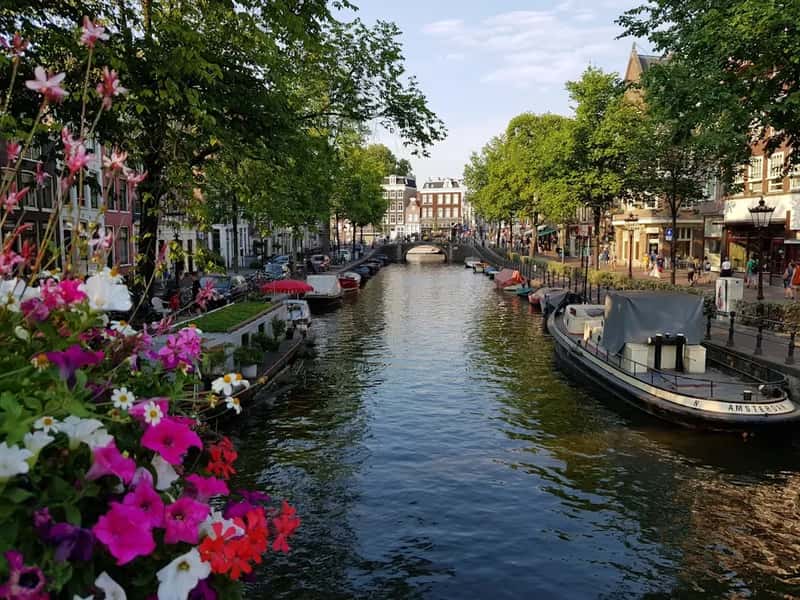
The Netherlands, and especially Amsterdam, comes in at 100 thefts per million visitors according to Quotezone’s European Pickpocketing Index. Nightlife districts, canal-side walkways, and museum zones near the Anne Frank House and Rijksmuseum create dense crowds where thieves move quietly between visitors. Incidents also occur on trams and at central stations where travelers handle luggage and transit cards at the same time.
Tram line 2, which runs from Centraal Station to the Rijksmuseum and is filled to bursting during peak hours, also gives thieves an easy crowd to blend into. On Museumplein, visitors cluster around the famous “I Amsterdam” sign, often forgetting to zip their bags as they snap photos.
More pickpocketing cases are reported during the city’s festivals, like King’s Day and Amsterdam Pride, when the streets, bars, cafes, and pubs are more crowded. Thieves in this area often work in teams. One member moves through the crowd until finding a victim. Then, one individual distracts the victim by asking for directions with a fake map, while an accomplice creates physical contact under the guise of an apology and discreetly removes the victim’s wallet.
How Pickpockets Actually Operate (It’s More Sophisticated Than You Think)
Pickpockets are not easily recognizable, but you can stay alert by noticing certain clues. They are often sly, stealthy, and subtle. According to Securitas Direct, there are more female pickpockets than male ones. Let that sink in for a moment – almost everything you think you know about spotting a thief is wrong.
Pickpockets often try to conceal their appearance, especially in places with surveillance cameras, by wearing hats, sunglasses, scarves, or bandanas. They tend to stay unusually close to their potential victims and assess the situation quickly. Speed is critical for pickpockets – they move quickly, keep their hands ready, and stare directly at their target.
According to Carabinieri logs, roughly four in ten metro thefts in Rome in 2024 occurred at entry points, meaning the doors of train carriages are among the most dangerous moments of any journey. The doorway squeeze technique is real, deliberate, and brutally effective.
The Anti-Theft Bag Guide: What Actually Works
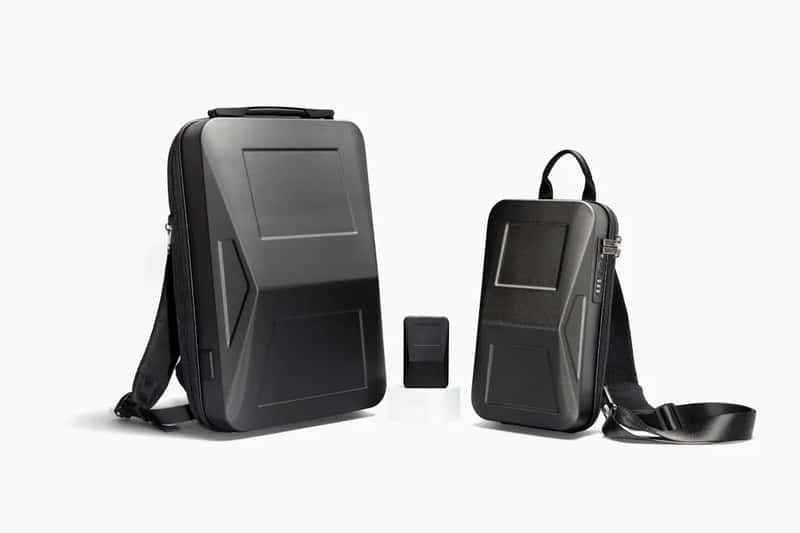
Let’s be real – no single product makes you invincible. Still, the right gear makes you a significantly harder target. Simple measures such as not putting wallets in pockets or backpacks and only carrying a small cross-body bag, worn to your front, zipped shut and held with one hand, can mitigate risk considerably.
Investing in anti-theft accessories such as cross-body bags with reinforced straps is recommended. In winter, wearing your shoulder bag or fanny pack under your jacket adds an additional layer of protection. Keeping a minimum number of valuables on your person and dividing your cash so it’s not all in the same place is equally important.
Only carry one credit or travel cash card and store a backup card in the safe or in your locked luggage at your accommodation, and keep records of bank and credit cards somewhere accessible digitally. Think of this like a backup parachute. You hope you never need it, but you’ll be very glad it’s there.
Behavioral Habits That Keep Thieves Away

Situational awareness doesn’t mean scanning every crowd like you’re working counterintelligence. It means keeping a low profile in the moments when risk is greatest. Sounds simple enough, yet most victims are caught off guard precisely because they dropped their guard for one second.
Don’t count cash at a market stall with your wallet open to the street. Don’t put your bag down two steps away while you’re distracted by a view. Don’t stand in the middle of a crowded sidewalk checking your map with your phone at arm’s length. These aren’t dramatic errors – they’re the small lapses that pickpockets look for.
Be especially alert at bigger metro stations where several lines converge, like Chatelet in Paris. With such busy stations, you can expect crowds and many exit points for pickpockets. Avoid offering help when strangers ask for it, do not sign petitions, and be watchful when somebody bumps into or rubs against you.
What to Do If You’ve Already Been Pickpocketed
It happens to even the most seasoned travelers. I think the worst part isn’t losing the money – it’s the panic and the logistical chaos that follows. Stay calm. Your next steps matter enormously. Report it immediately to local police and get a written copy of the report. You’ll need it for travel insurance claims, and your credit card company will require it for disputed charges. Call your bank to freeze the compromised card.
It is essential always to remain vigilant, leave valuables like expensive jewellery in a safe at your hotel, and always travel with a secure cross-body bag with zips. Travel insurance companies require travelers to take “reasonable care” and could reject insurance claims for theft if items have been left unattended.
Keep digital copies of your passport and key cards stored in a secure cloud or email folder before you travel. It’s a two-minute task that could save you days of bureaucratic misery at a foreign embassy. Trust me on this one.
The Bigger Picture: Crime Is Rising, But You Can Still Win

Italy topped the Quotezone European Pickpocketing Index with 478 mentions per million visitors, followed by France at 251, Spain and Germany both at 111, and the Netherlands at 100. These numbers have been climbing year over year, and with post-pandemic tourism surging, the crowds that attract thieves are only getting bigger.
In 2025, pickpocketing incidents have seen notable increases in several European pickpocket hotspots, making vigilance more important than ever. The increase does not reflect danger across entire nations but rather concentrated activity around major landmarks, transit stations, and busy streets where movement becomes crowded.
Here’s the takeaway that I genuinely believe: awareness is worth more than any product you can buy. The stations on this list are not places to avoid – they’re places to move through smartly, with your bag in front, your phone in your pocket, and your attention switched firmly on. Europe is extraordinary. Don’t let a pickpocket be the story you bring home. What would your game plan be the next time you walk into one of these stations?