There’s a strange comfort in numbers that refuse to behave the way we expect them to. Wealth and happiness are supposed to move together, at least according to conventional economic wisdom, yet a handful of nations keep proving that assumption wrong year after year. Some of the lowest income countries on the planet consistently report levels of life satisfaction that rival or beat nations with ten times their GDP, and researchers have spent decades trying to figure out why.
Vanuatu: island life beats a bigger paycheck
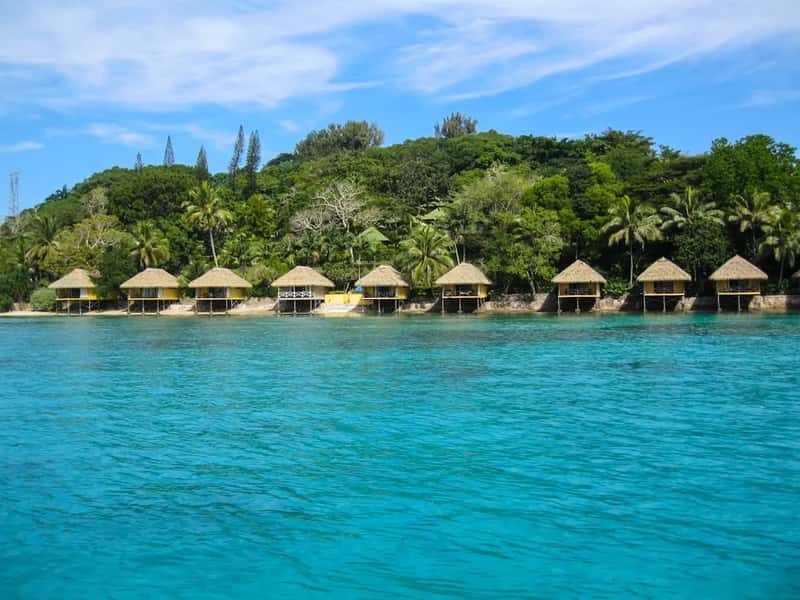
Vanuatu is a scattering of volcanic islands in the South Pacific with a population under 350,000 and a GDP per capita hovering around four thousand dollars, one of the lowest figures in the region. GDP per capita in Vanuatu, with a population of 342,564 people, was $4,082 in 2026, an increase of $146 from $3,936 in 2025. Despite that modest economic footing, Vanuatu has repeatedly topped the Happy Planet Index, a measure that weighs well-being and life expectancy against environmental impact.
In 2021, the country with the greatest HPI was Vanuatu, with a life expectancy of 70.4 years, an ecological footprint of 2.62, and a well-being value of 7.1. People who have spent time there often describe a level of warmth and community that feels almost old-fashioned. Visitors have described the people they met as done of the friendliest they had ever encountered anywhere, a small but telling detail about daily life on the islands.
Nicaragua: family ties as a substitute for wealth
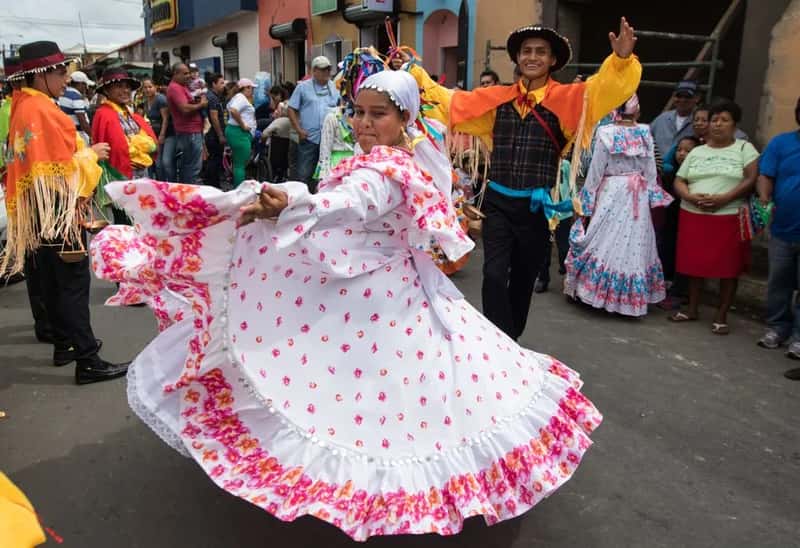
Nicaragua sits among the lowest-income nations in the Western Hemisphere, yet Gallup’s polling keeps finding something unexpected in the numbers. About 5 million people living on the thin stretch of land between Nicaragua and Panama are among the happiest on Earth, a reference that includes the broader Central American corridor where Nicaragua sits, and Nicaragua remains one of the lowest-income nations in the Western Hemisphere by GDP per capita, yet Gallup’s research consistently captures elevated positive emotions among its population. That gap between income and mood is exactly what makes the country a recurring case study.
The explanation researchers keep circling back to has less to do with policy and more to do with people. Extended family networks, communal cultural celebrations, and a deeply embedded sense of neighborly obligation serve as a social safety net that no government program alone can replicate. It’s a reminder that support systems don’t always come from a ministry building; sometimes they come from a neighbor showing up unannounced with dinner.
El Salvador: small footprint, outsized contentment

El Salvador rarely gets much attention in global economic rankings, but it has quietly become a fixture near the top of well-being indexes that account for sustainability alongside satisfaction. Among the countries with the highest HPI scores are Vanuatu, Sweden, El Salvador, Costa Rica, and Nicaragua, placing this small Central American nation in genuinely elite company on a measure that most wealthy countries fail to crack.
Its life expectancy and reported well-being numbers back up the pattern seen elsewhere in the region. El Salvador recorded a life expectancy of 70.7 years and a well-being score of 6.40 out of 10, figures that sit comfortably alongside nations with far larger economies. The country’s modest carbon footprint only strengthens its position on indexes that reward efficient, low-impact living rather than raw consumption.
Vietnam: rising happiness without rising incomes to match
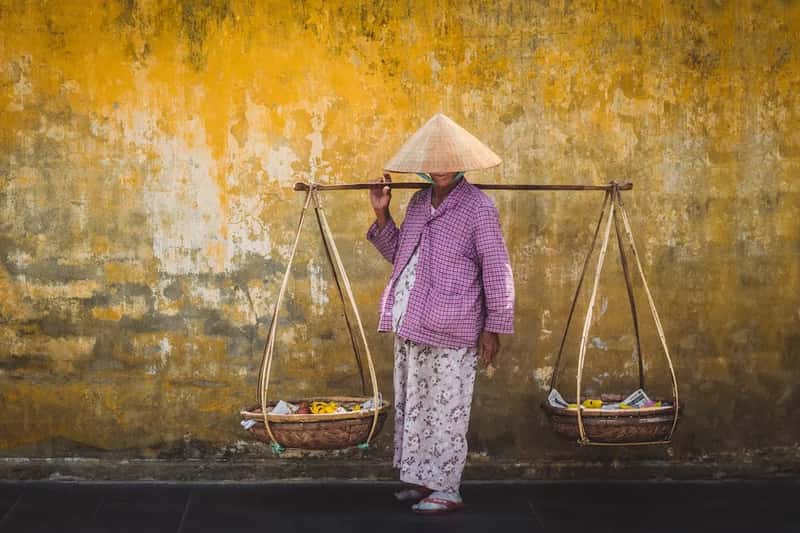
Vietnam offers one of the more compelling recent stories in global happiness data, mostly because its climb has been so steady. Vietnam reached its highest-ever ranking in the 2025 World Happiness Report at 46th place globally, up from 54th in 2024, a remarkable climb for a country whose GDP per capita remains a fraction of what wealthier Western nations earn. That kind of upward movement rarely happens by accident.
Analysts point to something deeper than economic momentum driving the shift. Vietnam shows robust community well-being scores despite its middle-income status, and it was one of only three countries in the Southeast Asian region that improved its happiness position compared to the 2024 report. Much of that resilience traces back to cultural habits that predate any modern economic indicator. Vietnam’s strong traditions of family loyalty, collective identity, and community celebration appear to provide a sense of belonging and security that compensates for lower material wealth.
Bhutan: the country that built a nation around the idea
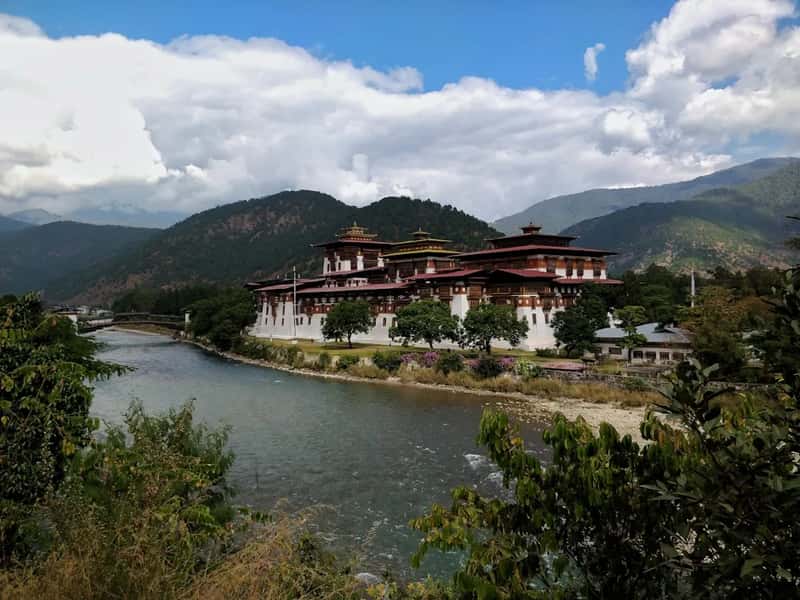
No country has taken the happiness-over-income philosophy further than Bhutan, a small Himalayan kingdom often described as one of the world’s least developed nations by conventional economic standards. Gross National Happiness, sometimes called Gross Domestic Happiness, is a philosophy the government of Bhutan claims to follow, including an index for measuring a population’s collective happiness that was instituted as a constitutional goal in 2008. It’s a rare example of a government building its entire development framework around subjective well-being rather than output.
The idea traces back further than most people realize. During the mid-1970s, Bhutan’s King Jigme Singye Wangchuck first introduced gross national happiness, arguing that gross domestic product was less important because it could not deliver happiness and well-being. Survey data from the country has backed up the philosophy in practice. A 2010 survey of 7,146 people asked them to rate their subjective well-being on a scale of 0 to 10, producing a national average of 6.066, suggesting a very good level of happiness despite Bhutan being a least developed country with low per capita income.
Why the wealth-happiness link keeps breaking down
The pattern across all five nations points toward a handful of shared ingredients rather than any single silver bullet. Happiness rankings analyze Gallup polling data across six categories including GDP per capita, social support, healthy life expectancy, freedom to make life choices, generosity, and corruption perceptions, and what stands out about these lower-income nations is that they compensate for low GDP scores with unusually strong performance in social support and generosity. Money matters, but apparently not as much as trust and connection do.
Researchers at Gallup have made a similar point in their own analysis of the data. Research from credible institutions confirms that social bonds, community trust, and personal freedom are the real engines of well-being, and these countries show how middle- and lower-income nations can achieve high happiness levels through strong social bonds, healthy institutions, and supportive communities. It’s a fairly simple conclusion once you sit with it: people don’t need luxury so much as they need each other.
What this means for how we measure progress

These five countries complicate the tidy story that economic growth automatically produces better lives. It raises a genuine question about how a country can be eco-happy but underdeveloped, since indexes like the Happy Planet Index do not look at indicators such as education, income, access to water and electricity, or poverty rates, and accounting for those facts would create a more complete, and probably very different, perception of happiness. That caveat matters. None of this means poverty is desirable or that these nations don’t face real hardship.
What it does suggest is that the ingredients for a satisfying life are more varied than a bank balance can capture. Economic inequalities not only keep the wellbeing of the poorest suppressed, they also bring down the overall happiness scores of countries, since the lifestyles of the wealthiest contribute disproportionately to emissions while making little positive contribution to their own wellbeing. Vanuatu, Nicaragua, El Salvador, Vietnam, and Bhutan each tell a version of the same story from a different angle: strong families, tight communities, and a sense of belonging can carry people surprisingly far, even when the paychecks stay thin.