A pension check that barely covers rent in one country can suddenly feel generous in another. That gap has quietly reshaped retirement planning over the past few years, as more people trade a fixed income for a fixed address somewhere warmer, slower, and considerably cheaper. It isn’t only the big, well-known retirement hubs pulling this off either.
Some of the most striking value comes from countries small enough to feel like an afterthought on a map, yet organized enough to make a modest pension feel like real money again. Here are five of them, along with what actually makes each one work for retirees living on a fixed budget.
Cyprus
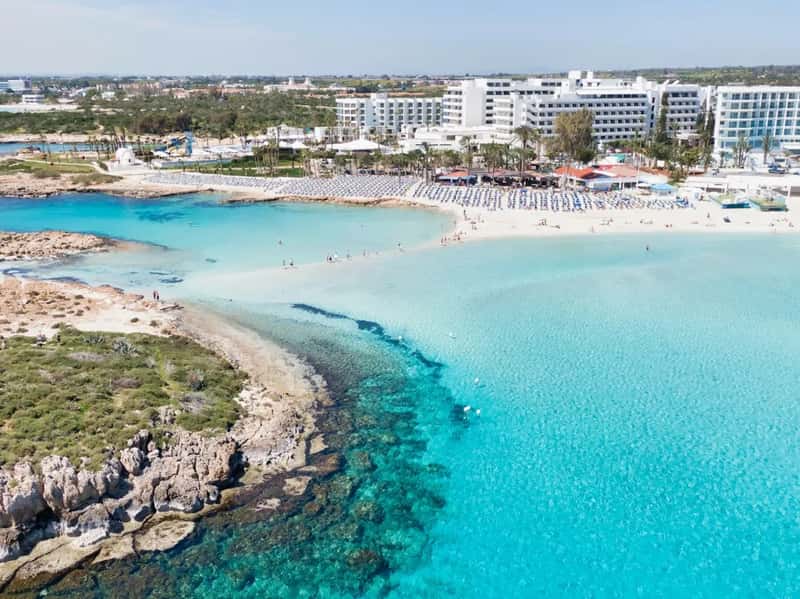
Cyprus sits at the eastern edge of the Mediterranean, and it has quietly built a reputation as one of the more comfortable places for retirees to settle. Sitting at the eastern end of the Mediterranean, Cyprus, the southern part of the island not dominated by Turkey, offers a sunny environment with terrific beaches, a Greek culture and a long history of hosting expat retirees. The appeal isn’t just scenery, either. Cost of living is about a third less than the U.S. average, there is a low crime rate and stable politics, and English is widely spoken.
Healthcare is where Cyprus really earns its reputation among pensioners. Permanent residents qualify for the public healthcare system, paying just 2.65% of pension and Social Security income, and expat retirees often add private insurance on top of that. That combination keeps medical costs predictable, which matters more with age than most people expect. The one caveat worth noting is climate related rather than financial: the country experiences flooding and wildfires, so it isn’t entirely without risk.
Malta
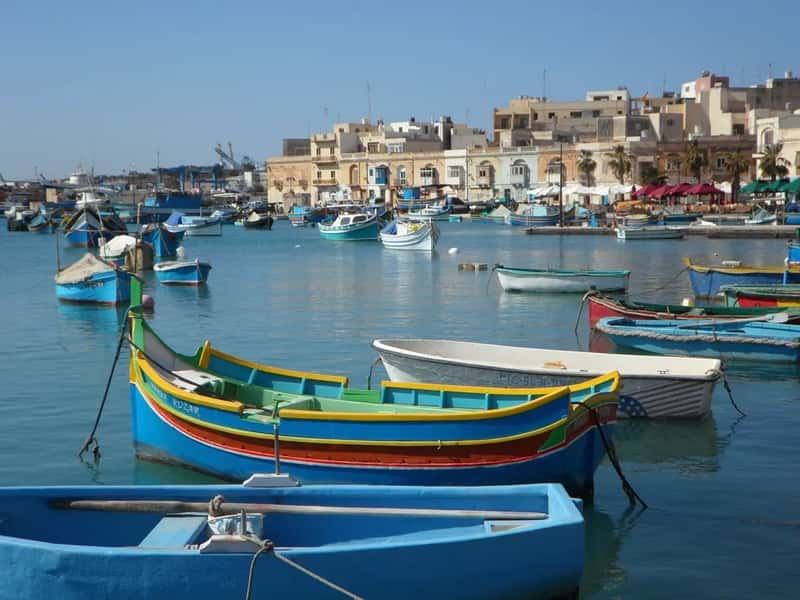
Malta punches well above its size when it comes to retirement appeal, and the tax treatment of pensions is a big reason why. This EU island, ranked third globally for retirement attractiveness by Hoxton Wealth’s 2026 report, delivers a flat 15% tax on foreign pension income, free healthcare via S1 certificates, and an average cost of living under 2,500 euros per month. For many retirees moving from higher tax countries, that alone changes the math significantly.
The details go further than the headline rate. As of 2026, the first 37,104 euros of annual pension income is completely exempt from taxes under updated rules, while the island also skips wealth and estate levies entirely. Malta imposes no inheritance, wealth, or gift taxes, and on the healthcare side, the health system is ranked fifth worldwide by the WHO, with eligible pensioners able to access it for free through an S1 form. Public transport adds a small but real bonus too, since it has been free for all residents since October 2022.
Montenegro
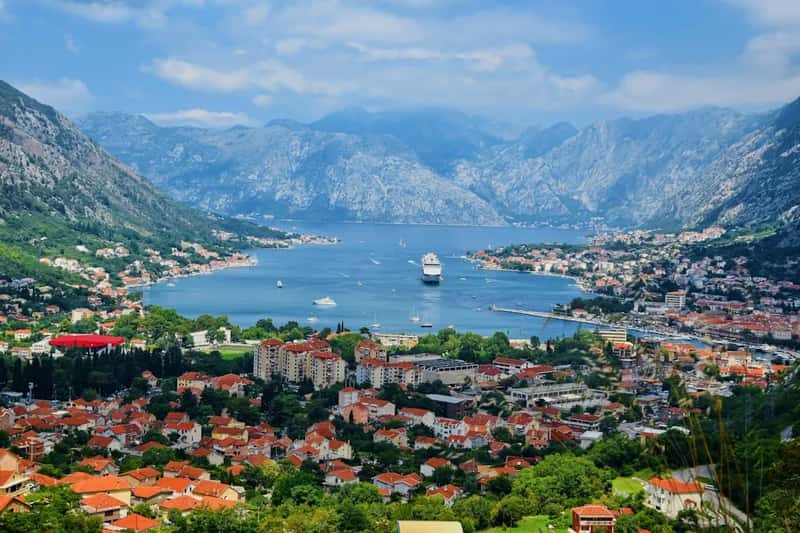
Montenegro rarely tops mainstream retirement lists, but the numbers behind it are hard to ignore. With a recommended monthly budget of $1,000 to $2,000, and a baseline local cost estimate of $1,222, it can be an attractive destination for Americans living on Social Security, pension income, or a fixed retirement budget. That baseline already covers rent, food, and utilities for a single retiree living modestly.
Tax treatment sweetens the deal further. Foreign pension income in Montenegro is generally not taxed, making the country highly attractive for retirees living on Social Security, government pensions, or private retirement plans. That matters in real terms too, since the average U.S. Social Security benefit of about $1,907 a month in 2026 covers most or all monthly expenses for a single retiree in Montenegro. Rent alone tends to stay reasonable outside the busiest coastal towns, with a one to two bedroom apartment running roughly 400 to 800 euros inland or off season, and 700 to 1,400 euros in prime coastal spots like Kotor or Budva.
Albania
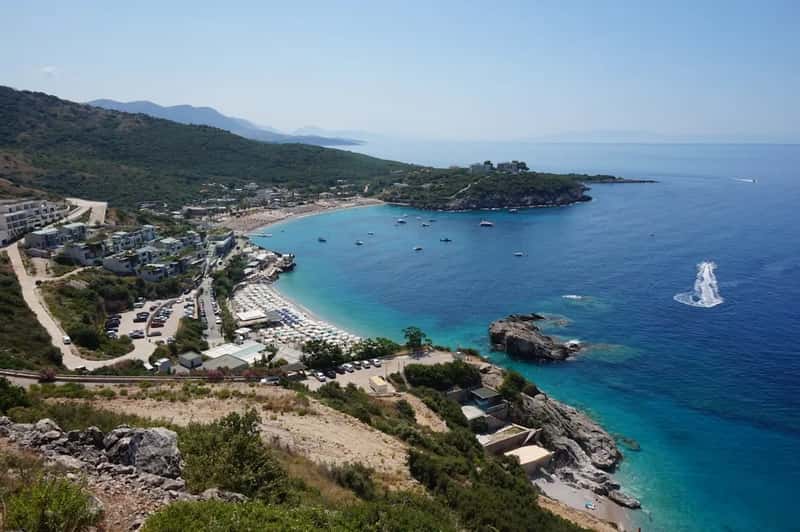
Albania is easy to overlook, partly because it spent decades cut off from the rest of Europe. It is a small country of about 2.4 million people on the Mediterranean that didn’t shrug off Communist rule until 1992. That history left it with lower property costs and a slower pace of development, both of which now work in retirees’ favor.
One American couple who moved to the seaside town of Vlorë offers a useful real world snapshot of what that affordability looks like day to day. They pay just $1,100 a month for a three bedroom apartment near the Lungomare Promenade, a lively three mile long café studded walk along the Adriatic Sea. That is the kind of space and location that would cost several times as much along most Mediterranean coastlines, and it is a big part of why Albania keeps showing up on retirement shortlists despite its size.
Panama
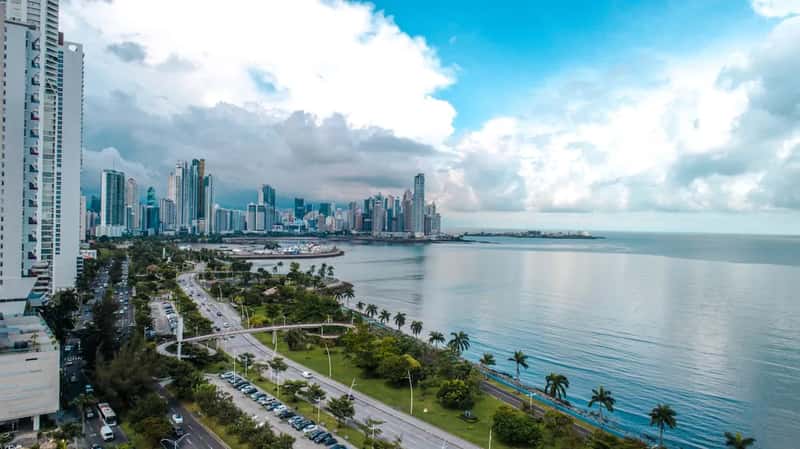
Panama has built one of the most established retiree programs anywhere, and it shows in how the country treats foreign pensioners. The government welcomes foreign retirees with benefits that include tax breaks and steep discounts on travel, medical care, entertainment, and more for Pensionado residents. The income bar to qualify is notably low too, since with just $1,000 in monthly pension income, or $1,250 for couples, you unlock a lifestyle filled with perks such as half price entertainment, discounted travel, reduced medical bills, and savings on everyday spending.
The tax setup adds another layer of appeal, given that Panama’s territorial tax system means foreign earned income isn’t taxed, which keeps more of a pension check intact. Day to day costs remain manageable for most retirees, with a couple able to live comfortably on $2,000 to $3,000 a month, often with room left over for dining out, travel, and leisure. It’s worth being realistic about location though, since Panama is not automatically cheap, and popular foreign resident areas like Panama City, Coronado, and Boquete can be priced for international demand.