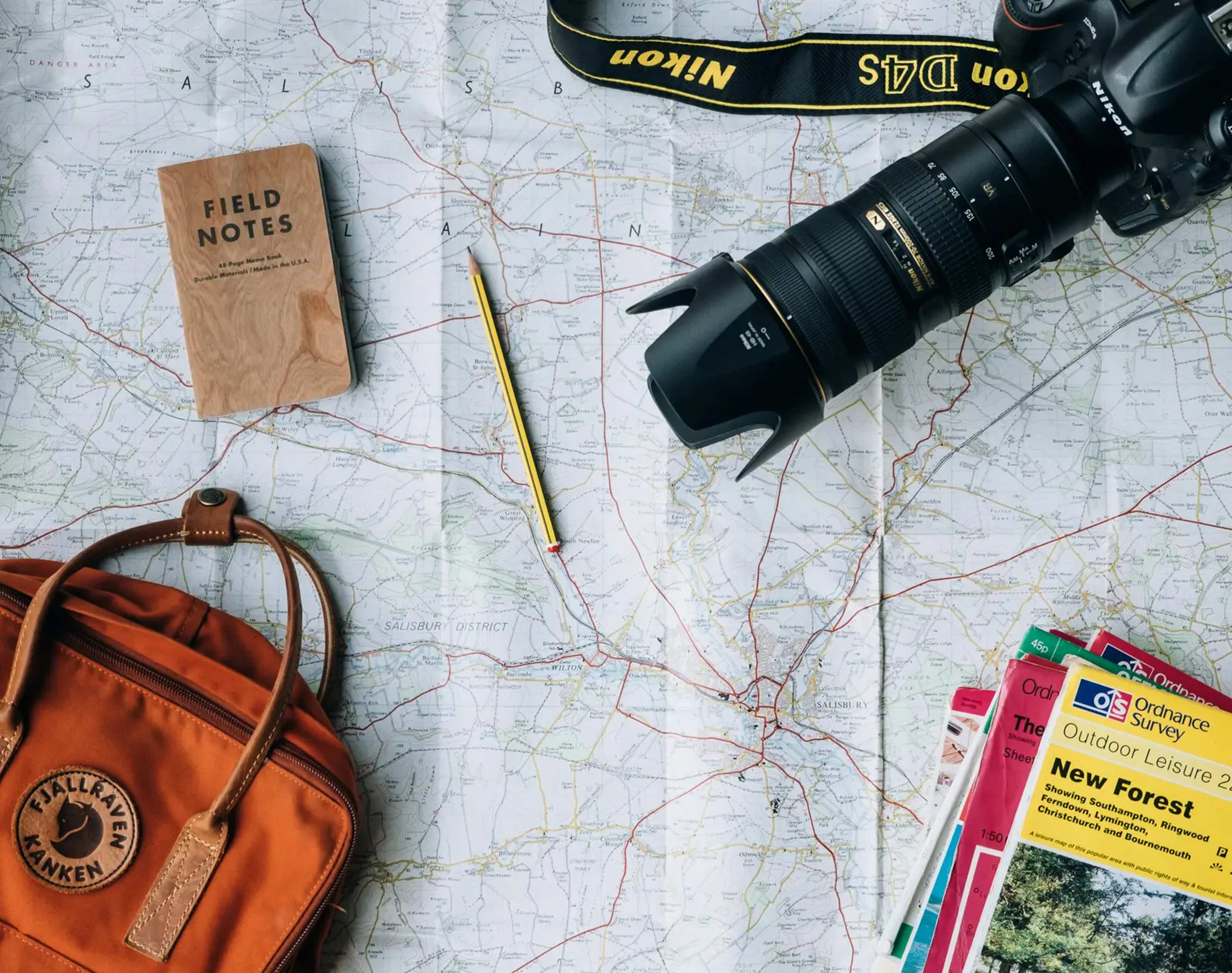
Not every remote worker wants to fight for a coworking desk in Canggu or elbow through Lisbon’s tourist-packed Alfama district every morning. Some of us just want a quiet corner of the world with fast wifi, a decent flat white, and enough breathing room to actually think. The good news is that the digital nomad boom hasn’t touched every corner of the map evenly, and several countries with genuinely welcoming visa policies remain refreshingly under the radar.
The six destinations below share a few things in common: legitimate legal pathways for remote workers, reliable internet, and a noticeable absence of the shoulder-to-shoulder crowds you’d find in the usual nomad hotspots. Some are famous for wide open landscapes, others for small populations, and a couple simply haven’t been discovered yet by the Instagram crowd. Here’s where to go if solitude matters more to you than a buzzing scene.
1. Estonia
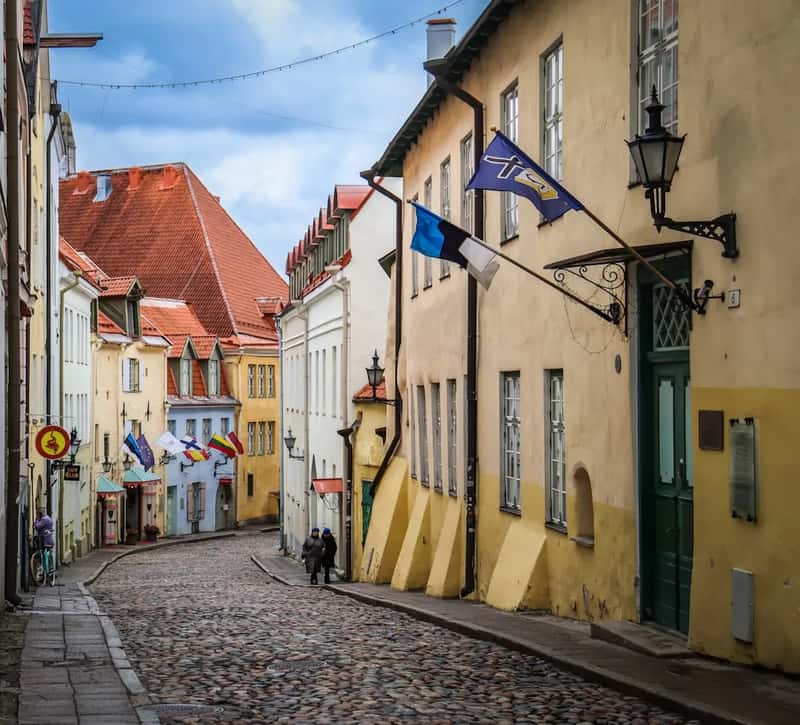
Estonia deserves credit for starting this whole movement in the first place. Estonia launched the world’s first dedicated digital nomad visa in 2020, and the country has kept refining the program ever since. The visa itself is generous in duration, since the Type D digital nomad visa allows a stay of up to 365 days, and it sits outside the regular Schengen tourist clock entirely. That said, it isn’t cheap to qualify for. As of 2026, Estonia’s digital nomad visa grants remote workers up to one year of residency, requiring a minimum gross income of €4,500 per month, which filters out casual backpackers and keeps the applicant pool fairly small.
What makes Estonia appealing for crowd-averse nomads isn’t Tallinn’s old town, which does get its share of cruise-ship day-trippers, but everything just outside it. The country has one of the lowest population densities in the European Union, with vast forests, quiet coastal towns, and islands like Saaremaa that feel a world away from any tourist trail. Tax-wise, staying under six months keeps things simple, since foreign remote workers are not subject to local income tax if they spend fewer than 183 days in Estonia within a 12-month period. Stick around longer and you’ll fall under Estonia’s flat tax system instead, but by then you’ll likely have found your favorite empty beach on the Baltic coast already.
2. Uruguay
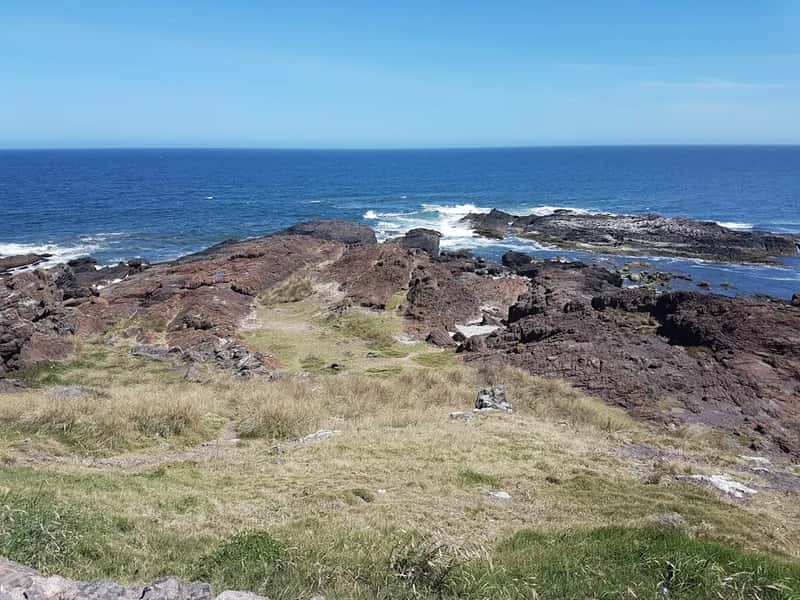
Uruguay is the kind of country that makes you wonder why more people haven’t caught on yet. It’s sandwiched between two giants, Argentina and Brazil, but manages to feel entirely its own, calm, orderly, and pleasantly uneventful. Uruguay is the safest country in South America, with a stable, boring-in-a-good-way democracy, which is exactly the vibe most people escaping chaos are looking for. Time zone convenience is a real bonus too, since the time zone makes remote work easy, as you’re two hours ahead of New York, so U.S. calls and a beach afternoon fit into one day.
The visa process here is refreshingly low-friction. Uruguay’s Digital Nomad Permit lets you live and work remotely for 180 days, and you can extend it once for another 180, up to a year total, and applicants apply online after they arrive as a tourist and sign a statement that they can support themselves. There’s no punishing income threshold to clear, and infrastructure holds up well outside the capital too, with fast, reliable internet, about 70 Mbps, countrywide. Skip Punta del Este in peak summer if you want true quiet, but towns like Colonia del Sacramento or the interior countryside deliver plenty of space to work undisturbed.
3. Georgia
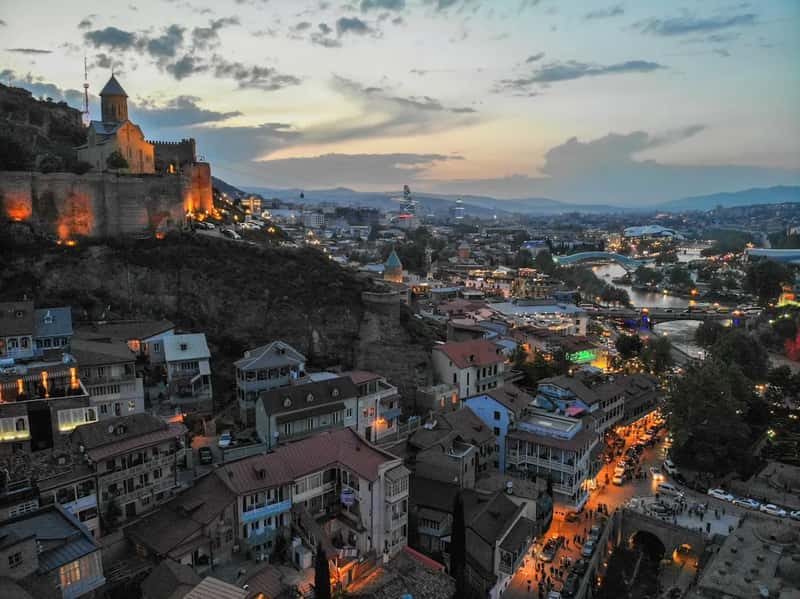
Georgia, the Caucasus nation rather than the U.S. state, has quietly become one of the easiest countries on earth to simply show up and start working. Rather than a complicated visa application, most nomads rely on the country’s remarkably open entry policy, since over 90 nationalities can stay in Georgia visa-free for a full 365 days, which is the option most digital nomads default to. The older “Remotely from Georgia” scheme that made headlines during the pandemic has largely faded into irrelevance now that the standard visa-free rules cover the same ground.
Financially, Georgia rewards remote earners well. The country operates on a territorial tax principle for individuals, where tax residents pay tax only on Georgian-source income, meaning money earned from clients abroad generally stays untouched by local tax authorities. Tbilisi has developed a genuine nomad community, but it’s still nowhere near saturated compared to Southeast Asian hubs, and mountain regions like Svaneti or the wine country of Kakheti offer landscapes with barely another foreigner in sight. For anyone who wants low bureaucracy, low taxes, and low crowds all at once, Georgia checks every box.
4. Namibia
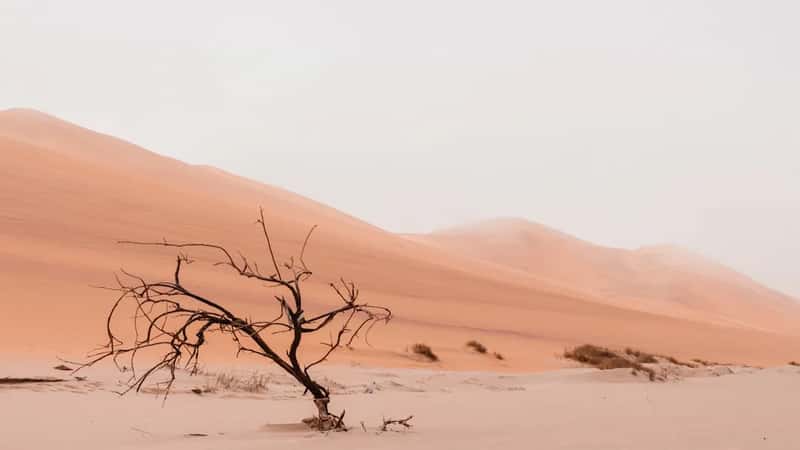
If sheer emptiness is what you’re after, Namibia might be the single best option on this list. It’s one of the least densely populated countries on the planet, a vast stretch of desert, savanna, and coastline where towns are small and distances between them are enormous. Namibia was also among the earliest African nations to formalize a remote work visa, and industry trackers consistently note that when digital nomad visas are compared by ease of application, Georgia, Panama, and Namibia consistently rank as the most accessible.
Crowds simply aren’t a concern here, and that’s by design as much as geography. One 2026 overview of underrated nomad destinations specifically flagged Namibia’s capital, noting that Namibia, along with Belgrade and Tirana, ranks among the least saturated nomad-ready destinations. Windhoek offers a manageable, walkable base with decent connectivity, while the real draw is everything beyond it, the red dunes of Sossusvlei, the wildlife-rich stretches of Etosha, and coastal towns like Swakopmund where the loudest sound most mornings is the Atlantic fog rolling in.
5. Iceland
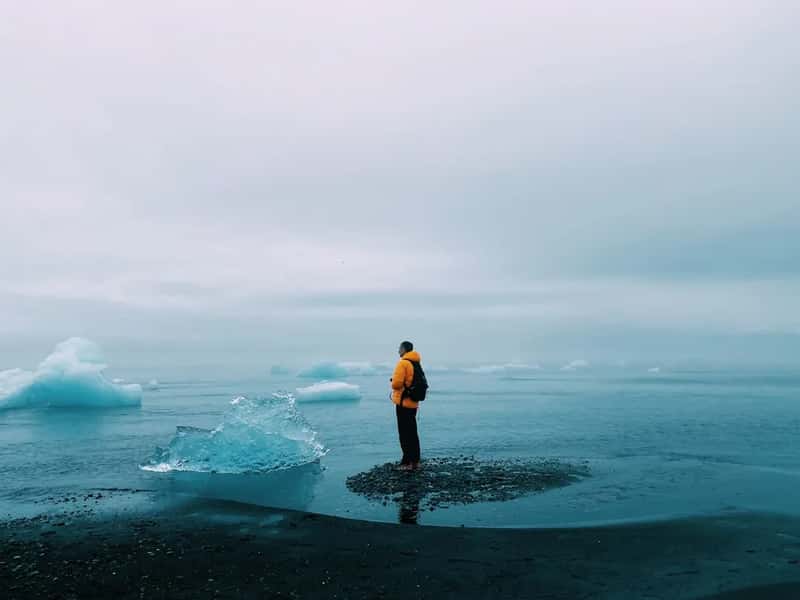
Iceland trades affordability for space, and for a lot of remote workers, that trade is worth it. The country’s remote work option, officially called the Long-Term Visa for Remote Workers, is designed for people who already earn well. The visa is a residence option that allows eligible foreign nationals to live in Iceland while working remotely for a company or business based outside the country. It isn’t accessible to everyone, since applicants must have an annual income of at least USD 84,000 for individuals, or higher for couples, and hold valid employment or freelance contracts.
The upside of that steep bar is a country that never feels overrun once you’re off the main Golden Circle route. Infrastructure holds up beautifully everywhere, since Iceland’s communications and technology infrastructure is top-notch, with fiber-optic connections and 5G networks widespread practically wherever you are in the country. The stay itself is short by design, capped at around six months rather than a full year, but for anyone chasing glaciers, black sand beaches, and near-total silence, half a year in Iceland is plenty of time to feel like you have the whole island to yourself.
6. New Zealand
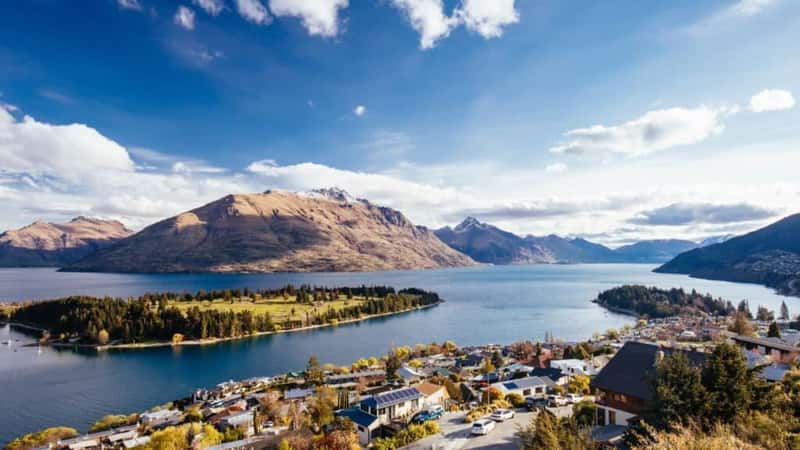
New Zealand has never bothered with a dedicated digital nomad visa, but it recently made remote work refreshingly simple anyway. In early 2025, immigration authorities confirmed that the rules for visitors are changing and people arriving on a visitor visa or NZeTA can work for overseas employers while visiting New Zealand. That change applies broadly too, since the change applies to applications received from 27 January 2025 for all visitors, including tourists and people visiting family, and partners and guardians on longer-term visitor visas.
The catch is fairly minor for most nomads: visitor visa holders must not work for a New Zealand employer or provide goods or services to people or businesses in New Zealand, which simply means your income has to keep flowing from abroad. Beyond Auckland and the Queenstown ski season crowds, New Zealand is genuinely one of the emptiest developed countries per square mile on earth. The South Island in particular offers small towns, dramatic coastlines, and a pace of life that makes crowd anxiety feel like a distant memory.
Finding Your Quiet Corner of the World
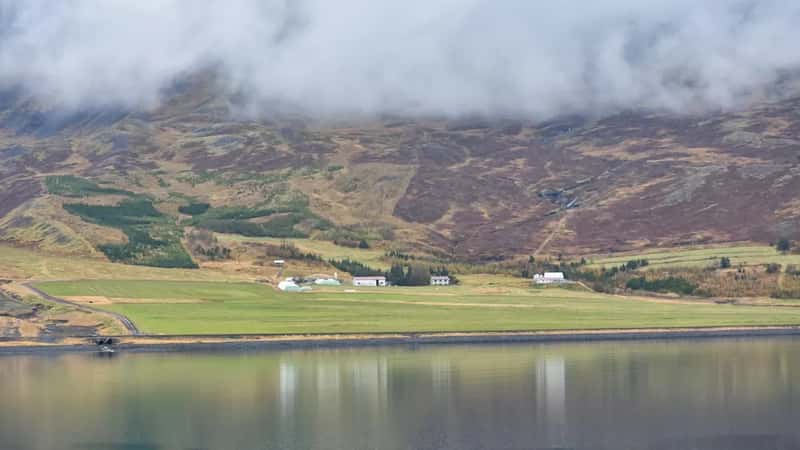
None of these six countries are secrets exactly, but none of them show up on the typical “top digital nomad cities” listicles either, and that’s precisely the point. Whether it’s Estonia’s forested quiet, Uruguay’s unhurried coastline, Georgia’s mountain villages, Namibia’s endless desert, Iceland’s glacial stillness, or New Zealand’s empty highways, each offers a version of remote work life built around space rather than spectacle.
The trade-off is usually visible upfront, whether that’s a steep income requirement, a shorter visa window, or simply a longer flight to get there. Still, for anyone who measures a good work day by how little noise surrounded it, that trade-off tends to feel more than fair.